Camping Checklist for Beginners is one of the most important tools for planning a safe, comfortable, and enjoyable outdoor adventure. While camping is a great way to disconnect from daily stress and reconnect with nature, many first-time campers quickly discover that a forgotten item or poor preparation can turn an exciting trip into a frustrating experience.
From choosing the wrong tent and forgetting essential sleep gear to ignoring weather conditions and overpacking unnecessary items, beginner mistakes are surprisingly common. The good news is that most camping problems can be avoided with proper planning and a complete camping checklist.
Whether you’re preparing for your first tent camping trip, a family camping weekend, or a simple car camping adventure, having the right gear and knowing what to pack can make all the difference. A well-organized camping packing list helps you stay comfortable, prepared, and confident while enjoying the great outdoors.
In this guide, we’ll cover the seven most common camping mistakes beginners make, explain how to avoid them, and provide a complete camping essentials checklist to help you pack smarter for your next adventure.
Camping Checklist for Beginners (Quick Answer)
The most important camping essentials for beginners include a tent, sleeping bag, sleeping pad, camp stove, cooking supplies, first aid kit, weather-appropriate clothing, water storage, lighting, and navigation tools. The biggest mistakes beginners make are choosing the wrong tent, forgetting sleep gear, overpacking, ignoring weather conditions, and not using a camping checklist.
Introduction to Camping Essentials
Understanding the Importance of a Camping Checklist
A meticulously prepared camping checklist is the cornerstone of a successful outdoor adventure, ensuring that every essential item is accounted for before you even leave home. Without a comprehensive list of what to bring, even experienced campers risk forgetting crucial camping supplies, leading to discomfort or, in some cases, safety concerns at the campsite. This ultimate camping checklist serves as your guide to peace of mind, allowing you to fully immerse yourself in nature without worrying about overlooked camping gear.
Common Mistakes Beginners Make
Many first-time campers make the mistake of either overpacking or underpacking, both of which can significantly detract from the camping experience; packing tips can help avoid this. Beginners often overlook the importance of weather conditions, bringing inappropriate clothing or failing to pack a first aid kit. Another common pitfall is neglecting to research the specific type of camping they’ll be doing, whether it’s car camping or backcountry tent camping, which dictates different camping gear lists and essential items.
How This Guide Will Help You Prepare
This comprehensive guide is designed to navigate you through the complexities of planning a camping trip, highlighting seven common mistakes beginners make and offering practical solutions. We will meticulously break down the camping packing list, from selecting the right tent to assembling a functional camp kitchen, ensuring you have everything you need. By following our expert advice and utilizing our camping essentials checklist, your next camping trip will be an enjoyable, stress-free outdoor adventure.
How We Created This Checklist
Planning your first camping trip can feel overwhelming, especially with so many gear recommendations and packing lists available online. To create this beginner-friendly camping checklist, we focused on the items and preparation steps that have the biggest impact on comfort, safety, and overall camping success.
This checklist was developed using:
- Common mistakes made by first-time campers
- Recommendations from experienced campers and outdoor enthusiasts
- Camping gear manufacturer guidelines and product manuals
- Campground and national park preparation advice
- Outdoor safety best practices
- Real-world camping scenarios covering different weather conditions and camping styles
Rather than including every possible piece of camping gear, we prioritized the essentials that beginners are most likely to need on their first camping trip. Our goal is to help new campers avoid common mistakes, stay comfortable outdoors, and confidently prepare for a safe and enjoyable camping experience.
Whether you’re planning a weekend getaway, family camping trip, car camping adventure, or your first night in a tent, this checklist provides a practical foundation to help you pack smarter and camp with confidence.
What We Learned From First-Time Camping Trips
One of the biggest lessons we learned from our first camping trips is that preparation matters more than having the most expensive gear. Early on, we made many of the same mistakes that beginners commonly make forgetting essential items, underestimating nighttime temperatures, packing too much unnecessary equipment, and not checking weather conditions carefully enough before leaving.
On one trip, a missing sleeping pad made for a cold and uncomfortable night, while another outing taught us the importance of bringing extra tent stakes after strong winds loosened several corners of the tent. We also discovered that a simple camping checklist can prevent most beginner mistakes before they happen.
Over time, we found that focusing on a few key essentials a reliable tent, quality sleep gear, a basic camp kitchen, weather-appropriate clothing, and a well-stocked first aid kit had a much greater impact on comfort and safety than bringing lots of extra gear.
The recommendations in this guide are based not only on expert advice and outdoor best practices but also on real-world camping experiences that highlighted what truly matters during a camping trip. Our goal is to help first-time campers avoid common frustrations and enjoy a smoother, more rewarding outdoor adventure.
Mistake #1: Not Choosing the Right Tent
Importance of Tent Selection
Selecting the appropriate camping tent is paramount for a comfortable and secure outdoor adventure, acting as your primary shelter against the elements. The type of camping tent you choose directly impacts your protection from rain, wind, and insects, making it a critical item on any camping packing list. A well-chosen tent ensures a good night’s sleep, allowing you to fully rejuvenate for the next day’s activities at the campground, making it a fundamental part of your sleep gear.
Recommended Budget-Friendly Tents
For beginners, a budget-friendly yet reliable tent is an essential item that doesn’t compromise on quality. Look for tents that offer easy setup, decent waterproofing, and adequate ventilation. For instance, a two-person dome tent with a full-coverage rainfly offers excellent protection for a solo or duo camping trip without breaking the bank. Always check user reviews for durability and ease of use, ensuring your chosen camping tent provides dependable shelter for your first time camping.
Checklist for Tent Camping Essentials
Ensuring you have all the necessary tent camping essentials guarantees a secure and comfortable shelter at your campsite.
- Camping Tent: Select based on capacity and weather conditions.
- Footprint or Tarp: To protect the tent floor from abrasion and moisture.
- Tent Stakes: Always pack extra, as they can bend or get lost.
- Mallet: For securing tent stakes into hard ground.
- Repair Kit: For minor tears or pole damage, which is one of the important camping essentials for any camping trip.
- Tent Brush/Dustpan: To keep the interior clean.
- Small Mat: For wiping shoes before entering.
Recommended Beginner Tents
Our Top Beginner Tent Picks
🏆 Best Overall: Coleman Sundome Tent
Easy to set up, durable, affordable, and suitable for most beginner campers.💰 Best Budget Pick: Wakeman Outdoors 2-Person Dome Tent
A lightweight and inexpensive option for occasional camping trips and first-time campers.👨👩👧👦 Best Family Tent: Coleman Cabin Tent with Instant Setup
Spacious interior, quick setup, and enough room for families or groups.Bestseller #1Bestseller #2Bestseller #3Pro Tip: Choose a tent with a capacity that is one or two people larger than your group size. A 4-person tent is often much more comfortable for two campers and their gear.


Mistake #2: Forgetting Sleep Gear
Why Sleep Gear Matters for Comfort
Neglecting proper sleep gear is a common oversight for those new to the great outdoors, yet it is absolutely essential for a successful and rejuvenating camping trip. A comfortable night’s rest is paramount, as it directly impacts your energy levels and overall enjoyment of your outdoor adventure. Without adequate insulation from a quality sleeping bag and a supportive sleeping pad, the cold ground can quickly sap body heat, leading to discomfort and a less-than-ideal experience at the campsite.
Top-Rated Sleeping Bags and Pads
For first-time campers, investing in a reliable sleeping bag and sleeping pad is a crucial part of the camping packing list. Look for sleeping bags rated for the expected nighttime temperatures; a 20-degree Fahrenheit bag is a versatile choice for most three-season camping. Complement this with an insulated sleeping pad, which provides vital cushioning and an R-value of at least 2.0 to prevent heat loss to the ground. These camping essentials ensure you stay warm and comfortable, even on cooler nights.
Recommended Sleep Gear for Beginners
Our Top Sleep Gear Picks for First-Time Campers
🛌 Sleeping Bag: Coleman Brazos Cold Weather Sleeping Bag
A budget-friendly sleeping bag that provides reliable warmth and comfort for beginner campers.😴 Sleeping Pad: Therm-a-Rest Z Lite SOL Sleeping Pad
Lightweight, durable, and provides excellent insulation from the cold ground.☁️ Camping Pillow: TREKOLOGY ALUFT Plus Camping Pillow
Compact, comfortable, and easy to pack for camping trips of any length.Bestseller #2Bestseller #3Pro Tip: A quality sleeping pad often improves camping comfort more than an expensive sleeping bag because it provides both cushioning and insulation from the ground.


Sleep Gear Packing List
Ensuring you have the right sleep gear is essential for a comfortable and restorative night’s rest on any camping trip.
- Sleeping Bag: Appropriate temperature rating for expected weather conditions.
- Sleeping Pad: Insulated for warmth and cushioning for comfort.
- Camping Pillow: A small, compressible pillow or a stuff sack filled with clothes.
- Headlamp or Flashlight: For navigating your tent and campsite at night.
- Earplugs/Eye Mask: For light sleepers, to block out noise and early morning light.
- Pajamas/Sleepwear: Comfortable and temperature-appropriate.
- Sleeping Bag Liner (Optional): Adds warmth and keeps your sleeping bag cleaner.
Mistake #3: Neglecting the Camp Kitchen
Essentials for Cooking at the Campsite
A well-equipped camp kitchen is a cornerstone of any enjoyable camping trip, preventing the mistake of relying solely on pre-packaged snacks or cold meals. Having the right cooking gear transforms your campsite into a culinary haven, allowing you to prepare satisfying meals that fuel your outdoor adventure. From boiling water for morning coffee to cooking a hearty dinner, the proper camp kitchen supplies are essential for comfort and sustenance, making it a vital component of your ultimate camping checklist.
Budget-Friendly Camp Stoves and Cooking Gear
Building a functional camp kitchen doesn’t require an exorbitant budget. A compact, two-burner camp stove is an excellent, budget-friendly essential item for car camping trips, offering reliable heat for various dishes. Pair this with a durable, nested camping cookware set that includes pots, pans, and utensils. Prioritizing versatility and ease of cleaning will ensure your cooking gear enhances your camping experience without unnecessary expense, making your first time camping a delicious success.
Beginner Camp Kitchen Picks
Our Recommended Camp Kitchen Gear for Beginners
🔥 Camp Stove: Coleman Classic 2-Burner Propane Camping Stove
Reliable, easy to use, and powerful enough to cook full campsite meals for beginners and families.🍳 Cookware Set: Stanley Adventure Camp Cook Set
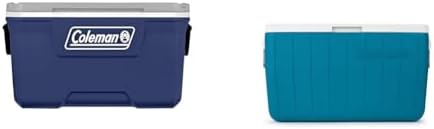
Durable, compact, and includes essential cookware for preparing simple camping meals.🧊 Cooler: Coleman 316 Series Insulated Cooler
Keeps food and drinks cold for multiple days and offers excellent value for beginner campers.Bestseller #1Bestseller #2Bestseller #3Pro Tip: Start with simple meals that require minimal cookware and preparation. Easy camp meals help beginners spend more time enjoying the outdoors and less time cooking and cleaning.


Interactive Cooking Checklist
Preparing your camp kitchen ensures you’re ready to whip up delicious meals throughout your camping trip.
- Camp Stove: Propane or butane, with extra fuel canisters.
- Camping Cookware Set: Including pots, pans, and lids, is among the camping must-haves for preparing delicious meals in the wild.
- Cooking Utensils: Spatula, spoon, tongs.
- Plates and Bowls: Reusable, lightweight options.
- Cutlery: Forks, knives, spoons.
- Cutting Board and Knife: For food preparation.
- Cooler: With ice or ice packs to keep food fresh.
- Water Jug: For cooking and drinking water.
- Biodegradable Dish Soap and Sponge: For cleaning up.
- Paper Towels or Reusable Cloths: For spills and cleaning.
- Trash Bags: Pack it in, pack it out.
- Can Opener/Bottle Opener: Important camping essentials to keep you prepared for meals and drinks.
- Campfire Grill Grate (Optional): If you plan to cook over a campfire.
- Coffee/Tea Maker: Percolator or French press.
- Airtight Food Storage Containers: To protect food from wildlife.
Mistake #4: Inadequate First Aid Preparation
Importance of a First Aid Kit
Neglecting a comprehensive first aid kit is a critical mistake for any outdoor adventure, particularly for first-time campers. An unexpected cut, scrape, or allergic reaction can quickly turn a pleasant camping trip into a stressful situation if you lack the essential supplies to address it. A well-stocked first aid kit is not just an optional camping item; it’s a fundamental safety measure that ensures you are prepared for minor injuries and illnesses, offering peace of mind at your campsite.
Recommended Camping First Aid Kit
🩹 Recommended Pick: Adventure Medical Kits First Aid Kit
A compact outdoor first aid kit is one of the most important safety items for beginner campers. It includes essential supplies for treating minor cuts, scrapes, blisters, insect bites, and other common camping injuries. Keeping a well-stocked first aid kit easily accessible can help you handle unexpected situations quickly and safely while enjoying the outdoors.

- Lightweight Emergency Kit: This ultralight medical kit fits easily in your pack’s side pocket for convenient access; inc…
- Durable DryFlex Bag: The durable first aid kit also features a reusable, waterproof DryFlex inner bag that keeps the sup…
- First Aid Essentials: Our wound care kit includes bandages, gauze, and medications to address common outdoor injuries
$44.95Pro Tip: Before every camping trip, check your first aid kit and replace any used, expired, or missing items. It’s also a good idea to add any personal medications your family may need during the trip.
Essential Items for Your First Aid Kit
Building an effective first aid kit for your camping trip involves more than just a few band-aids. For beginners, it’s essential to include items for various scenarios, from blister treatment to pain relief. Consider pre-made first aid kits that are designed for outdoor use, but also customize it with any personal medications or specific needs. This essential item should be easily accessible at all times, making it a non-negotiable part of your camping packing list.
Checklist for First Aid Supplies
Being prepared with a thorough first aid kit is crucial for any camping trip, ensuring minor incidents don’t derail your outdoor adventure.
- Assorted Bandages and Moleskin: For cuts, scrapes, and blisters.
- Antiseptic Wipes/Hand Sanitizer: For cleaning wounds.
- Pain Relievers: Ibuprofen or acetaminophen.
- Antihistamines: For allergic reactions or insect bites.
- Tweezers: For splinters or tick removal.
- Sterile Gauze Pads and Adhesive Tape: For larger wounds.
- Small Scissors: For cutting tape or gauze.
- Disposable Gloves: For personal protection.
- Epinephrine Auto-Injector (if prescribed).
- Insect Repellent: To prevent bites.
- Sunscreen: To protect against UV exposure.
Mistake #5: Overpacking Personal Items
Identifying Essential Personal Items
Overpacking personal items is a common pitfall that can unnecessarily burden your camping trip, especially for those new to the great outdoors. While it’s tempting to bring a myriad of comforts from home, identifying truly essential items is key to a lightweight and enjoyable experience. Focus on practical necessities like appropriate clothing for weather conditions, basic toiletries, and any personal medications, rather than luxuries that add bulk and weight to your camping packing list.
Tips for Efficient Packing
Efficient packing for your camping trip involves strategic choices to minimize bulk and maximize utility, ensuring your camping gear list remains manageable. Roll clothes tightly to save space, use packing cubes to organize personal items, and decant liquids into smaller, travel-sized containers. Every item in your camping checklist should serve a purpose, helping you avoid unnecessary weight and making your journey to the campsite far more comfortable.
Personal Items Packing List
Packing smart means bringing only the essential personal items that enhance your comfort without over-burdening your camping trip.
- Biodegradable Toiletries: Toothbrush, toothpaste, soap, shampoo, are essential for family camping to ensure environmental responsibility.
- Quick-Dry Towel: Lightweight and practical.
- Personal Medications: Prescription and over-the-counter.
- Sun Protection: Sunscreen, hat, sunglasses.
- Lip Balm with SPF.
- Insect Repellent: Personal use.
- Small Mirror (optional).
- Feminine Hygiene Products (if applicable).
- Comb/Brush (optional).
- Small Daypack: For hikes or short excursions from camp.
- Book/Journal and Pen: For entertainment or reflection.
How Much Does Beginner Camping Gear Cost?
| Item | Budget Range |
|---|---|
| Tent | $50–$150 |
| Sleeping Bag | $30–$100 |
| Sleeping Pad | $25–$80 |
| Camp Stove | $30–$100 |
| First Aid Kit | $10–$40 |
| Miscellaneous Gear | $50–$150 |
Mistake #6: Ignoring Weather Preparedness
Understanding Weather Impacts on Camping
Ignoring the potential impact of weather conditions is a common misstep for those embarking on their first time camping, yet it is absolutely critical for a safe and enjoyable outdoor adventure. Weather can change rapidly in the great outdoors, and being unprepared for rain, cold, or even unexpected heat can quickly turn a pleasant camping trip into a challenging one. Understanding the forecast and packing accordingly ensures your camping gear provides adequate protection against the elements at the campsite, a crucial aspect of successful family camping.
Essential Clothing Checklist for All Conditions
A versatile clothing camping checklist is essential for managing varying weather conditions on your camping trip. Layering is key: pack moisture-wicking base layers, insulating mid-layers like a fleece jacket, and a waterproof and windproof outer shell. Even if the forecast looks clear, a lightweight rain jacket and rain pants are crucial camping supplies, as is a warm hat and gloves for cooler evenings. These camping essentials ensure comfort regardless of unexpected changes in temperature or precipitation.
Tips for Packing Weather-Appropriate Gear
To pack weather-appropriate camping gear efficiently, consider the “what if” scenarios for your camping trip. Utilize waterproof stuff sacks for clothing and a sturdy backpack rain cover to protect your essential items from sudden downpours. Always include a pair of waterproof hiking boots and extra socks to keep your feet dry and prevent blisters, especially if you plan on exploring. Remember that even a seemingly perfect day at the campground can quickly turn chilly after sunset, making a warm sleeping bag and appropriate sleep gear non-negotiable.
Mistake #7: Not Having a Comprehensive Packing List
The Importance of a Complete Camping Packing Checklist
Failing to utilize a comprehensive camping packing checklist is arguably the most common and easily avoidable mistake for any camper, especially beginners. A detailed list of what to bring ensures that no essential item is forgotten, from your sleeping bag to your first aid kit, each piece of camping equipment plays a vital role in your safety and comfort. Without this ultimate camping checklist, you risk leaving crucial camping supplies behind, which can lead to discomfort, inconvenience, or even safety issues, detracting significantly from your outdoor adventure.
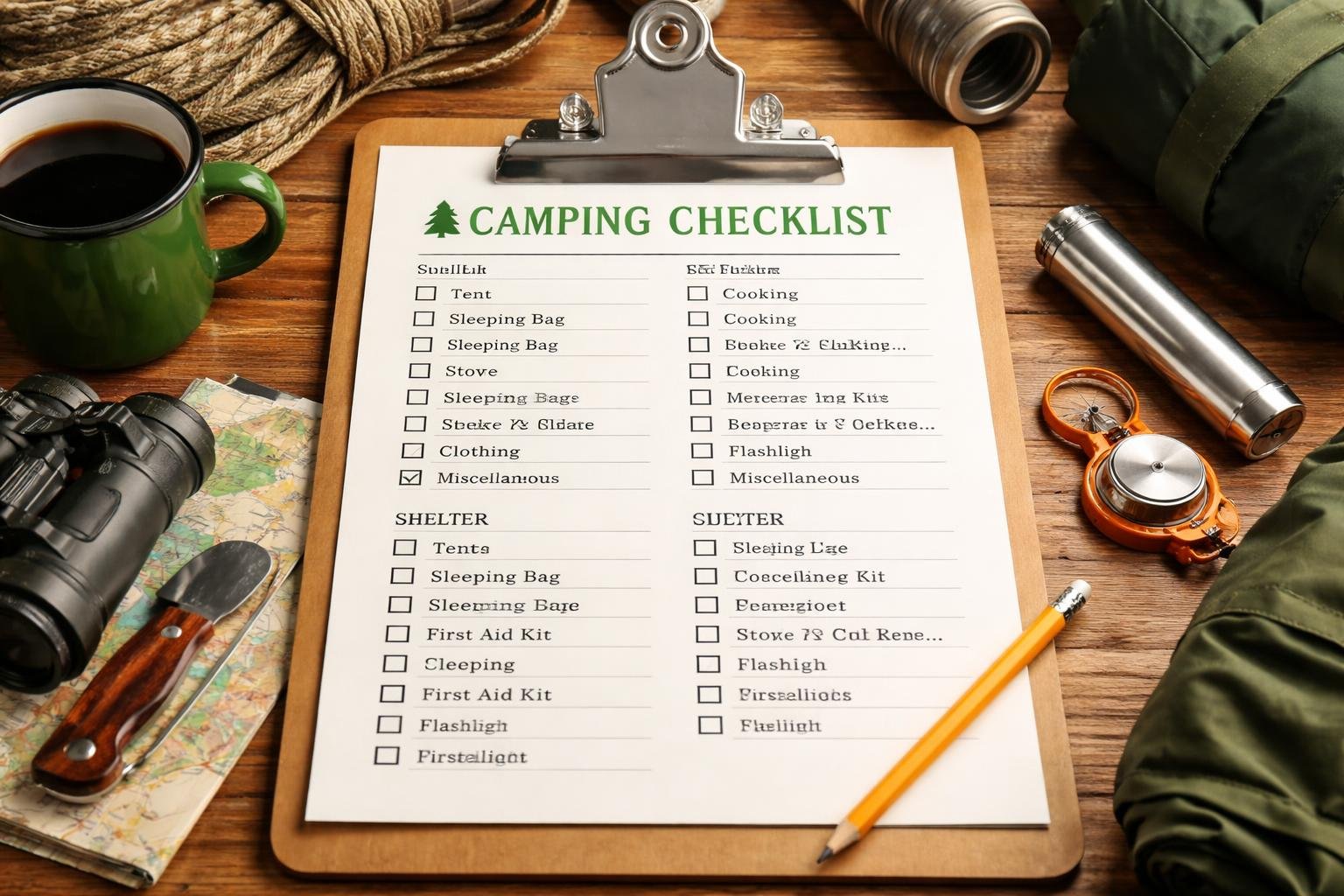
Printable Camping Packing Checklist
Having a printable camping packing checklist provides a tangible guide to ensure you have everything you need for your camping trip. This all-encompassing gear checklist covers every category, from your camping tent and sleep gear to your camp kitchen essentials and personal items, making the packing process systematic and stress-free. Tick off each item as you pack, making your first time camping a success by preventing last-minute rushes or forgotten necessities.
- Camping Tent (appropriate size and season rating)
- Tent Footprint or Tarp: Key camping equipment to protect your tent and enhance your camping style.
- Sleeping Bag (temperature rated for your trip)
- Sleeping Pad
- Camping Pillow
- Camp Stove and Fuel: Important camping essentials for cooking warm meals while enjoying the great outdoors.
- Camping Cookware (pot, pan)
- Eating Utensils, Plates, Bowls, Mugs
- Cooler with Ice/Ice Packs
- Water Bottles or Hydration Reservoir: Crucial camping must-haves to keep you hydrated during your outdoor adventures.
- Water Filter/Purifier (if needed): An essential item that can make a significant difference in backcountry camping.
- First Aid Kit
- Headlamp or Flashlight with Extra Batteries
- Multi-Tool or Knife
- Map and Compass/GPS
- Sunscreen
- Insect Repellent
- Biodegradable Toiletries
- Toilet Paper (and trowel for digging cat holes)
- Trash Bags (pack it in, pack it out)
- Appropriate Clothing Layers (base, mid, outer waterproof)
- Hiking Boots or Sturdy Shoes
- Camp Shoes or Sandals
- Hat and Gloves (for cooler weather)
- Rain Gear (jacket and pants)
- Camping Chairs: Comfortable seating is a must-have for any camping style, allowing you to relax by the fire.
- Camp Table (if not provided by picnic table)
- Firewood (if allowed and purchased locally)
- Fire Starter/Lighter
- Camp Lantern
- Camera
- Portable Power Bank
- Books, Games, or other Entertainment: Great for camping with kids to keep them engaged during downtime at the campsite.
- ID, Wallet, Important Documents
Camping Checklist by Camping Style
| Camping Type | Must-Have Items |
|---|---|
| Car Camping | Large tent, cooler, camp chairs |
| Tent Camping | Lightweight gear, sleeping pad |
| Family Camping | Extra sleeping bags, games |
| Solo Camping | Emergency beacon, compact stove |
| Weekend Camping | Basic checklist only |
| Cold Weather Camping | 4-season tent, insulated pad |
Final Tips for a Successful Camping Trip
Beyond the essential item checklist, a few beginner camping tips can significantly enhance your outdoor adventure. Always research your chosen campground thoroughly, understanding rules regarding campfires, water sources, and wildlife. Practice setting up your camping tent and using your camp stove at home before your first time camping to build confidence. Embrace the unknown, be flexible, and remember that the goal of every camping trip is to connect with nature and create lasting memories, making your journey into the great outdoors truly unforgettable.
Printable Camping Essentials Checklist
Shelter
- Tent
- Footprint
- Stakes
- Mallet
Sleeping
- Sleeping Bag
- Sleeping Pad
- Pillow
Cooking
- Camp Stove
- Fuel
- Cookware
- Cooler
Safety
- First Aid Kit
- Flashlight
- Multi-tool
Clothing
- Base Layers
- Rain Jacket
- Hiking Boots
- Extra Socks
Personal
- Toiletries
- Sunscreen
- Insect Repellent
Camping Checklist at a Glance
Use this quick-reference table to make sure you’ve packed the most important camping essentials before heading to the campsite.
| Category | Essential Items |
|---|---|
| Shelter | Tent, Footprint/Tarp, Tent Stakes, Mallet |
| Sleeping Gear | Sleeping Bag, Sleeping Pad, Camping Pillow, Sleepwear |
| Camp Kitchen | Camp Stove, Fuel, Cookware, Utensils, Cooler, Water Jug |
| Safety & Navigation | First Aid Kit, Headlamp, Flashlight, Multi-Tool, Map, Compass or GPS |
| Clothing | Base Layers, Fleece Jacket, Rain Gear, Hiking Boots, Extra Socks |
| Personal Items | Toiletries, Sunscreen, Insect Repellent, Medications, Towel |
| Campsite Comfort | Camp Chairs, Camp Lantern, Camp Table, Power Bank |
| Food & Water | Drinking Water, Snacks, Meal Ingredients, Food Storage Containers |
| Emergency Supplies | Extra Batteries, Fire Starter, Whistle, Emergency Contacts |
| Entertainment | Books, Journal, Cards, Camera, Family Games |
Quick Tip
If you’re camping for the first time, focus on the five core categories first: Shelter, Sleeping Gear, Camp Kitchen, Safety Supplies, and Clothing. These essentials will have the biggest impact on your comfort, safety, and overall camping experience.
Common Beginner Camping Mistakes at a Glance
| Mistake | Result |
|---|---|
| Choosing wrong tent | Poor weather protection |
| Forgetting sleep gear | Bad sleep |
| Skipping camp kitchen | Limited meals |
| No first aid kit | Safety risks |
| Overpacking | Heavy gear |
| Ignoring weather | Discomfort |
| No checklist | Forgotten essentials |
Frequently Asked Questions
What should a beginner bring camping?
A beginner should bring a tent, sleeping bag, sleeping pad, camp stove, cooking supplies, weather-appropriate clothing, a first aid kit, lighting, water storage, and personal hygiene items.
What should I not forget when camping?
The most commonly forgotten camping essentials include tent stakes, a flashlight or headlamp, extra batteries, a first aid kit, insect repellent, sunscreen, and weather-appropriate clothing.
How much camping gear does a beginner need?
Most beginners only need the basics: shelter, sleep gear, cooking equipment, safety supplies, and suitable clothing. Start with essential gear and add extras as you gain experience.
Is camping expensive for beginners?
Camping can be very affordable. A basic beginner camping setup typically costs between $200 and $600, depending on the quality of gear and whether you buy new or used equipment.
What type of tent is best for first-time campers?
A freestanding dome tent is often the best choice for beginners because it is easy to set up, affordable, and provides reliable protection in most camping conditions.
How many days should a beginner camp?
A one- or two-night camping trip is ideal for beginners. It allows you to gain experience without committing to a longer adventure.
Can beginners camp without a camp stove?
Yes, beginners can camp without a stove by bringing ready-to-eat foods or using campground grills. However, a camp stove makes meal preparation much easier and more enjoyable.
What food is best for beginner campers?
Simple meals such as sandwiches, oatmeal, pasta, hot dogs, trail mix, fruit, and energy bars are excellent choices because they are easy to prepare and require minimal cooking equipment.
How do I stay warm while camping?
Use a temperature-rated sleeping bag, an insulated sleeping pad, warm clothing layers, and dry socks. Staying dry is one of the most important factors in staying warm outdoors.
What is the most important camping essential?
A reliable shelter is the most important camping essential. A quality tent protects you from weather conditions and provides a safe, comfortable place to sleep.
Recommendation Summary
Best Advice for First-Time Campers
If you’re preparing for your first camping trip, focus on the essentials that have the biggest impact on comfort, safety, and enjoyment:
✅ Choose a reliable, weather-appropriate tent
✅ Bring a sleeping bag rated for expected temperatures
✅ Use an insulated sleeping pad for warmth and comfort
✅ Pack a well-stocked first aid kit
✅ Check the weather forecast and pack proper clothing layers
✅ Create and follow a complete camping checklist before leaving home
By avoiding the seven common mistakes covered in this guide, you’ll be better prepared for a safe, comfortable, and memorable camping experience. Start with the basics, keep your gear simple, and build your camping setup as you gain experience.
Before Your First Trip
Before heading to the campsite, make sure you have these beginner camping essentials:
✅ Reliable Tent
✅ Sleeping Bag
✅ Sleeping Pad
✅ Camp Stove
✅ First Aid Kit
These five items provide the foundation for a safe, comfortable, and enjoyable camping experience.
👉 See our recommended beginner camping gear here and choose equipment that fits your budget, camping style, and expected weather conditions.
Conclusion: Camping Checklist for Beginners
Your first camping trip doesn’t have to be complicated or stressful. With the right preparation and a well-organized camping checklist, you can avoid the most common beginner mistakes and focus on enjoying the experience. From choosing the right tent and sleep gear to packing a first aid kit and preparing for changing weather conditions, every item on your checklist plays an important role in keeping you safe, comfortable, and confident outdoors.
Remember that successful camping isn’t about bringing the most gear it’s about bringing the right gear. Start with the essentials, plan ahead, and use this checklist as your guide before every trip. As you gain experience, you’ll discover what works best for your camping style and can customize your packing list accordingly.
Whether you’re planning a weekend getaway, a family camping adventure, or your very first night under the stars, proper preparation will help you spend less time worrying about forgotten items and more time creating unforgettable memories in the great outdoors. Pack smart, stay prepared, and enjoy every moment of your camping journey.