I’ve woken up to the sound of a black bear rearranging my “secure” campsite more times than I care to admit. It’s a humbling, heart-pounding experience that usually ends with a ruined cooler and a very long, hungry hike back to the trailhead. Trust me, nothing ruins the vibe of a pristine wilderness morning like realizing your breakfast is currently being enjoyed by a 300-pound local.
Look, the truth is that knowing how to store food when camping isn’t just about keeping your bacon cold anymore. As we head into the 2026 season, the “old ways” aren’t cutting it. Wildlife is getting smarter, and trails are more crowded than ever.
While most people just toss a bungee cord over a plastic bin, the real pros are focusing on common camping food mistakes to avoid, like neglecting scent-proof liners or failing to pre-chill the insulation. If you’re just starting out, finding the best budget bear canisters for beginners is a game-changer that keeps both you and the critters safe without draining your gas money.
I’m going to level with you: most of the advice out there is outdated. Here’s the kicker I’ve distilled years of trail-tested wins and messy failures into these food storage hacks for 2026. By the time you finish this, you’ll have a foolproof system that keeps your steaks frozen and the bears at bay.
Let’s dive into the gear that actually works.
👉 Choosing a tent? Don’t miss this beginner’s guide to pick the perfect one!
Understanding Food Storage When Camping
Importance of Storing Food Properly
The importance of storing food properly while camping cannot be overstated, as it directly impacts both human health and ecological well-being. Proper food storage for camping prevents the spoilage of perishable items, safeguarding campers from foodborne illnesses that could severely disrupt a trip.
Beyond human considerations, effective food storage is crucial for maintaining the natural integrity of the campsite and surrounding wilderness. When campers fail to secure their food, it attracts wild animals, including black bears and other wildlife, to human food sources, potentially leading to habituation and nuisance behaviors, which is why you must don’t leave food unattended. This can create dangerous encounters for both animals and future campers, underscoring the necessity to keep food secure and inaccessible, particularly from bears and raccoons.
👉 Going ultralight? Discover the best backpacking tents in this quick guide!
Challenges of Food Storage in the Wilderness
Storing food in the wilderness presents a unique set of challenges that require careful planning and execution, especially when considering the rules and regulations for food storage. Unlike the controlled environment of a home kitchen, a campsite is exposed to variable temperatures, humidity, and the ever-present threat of curious animals. Campers must contend with keeping perishable items fresh without constant refrigeration, which often necessitates the use of high-quality coolers for car camping scenarios or specialized backpacking food that requires no refrigeration.
Furthermore, the odors from human food can attract a wide array of wildlife, from rodents to large predators like bears, making it imperative to employ bear-proof food storage methods in bear country, as recommended by the interagency grizzly bear committee. The constant vigilance required to ensure food is never left unattended is a significant aspect of responsible camping food storage.
Dirty tent? Clean it in 15 minutes follow this fast, easy guide!
Different Types of Camping Scenarios
The appropriate methods for camping food storage vary significantly depending on the type of camping or backpacking trip undertaken. For instance, car camping at a developed campground often allows for more robust solutions, such as large coolers and even dedicated food storage boxes or bear boxes where provided to store eggs and other perishables. In these scenarios, campers can bring a wider variety of food for camping, including more perishable items, as they have greater capacity to store your food safely.
Conversely, backpackers on an extended trip must prioritize lightweight and compact solutions, often relying on bear canisters or bear bags to hang their food in national forest areas. Dispersed camping, without amenities, demands heightened self-reliance and meticulous adherence to proper food storage principles to protect your food from both spoilage and wildlife, especially bears.
👉 New to camping? Learn how to pitch your tent step-by-step in minutes!
Best Practices for Storing Food in a Camp
Choosing the Right Camping Food Storage Containers
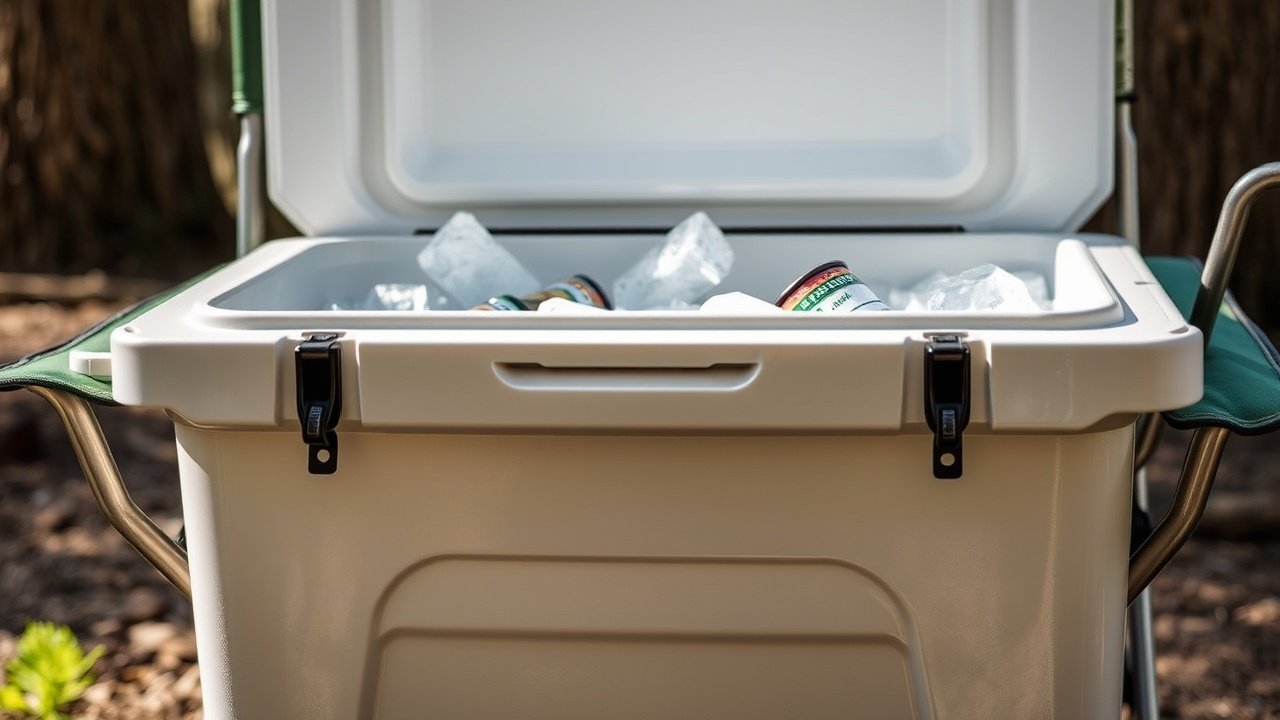
Selecting the appropriate food storage containers is a foundational aspect of effective camping food storage, ensuring both the longevity of your provisions and the safety of the campsite. For car camping, Durable, insulated coolers are indispensable for keeping perishable items at safe temperatures, ensuring they are kept cool during your camping trip., especially when aiming to keep your food fresh over several days.
Modern coolers offer superior ice retention, reducing the frequency with which you need to replenish ice for your camping or backpacking food. Backpackers, on the other hand, must prioritize lightweight and compact solutions, such as bear canisters or durable, sealable bags that can be easily packed and hung. Regardless of the type of food or camping scenario, all containers should be robust enough to prevent wild animals from getting into your food, including bear-resistant options, and to contain any odors.
👉 Is tent camping safe? Learn must-know safety tips before your next trip!
How to Keep Your Food Fresh
Maintaining food freshness is a critical challenge when camping, requiring careful planning and execution of proper food storage techniques. For car camping, maximizing the efficiency of your cooler is key; pre-chilling the cooler and its contents, using block ice rather than cubes, and minimizing opening the lid will significantly extend the life of perishable foods. When backpacking, opt for dehydrated or freeze-dried meals that require no refrigeration and have a long shelf life, making them ideal for food storage while camping, especially when combined with water bottles for hydration.
All food, whether fresh or packaged, should be stored in airtight containers to prevent moisture absorption and deter small rodents and insects. Furthermore, always separate raw meats from other foods to prevent cross-contamination, a crucial step in following proper food safety guidelines to protect your food from spoilage.
👉 Nemo Hornet OSMO or Tiger Wall UL2? See which backpacking tent wins!
Using Bear-Proof Solutions
In bear country, employing bear-proof solutions for storing food is not merely a recommendation but a critical safety imperative for both campers and wildlife. The primary goal is to prevent black bears and other wild animals from associating human food with campsites, thereby avoiding nuisance behaviors and dangerous encounters. Bear canisters, which are hard-sided, lockable containers, are often required in national forest areas and are considered the most reliable method for backpackers to store food when camping, according to IGBC standards.
For car camping, dedicated bear boxes, if available at the campground, provide a secure option. If not, all camping or backpacking food, including scented toiletry items, should be stored inside a locked vehicle, ensuring no food or odorous items are left unattended. Never leave your food out or cook food and then leave it exposed, as this invites unwanted animal visitors like raccoons and puts future campers at risk.
👉 Packing your tent? Learn the smartest backpacking methods here!
Strategies for Storing Camping Food
Storing Food at Your Campground
Effective food storage while camping at your campsite is crucial for a safe and enjoyable camping experience, encompassing more than just securing provisions from wildlife. It begins with strategic placement, ensuring all food, cooking supplies, and even scented toiletries are consolidated in one designated area, separate from your sleeping quarters to avoid attracting wild animals.
For car camping, this often means utilizing a high-quality cooler for perishable items and a sturdy, sealed container for dry goods, all placed in a location where you can easily monitor them. Always remember to never leave food unattended, especially after cooking, as the lingering odors can draw curious critters. Maintaining a clean campsite, free from crumbs and food scraps, is equally important to deter small rodents and insects from getting into your food.
👉 Confused about tent weight? Understand trail vs packaged weight now!
Car Camping vs Backpacking Food Storage
The approach to food storage varies significantly between car camping and backpacking, primarily due to constraints on weight, space, and access to amenities, emphasizing the need for bear-resistant options in both scenarios. For car camping, campers benefit from the ability to bring larger quantities of food and heavier, more robust storage solutions, including metal bear-proof containers.
A substantial cooler is essential for keeping perishable items fresh, supplemented by sealable bins or food storage boxes for non-perishables, all ideally stored within a locked vehicle or a provided bear box at the campground. Conversely, backpacking demands a lightweight and compact strategy. Backpackers must prioritize shelf-stable, calorie-dense foods and rely on bear bags or a bear canister to store food when camping. The decision to use a bear canister or a bear bag often depends on regulations in national forest areas and the prevalence of black bears.
👉 Tired of a wet tent? Stop condensation and stay dry on every trip!
Using Bear Bags Effectively
Employing a bear bag effectively is a critical skill for backpackers, particularly when camping in bear country where bear canisters may not be mandatory or practical due to weight. The primary goal is to hang your food and all scented items including toiletries and trash at least 10-15 feet off the ground and 4-6 feet away from the tree trunk, making it inaccessible to black bears and other wild animals.
Proper food storage with a bear bag involves using a sturdy rope and a durable, odor-proof bag to hang a bag high in the trees, ensuring no human food odors escape. It’s vital to choose a strong branch capable of supporting the weight of your food without breaking. While bear bags offer a practical solution for backpacking food storage, constant vigilance and adherence to proper food handling are still necessary to keep food secure and protect your food from opportunistic wildlife.
Maintaining a Clean Campsite
Tips to Keep Your Area Clean
Maintaining a pristine campsite is fundamental to responsible camping food storage and an overall harmonious outdoor experience, extending beyond merely securing your food to following the rules and regulations of the area. It involves a proactive approach to cleanliness, ensuring that no crumbs, spills, or food scraps are left behind, which could attract wild animals to your camping area. Always clean up immediately after cooking and eating, wiping down surfaces, and sweeping away any dropped food.
Proper food disposal, even for small items, is crucial; avoid tossing food waste into the bushes, as this directly undermines efforts to keep your campsite free from pests and larger critters, especially bears. A clean camp discourages nuisance animals and ensures that the natural environment remains undisturbed for all to enjoy, making every camping trip safer and more pleasant.
👉 Curious about hot tent camping? Explore the 2026 ultimate guide now!
Dealing with Waste and Leftover Food
Effectively dealing with waste and leftover food is a critical component of proper food storage and campsite hygiene, particularly when trying to keep food secure from wild animals. All food waste, including uneaten portions, wrappers, and even food-soiled paper towels, must be stored in odor-proof bags and then placed within a bear canister, a bear box, or a locked vehicle, especially in bear country.
Never leave food unattended, not even for a moment, as opportunistic animals can quickly raid an exposed meal. For car camping, investing in a robust cooler for perishables and sealed containers for dry goods, all designed to contain odors, is essential. When backpacking, minimize waste by planning meals carefully and packing out everything you pack in, ensuring no human food residue is left to attract wildlife.
👉 Upgrade your camp setup discover must-have tent accessories now!
Respecting Wildlife and Nature
Respecting wildlife and nature is the overarching principle that underpins all aspects of responsible camping food storage, which includes keeping critters like raccoons well away from your provisions. The goal is to prevent black bears and other wild animals from associating human food with campsites, thereby mitigating habituation and dangerous encounters. This means diligently employing bear-proof methods, whether it’s storing food in a bear canister for backpacking, using a bear box at a developed campground, or keeping all food secure in a locked vehicle during car camping.
Never feed wild animals, intentionally or unintentionally, and always store your food, cooking equipment, and even scented toiletry items safely. By consistently following proper food storage guidelines, campers protect both the delicate ecosystem and future visitors from potential nuisance animals, ensuring that the wilderness remains wild and untamed.
👉 Skip the poles explore the best inflatable tents for stress-free camping!
FAQ’s
1. How should you store food while camping?
Store food in airtight, sealed containers away from your sleeping area.
2. Why is proper food storage important when camping?
It prevents attracting wildlife and keeps food fresh and safe.
3. Should you keep food inside your tent?
No, always store food outside to avoid animals entering your tent.
4. What is the best way to store food in bear country?
Use bear canisters or hang food from a tree at a safe height.
5. How far should food be stored from your campsite?
At least 100 feet (30 meters) away from your tent.
6. Can coolers be used for camping food storage?
Yes, coolers help keep perishable food fresh for longer periods.
7. How do you keep food dry while camping?
Use waterproof bags or dry sacks to protect from moisture.
8. What foods are best for camping trips?
Non-perishable, lightweight, and easy-to-cook foods are ideal.
9. How do you prevent animals from smelling your food?
Use odor-proof bags and seal all food items tightly.
10. What is the safest camping food storage method?
Using airtight containers and keeping food away from your tent is the safest approach.
Conclusion: How to Store Food when Camping
Knowing how to store food while camping keeps your meals safe, wildlife-free, and your campsite pleasant. Use insulated coolers, airtight containers, and resealable bags to protect perishables and prevent odors. In bear country, carry certified bear canisters or hang food at least 10–15 feet off the ground and away from trees.
Keep food and cooking gear separate from sleeping areas, clean up promptly after meals, and dispose of waste properly. Plan portions to minimize leftovers and use nonperishables when possible. Following local regulations and common-sense hygiene reduces risk and makes trips more enjoyable. With simple preparation and consistent habits, you can preserve food quality and protect both campers and nature.