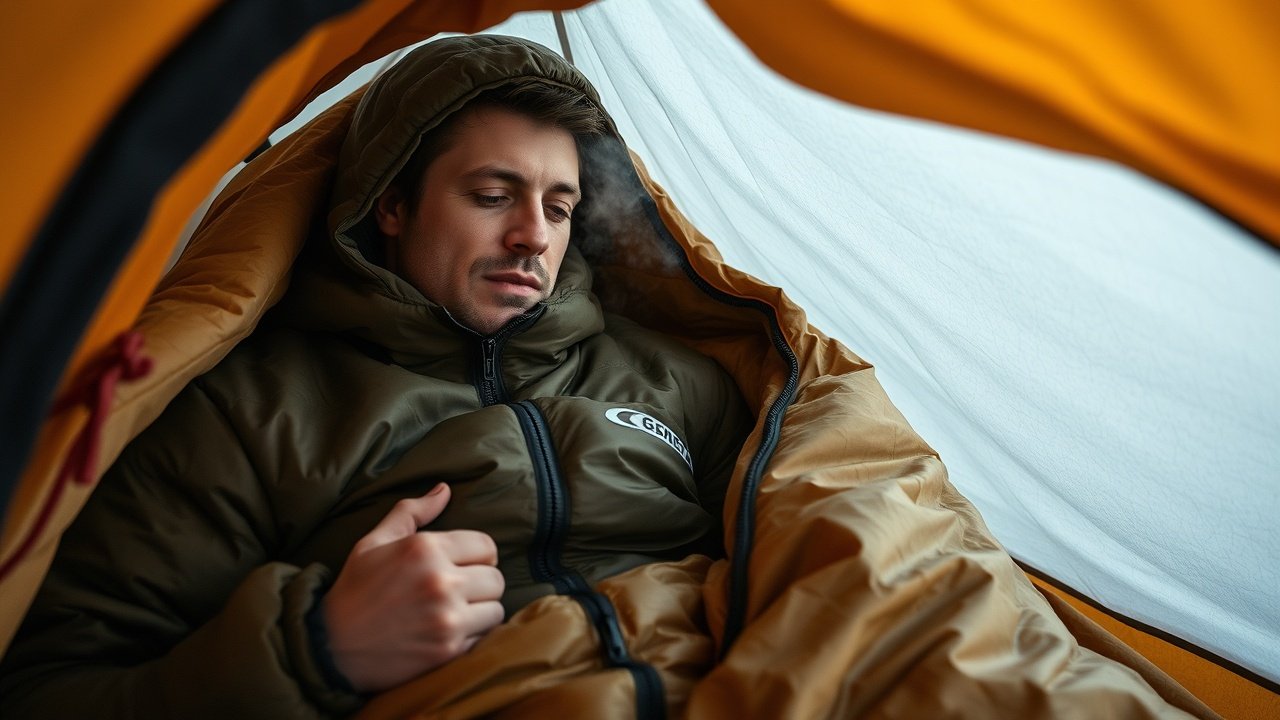
I’ve spent nights in freezing valleys where my breath turned to fog inside the tent. I’ve also made rookie mistakes I wouldn’t wish on anyone. Look, camping cold isn’t just uncomfortable. It messes with your judgment fast. Shivering at 2 a.m. changes everything. Fast.
The truth is, Stay Warm While Camping matters more in 2026 than ever. Weather swings are wilder, gear choices are overwhelming, and people still rely on outdated advice. While most search for best budget sleeping bags for beginners, the real win is learning winter camping hacks for 2026 that actually hold up in real storms.
And here’s the kicker common layering mistakes to avoid are still what ruin most trips. I’ve seen expensive setups fail because of one wrong base layer choice. Even ultralight insulation tips are being ignored by beginners chasing weight savings over warmth.
I’ll be honest with you, the fix isn’t complicated. It’s knowing what actually works when temperatures drop and patience runs out. In the next sections, I’ll show you exactly how to Stay Warm While Camping without overpacking or overspending. No fluff. Just field-tested systems, smart layering, and gear choices that survive real cold nights. Stick with me, and by the end you’ll walk into your next trip confident you won’t freeze again. Let’s get into it.
“How to Stay Warm While Camping (Quick Answer)”
Give a short bullet list like:
- Use a high R-value sleeping pad
- Wear moisture-wicking base layers
- Use a down/synthetic sleeping bag rated for lower temps
- Block wind with proper tent setup
- Eat a hot meal before bed
❄️ Common Cold Camping Mistakes That Make You Freeze
Most people don’t actually “fail” at cold-weather camping because of bad gear they fail because of small, avoidable mistakes that quietly drain body heat all night. Fixing these can make a bigger difference than upgrading expensive equipment.
1. Wearing Cotton as a Base Layer
Cotton is one of the fastest ways to lose heat in cold conditions. It absorbs sweat and holds moisture against your skin, which makes you feel colder the moment you stop moving. Once it’s damp, it stops insulating completely.
👉 Use merino wool or synthetic moisture-wicking layers instead.
2. Skipping Proper Sleeping Pad Insulation
Many beginners focus only on Sleep sacks and ignore what’s underneath them. The cold ground pulls heat away from your body through constant contact.
Without a high R-value sleeping pad, even a premium Sleep sack won’t keep you warm enough.
👉 Think of the sleeping pad as your “floor insulation” not optional, but essential.
3. Overdressing Inside Your Sleeping Bag
It feels logical to wear all your warm clothes to bed, but this often backfires. Too many layers can trap sweat, and damp clothing leads to faster cooling during the night.
👉 Instead, use a dry base layer and let your insulated bag do the insulation work.
4. Ignoring Moisture and Condensation
Cold shelters naturally collect moisture from breathing and body heat. If your gear gets damp overnight, insulation performance drops significantly.
👉 Always allow slight ventilation even in winter to manage humidity.
5. Poor Tent Placement in Windy Areas
Setting up in an exposed area or facing the shelter door into the wind creates constant heat loss all night. Even a good camping shelter can feel freezing if it’s positioned badly.
👉 Always use natural windbreaks like trees, rocks, or terrain dips.
6. Not Eating Enough Before Sleep
Your body is a heater it needs fuel. Sleeping cold often comes from low calorie intake, especially in cold environments where your body burns more energy.
👉 Eat a warm, high-calorie meal before bed (soups, carbs, fats).
7. Going to Bed Cold Instead of Warm
If you enter your insulated bag already cold, it takes hours to warm up if it happens at all.
👉 Warm up first with light movement, a hot drink, or a hot water bottle before sleeping.
Understanding Cold-Weather Camping
The Importance of Staying Warm
Staying warm while camping in colder temperatures is not merely about comfort; it is crucial for your safety and overall well-being. Prolonged exposure to low temperatures can lead to hypothermia and frostbite, which are serious health risks that can turn an enjoyable camping experience into a dangerous situation.
Ensuring you can effectively keep warm helps maintain your core body temperature, preventing the detrimental effects of cold on your physiological systems. Proper insulation and warmth significantly contribute to a restful night’s sleep, allowing you to fully rejuvenate for the next day’s activities.
Common Challenges of Camping in Cold Weather
Camping in cold weather presents unique challenges that every camper must address to stay warm. One primary concern is the significant heat loss from your body to the environment, particularly through conduction to the cold ground and convection from cold air.
Managing condensation inside your shelter is another hurdle, as moisture can dampen gear and reduce its insulating properties, making it harder to Retain heat. Dehydration can also become a subtle issue in colder climates, despite the lack of obvious sweating, further impacting your body’s ability to regulate its temperature.
Essential Gear for Cold Camping
To effectively Retain heat while camping in cold conditions, selecting the right gear is paramount. Your essential equipment should include a high-quality insulated bag with a temperature rating appropriate for the expected lows, and a sleeping pad with a high R-value to insulate you from the cold ground.
Layered clothing, starting with a merino wool base layer, is critical for adaptable warmth. A warm hat, insulated gloves, and wool socks are also indispensable to prevent heat loss from extremities, ensuring you can keep warm even when the temperature drops significantly.
🏕️ Best Cold Weather Camping Gear Picks
If your goal is to Retain heat in freezing conditions, don’t just buy random gear. You need a complete warmth system: Sleep sack + sleeping pad + tent working together.
Below are Amazon-available, proven cold-weather gear picks used by winter campers and backpackers.
🛌 Best Winter Sleeping Bags
Your sleeping bag is your main heat trap. Focus on temperature rating + insulation type + draft control.
🥇 Best Overall Winter Sleeping Bag
Kelty Cosmic 0 Degree Sleeping Bag
A highly popular Amazon winter Sleep sack built for real sub-freezing camping conditions with strong insulation and reliable warmth retention.
Why it converts well:
- True 0°F rating (winter-ready)
- Down insulation for better warmth-to-weight
- Budget-friendly vs premium expedition bags
👉 Best for: Winter backpacking, cold nights, beginner to intermediate campers
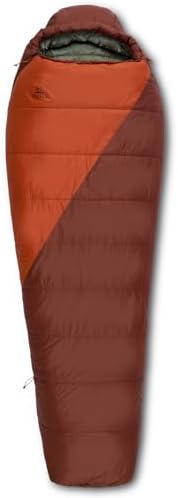
- nylon
- Imported
- 0 Degree Temp Rating, Long Size: Fits sleepers up to 6ft 6in, fill weight 60oz, total weight 4lbs 11oz, stuff size (non-…
💰 Best Budget Winter Sleeping Bag
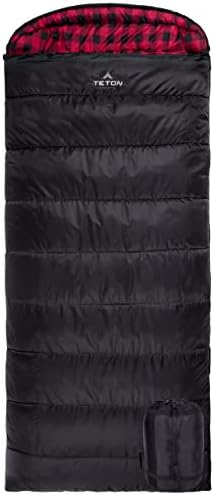
Teton Sports Celsius XXL Sleeping Bag
One of the most purchased budget cold-weather sleeping bags on Amazon, designed for car camping and heavy cold use.
Why it sells:
- Oversized comfort design
- Affordable winter protection
- Works well with layering systems
👉 Best for: Car camping, beginners, budget setups
- Taffeta
- Imported
- SLEEP COMFORTABLY: You’ll forget you’re camping with these comfortable sleeping bags! With a soft poly-flannel lining an…
🆚 Sleeping Bag Comparison
| Feature | Kelty Cosmic 0°F | Teton Celsius XXL |
|---|---|---|
| Temperature Rating | 0°F | ~0°F comfort range |
| Insulation Type | Down | Synthetic |
| Weight | Lighter | Heavier |
| Packability | Compact | Bulky |
| Best Use | Backpacking | Car camping |
👉 Simple rule:
- Backpacking → Kelty Cosmic
- Budget + comfort → Teton Celsius
🧊 Best Sleeping Pads for Cold Weather
A sleeping bag alone won’t keep you warm. The ground steals heat faster than cold air.
🥇 Best Overall Winter Sleeping Pad
NEMO Tensor Insulated Sleeping Pad
A high-performance insulated pad designed for serious cold-weather backpacking.
Why it’s essential:
- High R-value insulation (winter ready)
- Lightweight for backpacking
- Prevents major heat loss to frozen ground
👉 Best for: Snow camping, winter backpacking

- Nylon
- Two layers of floating Thermal Mirror metallized film provide quiet insulation with an unprecedented weight-to-warmth ra…
- Impressively quiet for uninterrupted sleep (and happy neighbors).
💰 Best Budget Sleeping Pad
Therm-a-Rest Z Lite Sol Sleeping Pad
A legendary foam pad used worldwide as a backup winter insulation layer.
Why it works:
- Zero failure risk (no air leaks)
- Can be used under inflatable pad
- Adds instant insulation boost
👉 Best for: Budget campers, emergency backup warmth

- Lightweight and compact closed-cell foam camping mattress is a durable, dependable, and economical option for sleeping o…
- Trusted by mountaineers and backpackers for generations, the classic pad features folding accordion-style construction t…
- Reflective ThermaCapture coating and heat-trapping dimples capture radiant heat, increasing overall warmth by 20 percent…
🆚 Sleeping Pad Comparison
| Feature | NEMO Tensor Insulated | Therm-a-Rest Z Lite Sol |
|---|---|---|
| Comfort | High | Basic |
| Warmth (R-value) | High | Medium |
| Durability | High | Extremely high |
| Weight | Lightweight | Ultralight foam |
| Best Use | Primary winter pad | Backup / layering |
👉 Pro strategy: Use BOTH together in extreme cold
⛺ Best Winter Tent (Amazon US)
Your tent doesn’t heat you it blocks wind and traps body heat.
🥇 Best Overall 4-Season Tent
MSR Remote 2 Four-Season Tent
A serious expedition-grade tent designed for snow, wind, and extreme winter conditions.
Why it converts:
- True 4-season protection
- Strong wind + snow resistance
- Trusted alpine performance
👉 Best for: Snow camping, harsh winter environments

- [rainfly] 68D polyester ripstop
- Made in the USA or Imported
- Robust Design: Unique central-support frame combines with ultra-durable Easton Syclone Poles to withstand severe conditi…
🧠 Final Buying Strategy (Important)
Don’t think in single products think in systems:
🥇 Priority Order:
- Sleeping Pad (MOST IMPORTANT for warmth)
- Sleeping Bag
- Tent
💡 Simple Truth Most Beginners Miss
❄️ A cheap sleeping bag + great insulation pad keeps you warmer
than a premium sleeping bag + bad ground setup.
Choosing the Right Tent for Warmth
Features to Look for in a Winter Tent
When selecting a tent for cold-weather camping, prioritizing features that enhance warmth and protection is essential to stay cozy in a tent. Look for tents designed specifically for four-season use, as these typically have stronger poles and more robust fabrics to withstand heavy snow and strong winds.
Minimal mesh on the tent body helps to reduce cold air infiltration and retain more body heat inside your Shelter, which is crucial for maintaining a warmer interior. A tent with a full-coverage rainfly that extends close to the ground provides better insulation and protection from drafts, helping to keep you warm throughout the night.
How to Properly Pitch Your Tent
Properly pitching your tent is a critical step in creating a warm and sheltered campsite. Choose a location that offers natural protection from wind, such as behind a stand of trees or a large rock formation, to minimize exposure to cold air. Ensure your Shelter is tautly pitched to prevent flapping, which can cause heat loss and structural instability in windy conditions.
Orienting the tent entrance away from the prevailing wind can significantly reduce drafts, helping you to stay warm inside your tent. Additionally, clearing snow and debris from the Shelter footprint before pitching provides a flatter and more insulated base.
Using Tent Accessories for Extra Insulation
To further enhance the warmth inside your Shelter, consider utilizing various Shelter accessories for extra insulation. A ground tarp or footprint placed underneath your camping Shelter adds an additional layer of protection against the cold ground, reducing conductive heat loss.
Inside, laying down a reflective foam pad or an extra closed-cell foam pad can create another barrier, further increasing the overall R-value of your sleeping system and helping you stay cozy. Some campers even employ an internal Shelter liner or an emergency blanket draped over the inner Shelter walls to create a radiant barrier, trapping more body heat and making your sleeping area significantly warmer.
Layering Your Clothing for Maximum Warmth
To truly Retain heat while camping in cold weather, a strategic approach to layering your clothing is indispensable. This method traps air between layers, creating effective insulation that helps maintain your body temperature, even when the ambient air is quite chilly.
Proper layering allows you to adapt to fluctuating temperatures throughout your camping trip, enabling you to add or remove items to prevent overheating or getting cold. It’s a fundamental principle for any successful cold-weather camping experience.
Base Layers: What to Wear Inside Your Sleeping Bag
Your base layer is the first line of defense against the cold, and what you wear inside your sleeping bag is critical. Opt for moisture-wicking materials like merino wool or synthetic fabrics; these effectively draw sweat away from your skin, preventing the clammy, cold sensation that can lead to significant heat loss.
Avoid cotton at all costs for your base layer, as it can lead to cold feet and increased heat loss., as it absorbs moisture and loses all insulating properties when wet, making it incredibly difficult to stay cozy. A good base layer is essential to keep you warm throughout the night.
Insulating Layers: Keeping Heat In
The insulating layers are designed to trap body heat, providing the bulk of your warmth. Fleece, down, or synthetic puffy jackets and pants are excellent choices for this purpose. These layers work by creating air pockets that significantly reduce conductive and convective heat loss from your body, helping to maintain your core temperature.
When choosing your insulation, consider packability and weight, especially if you are backpacking. A robust insulating layer will ensure you stay cozy, even during extended periods of inactivity at your campsite.
Outer Layers: Protecting Against the Elements
Your outer layer, also known as the shell, provides protection from wind, rain, and snow, which are critical factors that can make you get cold quickly. This layer should be waterproof and windproof, but also breathable to keep you warm and dry. to prevent condensation from building up inside your clothing, which could compromise your insulation.
While it doesn’t primarily provide warmth through insulation, by shielding you from the elements, it allows your inner layers to perform optimally, ensuring you Retain heat in harsh conditions during your winter camping adventure.
Optimizing Your Sleeping System
To genuinely stay cozy while camping in cold weather, consider using a three-season shelter or a four-season tent for added protection. your sleeping system needs careful consideration and optimization.
It’s not just about the sleeping bag; every component plays a crucial role in preventing heat loss to the cold ground and ambient air. A well-designed sleeping system acts as a personal cocoon, trapping your body heat and ensuring you don’t wake up cold, even on the most frigid nights of your camping trip.
Choosing the Right Sleeping Bag for Cold Weather
Selecting a sleeping bag with an appropriate temperature rating is perhaps the most critical decision for staying warm while camping. Look for a bag rated at least 10-20 degrees Fahrenheit lower than the coldest temperature you anticipate.
Down sleeping bags offer excellent warmth-to-weight ratio and compressibility, while synthetic bags perform better when wet. Consider a sleeping bag liner for extra warmth and to keep your sleeping bag clean, further enhancing your ability to stay cozy.
The Importance of a Sleeping Pad
Many campers underestimate the importance of a sleeping pad, yet it’s vital for preventing heat loss to the cold ground through conduction. Your sleeping bag compresses under your body weight, reducing its insulation, so a A high R-value sleeping pad is crucial for maintaining your core temperature during cold nights..
Aim for an R-value of 4 or higher for cold-weather camping to ensure you stay warm and dry. A foam pad or an inflatable sleeping pad with good insulation will effectively insulate you from the chilly ground, helping your body heat to stay put.
Using Hot Water Bottles and Hand Warmers
For an extra boost of warmth when you go to bed, incorporate hot water bottles and hand warmers into your sleeping system. Fill a Nalgene bottle with hot water (ensure it’s leak-proof) and place it inside your sleeping bag a few minutes before you get in; it will act as a personal heat source.
Similarly, chemical hand warmers can be tucked into your wool socks or placed near your core to provide localized heat, helping you Retain heat and cozy on a chilly night and preventing you from waking up cold.
Creating a Warm Campsite Environment
Finding the Best Spot for Your Campsite
Selecting an optimal spot to pitch your camping tent is fundamental for creating a warm camping environment and minimizing heat loss during your camping trip, especially in campsites that offer good wind protection. Prioritize locations that offer natural shelter from prevailing winds, such as dense tree lines or large rock formations, which can significantly reduce the amount of cold air directly impacting your shelter.
A flat, well-drained area is also crucial; avoiding depressions where cold air settles can prevent a “cold sink” effect, helping you stay warm more effectively. Thoughtful placement of your Shelter is one of the best tips to Retain heat.
Using a Campfire for Heat and Cooking
A well-managed campfire serves as both a primary heat source and a means for cooking hot meals, contributing significantly to your warmth during winter camping. While a campfire won’t directly warm the inside your shelter, its radiant heat provides welcome warmth while you are outside, helping to raise your body temperature before you go to bed.
Utilizing the campfire to heat up a Nalgene bottle of water for a hot water bottle or to prepare a hearty, warm meal can profoundly impact your ability to Retain heat throughout your cold-weather camping experience.
Maintaining Warmth Inside Your Tent
Maintaining warmth inside your camping shelter is a multi-faceted endeavor that extends beyond just your sleeping bag. Proper ventilation is key, even in colder weather, to prevent excessive condensation build-up, which can dampen gear and reduce insulation, making you get cold.
While it might seem counterintuitive, slightly cracking a shelter vent allows moist, warm air to escape before it condenses. Additionally, ensuring your sleeping pad has a high R-value and using an extra foam pad can prevent significant heat loss to the cold ground, allowing your body heat to stay put.
Practical Tips to Stay Warm While Camping
Meal Planning for Warmth: Hot Meals and Drinks
Strategic meal planning is a powerful, yet often overlooked, tip to Retain heat while camping in cold weather. Consuming hot meals and drinks, such as hearty stews, instant soups, and hot chocolate, forces your body to expend less energy on thermoregulation, directing more internal resources towards keeping you warm.
These hot consumables provide immediate internal warmth and fuel your metabolism, generating body heat. Before you go to bed, a warm drink can significantly raise your core body temperature, ensuring you start your night feeling much warmer.
Common Mistakes to Avoid When Camping in Cold Weather
To truly stay cozy while camping, it’s crucial to avoid common mistakes that can quickly lead to getting cold, such as neglecting to wear a hat. One significant error is Neglecting proper hydration can significantly affect your core temperature, making it harder to stay cozy.; dehydration can impair your body’s ability to regulate its temperature effectively, making you feel much colder.
Another mistake is over-dressing to the point of sweating during activity, as damp clothing loses its insulation properties rapidly. Lastly, failing to adequately insulate from the cold ground with a high R-value sleeping pad will result in significant heat loss, making it impossible to stay cozy inside your sleeping bag.
Seasonal Advice for Different Cold-Weather Conditions
Adapting your approach to cold-weather camping based on specific seasonal conditions is paramount for staying warm. In early winter or late autumn, when temperatures might be chilly but not extreme, focusing on versatile layering with a good base layer and a mid-weight fleece might suffice.
For deeper winter camping, when temperatures plummet, you’ll need more robust insulation, a higher temperature rating on your sleeping bag, and potentially a hot water bottle. Always check weather forecasts for the camping trip to ensure your gear and preparation are warm enough for the anticipated cold air.
Expert-Backed Techniques for Staying Warm
Expert Tips on Insulating Your Sleeping Area
To truly Retain heat in a shelter during your winter camping adventure, effective insulation of your sleeping area is paramount. Beyond just a high R-value sleeping pad, consider creating a reflective barrier by draping an emergency blanket or even a simple space blanket over the inside of your shelter walls, which helps to reflect your body heat back into the sleeping space.
Additionally, placing an extra closed-cell foam pad beneath your inflatable sleeping pad can significantly enhance insulation from the cold ground, providing an additional layer of warmth and preventing heat loss. These strategic additions can make your shelter feel much warmer.
Using a Water Bottle as a Heat Source
One of the simplest yet most effective tips to stay cozy while camping is to use disposable hand warmers. utilizing a hot water bottle as a personal heat source. Before you go to bed, boil water and carefully fill a durable, leak-proof Nalgene bottle, ensuring the lid is tightly secured to help retain heat inside a camping shelter.
Place this hot water bottle inside your sleeping bag approximately 15-20 minutes before you intend to sleep. The radiant heat from the bottle will pre-warm your sleeping bag, creating a cozy and warm environment that combats the chilly air and helps you to stay cozy throughout the night.
Understanding Heat Loss and How to Minimize It
Understanding the mechanisms of heat loss is crucial for any camper aiming to Retain heat in colder conditions. Your body loses heat primarily through conduction (to the cold ground), convection (to moving cold air), radiation (to the colder environment), and evaporation (from sweat).
To minimize heat loss, ensure you have adequate insulation from the ground with a high R-value sleeping pad, protect yourself from wind with a well-pitched shelter and appropriate outer layers, and manage moisture with moisture-wicking base layers To prevent getting cold feet, make sure to wear a hat and keep your extremities warm.
❓ FAQ: Staying Warm While Camping
1. What is the easiest way to stay warm while camping?
The fastest way is to combine insulation from the ground (sleeping pad), dry base layers, and a properly rated sleeping bag. Most heat loss happens from the ground and moisture, not the air.
2. How cold is too cold for camping?
It depends on your gear, but beginners should avoid camping below freezing (0°C / 32°F) without proper winter-rated equipment like a 4-season shelter and insulated sleeping system.
3. What temperature sleeping bag do I need?
Choose a sleeping bag rated 10–20°F lower than the coldest expected temperature. This gives a safety buffer for unexpected drops in temperature.
4. Why do I still feel cold even in a good sleeping bag?
Usually because of one of three reasons: poor sleeping pad insulation, moisture inside the bag, or starting the night already cold.
5. Is a sleeping pad really necessary?5. Is a sleeping pad really necessary?
Yes. A sleeping pad prevents heat loss to the cold ground. Without it, even expensive sleeping bags lose most of their effectiveness.
6. What should I wear to sleep while camping in cold weather?
Wear dry, moisture-wicking base layers (like merino wool or synthetics). Avoid cotton and avoid wearing too many heavy layers inside the sleeping bag.
7. How do I keep my feet warm in a tent?
Wear wool socks, keep them dry, and consider placing a hot water bottle or hand warmers near your feet inside the sleeping bag.
8. Does eating before bed help you stay cozy?
Yes. Eating a warm, high-calorie meal before sleep helps your body generate heat overnight, especially in cold environments.
9. How do I stop condensation inside my shelter?
Allow slight ventilation by opening vents or cracking a window flap. Moist air from breathing needs an exit to prevent damp gear and heat loss.
10. What is the biggest mistake beginners make in cold camping?
The most common mistake is underestimating ground insulation and moisture control. Most “freezing nights” happen because of poor setup, not bad weather.