
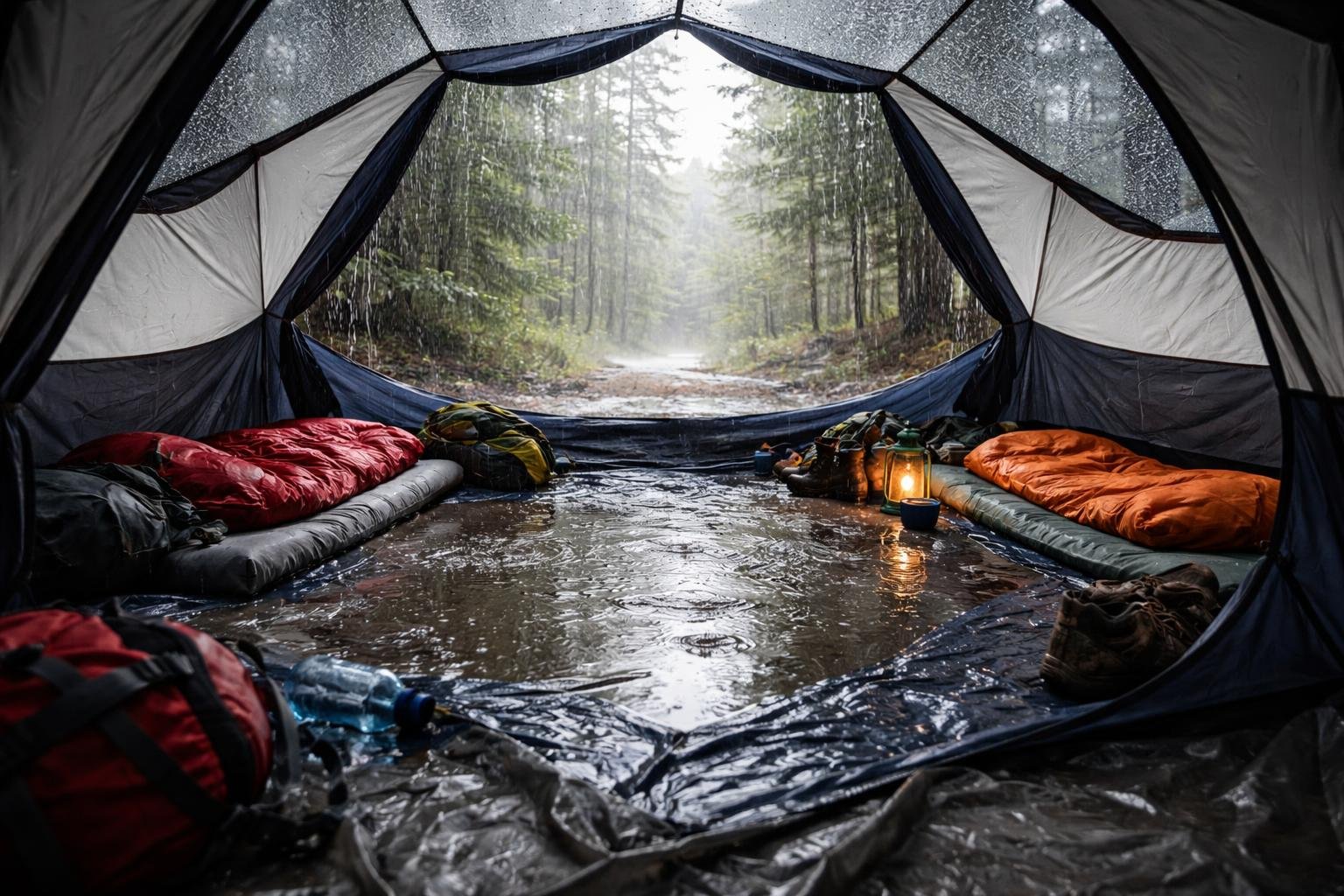
Picture this: You’re deep in the backcountry, miles from civilization, when a sudden midnight thunderstorm unleashes a torrential downpour. Whether you wake up warm and cozy or shivering in a puddle of muddy water depends entirely on one critical piece of outdoor gear. If you are a beginner gear-shopping for your next adventure or an amateur looking to weatherproof your shelter, you are likely asking yourself: what is a rainfly, and does it actually matter?
Simply put, this specialized waterproof outer layer acts as your tent’s primary line of defense against the elements. Far from being a useless extra tarp, it serves as an indispensable umbrella that keeps rain, heavy dew, and howling winds completely at bay while keeping your sleeping quarters bone-dry.
Here at Campingsaga.com, we believe that a legendary outdoor experience starts with knowing your gear inside and out. In this comprehensive guide, we are going to break down exactly how this essential canopy functions, the different types available, and how to pitch it perfectly so your next camping saga stays dry, safe, and unforgettable.
Quick Answer
A rainfly is a waterproof outer cover that fits over a tent to protect it from rain, wind, condensation, and UV exposure. It creates a protective barrier between the tent body and the elements, helping keep campers dry and comfortable in changing weather conditions. Most modern tents include a rainfly, and using one can significantly improve weather protection, ventilation, and overall camping comfort.
Understanding Rainflies
What is a Rainfly?
A rainfly is a waterproof outer cover that fits over a tent to protect campers from rain, wind, condensation, and UV exposure. It creates a protective barrier between the tent body and the elements, helping keep the interior dry and comfortable in changing weather conditions.
A rainfly is essentially a separate, waterproof piece of material that goes over the top of your camping tent. Think of it like a jacket for your tent. specifically designed to protect your tent from rain. While your tent’s main body offers some protection, a dedicated rainfly provides an additional layer of defense, ensuring that the inside of the tent remains dry even during heavy rain. It’s a crucial component for any camper expecting less than perfect weather conditions.
How Do Rain flies Work?
Rainflies work by creating a protective barrier over your tent structure. Made from waterproof material like polyester or nylon, rainflies are designed to shed water away from your tent. This crucial separation between the rain fly and the tent body allows for venting, which helps to reduce condensation inside the tent. Using a rainfly ensures that rain is effectively managed, keeping you and your gear perfectly dry no matter the kind of rain.
Expert Tip: A rainfly works best when there’s a small gap between the fly and the tent body. If the rainfly touches the tent walls, moisture can transfer through the fabric and increase the chance of condensation or leaks during heavy rain.
Why You Need a Rainfly for Your Tent
You absolutely need a rainfly to protect your tent, especially if you anticipate any wet weather during your camping trip. Even if your tent is advertised as waterproof, a rainfly provides an extra layer of protection from rain, significantly enhancing your comfort and safety. It’s also vital for ventilation, as the space between the tent and the rainfly helps to minimize condensation, preventing that clammy feeling inside the tent. This piece of material is truly indispensable for keeping your tent dry.
Can You Use a Tent Without a Rainfly?
Yes, you can use a tent without a rainfly in certain situations, but it depends heavily on the weather, location, and camping conditions. While many campers remove the rainfly to improve airflow and enjoy better views, doing so can expose your tent to rain, wind, condensation, and other unexpected weather changes.
Expert Tip: Even if the forecast looks clear, keep your rainfly within easy reach. Weather conditions can change quickly, especially in mountain regions where storms often develop with little warning.
When It’s Okay to Camp Without a Rainfly
Camping without a rainfly can work well when the forecast calls for clear, dry weather and mild temperatures. Many campers prefer removing the rainfly during warm summer nights because it improves ventilation and allows for better stargazing through mesh tent panels.
You may be able to skip the rainfly when:
- The weather forecast predicts no rain.
- Humidity levels are low.
- Winds are light.
- You’re camping for a short period.
- Your tent has extensive mesh panels for airflow.
Summer Camping Considerations
During hot summer camping trips, removing the rainfly can help keep the tent cooler and reduce heat buildup. Increased airflow often makes sleeping more comfortable, especially in warm climates.
However, summer weather can change quickly. Afternoon thunderstorms, heavy dew, or unexpected rain showers can leave your tent and gear exposed if the rainfly isn’t readily available.
Desert Camping Considerations
In dry desert environments, many campers choose not to use a rainfly because rainfall is rare and temperatures can remain warm throughout the night. Removing the rainfly improves ventilation and helps prevent heat from becoming trapped inside the tent.
Even in desert regions, sudden storms, strong winds, and blowing sand can occur. Keeping your rainfly nearby ensures you’re prepared for changing conditions.
When It’s Risky to Camp Without a Rainfly
Skipping the rainfly becomes much riskier when weather conditions are uncertain. Rain can arrive unexpectedly, and even without rainfall, condensation can form inside the tent when warm air meets cooler nighttime temperatures.
Avoid camping without a rainfly when:
- Rain is possible.
- High winds are expected.
- Humidity is high.
- Temperatures will drop significantly overnight.
- You’re camping in mountainous or unpredictable weather regions.
Always Check the Weather Forecast
Before deciding to leave your rainfly off, check the local weather forecast carefully. Even if conditions appear clear when you set up camp, weather can change quickly. Carrying and keeping your rainfly accessible provides an extra layer of protection and peace of mind if conditions worsen.
For most campers, especially beginners, using a rainfly remains the safest option because it helps protect against unexpected rain, condensation, wind, and changing weather conditions.
Our Experience Using a Rainfly in Real Camping Conditions
After years of camping in everything from hot summer campgrounds to rainy weekend trips, we’ve learned that a quality rainfly is one of the most important parts of a tent. During one overnight storm, we compared two similar tents one with a full-coverage rainfly and one with only minimal rain protection. By morning, the tent with the full rainfly stayed noticeably drier inside, while the other experienced moisture buildup and condensation along the walls.
We’ve also found that a properly installed rainfly does more than keep rain out. On humid nights, it helps improve airflow and reduce condensation, making the tent feel much more comfortable. During hot weather camping, the rainfly provided extra shade that helped keep the interior cooler throughout the day.
Based on our experience, a well-designed rainfly isn’t just an optional accessory it’s a critical piece of gear that can dramatically improve comfort, weather protection, and overall camping enjoyment.
How We Evaluated Rainflies
To provide accurate and practical recommendations, we evaluated rainflies based on the factors that matter most to campers in real-world conditions. Rather than focusing solely on manufacturer claims, we considered how rainflies perform during actual camping trips and changing weather conditions.
Our evaluation criteria included:
- Waterproof Protection: How effectively the rainfly keeps rain and moisture out during light and heavy rainfall.
- Ventilation Performance: The ability to promote airflow and reduce condensation inside the tent.
- Ease of Setup: How quickly and easily the rainfly can be attached, adjusted, and secured.
- Wind Resistance: How well the rainfly remains stable and protective during windy conditions.
- Durability: The quality of materials, coatings, seams, and overall long-term reliability.
- Coverage Design: Whether the rainfly provides full or partial tent coverage and how that impacts weather protection.
- Overall Value: The balance between performance, durability, features, and cost.
These factors helped us identify the features that make a rainfly effective, reliable, and worth considering for different camping styles and environments.
Benefits of Using a Rainfly
Protection from Rain and Moisture
A rainfly is your tent’s best friend when it comes to keeping you dry, no matter what weather conditions you face. This waterproof piece of material acts as a shield, preventing rain from entering your tent and away from the inside of the tent. Imagine you’re on a camping trip and a sudden downpour hits; without a rainfly, your entire tent could become soaked, leading to a very uncomfortable experience. With a properly set up rain fly, the heavy rain simply rolls off, allowing you to stay warm and dry, making your camping trip much more enjoyable with the right insulation.
Extra Shade at Your Campsite
Beyond keeping the rain away, a rain fly offers a fantastic bonus: extra shade at your campsite, enhancing your overall camping experience. On hot, sunny days, The tent rain fly creates an additional layer that blocks direct sunlight from hitting your camping tent, which can make the inside of the tent significantly cooler and more comfortable.
This is especially useful if you’re camping in an open field or at a festival where natural shade is scarce, making rain flies and tents essential for comfort. By using a rainfly, you can relax inside your tent or even create a shaded area just outside the sides of the tent, providing a cooler spot to unwind after a long day of activities exposed to the elements.
Improved Ventilation for Your Camping Tent
Many beginner campers might think a rainfly makes your tent stuffy, but it actually improves ventilation! The clever design of rainflies ensures there’s a gap between the rainfly and the main body of your camping tent. This space allows air to flow freely, which is crucial for reducing condensation that can build up inside the tent. A good rainfly helps keep your tent dry and fresh by promoting airflow, preventing that uncomfortable wet feeling even on humid nights.
Expert Tip: Even on clear nights, keeping the rainfly partially deployed can help reduce morning condensation. Proper airflow is often just as important as waterproof protection when it comes to staying comfortable inside a tent.
Different Types of Rainflies
Standard vs. Custom Rainflies
When you purchase a larger tent, it often comes with a standard rainfly designed specifically for that model. This rainfly is typically made to cover the entire tent, offering basic protection from rain. However, you can also find custom rainflies or even use a tarp as a rainfly.
A custom rainfly might offer enhanced features like better ventilation or different coverage options. For a beginner camper, the standard rainfly that comes with your camping tent is usually perfect for keeping the inside of the tent dry and protected during your camping trip.
Material Options for Rainflies
The materials for rain flies are super important for how well it protects your tent from the elements. Most rainflies are made from waterproof material like polyester or nylon. Polyester is a popular choice because it’s durable and resistant to UV rays, which means it won’t rip or break down as quickly in the sun.
Nylon is often lighter, making it a good option if you’re looking for ultralight rain protection for minimalist camping. Sometimes, more heavy-duty rainflies might include PVC, which provides excellent protection from rain, but can be heavier. Choosing the right piece of material ensures your tent stays dry.
Choosing the Right Rainfly for Your Tent
Choosing the right rainfly means making sure it fits your tent and your camping needs. If your camping tent already has a rainfly, that’s usually the best option as it’s designed to protect the sides of your tent perfectly. However, if you’re looking for extra coverage or replacing a lost one, ensure the new rainfly is the correct size to cover the entire tent. Consider the weather conditions you’ll be camping in; for heavy rain, a rain fly that extends further out from the sides of the tent offers better protection against tent rain. A good rainfly helps keep your tent dry and comfortable.
Expert Tip: If you frequently camp in areas with unpredictable weather, choose a full-coverage rainfly. The extra protection against wind-driven rain and sudden storms is usually worth the slight increase in weight.
Full-Coverage vs. Partial-Coverage Rainflies
Not all rainflies offer the same level of protection. Some tents include a full-coverage rainfly that extends close to the ground, while others use a partial-coverage design that protects only the roof and upper sections of the tent. Understanding the differences can help you choose the right setup for your camping style and weather conditions.
| Feature | Full-Coverage Rainfly | Partial-Coverage Rainfly |
|---|---|---|
| Rain Protection | Excellent | Moderate |
| Wind Resistance | Better | Good |
| Condensation Control | Very Good | Good |
| Weight | Heavier | Lighter |
| Ventilation | Good | Excellent |
| Weather Protection | Best for storms and cold weather | Best for mild weather |
| Cost | Typically Higher | Usually Lower |
| Best For | Backpacking, family camping, wet climates | Fair-weather camping and casual campers |
Which Type Is Better?
For most campers, a full-coverage rainfly provides the best all-around protection against rain, wind, and changing weather conditions. It helps keep the tent drier during storms and offers greater confidence when camping in unpredictable environments.
A partial-coverage rainfly can still work well for summer camping and areas where heavy rain is unlikely. It typically weighs less, improves airflow, and may be sufficient for occasional weekend camping trips.
If you’re unsure which option to choose, a full-coverage rainfly is generally the safer and more versatile investment for long-term camping comfort.
Rainfly vs. Tent Footprint: What’s the Difference?
Many beginner campers confuse a rainfly with a tent footprint, but they serve very different purposes. While both help protect your tent and improve its lifespan, they work in different areas and protect against different elements.
| Feature | Rainfly | Tent Footprint |
|---|---|---|
| Protects From Rain | ✅ Yes | ❌ No |
| Covers Tent Roof and Walls | ✅ Yes | ❌ No |
| Protects Tent Floor | ❌ No | ✅ Yes |
| Reduces Condensation | ✅ Yes | ❌ No |
| Provides Wind Protection | ✅ Yes | ❌ No |
| Adds UV Protection | ✅ Yes | ❌ No |
| Sits Above the Tent | ✅ Yes | ❌ No |
| Sits Under the Tent | ❌ No | ✅ Yes |
| Essential for Wet Weather | ✅ Yes | Helpful but not essential |
| Extends Tent Lifespan | ✅ Yes | ✅ Yes |
Which One Do You Need?
Ideally, campers should use both a rainfly and a tent footprint. A rainfly protects the tent from rain, wind, condensation, and sun exposure, while a footprint protects the tent floor from moisture, rocks, sticks, and ground abrasion.
Think of it this way:
- Rainfly = Roof Protection
- Tent Footprint = Floor Protection
Using both together provides the best all-around protection and helps keep your tent dry, comfortable, and in good condition for years of camping adventures.
Using a Rain fly Effectively
How to Set Up Your Rainfly
Setting up your rain fly correctly is crucial for keeping your tent dry and ensuring maximum insulation from the elements. First, set up your tent as usual. Then, unroll the rain fly and drape it over the top of your tent structure to ensure the best protection from tent rain. Most rainflies have hooks or clips that attach to the sections of the tent at the corners. Make sure these are securely fastened. Then, extend the guy lines (small cords attached to the rainfly) and stake them into the ground using tent stakes. This creates the essential gap between the rainfly and the main body of the camping tent, allowing for ventilation and preventing condensation inside the tent.
Expert Tip: Always tighten guy lines after setting up your rainfly. A loose rainfly can flap in the wind, collect water during heavy rain, and reduce overall weather protection.
Tips for Securing Your Rainfly in Windy Conditions
Windy conditions can be a real challenge for campers, but a well-secured rainfly can handle it. The key is to use all the available guy lines and tent stakes. Make sure your tent stakes are driven firmly into the ground, angled away from the tent to provide maximum hold. If you have extra cord, you can tie off additional points on the rainfly to nearby trees or sturdy objects for extra stability. This ensures the rainfly stays taut and doesn’t flap around, which could let rain into your tent or even damage the sections of the tent.
Real-World Examples: Camping in Rainy Weather
Imagine you’re on a camping trip at a music festival, and suddenly, a heavy rainstorm hits. With your rainfly properly set up, you can relax inside the tent knowing you’re protected. The rainfly keeps the entire tent dry, shedding water away from the inside of the tent and protecting it from being exposed to the elements.
Or perhaps you’re backpacking and expect an afternoon shower; using a rainfly means you won’t have to pack up a wet tent. Even if you’re hammock camping, a camping tarp or ultralight rain tarp can serve as a rainfly, offering vital protection from rain and condensation, making your experience much more enjoyable.
Replacement Tent and Tarp Options
When to Replace Your Rainfly
Even the best rainfly won’t last forever, and knowing when to replace it is key to keeping your tent dry. Over time, exposure to UV rays from the sun and general wear and tear can damage the waterproof material of your rainfly, making it less effective at providing protection from rain.
If you notice your rainfly is starting to tear, has lots of small holes, or if water is seeping through the fabric during a heavy rain, it’s definitely time for a new one. A damaged rainfly can lead to condensation and wetness inside the tent, ruining your camping trip.
Signs You Need a New Rainfly
Even a high-quality rainfly won’t last forever. Constant exposure to sun, rain, wind, and general wear can gradually reduce its effectiveness. If you notice any of the following signs, it may be time to replace your rainfly before your next camping trip.
Expert Tip: Before replacing an older rainfly, try reapplying a waterproof treatment and sealing worn seams. In many cases, this can extend the life of the rainfly and restore water resistance.
Peeling Waterproof Coating
One of the most common signs of an aging rainfly is a peeling or flaking waterproof coating. Over time, the protective layer applied to the fabric can begin to break down, reducing its ability to repel water. If the inside of the rainfly feels sticky or you notice flakes coming off the fabric, its waterproof performance may be compromised.
Water Leakage During Rain
A rainfly should keep moisture out, even during heavy rain. If water begins seeping through the fabric or dripping inside the tent despite proper setup, the waterproof treatment may have worn out. While some rainflies can be re-treated with waterproofing products, severe leakage often signals that replacement is the better option.
UV Damage and Fabric Fading
Extended exposure to sunlight can weaken rainfly fabrics over time. Signs of UV damage include fading colors, brittle material, thinning fabric, or reduced flexibility. A UV-damaged rainfly may tear more easily and provide less reliable weather protection.
Tears, Holes, and Seam Damage
Small tears and punctures can quickly become larger problems during windy conditions. Inspect your rainfly regularly for rips, worn seams, missing attachment points, or damaged guy-line loops. While minor damage can sometimes be repaired, extensive wear may justify a replacement.
Mold and Mildew Growth
If a rainfly is stored while damp, mold and mildew can develop on the fabric. Beyond creating unpleasant odors, mold can weaken the material and potentially affect its waterproof performance. Persistent mold stains or fabric deterioration are strong indicators that it’s time for a new rainfly.
How Often Should You Replace a Rainfly?
The lifespan of a rainfly depends on usage, storage habits, and exposure to the elements. With proper care, many rainflies can last between 5 and 10 years. Regular inspections and maintenance can help you spot problems early and ensure your tent remains protected in all weather conditions.
Choosing a Camping Tarp as an Alternative
If your tent’s original rainfly is damaged or you want extra protection, a camping tarp can be a great alternative. Many campers use a tarp as a rainfly, especially if they need a more flexible solution. You can drape a waterproof tarp over your tent structure, securing it with guy lines and tent stakes to create an effective barrier against heavy rain. This method is particularly useful for unusual tent shapes or for creating extended covered areas around the sides of the tent for extra gear storage, offering versatile protection from rain and sun.
Budget-Friendly Rainfly Solutions
Replacing a rain fly doesn’t have to break the bank; there are many different types of rain flies available at various price points. If you’re on a budget, there are several affordable solutions to keep your tent dry. You can purchase a simple, inexpensive waterproof tarp made from materials like polyester or even a durable plastic sheet, and use it as a rainfly.
Make sure it’s large enough to cover the entire tent, then secure it properly with guy lines and tent stakes. This budget-friendly piece of material can still provide excellent protection from rain, ensuring your camping trip remains comfortable without the high cost of a custom rainfly.
FAQs About Rainflies
1. What is a rainfly on a tent?
A rainfly is a waterproof outer cover that fits over a tent to protect it from rain, wind, condensation, and UV exposure. It acts as an additional layer of weather protection between the tent and the elements.
2. Do all tents come with a rainfly?
Most modern camping tents include a rainfly, but coverage varies by model. Some tents come with full-coverage rainflies, while others include partial rainflies designed primarily for light weather protection.
3. Can I use my tent without a rainfly?
Yes, you can use a tent without a rainfly in dry, stable weather conditions. However, doing so increases the risk of exposure to rain, wind, condensation, and unexpected weather changes.
4. Does a rainfly help reduce condensation?
Yes. A properly installed rainfly creates a gap between the tent body and the outer cover, improving airflow and helping reduce condensation buildup inside the tent.
5. Are rainflies completely waterproof?
Most rainflies are made from waterproof or highly water-resistant materials such as polyester or nylon with protective coatings. However, their effectiveness depends on proper setup, maintenance, and overall condition.
6. What’s the difference between a rainfly and a tent footprint?
A rainfly protects the tent from above by blocking rain and weather, while a tent footprint is placed underneath the tent to protect the floor from moisture, abrasion, and ground damage.
7. Can I use a tarp instead of a rainfly?
Yes. A waterproof tarp can serve as a rainfly if it is properly secured over the tent. Many campers use tarps as a budget-friendly alternative or for additional weather protection.
8. How long does a rainfly last?
With proper care and storage, a quality rainfly can last between 5 and 10 years. Frequent exposure to sunlight, harsh weather, and improper storage may shorten its lifespan.
9. How do I know if my rainfly needs to be replaced?
Common signs include peeling waterproof coatings, water leakage, UV damage, tears, holes, weakened seams, and mold or mildew growth that cannot be effectively cleaned or repaired.
10. Is a full-coverage rainfly better than a partial rainfly?
For most campers, yes. Full-coverage rainflies provide better protection against rain, wind, and changing weather conditions, making them a more versatile choice for year-round camping.
Recommendations for Beginners
Best Rainflies for First-Time Campers
For first-time campers, the best rainfly is usually the one that comes with your camping gear. These rainflies are designed to fit your specific tent structure perfectly, ensuring maximum protection from rain and proper ventilation. If you need a replacement or an upgrade, look for a rainfly made from durable, waterproof material like treated polyester.
Consider a rainfly that offers full coverage for the entire tent and extends a bit beyond the sides of the tent to create extra shelter. This will help keep rain out of your tent effectively, making your camping trip much more enjoyable.
Where to Buy a Quality Rainfly
You can find a quality rainfly at most outdoor gear stores, both online and in person, including options made from nylon or polyester. Major retailers like REI, Dick’s Sporting Goods, or even Amazon offer a wide selection of rainflies for different tent models. When you purchase a tent, inquire if replacement rainflies are available directly from the manufacturer.
Look for a rainfly made from robust waterproof material, ensuring it will protect your tent from heavy rain and reduce condensation inside the tent. Reading reviews from other campers can also help you choose a reliable piece of material that will keep your tent dry.
Final Tips for a Successful Camping Experience
To ensure a successful and dry camping trip, always prioritize using a rain fly that is properly set up. Before you head out, check the weather conditions and pack a high-quality, waterproof tent rain fly for optimal protection. When setting up your tent, make sure the rainfly is taut and all guy lines are secured with tent stakes to allow for good ventilation and prevent condensation.
Even if it’s sunny, using a rainfly can provide extra shade and reduce heat inside the tent. A well-maintained rain fly is your best friend for keeping your tent dry and comfortable, making every camping adventure a pleasant one, especially when using a rain fly designed for durability.
Conclusion
Understanding what a rainfly is and how it works can make a huge difference in your camping experience. While it may seem like a simple piece of gear, a rainfly plays a critical role in protecting your tent from rain, wind, condensation, and harsh sunlight. Whether you’re camping during a summer weekend getaway or preparing for unpredictable weather in the backcountry, a properly installed rainfly helps keep you dry, comfortable, and protected.
From choosing between full-coverage and partial-coverage designs to knowing when it’s safe to camp without one, understanding the purpose of a rainfly allows you to make smarter camping decisions. Regular maintenance and timely replacement can also ensure your rainfly continues to perform when you need it most.
For most campers, especially beginners, a quality rainfly isn’t just an optional accessory it’s an essential part of a reliable shelter system. Before your next camping trip, take a few minutes to inspect your rainfly, practice setting it up correctly, and make sure it’s ready for changing weather conditions. Your future self will thank you when the rain starts falling and your tent stays warm, dry, and comfortable.


1 thought on “What Is a Rainfly? Every Camper Must Know This 2026”