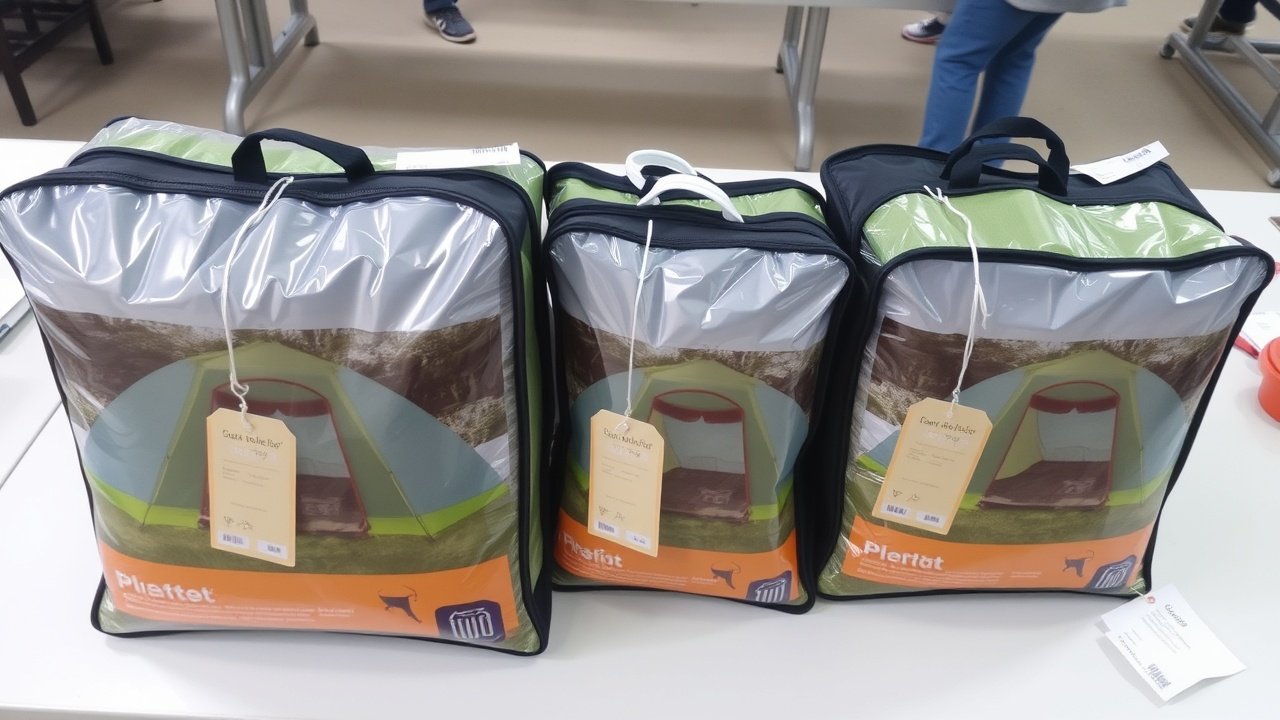
I’ve stood in the middle of a gear shop more times than I care to admit, squinting at a spec sheet and feeling like I was being lied to. It’s a classic trail frustration in the world of backpacking. You buy a shelter labeled “ultralight,” but by the time you actually get it to the trailhead, it feels like you’re hauling a bag of wet cement in your backpacking adventures. I’ve carried those extra ounces over mountain passes just to realize I was counting the wrong numbers from the start.
The truth is, understanding backpacking tent weight is the difference between a nimble trek and a back-breaking slog. As we head into the 2026 season, manufacturers are getting clever with their marketing. Look, you might be scouring reviews for the The best budget backpacking tent for beginners should ideally weigh 2 pounds or less., but if you don’t know the difference between “trail weight” and “packaged weight,” you’re going to get burned.
Here’s the kicker: one of the most common backpacking mistakes to avoid is ignoring the weight of stakes and guyline those “little things” add up fast. While most people just look at the total on the scale, the real win is using effort to reduce the weight of their gear. tent weight hacks for 2026, like ditching heavy stuff sacks to shed those final stubborn grams and find a lightweight tent.
I’m going to strip away the marketing fluff and tell you exactly what you’re actually carrying. You’ll learn which parts of the tent are essential and which ones you can leave in the trunk of your car. Let’s make sure your pack is as light as your spirit when you finally hit the dirt.
Understanding Tent Weights
What is Tent Weighing?
Tent weighing is the process of measuring the different components of your backpacking tent to understand its overall weight. This involves weighing the tent body, tent poles, tent floor, and any additional accessories that come with the tent like stakes and guy lines.
Tent weighing helps you determine if the tent is truly an ultralight tent or falls into the heavier tent category and allows you to make informed decisions to save weight and optimize your pack weight for backpacking.
Types of Tent Weights
When researching the weight of your backpacking tent, you’ll encounter terms like minimum weight, packaged weight, and the weight of the tent. Understanding these distinctions is crucial for choosing the right backpacking tent.
| Weight Type | Components Included |
|---|---|
| Minimum Weight | Tent body, tent poles, and rainfly only. |
| Packaged Weight vs Trail Weight | Packaged weight includes everything in the original packaging, while trail weight includes items you’d carry on a trip, crucial for weight comparison. |
Minimum Weight
Minimum weight, often listed by manufacturers, represents the most basic components needed for the tent to function, typically the tent body, rainfly, and tent poles in the context of backpacking tents being categorized.
This figure allows you to assess the weight savings potential if you opt to use lighter stakes or leave behind extra guy lines. However, keep in mind that the minimum weight doesn’t account for everything you’ll actually carry, making it essential to consider other weight metrics as well.
Packaged Weight
Packaged weight represents the total weight of the backpacking tent as it comes from the manufacturer, including the tent floor and other components. This includes the tent body, rainfly, tent poles, stakes, guy lines, stuff sacks, and any included repair kits or instructions for lightweight tents.
While this weight gives you a comprehensive view, it may not accurately reflect what you’ll carry on the trail if you choose to lighten your load by using lighter stakes or leaving non-essential items at home. This weight is generally the highest weight listed.
Trail Weight
Trail weight refers to the weight of the backpacking tent including the tent body, rainfly, and tent poles, as well as essential items like stakes and stuff sacks. It aims to provide a more realistic representation of what you’ll actually carry on your backpacking trip, especially when you find a lightweight tent.
Many experienced backpackers prioritize understanding trail weight to accurately assess the weight you carry in their overall pack weight. It offers a balance between weight and functionality, helping you make informed decisions about your backpacking gear and the weight you carry.
Ultralight Backpacking Tents
Benefits of Ultralight Tents
The primary benefit of an ultralight tent is, unsurprisingly, a significant reduction in backpacking tent weight. This reduction directly translates to a lighter weight pack, making your backpacking trip more enjoyable and less strenuous. By using an ultralight tent, you can save weight, which allows you to cover more ground, conserve energy, and reduce the risk of injury.
Ultralight tents often utilize advanced materials and minimalist designs, offering a balance between weight and performance in the world of backpacking. For backpackers focused on efficiency and mobility, an ultralight tent can transform the overall weight of your backpacking tent.
Best Ultralight Backpacking Tents
When looking for the best backpacking tents on the market in the ultralight category, several models stand out, particularly those that weigh 2 pounds or less. The Big Agnes Copper Spur UL2 is a popular choice for its balance of space, weight, and durability, making it a favorite three-season tent.
The Big Agnes Tiger Wall offers a similar design but with even greater weight savings. For solo adventurers, there are several solo tents available, and trekking pole tents also present ultralight options, using trekking poles in place of tent poles to save weight. These lighter tent options aim to offer shelter without sacrificing comfort. Choosing the right backpacking tent depends on the individual’s needs and priorities, especially when considering weight and bulk.
How to Save Weight with Ultralight Tents
To save weight when using lightweight tents, consider several strategies. Opt for a smaller tent if you’re backpacking solo, as two-person lightweight tents will inevitably weigh more. Evaluate whether you need a freestanding tent, as non-freestanding tent models are generally lighter.
Using a single-wall tent can reduce weight compared to double-wall tents, making it a more efficient choice for lightweight backpacking. Consider a tent like the Big Agnes Copper Spur UL2, known for its lightweight design, or explore trekking pole tent options to further minimize tent poles and pack weight. By carefully choosing features and designs, you can significantly reduce the overall weight of your tent.
Choosing the Right Backpacking Tent
Factors to Consider in Tent Selection
When choosing the right backpacking tent, several factors come into play. These include:
- The tent’s capacity: a two-person tent offers more space but increases pack weight compared to a solo tent, impacting the overall weight and cost of your gear.
- The type of trip: a 3-season tent is fine for most trips, but four-season tents are needed for winter backpacking or high-altitude adventures.
Durability, weather resistance, and ease of setup are also crucial considerations for your backpacking tent.
Freestanding vs. Semi-Freestanding Tents
Freestanding tents are designed to stand on their own without the need for stakes, making them easy to move around and set up on rocky terrain. These tents often have a more robust pole structure, which can add to the overall weight. Semi-freestanding tents, on the other hand, require some staking to achieve their full shape and stability. This design allows for weight savings by using fewer poles or lighter materials. Deciding between freestanding tents and semi-freestanding tents depends on your personal preference and the conditions you expect to encounter on your backpacking trip, such as the type of tent stakes you may need.
Weight Range Considerations
The weight range of your backpacking tent is a crucial factor in choosing the right backpacking tent. Ultralight tents, typically weighing under 2 pounds per person, are ideal for backpackers prioritizing minimal pack weight. However, these tents may sacrifice some durability and space, particularly in the tent walls and floor.
Heavier tents, while offering more room and sturdier construction, can significantly increase your overall weight. Finding a balance between weight and performance is key. Consider the Big Agnes Copper Spur UL2, known for its lightweight design, or the REI Co-op Half Dome 2, which offers a balance between weight and durability. Always weigh the importance of comfort and durability against the need to save weight for an enjoyable backpacking trip.
Packaged Weight vs. Trail Weight
Understanding Packaged Weight
Packaged weight offers a comprehensive understanding of the backpacking tent as it arrives from the manufacturer, helping to assess its weight and bulk. When choosing the right backpacking tent, the packaged weight includes everything: the tent body, tent poles, rainfly, stakes, guy lines, and stuff sacks, which all contribute to the overall weight and cost.
Analyzing packaged weight vs trail weight helps determine which items can be removed to save weight. This is useful for those willing to customize their backpacking gear and create a lighter tent setup, but it does require that the user weigh their individual gear pieces that they actually take.
Comparing Weight Across Different Tents
Comparing packaged weight across different tents and lighter tent options can reveal significant variations, especially when assessing between ultralight tent models and heavier tents designed for different purposes. Some backpacking tent options, like the Big Agnes Tiger Wall, focus on minimizing weight at every opportunity.
Heavier 4-season tents will almost always have higher packaged weights to provide extra durability and weather resistance, which can lead to condensation in a tent. Consider your trip conditions to choose a tent that aligns with your weight and protection needs, particularly if you are planning for winter backpacking.
Impact of Weight on Backpacking Experience
Backpacking tent weight has a substantial impact on the overall backpacking trip. A lighter tent, particularly a lightweight tent, reduces strain, conserves energy, and enhances mobility on the trail. Using the lightest backpacking tent will allow you to save weight and cover more distance.
Conversely, a heavier tent can lead to fatigue and discomfort, especially on longer treks. Choosing the right backpacking tent that offers the right balance between weight vs features ensures a more enjoyable and efficient backpacking adventure.
The Average Weight Range of Backpacking Tents
When deciding what tent to carry, knowing how much do tents weigh is crucial for planning comfort, pack weight, and trip type. Backpacking tents vary widely in weight depending on capacity, materials, season rating, and design. Below are typical weight ranges to help you choose.
Ultralight Backpacking Tents
Weight range: about 1 lb to 3 lb (450 g to 1.4 kg) per tent.
Features: minimalist materials, single-wall or very light double-wall designs, typically 1-2 person capacity. Best for fastpacking or long-distance treks where minimizing pack weight is a priority.
Lightweight Backpacking Tents
Weight range: about 3 lb to 5 lb (1.4 kg to 2.3 kg) per tent.
Features: balanced durability and weight, more livable space than ultralight models, common choices for weekend backpacking with 1-3 person capacities.
Standard/Car Camping-Style Backpacking Tents
Weight range: about 5 lb to 8 lb (2.3 kg to 3.6 kg) per tent.
Features: heavier fabrics, larger floor area, more features and comfort. Often chosen when weight is less critical or for group trips and basecamping.
3- and 4-Season Tents
Weight range: about 3.5 lb to 10+ lb (1.6 kg to 4.5+ kg) depending on season rating and capacity.
Features: stronger poles, heavier fabric, and reinforced structure to handle snow and high winds. 4-season tents tend toward the heavier end of the spectrum.
Per-Person Weight Considerations
To compare tents more fairly, divide the packed weight by intended capacity:
- 1-person ultralight: ~1–3 lb per tent (~1–3 lb per person)
- 2-person lightweight: ~1.5–2.5 lb per person
- 3-4 person standard: ~1.5–3 lb per person (varies widely)
Other Weight Factors to Consider
- Packed vs. Trail weight: Packed weight includes stuff sacks and extra accessories; trail (minimum) weight removes optional items like stakes or footprints.
- Footprint and vestibule: adding a footprint or heavier stakes increases total carried weight.
- Material upgrades: Dyneema, silicone-coated fabrics, and carbon poles lower weight but increase cost.
- Season rating and durability: heavier materials boost protection at the cost of weight.
In short, how much do tents weigh depends on your priorities: ultralight options near 1–3 lb, practical lightweight models around 3–5 lb, and more comfortable or rugged tents from 5 lb upward. Choose the range that balances packability, comfort, and weather protection for your trips.
Tent Setup
When planning a trip, knowing how much do tents weigh helps you choose the right shelter and pack efficiently. This guide covers typical weight ranges, setup tips, and step-by-step instructions for safe and quick tent setup.
Typical Tent Weight Ranges
Tent weight varies by purpose, materials, and capacity. Below are common ranges (total packed weight):
- Ultralight backpacking tents: 1–3 lb (0.45–1.4 kg) — often single-wall or minimal double-wall designs.
- Lightweight 2-person backpacking: 3–5 lb (1.4–2.3 kg).
- 3–4 person family/camping tents: 6–15 lb (2.7–6.8 kg) depending on features and poles.
- Large cabin and car-camping tents: 15–40+ lb (6.8–18+ kg) for multi-room designs.
- Mountaineering tents: 2–6 lb (0.9–2.7 kg) per person depending on season rating and durability.
What Affects Tent Weight?
- Capacity (1-person to family-sized)
- Materials (aluminum or carbon poles vs. steel; nylon vs. polyester; waterproof coatings)
- Poles and hardware (more poles = more weight)
- Season rating (4-season tents use heavier fabrics and reinforcements)
- Extras (footprints, vestibules, integrated floors, zippers, mesh)
Packing and Carrying Tips
To manage tent weight effectively:
- Weigh the packed tent before your trip to plan load distribution.
- Consider carrying lighter poles or a minimalist footprint.
- Share weight on multi-person trips; divide tent components among group members.
- Use compression sacks to reduce volume, not weight.
Quick Tent Setup Steps
Follow these general steps for a standard freestanding tent. Adjust for non-freestanding or specialized models.
- Choose a level site free of rocks and debris; orient door away from prevailing wind.
- Lay out the tent footprint or groundsheet to protect the floor.
- Unpack the tent body and stake corners loosely staking lasts to keep shape while assembling.
- Assemble poles and insert them into pole sleeves or clips; raise the tent and secure poles into grommets or pins.
- Attach rainfly starting at the head or ridge, then tension guy lines and stake out vestibules.
- Tighten guylines and stakes to reduce flapping and shed water; adjust vents for airflow.
Setup Checklist (Gear & Weight Considerations)
- Tent packed weight (what you actually carry)
- Footprint or tarp (adds protection, +4–16 oz / 0.1–0.45 kg)
- Stakes (aluminum lighter than steel)
- Repair kit (patches, splints — small weight, big value)
- Mallet or rock for staking (optional)
How Much Do Tents Weigh Examples
Real-world examples to illustrate the keyword:
- 1-person ultralight tent: ~2 lb (0.9 kg) packed
- 2-person all-season tent: ~5–8 lb (2.3–3.6 kg)
- 4-person family tent with poles and rainfly: ~12–20 lb (5.4–9 kg)
My Experience
I’ve hauled gear across ridges where every step felt like a debt I couldn’t pay. I remember a grueling, rain-slicked ascent in the North Cascades; my old eight-pound “three-person” tent felt like a literal anchor, dragging my pace into the mud. That was the day I stopped reading spec sheets and started counting ounces.
Since then, I’ve put everything through the ringer from two-pound ultralight bivvies that barely shield you from the wind to 20-pound canvas basecamp tents built for the long haul. My standards aren’t based on marketing fluff; they come from thousands of miles of trail-testing gear until the zippers bust or the poles snap.
When choosing your shelter, it’s about balancing pack weight with liveability. You want to be light enough to move fast, but protected enough to actually recover for the next day’s trek. If it doesn’t earn its place in my pack, it stays in the truck.
FAQ: Backpacking Tent Weight
1. What is trail weight in a backpacking tent?
Trail weight is the minimum weight of the tent including body, rainfly, and poles.
2. What is packaged weight for a tent?
Packaged weight includes everything: tent, stakes, guylines, stuff sacks, and extras.
3. Which weight should you consider when buying a tent?
Trail weight is better for comparing carry weight on the trail.
4. Why is packaged weight higher than trail weight?
It includes additional accessories and packing materials not always needed.
5. Is trail weight accurate for real backpacking use?
It’s close, but you’ll likely carry a bit more with stakes and extras.
6. How much difference is there between trail and packaged weight?
Usually around 200–500 grams depending on the tent model.
7. Can you reduce packaged weight when packing?
Yes, by removing unnecessary items like extra bags or spare stakes.
8. Do ultralight backpackers use trail weight or packaged weight to determine the best two-person backpacking tent?
They focus on trail weight to minimize what they carry, often opting for semi-freestanding tents like the zpacks duplex.
9. Does tent weight include footprint or groundsheet?
Usually no, footprint is often sold separately and adds extra weight.
10. Which is more important: weight or comfort?
It depends ultralight hikers prefer lower weight, while others prioritize comfort.
Conclusion
Summarizing Tent Weight Insights
Understanding the nuances of minimum weight, packaged weight, and trail weight is crucial for choosing the right backpacking tent that aligns with your priorities. Ultralight tent options, while offering significant weight savings, might require compromises in durability or space, particularly in the tent walls and floor.
Packaged weight provides a comprehensive view of everything included, while trail weight offers a more realistic representation of what you’ll carry. For instance, a tent like the Big Agnes Copper Spur UL2 strikes a balance between weight and functionality.
Final Thoughts on Tent Selection
In conclusion, selecting the best backpacking tents requires a thoughtful evaluation of your specific needs and priorities. When choosing the right backpacking tent, consider factors such as the type of trip, tent capacity, and desired balance between weight vs durability.
Whether you prioritize the benefits of an ultralight tent to save weight or require the robustness of heavier, four-season tents designed for harsh conditions, understanding these aspects will guide you towards the perfect backpacking tent for your adventures. Ultimately, the right tent enhances your overall experience, ensuring comfort, safety, and enjoyment on the trail, especially during winter backpacking.