Learning how to wash a sleeping bag properly is paramount for its longevity and thermal performance, ensuring you get countless nights of comfortable rest in the backcountry. This comprehensive guide will walk you through the essential, step-by-step process to clean your gear at home preserving its insulating loft and extending its lifespan without damaging the delicate fibers.
What You’ll Need: The Essential Gear Checklist
Before you begin, gather these supplies to ensure you don’t damage your investment. Using the wrong tools can compromise your bag’s warmth and water resistance.


- Technical Cleaner: Use a specialized wash like Nikwax Down Wash Direct for down or a soap-based cleaner for synthetic bags.
- Front-Loading Washer: A large-capacity front-loader is required; never use a top-loader with a central agitator.
- Clean Tennis Balls: You will need 3–5 clean tennis balls or dryer balls to break up clumps during the drying cycle.
- Large Dryer: A commercial-sized dryer on a low-heat setting is essential for restoring fluffiness.
- Soft Toothbrush: Perfect for the “Spot Clean” phase to remove grime from the hood and collar.
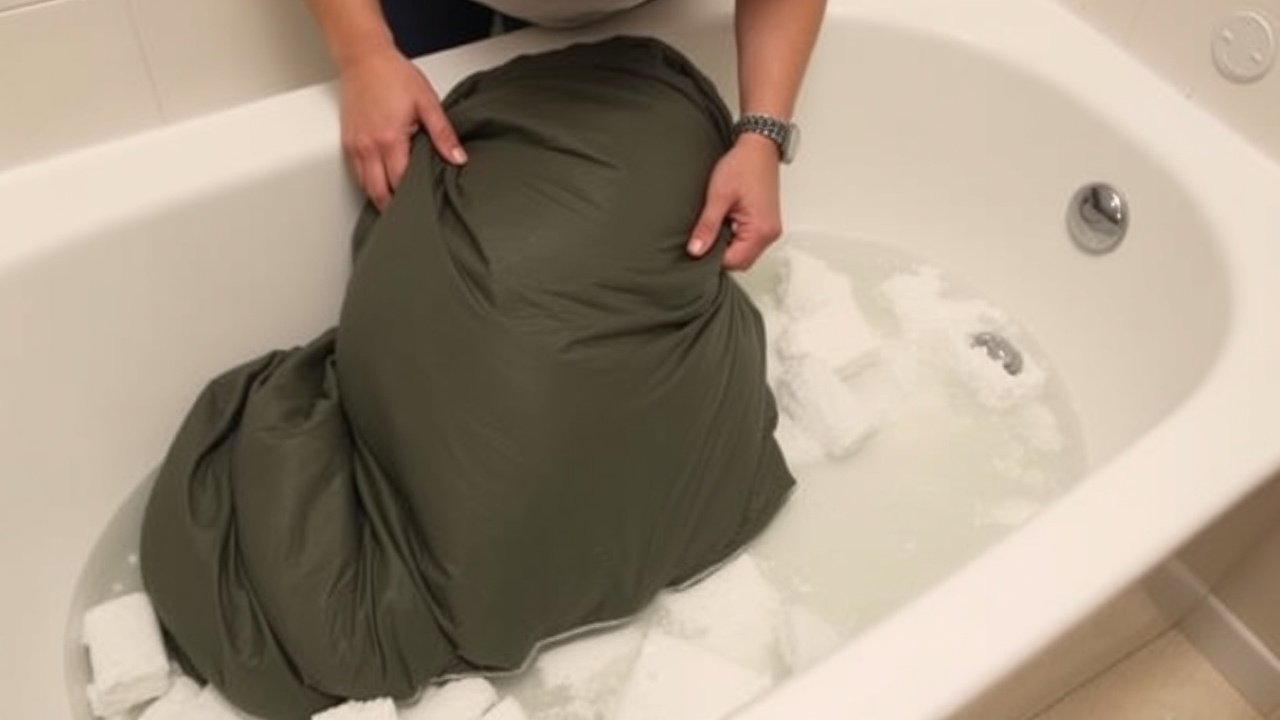
- Bathtub (Optional): If a front-loading machine is unavailable, a clean bathtub is the best alternative for a gentle hand wash.
Understanding Your Sleeping Bag
Before embarking on the cleaning process, a thorough understanding of your particular sleeping bag’s characteristics is crucial. Different types of bedrolls demand specific care approaches, and recognizing these distinctions will prevent potential damage and ensure optimal cleaning results. Delving into the materials and construction of your sleeping bag will inform the most appropriate washing and drying methods, safeguarding its integrity while ensuring you properly stuff the sleeping bag after cleaning.
👉 Sleep better outdoors—find the right sleeping bag with this guide!
Types of Sleeping Bags
Sleeping bags are broadly categorized by their insulation type, primarily down or synthetic. A down bedroll, filled with natural plumules, offers an exceptional warmth-to-weight ratio but requires delicate handling during washing to prevent damage to its delicate clusters.
Conversely, a synthetic sleeping bag, insulated with man-made fibers, tends to be more resilient and forgiving in the washing machine. Understanding which type of insulation your bedroll possesses is the first critical step in developing an an effective bivy sack care regimen. This knowledge will dictate whether you should hand wash or machine wash your bag, and the specific cleaning product to use.
Materials and Care Instructions
Every sleeping bag comes equipped with a care label, a vital source of information detailing the manufacturer’s recommended washing instructions. This label specifies the appropriate temperature settings, whether the bag can be machine washed or if a hand wash is preferred, and any specific detergents or cleaning products that should be avoided.
Disregarding these instructions can lead to irreversible damage to the insulation, compromising the sleeping bag’s fluffiness and thermal efficiency. Always consult the care label before attempting to wash your bedroll to ensure you are following the prescribed cleaning process, which is essential for preserving the bag’s integrity.
👉 Stay dry camping discover the secret of a tent vestibule now!
Signs Your Sleeping Bag Needs Cleaning
Several indicators suggest that it’s time to wash your sleeping bag, including loss of puffiness and visible stains, which may require you to dry your bag afterward to maintain its quality. A noticeable decrease in fluffiness, where the insulation appears flattened or clumped, is a common sign that dirt and body oils have begun to compress the fill, reducing its insulating capabilities.
A lingering odor, even after airing out the bag, is another clear indication that accumulated grime requires attention. Furthermore, visible stains or a general dinginess on the fabric are unequivocal signs that your bedroll needs a thorough cleaning to restore its freshness and performance; using too much soap can hinder this process. Regular inspection for these signs will help you determine when to wash your bedroll and keep your sleeping bag dry clean.
How to Wash and Dry Your Sleeping Bag
Preparing to Wash Your Sleeping Bag
Before you embark on the crucial task learn how to wash a sleeping bag, meticulous preparation is key to a successful outcome, preserving the integrity and performance of your gear. The first vital step is to inspect the bedroll thoroughly for any rips or tears, as these can worsen during the washing process, potentially damaging the insulation or the fabric. If any damage is found, it is imperative to repair it before proceeding.
Furthermore, ensure all zippers are closed to prevent them from snagging or causing damage inside the washing machine. This preventative measure is a fundamental aspect of proper sleeping bag care and will significantly contribute to a smoother cleaning experience. A critical decision in preparing to wash a bivy sack is selecting the appropriate detergent. Harsh chemical detergents can strip the natural oils from down insulation or degrade the performance of synthetic fill, diminishing the bag’s fluffiness and warmth.
👉 Wake up dry stop tent condensation with these proven tips now!
Therefore, it is strongly recommended to use a mild, technical cleaning product specifically designed for outdoor gear. For down sleeping bags, a product like Nikwax Down Wash Direct is ideal, as it cleans without compromising the down’s natural properties. For synthetic sleeping bags, a gentle, soap-based detergent is sufficient. Avoid fabric softeners and bleach at all costs, as they can severely damage the insulation and the outer fabric, making it difficult to keep your bedroll clean and effective.
Step-by-Step to Wash a sleeping Bag Instructions
When it comes to the actual washing of your sleeping bag, the method largely depends on the type of bivy sack you possess, and whether you choose to wash your down sleeping bag or synthetic one. For a synthetic sleeping bag, a front-loading washing machine is generally preferred over a top-loader with an agitator, as the latter can be too harsh and potentially damage the insulation.
If a front-loading machine isn’t available, a hand wash in a large tub is a gentle alternative to wash your down bivy sack effectively. Begin by unzipping the sleeping bag completely and turning it inside out. Place the bag inside the washer, ensuring it’s not overly compressed, especially if you’re using a top-loader without an agitator. Add the recommended amount of technical detergent. Set the machine to a delicate or gentle cycle with cold water, and importantly, include an extra rinse cycle to ensure all detergent residue is thoroughly removed, as leftover soap can attract dirt and compress the insulation.
After the wash cycle is complete, the drying process is arguably the most crucial step in restoring your sleeping bag’s puffiness and warmth. Gently remove the bedroll from the washer, being careful not to tug or stretch the fabric, as it will be heavy with water. Place it in a large dryer on low heat. Crucially, add several clean tennis balls to the dryer.
These clean tennis balls will help to break up any clusters of insulation as the bag dries, effectively fluffing the puffiness and restoring its insulating properties. It’s essential to tumble dry the sleeping bag for an extended period, often several hours, until it is completely dry. Any residual moisture can lead to mildew and compromise the insulation. Regularly check the bag and manually break up any remaining clumps.
👉 Rain in the forecast? Use these 10 pro tips to keep your tent bone-dry!
Is It Safe to Wash a Down Sleeping Bag?
The short answer is yes, it is safe to wash a down bedroll and it is actually essential for maintaining its longevity. Over time, body oils, sweat, and dirt accumulate on the feathers, causing the down to cluster and lose its fluffiness. Since fluffiness is what traps heat to keep you warm, a dirty bag is a cold bag.
However, “safe” depends entirely on your method. To protect the delicate plumage, you must avoid standard household detergents and top-loading agitator machines, which can tear the internal baffles. Instead, use a down-specific cleaner and a front-loading commercial washer on a gentle cycle. The most critical step is the drying process: use low heat and add a few clean tennis balls to the dryer to break up clusters and restore that “like-new” fluff. With the right care, your down investment will last for decades of adventure.
How to wash your down sleeping bag?
Washing a down sleeping bag requires an even more delicate approach than a synthetic bag due to the fragile nature of down insulation. To wash a down bedroll, always opt for a large, front-loading washing machine at a laundromat if your home machine is too small or has an agitator.
The agitator can severely damage the down clusters, causing them to cluster and lose their loft permanently. Before placing the down sleeping bag in the machine, ensure all zippers are closed to prevent damage during washing, especially in a machine with an agitator.
Use a specialized down detergent, such as Nikwax Down Wash, and select a gentle cycle with cold water. An extra rinse cycle is absolutely essential to remove all detergent residue, which can otherwise weigh down the delicate feathers and reduce the bag’s warmth. The drying process for a down sleeping bag is critical and often time-consuming but essential for restoring its loft. After washing, carefully transfer the soaking wet down sleeping bag to a large dryer, again, using a low heat setting.
The key to successful drying is the inclusion of several clean tennis balls. These tennis balls will repeatedly hit the bivy sack, helping to break up any clusters of wet down and redistribute the insulation evenly throughout the baffles. The bag must be tumbled for several hours, often 4-6 hours, or even longer, until it is completely dry.
It’s crucial to remove the bag periodically, shake it out, and manually break up any remaining clumps to ensure the down fully regains its loft. Any moisture left behind can lead to mildew and a permanent loss of insulation, so patience during the drying process is paramount to keep your bedroll clean and performing optimally.
👉 Set up faster discover the best inflatable tents for easy camping!
Step One: Spot Clean Your Sleeping Bag.
Before you even think about submersing your entire sleeping bag in water, start with a thorough spot clean. This targeted approach is the best way to extend the life of your gear by protecting the delicate down or synthetic insulation from unnecessary moisture and agitation. Focus your attention on high-friction areas where oils and grime tend to accumulate, specifically the hood, the collar, and the footbox.
To do this, create a simple solution using a small amount of specialized technical wash and lukewarm water. Use a soft-bristled toothbrush or a clean cloth to gently scrub away surface stains or built-up sweat. By holding the shell fabric away from the internal filling while you work, you can clean the exterior without soaking the loft. This simple maintenance step often removes the need for a full wash, keeping your bag lofty, warm, and ready for your next adventure.
Step Two: Wash Your Sleeping Bag.
Once spot cleaning is complete, it is time for a full wash, but caution is paramount. Never use a top-loading machine with a central agitator, as it can easily tear the baffles or cluster the insulation; instead, opt for a front-loading commercial washer at a laundromat. Set the machine to a gentle cycle with cold or lukewarm water and use a technical cleaner specifically formulated for down or synthetic fill rather than harsh household detergents. These specialized soaps preserve the natural oils in down and the water-repellent finishes on the shell.
When the cycle finishes, resist the urge to lift the bag out by one end, as the weight of the absorbed water can snap internal stitching. Instead, carefully cradle the entire sodden mass from underneath. Squeeze out excess water gently without wringing, preparing the bag for a slow, low-heat drying process that restores its essential loft and warmth.
👉 Camp with confidence learn the top tent camping safety tips now!
Drying Your Sleeping Bag
Best Practices for Drying
The drying process is arguably the most crucial step in restoring your sleeping bag’s loft and warmth after you wash a sleeping bag. The primary goal is to ensure the insulation, whether down or synthetic, is completely dry and evenly distributed to prevent clumping and loss of insulating power. After the final rinse cycle, gently remove the sleeping bag from the washing machine, avoiding any harsh pulling or stretching, as it will be heavy with absorbed water; consider using a bivy sack liner for added protection during washing.
For both down and synthetic sleeping bags, the best practice involves using a large dryer on a low heat setting. This low heat is essential to prevent damage to the delicate fabrics and the insulation itself. It’s also highly recommended to include several clean tennis balls in the dryer, as these will mechanically fluff the insulation, breaking up any clusters and helping to restore the bag’s original loft, especially after you stuff the bedroll. This methodical approach ensures your sleeping bag is thoroughly dried and ready for its next adventure, helping to keep your bedroll in prime condition.
How to Avoid Damage During Drying
To avoid damage when you dry your bag, particular attention must be paid to the temperature and duration of the drying cycle, ensuring it’s set to a gentle heat. Excessive heat is the most common culprit for damaging sleeping bags, especially those with synthetic insulation, which can melt or become permanently compressed, leading to a significant loss of loft and warmth. Always use a dryer on low heat or, ideally, a no-heat air-fluff setting if available.
Another critical aspect is to ensure the sleeping bag is completely dry; any residual moisture, even a small amount, can lead to the growth of mildew, an unpleasant odor, and irreversible damage to the insulation. Periodically remove the bivy sack from the dryer and manually break up any remaining clusters of insulation, feeling for damp spots. This careful manual intervention, combined with the action of the clean tennis balls, helps to evenly distribute the fill within each baffle and restore the bag’s full fluffiness, ensuring optimal performance and extending the lifespan of your gear, helping to keep your bedroll clean and functional.
Using a Dryer vs. Air Drying
While both methods can effectively dry your sleeping bag, using a dryer on low heat with tennis balls is generally the most effective way to restore the puffiness and evenly distribute the insulation, particularly for a down bivy sack. The consistent tumbling and the mechanical action of the clean tennis balls are unparalleled in breaking up clusters and fluffing the insulation. Air drying, while gentler on the fabric, often takes a significantly longer time and requires constant manual fluffing and repositioning to prevent the insulation from clumping and settling, especially in a down sleeping bag.
If air drying is your only option, hang the sleeping bag in a well-ventilated area away from direct sunlight, and regularly shake and manipulate the bag to redistribute the insulation and break up any wet clusters. Regardless of the method chosen, patience is key. The goal is for the sleeping bag to be completely dry, with its insulation fully fluffed and evenly distributed, which is crucial to keep your bedroll performing optimally.
Sleeping Bag Care Tips
How to keep your sleeping bag clean
To truly store your sleeping bag in peak condition, integrating a sleeping bag liner into your routine is highly recommended. A sleeping bag liner acts as a barrier between your body and the sleeping bag’s internal fabric, effectively absorbing sweat, oils, and dirt. This simple addition significantly reduces the frequency with which you need to wash your bivy sack, thereby extending its lifespan and preserving the integrity of its protection, especially when using a sleeping bag liner.
Liners are much easier to wash than an entire sleeping bag, making them a practical and environmentally conscious choice for maintaining hygiene on your adventures. Regularly washing your bedroll liner ensures that the interior of your sleeping bag remains clean and fresh, minimizing the need for extensive cleaning of the main bag itself. Beyond using a liner, establishing a habit of spot cleaning your bedroll immediately after each trip is crucial for long-term maintenance. Small spills or minor dirt accumulation can often be addressed with a damp cloth and a very mild soap, preventing stains from setting in and reducing the need for a full wash cycle.
For specific areas like the hood or foot box that might accumulate more grime, a targeted hand wash with a gentle cleaning product can be highly effective. This proactive approach to cleaning helps to keep your bedroll clean by tackling issues before they become deeply ingrained, thus preserving its fluffiness and overall performance without the harshness of frequent full washing machine cycles.
👉 Buy smarter choose the best camping tent with this beginner guide!
How often should you wash a down sleeping bag?
To preserve the lifespan of your gear, the general rule is to wash your down sleeping bag once a year or after 30 to 40 nights of use. Unlike synthetic materials, natural down shouldn’t be laundered frequently. Excessive washing can strip the feathers of their natural oils, leading to brittleness and a permanent loss of fluffiness.
If you notice your bag is starting to look flat, smelling a bit “earthy,” or if the shell is visibly grimy around the hood and collar, it’s time for a deep clean. For occasional campers, a thorough washing every few seasons is usually sufficient.
Pro-Tip for Longevity
You can extend the intervals between washes by:
- Using a sleeping bag liner to trap body oils and sweat.
- Spot-cleaning the exterior shell with a damp cloth.
- Wearing clean base layers to sleep.
By minimizing full washes, you keep the down clusters healthy and maximize your bag’s thermal efficiency for years to come.
Sleeping Bag Storage
Proper storage is paramount for maintaining the fluffiness and padding of your sleeping bag over time. After you clean your sleeping bag and ensure it is completely dry, never store it compressed in its stuff sack for extended periods. Continuous compression can permanently damage the padding, whether down or synthetic fill, leading to a significant and irreversible loss of warmth. Instead, for long-term storage, it is best to store your bag loosely in a large mesh storage sack or hung in a closet.
This allows the insulation to remain fully expanded, preventing clumping and maintaining its structural integrity, which is essential to keep your sleeping bag performing optimally. When storing your sleeping bag, particularly a down sleeping bag, ensure the environment is cool, dry, and well-ventilated to prevent moisture buildup and the subsequent growth of mildew.
Avoid storing it in basements, attics, or garages where temperature and humidity fluctuations are common. If using a storage bag, choose one that is breathable rather than airtight. For more compact storage solutions, consider a larger, breathable cotton sack which allows the insulation to retain some of its fluffiness while offering protection from dust. Periodically remove the sleeping bag from its storage bag to air it out and gently fluff the insulation, further contributing to its longevity and readiness for your next adventure; consider laying it flat during this process.
Regular Maintenance and Inspection
Beyond periodic washing and proper storage, regular maintenance and inspection are vital components of comprehensive sleeping bag care. Before and after each use, take the time to carefully inspect your sleeping bag for any small tears, loose seams, or failing zippers. Addressing these minor issues promptly with a repair kit designed for outdoor gear can prevent them from escalating into more significant, costly problems. For instance, a small tear in the outer shell can quickly lead to insulation loss, compromising the bag’s warmth and making it difficult to store your sleeping bag clean. Early detection and repair ensure the bag maintains its integrity and functionality.
Furthermore, routinely air out your sleeping bag after each trip, even if it doesn’t appear visibly dirty. Hanging it in a well-ventilated area, away from direct sunlight, helps to dissipate any moisture and odors that may have accumulated during use. This simple act of aeration helps to maintain the freshness of the sleeping bag and reduces the buildup of bacteria, lessening the frequency of needing to wash the bag. Paying close attention to the puffiness of the insulation is also important; if you notice the insulation beginning to cluster or compress, it might indicate it’s time for a gentle wash to restore its insulating properties, ensuring your sleeping bag continues to provide optimal warmth and comfort.