
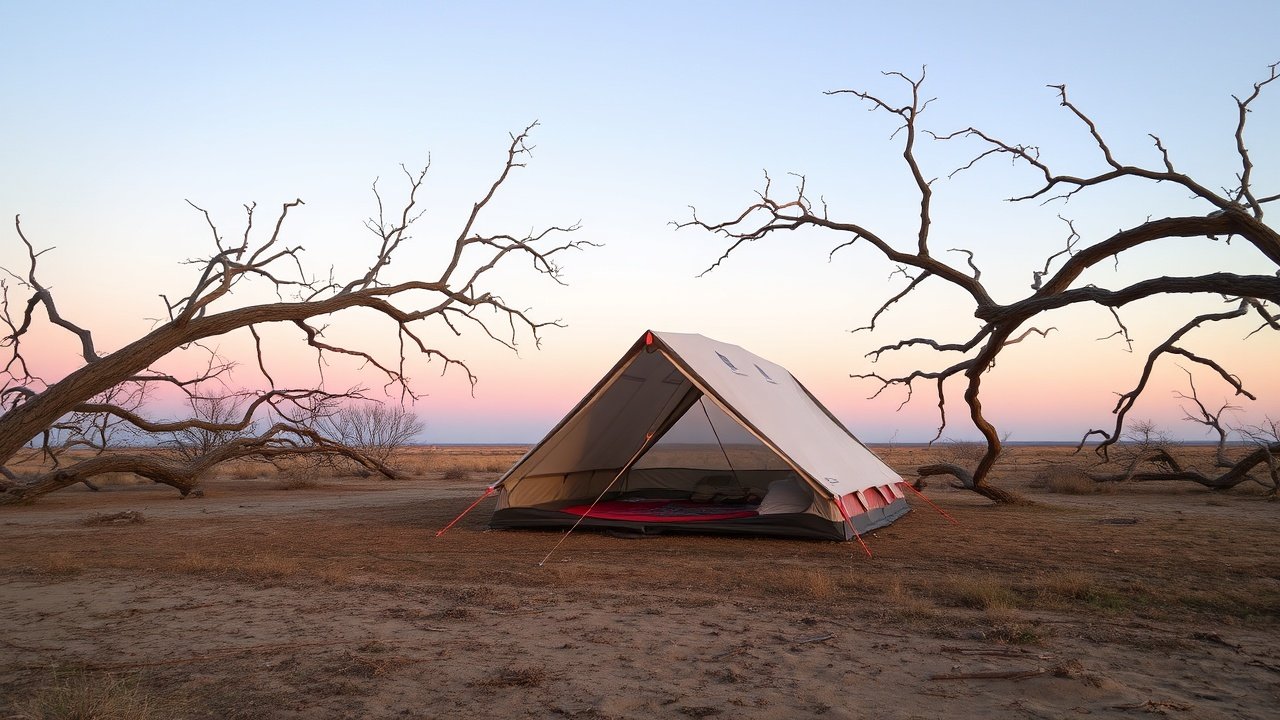
I’ve spent more nights than I can count waking up with a tree root digging into my kidney because I rushed my setup at dusk. It’s a rite of passage, I suppose. But after two decades of trekking through the backcountry, I’ve realized that a bad night’s sleep isn’t a badge of honor it’s just a sign of poor planning.
Look, the wilderness is getting more crowded this year. Knowing how to make camp is essential for a successful outdoor experience. choose the perfect campsite is no longer just about the view; it’s about survival and ethics. While everyone is chasing “Instagram spots,” the pros are looking for drainage and wind protection. I’ll be honest with you: the perfect campsite isn’t easy to find. best budget gear for beginners won’t save you if you’re pitched in a dry creek bed during a flash flood.
Avoiding common camping mistakes to avoid, like ignoring “widow-makers” or setting up too close to water, is what separates the veterans from the weekend warriors. Here’s the kicker: these camping hacks for 2026 focus on “Leave No Trace” tech that didn’t even exist five years ago.
I’m going to show you exactly how to read a landscape like a map. You’ll learn to spot the “goldilocks” zone where the breeze is just right and the ground is level. No more soggy sleeping bags or midnight tent-shuffles. Let’s dive into the anatomy of a pro-level pitch.
Understanding Campsites
What Makes a Perfect Campsite?
The “perfect tent site” isn’t just a spot in the woods; it’s a carefully chosen location that harmonizes with your needs and the environment. The best tent site should offer a level, clear area to set up your tent comfortably, away from potential hazards like dead trees that could fall during the night. A “perfect tent site” also considers proximity to a water source, but remember to camp at least 200 feet away to protect the water’s edge.
Additionally, consider the natural windbreak provided by trees or rock formations to shield your tent from strong winds, but be cautious of dead branches overhead. Remember, choosing the best campsite involves assessing safety, convenience, and environmental impact, ensuring a harmonious camping experience while respecting the leave no trace principles.
Don’t have all day? Learn [How to Clean a Tent in 15 Minutes] and get back to the trail!
Types of Campsites: Tent vs. RV
When planning your camping adventure, it’s essential to understand the different types of tent sites available to cater to your chosen method of camping, as the right campsite can make all the difference. Tent campsites are designed for those who prefer to pitch a tent and immerse themselves in nature. These tent sites typically offer a designated tent pad, a fire ring for campfires, and access to shared facilities such as restrooms and water sources.
On the other hand, RV tent sites are equipped to accommodate recreational vehicles (RVs) and typically offer amenities such as electrical hookups, water connections, and sewage disposal. Understanding the distinction between tent and RV tent sites ensures that you choose the right tent site for your needs.
Backcountry vs. Established Sites
Campsites can broadly be categorized into backcountry and established sites, each offering a unique camping experience. Backcountry tent sites are located in remote areas, far from developed campgrounds and amenities. These sites offer a more secluded and adventurous camping experience, requiring campers to be self-sufficient and practice “leave no trace” principles diligently while collecting water.
Established campsites, on the other hand, are located within developed campgrounds and offer amenities such as restrooms, picnic tables, and fire rings. While established tent sites provide more convenience, they may also be more crowded and less private than backcountry sites. When looking for a tent site, consider your comfort level, experience, and desired level of solitude to choose the right tent site for your next camping adventure.
Tips for Choosing the Perfect Campsite
5 Tips for Choosing the Best Campsite
Choosing the best tent site is a crucial skill that can significantly enhance your camping adventure. To help you find the perfect spot in the great outdoors, consider these 10 tips:
- Arrive early at the campground to help you choose the best selection of available tent sites.
- Assess the slope of the ground to avoid camping on an incline, which can make sleeping uncomfortable.
- Look for natural windbreaks, such as trees or rock formations, to shield your tent from strong winds.
- Consider the proximity to amenities like restrooms and water sources, but balance convenience with privacy when picking a good campsite.
- Check for potential hazards like dead trees or overhanging branches that could pose a risk during storms.
These tips for choosing the perfect tent site can make or break your camping trip.
Tired of a heavy pack? Check out our [Ultralight Backpacking Tent Guide] to shed those extra pounds.
Safety Considerations for Your Camping Adventure
Safety should always be a top priority when selecting a campsite for your camping adventure, so don’t set up in areas that pose risks. One crucial aspect is to choose a safe location away from potential hazards. Avoid camping in areas prone to flash floods or near unstable cliffs. Always be aware of the local wildlife and take necessary precautions to store food properly to avoid attracting animals to your tent site, as this is crucial for a successful camping trip.
Additionally, consider the risk of wildfires and adhere to campfire regulations, keeping a safe distance between your campfire and flammable materials. Remember to carry a well-stocked first-aid kit and know how to use it, as it is one of the essential tips to help ensure safety during your trip. By taking these safety considerations into account, you can minimize risks and enjoy a secure and worry-free camping experience.
Choosing the Right Campsite for Your Camping Style
Selecting a tent site that aligns with your camping style is essential for a satisfying outdoor experience, especially if you’re looking for a backpacking adventure. Whether you prefer the solitude of backcountry camping or the convenience of established campgrounds, understanding your preferences will guide your tent site selection. If you’re an adventurous camper seeking a remote getaway, backcountry tent sites offer a chance to immerse yourself in nature and practice leave no trace principles.
On the other hand, if you prioritize amenities and convenience, established campgrounds provide facilities like restrooms, picnic tables, and fire rings. RV campers will need to choose campsites with appropriate hookups and space to accommodate their vehicle. By aligning your tent site with your camping style, you’ll create a more enjoyable and fulfilling camping trip.
Site Selection Techniques
How to Choose a Campsite for Your Next Adventure
When planning your next camping adventure, mastering tent site selection is essential for a memorable experience. The “perfect tent site” begins with research. Utilize online resources and campground maps to identify potential locations that suit your needs. Consider the type of experience you’re seeking: Are you looking for a secluded backcountry spot or a family-friendly campground with amenities?
Pay attention to reviews and ratings from other campers to get insights into the tent site’s condition, noise levels, and overall appeal. By doing your homework, you can increase your chances of securing the best tent site and setting the stage for an unforgettable camping trip with these essential tips to help you. Don’t overlook this crucial step; choosing the best tent site makes all the difference.
Selecting a tent site: What to Look For
Selecting a tent site involves careful evaluation of various factors to ensure your comfort and safety. Before you set up camp, conduct a thorough inspection of the area to find a site that meets all your needs. Look for a level, clear area to pitch your tent, free from rocks, roots, and debris that could make sleeping uncomfortable.
Assess the availability of natural windbreaks to shield your tent from strong winds, but avoid camping directly beneath dead trees or overhanging branches that could pose a hazard. Check for signs of wildlife activity, such as animal tracks or droppings, and take appropriate precautions to store food properly. Remember the principles of leave no trace and always choose a safe and undisturbed tent site that will leave a minimal impact on the environment, avoiding camping near sensitive areas and leaving what you find.
Leave No Trace Principles for tent site Selection
Adhering to leave no trace principles is paramount when selecting a tent site to minimize your impact on the environment and avoid camping near fragile ecosystems. When possible, choose established campsites or areas where previous campers have already disturbed the vegetation. Avoid camping on fragile vegetation or sensitive areas, such as meadows or wetlands.
Keep your tent site small and compact to minimize disturbance. When selecting a location for your campfire, use existing fire rings or portable stoves to avoid creating new fire scars. Always pack out everything you pack in, including trash, food scraps, and human waste. By following leave no trace principles, you can help protect the natural beauty of the wilderness for future generations to enjoy. Don’t camp thoughtlessly; choose the perfect tent site and respect nature.
New to the outdoors? Learn [How to Choose the Best Camping Tent] without the stress.
Creating the Perfect Camping Experience
Setting Up Your Tent or RV
Once you’ve found the best campsite, the next crucial step is to set up your tent or RV correctly to make camp. When pitching a tent, select a level spot free from rocks and debris to ensure a comfortable night’s sleep, especially in the frontcountry. Spread out a ground tarp beneath your tent to protect it from abrasion and moisture. Securely stake down the tent, ensuring it is taut and stable, especially if you anticipate windy conditions.
For RV campers, carefully level your vehicle using leveling blocks to prevent discomfort and ensure appliances function correctly, as the right campsite can make a significant difference. Check the campsite’s hookups for electricity, water, and sewage, and connect them properly. Regardless of whether you’re camping in a tent or an RV, a well-organized and properly set-up campsite contributes significantly to an enjoyable camping experience.
Making Your Campsite Safe and Comfortable
Creating a safe and comfortable campsite is paramount for a memorable camping trip, so consider essential tips to help you set up effectively on higher ground. Start by establishing clear boundaries for your campsite and ensuring that everyone in your group is aware of them. Properly store food in airtight containers or hang it from a tree to avoid attracting animals.
Keep your campsite tidy to prevent pests and maintain hygiene. Consider bringing along insect repellent, especially if you’re in an area prone to mosquitoes. Set up a designated cooking area away from your tent to minimize the risk of fire. By implementing these safety and comfort measures, you can create a welcoming and secure environment for you and your fellow campers to relax and enjoy nature.
Maximizing Your Camping Adventure
To truly maximize your camping adventure, immerse yourself in the natural surroundings while adhering to leave no trace principles and leave what you find. Explore hiking trails, observe wildlife, and take in the beauty of the landscape while you’re in an area known for its natural wonders, just like the national park service recommends.
Engage in activities such as fishing, birdwatching, or nature photography to fully appreciate the great outdoors. Remember to respect the environment and minimize your impact by packing out all trash, staying on designated trails, and avoiding disturbing plants or animals, especially when camping next to sensitive areas. Take the time to relax and disconnect from technology, allowing yourself to fully appreciate the tranquility of the outdoors while looking for a campsite.
By embracing nature and practicing responsible camping, you can create lasting memories and forge a deeper connection with the environment. When you’re camping, it’s all about finding that perfect spot and savoring every moment in the great outdoors.
The Ultimate Battle: [Nemo Hornet Osmo vs Big Agnes Tiger Wall Ul2] which one actually wins?
FAQs: Choose the Perfect Campsite
1. What are the 4 main factors to consider when choosing a campsite?
The four essential factors are safety (avoiding hazards like falling branches), water access, flatness of the terrain, and environmental impact (following Leave No Trace principles).
2. How far should a campsite be from a water source?
You should pitch your tent at least 200 feet (70 steps) away from lakes and streams to protect water quality and follow wilderness regulations.
3. What is the safest place to set up a tent during a storm?
Avoid high ridges, isolated trees, or low-lying areas prone to flash flooding; instead, look for a uniform stand of smaller trees or a valley that isn’t a natural drainage path.
4. How do you identify a “Widowmaker” when selecting a site?
A Widowmaker is a dead or broken tree limb hanging precariously overhead; always look up and avoid camping directly under trees with visible rot or hanging branches.
5. What is the “Good, Bad, and Ugly” of campsite selection?
The “Good” is a high, dry, and level spot; the “Bad” is a slope that causes sliding; and the “Ugly” is a site with high wind exposure or heavy insect breeding grounds.
6. Is it better to camp on high ground or low ground?
High ground is generally better because cool air and moisture settle in low spots, making them colder at night and more susceptible to dampness or flooding.
7. How can you tell if a campsite is level without a tool?
You can test the levelness by lying down on your sleeping pad in the potential spot; if you feel blood rushing to your head or find yourself rolling, the site is too slanted.
8. What are the rules for dispersed camping on public lands?
In most National Forests or BLM lands, you must stay at least one mile away Avoid areas from developed campgrounds and ensure you are on a “durable surface” like rock, gravel, or dry grass when looking for a campsite.
9. How do you choose a campsite to minimize mosquitoes?
Select a site on a slight breeze-exposed ridge away from standing water, as mosquitoes are weak fliers and struggle to land in even light wind.
10. Why should you avoid camping in a “v-shaped” canyon?
V-shaped canyons are high-risk zones for flash floods, as even distant rainfall can funnel massive amounts of water through the canyon floor with very little warning.
Conclusion: How to Choose a Safe Campsite
I know how overwhelming it feels to stare at a topographical map or a crowded trailhead and feel that pressure to find the “perfect” spot before the sun dips. I’ve been there standing in the dirt, second-guessing if the ground is too hard or the trees are too close. You want a night under the stars that feels like a win. Simple as that.
The bottom line is that your site selection dictates your entire mood the next morning. If you take away one thing, let it be this: don’t overcomplicate it. While you’re outfitting yourself with easy setup camping gear to save time, the real magic happens when you pair that convenience with a solid location. Look, even the best budget tent for beginners can feel like a five-star resort if you’ve scouted for natural windbreaks and level ground.
If the forecast looks dicey, remember those weatherproof tent hacks we discussed like checking for “widow-makers” above and ensuring your footprint isn’t a literal pool for rainwater. For those of you leaning into the “luxe” side of the woods, your glamping essentials 2026 checklist only works if the foundation is solid. Don’t let a bad pitch ruin a great trip.
So, where are you heading for your next trek? Drop a comment below and tell me the one “dealbreaker” you look for when selecting a campsite. choose the perfect campsite.
1 thought on “Choose the Perfect Campsite: Never Waste a Trip Again”