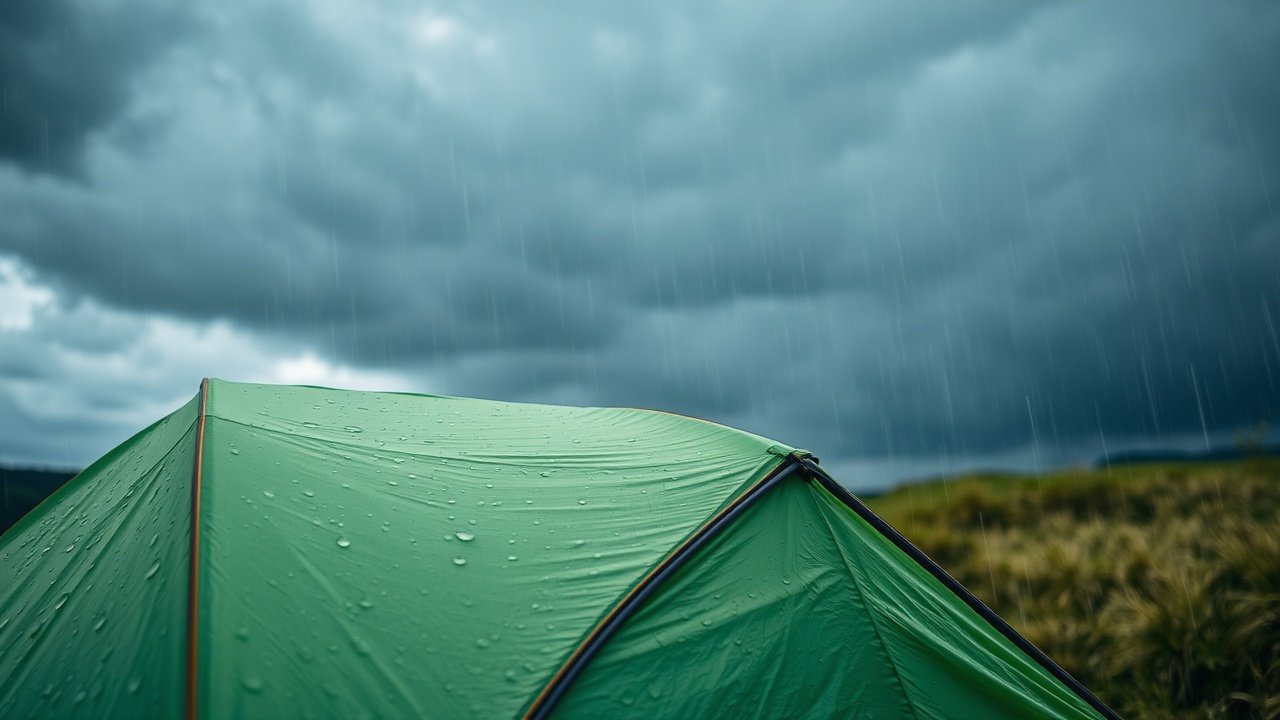
I’ve spent more nights than I care to admit shivering in a damp sleeping bag because I thought a cheap tarp and a prayer would keep a Pacific Northwest deluge at bay. I was dead wrong. The sky opened up, my tent floor turned into a sponge, and I learned the hard way that nature doesn’t care about your weekend plans. It only cares about physics.
The truth is, camping in the rain has changed a lot lately. In 2026, we’re seeing wilder weather patterns and gear that promises the world but often fails at the seams. Look, while everyone is out chasing the flashiest gadgets, the real pros are focusing on waterproof tent hacks for 2026 that actually hold up when the wind starts howling.
Here’s the kicker: most people get soaked because of common rainy camping mistakes to avoid, like poor site selection or letting the fly touch the inner mesh. If you’re just starting out, finding the best budget rain gear for beginners is a smart first step, but even the priciest kit won’t save you if your setup is sloppy.
I’m going to show you exactly how to turn your tent into a dry fortress. We’re talking about a sanctuary where you can sip coffee and listen to the rhythm of the storm without a single drop hitting your face. I’ll be honest with you it’s easier than you think.
Let’s dive into the tactics that keep the water out and the vibes high.
Essential Preparation for Camping in the Rain
Thorough preparation is paramount when facing the prospect of camping in the rain. It involves more than just checking the forecast; it demands a strategic approach to gear selection and an understanding of how to effectively mitigate the impacts of a rainy environment. By proactively addressing potential issues, you can transform a daunting forecast into a mere backdrop for your outdoor enjoyment, ensuring you stay dry and comfortable throughout your adventure.
Not sure if you need a specialized footprint? Read my deep dive on Tent Footprints vs. Tarps to see which one actually wins the ‘dry floor’ debate.
Choosing the Right Camping Tent
Selecting the appropriate tent is the first and most critical step in preparing for camping in the rain. To make the best choice, you should consider a few key features, including the tent’s ventilation and space for hand warmers.
- Opt for a tent with a robust waterproof rating, often indicated by a hydrostatic head measurement. A double-wall tent design is highly recommended, as it offers superior ventilation and minimizes condensation, preventing that damp feeling inside.
- Consider a tent with a spacious vestibule; this area serves as an invaluable dry space for storing wet gear and boots, preventing them from being brought inside your main sleeping area and allowing you to set up a hammock nearby.
- A high-quality rainfly that extends close to the ground provides maximum protection from rain and wind, ensuring your shelter remains a sanctuary from the elements.
Waterproofing Your Gear
Beyond the tent, ensuring all your essential gear is waterproof is crucial to staying dry during your camping trip. Even if your rain jacket and rain pants are of good quality, consider re-treating them with a durable water repellent (DWR) spray. Pack all clothing, especially dry clothes, sleeping bags, and extra socks, in waterproof dry bags or robust trash bags inside your backpack to prevent them from getting wet.
A waterproof footprint underneath your tent is non-negotiable, acting as an additional barrier to prevent water from pooling and seeping through the tent floor, ensuring your gear stays dry like a sponge. Don’t forget gaiters to keep your feet dry and protect your boots from becoming saturated during hikes, ensuring your insulation remains effective even in soggy conditions.
Ready to upgrade your base camp? Check out our top-rated Waterproof Footprints that fit almost any tent setup.
Setting Up for Success
Strategic campsite selection and tent setup are vital for success when camping in the rain. Choose a high and level spot for your tent, ideally on a slight incline, to prevent water from collecting and pooling underneath or around your shelter. Avoid setting up in depressions or natural waterways. Position your tent away from the wind, if possible, to minimize stress on the tent poles and reduce the ingress of rain.
Ensure all guylines are properly staked out and taut; this not only provides stability against gusty winds but also helps maintain the tent’s shape, preventing the rainfly from sagging and potentially dripping onto the inner tent. An additional tarp, pitched strategically over your tent or as a separate communal dry space, can offer invaluable extra protection and a welcome natural shelter from persistent rain.
Tips for Staying Dry Inside Your Tent
Proper Ventilation Techniques
Maintaining proper ventilation is crucial for staying dry inside your tent, especially when camping in the rain. Even a waterproof tent can become damp due to condensation, which occurs when warm, moist air from your breath and body comes into contact with the cooler tent walls. To combat this, ensure all your tent’s vents are open, and if possible, slightly open tent doors at the top, creating a cross-breeze without allowing rain to drip inside, which can be especially helpful for keeping hand warmers effective.
This constant airflow helps to circulate the air, preventing moisture from pooling and settling on your gear and sleeping bag. Adequate ventilation not only keeps you dry but also makes the interior feel warmer by preventing that chilly, humid sensation, ensuring your camping trip remains comfortable even during a persistent rainy spell.
Don’t wait for a leak to ruin your trip. Grab the DWR Spray and Seam Sealer I personally use to keep my gear in showroom condition.
Using a Groundsheet Effectively
Using a groundsheet, also known as a footprint, effectively is one of the most important tips for camping in the rain to prevent water from soaking through your tent floor. The primary purpose of a groundsheet is to provide an additional waterproof barrier underneath your tent, protecting the tent floor from abrasion and preventing moisture from the ground from seeping in. Always ensure your groundsheet is taut and free of creases to avoid any areas where water might pool, maximizing its effectiveness in keeping your sleeping area dry.
| Key Feature | Importance |
| Size compared to tent’s base | Should be slightly smaller; if it extends beyond the tent’s perimeter, it can collect water and direct it underneath the tent. |
💡 RICKY’S PRO TIP: Most beginners think a bigger tarp under the tent is better, but that’s a mistake. If your groundsheet sticks out even an inch, it catches rain like a funnel. I always tuck my tarp edges 2 inches inside the tent perimeter to ensure my floor stays bone-dry.
Creating a Dry Zone
Establishing a designated dry zone inside and around your tent is essential for maintaining comfort during a rainy camping trip. Utilize your tent’s vestibule as a primary staging area for wet gear, boots, and rain jackets, preventing them from being brought into the main sleeping area where they could make your dry clothes damp. If your tent lacks a spacious vestibule, consider pitching a tarp over the entrance or creating an external sheltered area where wet items can drip dry without soaking the ground around your tent.
Inside, designate a specific spot for your backpack and other critical items, perhaps on a waterproof bag or elevated off the floor. Having a small, absorbent towel on hand can also be invaluable for quickly wiping away any drips or condensation, further safeguarding your dry space and ensuring a more pleasant and warmer camping experience.
Need a bag that can handle a bit of dampness? See our list of the Best Synthetic Sleeping Bags for 2026 that stay warm even when wet.
Staying Comfortable While Camping in the Rain
Clothing Choices for Rainy Weather
Making smart clothing choices is paramount for staying comfortable and dry during a rainy camping trip. Layering is key, starting with a base layer of moisture-wicking synthetic or wool fabric to keep sweat away from your skin. Mid-layers, such as a fleece or lightweight puffy jacket, provide insulation to keep you warm, even if they get damp. Your outer layer should always be high-quality waterproof rain gear, including a rain jacket and rain pants, to offer a robust shield against the elements.
Always pack extra dry clothes, especially wool socks, as getting wet feet can quickly lead to discomfort and a chill. Even if you don’t anticipate a hike, having a full set of dry clothes to change into at the end of the day or after an unexpected downpour is one of the best tips for camping in the rain to prevent you from getting cold and maintain your morale.
Looking for the ultimate chill? Check out our review of the Best Hard-Sided Coolers for multi-day backcountry trips.
Keeping Your Sleeping Bag Dry
Keeping your sleeping bag dry is crucial for a comfortable and safe camping trip, particularly when camping in the rain. A wet sleeping bag loses its insulation properties, leaving you susceptible to cold. Always store your sleeping bag in a waterproof dry bag inside your backpack, even if your backpack claims to be waterproof, as an extra layer of protection is invaluable.
When inside your tent, try to keep the sleeping bag away from the tent walls, especially during dew or condensation, to prevent it from getting damp. If your sleeping bag does get slightly damp, airing it out in your dry space, perhaps under a tarp or in a well-ventilated vestibule during a break in the rain, can help. For extended rainy periods, a synthetic sleeping bag might be preferable over down, as synthetic insulation retains more warmth when wet.
Cooking and Eating in the Rain
Cooking and eating while camping in the rain require thoughtful planning to ensure a pleasant and efficient experience. The primary goal is to create a sheltered area where you can comfortably prepare and consume your food without getting soaked. A large tarp pitched strategically over your picnic table or a dedicated cooking area is an excellent natural shelter, keeping both you and your camping stove dry, which is particularly important for a hiker on a rainy day.
If your campsite doesn’t offer suitable trees for a tarp, consider a tent with a spacious vestibule or a separate utility tent to serve as a dry space for cooking, which can be especially useful for a hiker. Bring easy-to-prepare comfort food that doesn’t require extensive cooking time or elaborate setups. A reliable camping stove is essential, as building a campfire might be difficult or impossible in persistent rain, especially for a hiker without a reservation. Remember to clean up thoroughly to avoid attracting wildlife and to keep your cooking area organized, preventing important gear from getting wet.
Thinking about upgrading to a tent with more room? Browse our favorite Tents with Extra-Large Vestibules here.
Post-Rain Camp Maintenance
Drying Out Your Tent
After a camping trip in the rain, proper drying of your tent is crucial to prevent mildew, maintain its waterproof qualities, and extend its lifespan for future adventures. Even if your tent felt relatively dry when you packed it away, residual moisture can lead to a damp interior and a musty smell. As soon as you return home, unpack your tent and set it up in a well-ventilated, dry space, ideally outdoors on a sunny day or in a garage with good airflow.
Ensure all zippers are open to allow air to circulate through both the inner tent and the rainfly. If your footprint or groundsheet is also wet, lay it out to dry separately. This meticulous drying process is one of the most important tips for camping to keep your gear dry and ready for the next time you set up your tent.
Ready for a stress-free setup? See our Top 5 Inflatable Tent Picks for solo hikers and family campers alike.
Maintaining Gear for Future Trips
Maintaining all your gear, especially after camping in the rain, is essential for its longevity and performance on subsequent trips. Once everything is completely dry, inspect all your camping rain gear, including your rain jacket, rain pants, and waterproof boots, for any damage or areas where the waterproof coating might be compromised. Re-treat items with a durable water repellent (DWR) spray as needed to ensure they continue to keep you dry.
Clean any muddy boots and ensure your sleeping bag is thoroughly aired out before storing it loosely in a breathable bag, rather than a compression sack, to preserve its insulation. Check your camping stove and other cooking essentials for any rust or residue. A comprehensive post-trip checklist ensures all your equipment, from your tarp to your backpack, remains in optimal condition, preventing future discomfort and ensuring a successful camping trip.
Evaluating Your Experience
Reflecting on your camping in the rain experience is a valuable step for continuous improvement and better preparation for future rainy camping trips. Consider what worked well: did your strategic campsite selection keep you dry? Was your rain gear effective? What challenges did you face while wearing rain gear? Did you get wet despite your precautions, or did you set up your tent perfectly to avoid any soggy surprises? Perhaps you found a new comfort food that brightened a chilly evening, or discovered a specific setup for your tarp that provided the perfect natural shelter.
Curious about the gear required for snow? Read our Essential Winter Camping Gear Checklist before you head into the frost.
This evaluation allows you to refine your packing list, identify any gear upgrades maybe a lighter rain jacket or a more robust footprint and adjust your techniques. Learning from each camping trip, especially those involving rain, helps you become a more resilient and prepared camper, turning potential discomfort into memorable lessons for staying warm and enjoying the outdoors, no matter the forecast.
Top 10 FAQs
- Is camping in the rain worth it? Yes! It’s peaceful and less crowded. With the right gear, it’s a cozy, unique experience.
- How do I stop tent condensation? Open your vents. Airflow is the only way to stop your breath from turning into “indoor rain.”
- Can I have a campfire in the rain? Yes, but you’ll need a fire starter and dry wood found under thick tree canopies.
- Should a tarp go over or under the tent? Both. Under (footprint) protects the floor; over (fly/tarp) creates a dry “porch.”
- How do I dry my tent at home? Pitch it in a garage or yard for 24 hours. Storing it wet causes permanent mildew damage.
- What is the best fabric for rain? Wool or polyester. Never use cotton—it stays wet, gets heavy, and makes you cold.
- Is it safe during a thunderstorm? Avoid tall trees and open water. If lightning is heavy, your car is the safest spot.
- How do I keep my sleeping bag dry? Store it in a dedicated dry bag or a heavy-duty trash bag inside your backpack.
- Can I cook inside my tent? Never inside the main tent (fire/carbon monoxide risk). Use a well-vented vestibule or external tarp.
- What do you do for fun in the rain? Slow down. Bring cards, a book, or practice survival knots under your tarp.
Conclusion
Camping in the rain can transform a trip into a memorable adventure when approached with preparation, the right gear, and a flexible mindset. Waterproof shelter, rainproof clothing, and dry storage make conditions manageable, while site selection and fire-starting techniques improve comfort and safety. Accepting slower rhythms extra time for setup, drying gear, and cozy downtime turns inconveniences into opportunities: listening to rain, sharing stories, and practicing minimalist skills.
Proper airflow is key, but so is your tent’s design. Learn more in our Ultimate 2026 Master Guide to Dry Camping.
Always prioritize safety by monitoring weather, avoiding flooded areas, and keeping a plan for evacuation. With the proper attitude and precautions, rainy days become part of the experience rather than its ruin, leaving campers with unexpected lessons, stronger resilience, and richer memories.