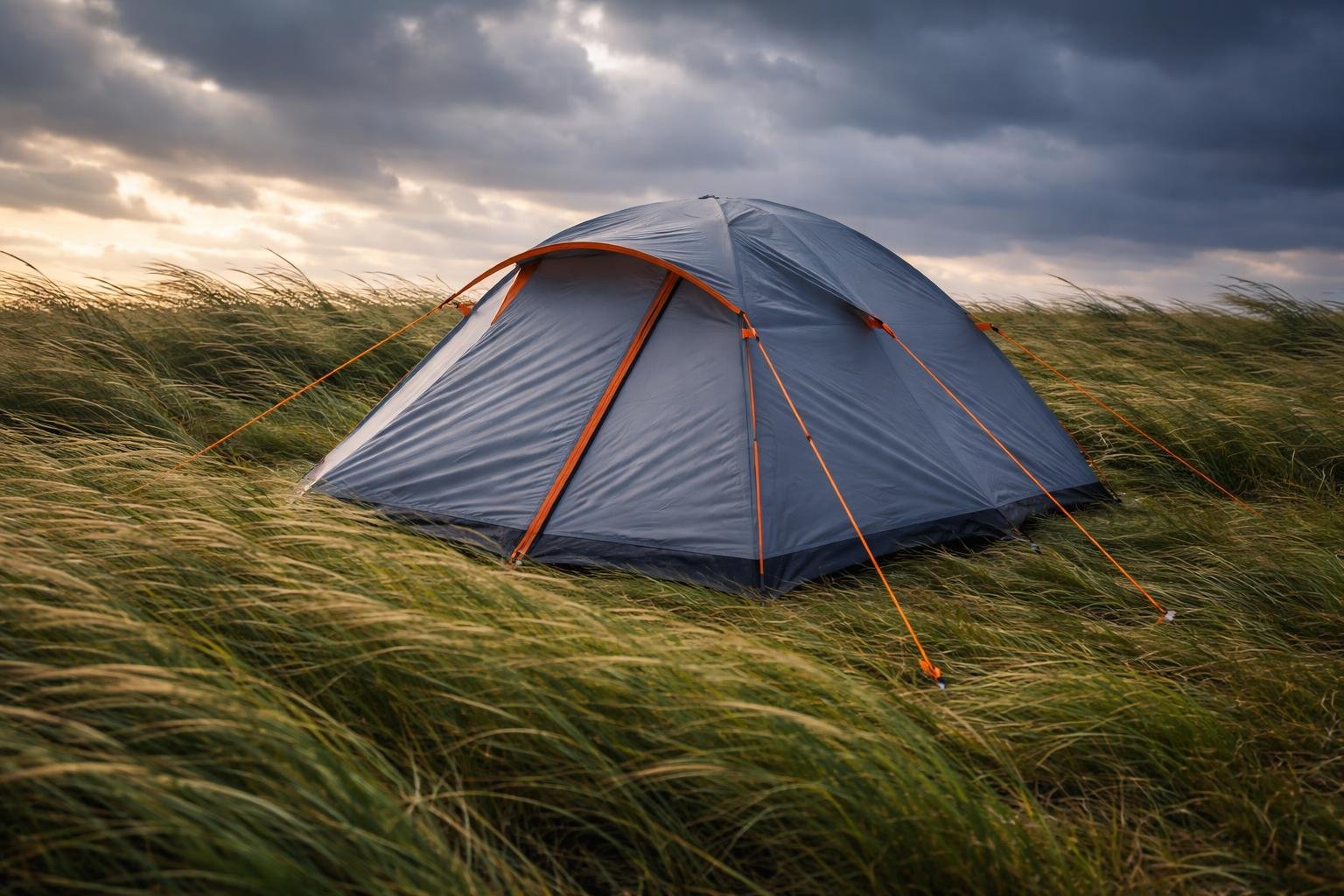
For any outdoor enthusiast, few things can disrupt a peaceful night in nature quite like the sudden onset of strong winds. A reliable tent is your primary shelter against the elements, and in windy conditions, its structural integrity is paramount. This guide will equip you with the knowledge to select and pitch a camping tent that can withstand even gale-force winds, ensuring your comfort and safety in a 3 person tent.
When selecting a wind-resistant tent, the design and materials are critical for ensuring it can withstand high wind speeds. Geodesic tents and semi-geodesic designs, for instance, are renowned for their exceptional wind performance due to their multiple intersecting poles which distribute wind load effectively.
Unlike simpler dome tent structures, these advanced configurations provide numerous points of support, preventing collapse even when facing sustained gusts and strong winds in a 6 person tent. The choice of pole material is equally important; aluminum poles generally offer superior strength-to-weight ratios compared to fiberglass, making them a preferred option for high-wind environments where structural rigidity is paramount.
The aerodynamic profile of a tent significantly influences its ability to shed wind and prevent damage. Tents with a lower, more streamlined shape are inherently more wind resistant, as they present less surface area for the wind to catch, thereby reducing the uplift and stress on the poles and fabric of a 1 person tent.
Manufacturers often test their wind-resistant tents in controlled wind tunnel environments to assess their real-world wind performance and structural integrity under various wind speeds. Furthermore, the denier fabric rating of the rainfly and inner tent material is a key indicator of durability, with higher denier fabrics offering increased tear resistance against abrasive wind-borne particles and prolonged flapping, which can be a common pain point for campers in windy conditions.
Quick Answer
The best tents for windy conditions are geodesic and 4-season tents with aluminum poles, low-profile designs, strong guy-out points, and durable rainflies. Models from Hilleberg, MSR, NEMO, and Mountain Hardwear typically offer the best wind resistance for camping in high winds.
Who Should Buy a Wind-Resistant Tent?
A wind-resistant tent is a smart investment for campers who frequently encounter exposed or unpredictable weather conditions. While not everyone needs an expedition-grade shelter, certain outdoor activities benefit greatly from a tent designed to handle strong winds.
A wind-resistant tent is especially recommended for:
- Backpackers camping in open terrain
- Mountain and alpine campers
- Coastal campers exposed to ocean winds
- Winter campers facing harsh weather
- Overlanders and road trippers
- Hunters and photographers in remote locations
- Campers who frequently experience storms or changing weather conditions
- Anyone camping above the tree line
If your camping trips regularly involve exposed campsites, high elevations, or windy forecasts, choosing a tent with strong poles, an aerodynamic design, and multiple guy-out points can significantly improve comfort, safety, and overall camping enjoyment.
Quick Tip: Occasional campground campers may be fine with a quality 3-season tent, but those who regularly camp in challenging environments should strongly consider a wind-resistant 4-season model.
At a Glance Comparison Table
| Tent | Best For | Season | Weight |
|---|---|---|---|
| Hilleberg Nallo 2 | Overall | 4-Season | 5 lbs |
| MSR Access 2 | Backpacking | 4-Season | 4 lbs |
| NEMO Kunai 2P | All-Around | 4-Season | 4 lbs |
| Trango 2 | Expeditions | 4-Season | 8 lbs |
| Firstlight | Solo/Alpine | 4-Season | 3 lbs |
Best Wind-Resistant Tents Comparison Table
| Tent | Type | Capacity | Wind Resistance |
|---|---|---|---|
| Hilleberg Nallo 2 | Tunnel | 2P | Excellent |
| MSR Access 2 | 4 Season | 2P | Excellent |
| NEMO Kunai | Mountaineering | 2P | Excellent |
| Mountain Hardwear Trango 2 | Expedition | 2P | Outstanding |
| Black Diamond Firstlight | Alpine | 2P | Very Good |
How We Evaluated the Best Wind-Resistant Tents
Finding the best tent for windy conditions requires more than looking at manufacturer claims. To identify the strongest options, we evaluated each tent using criteria that directly impact performance in high winds and severe weather. Our goal was to focus on the features that matter most when stability, durability, and safety are on the line.
Evaluation Criteria
1. Pole Strength
A tent is only as strong as its frame. We prioritized tents with high-quality aluminum pole systems known for their ability to flex under pressure without breaking. Strong pole architecture is one of the most important factors in overall wind resistance.
2. Aerodynamic Design
Tent shape plays a major role in how wind flows around a shelter. Low-profile, geodesic, and tunnel-style tents generally perform better because they reduce wind drag and distribute pressure more evenly across the structure.
3. Guy-Out System
A well-designed guy-out system helps stabilize the tent during strong gusts. We favored tents with multiple reinforced guy-out points, durable attachment loops, and effective tensioning systems that improve stability in exposed environments.
4. Rainfly Durability
Wind often arrives with rain, making rainfly quality an important consideration. We evaluated fabric strength, coverage, attachment systems, and overall durability to determine how well each tent could withstand prolonged exposure to harsh weather.
5. User Reviews and Real-World Feedback
Manufacturer specifications only tell part of the story. We also considered feedback from experienced campers, backpackers, mountaineers, and outdoor enthusiasts who have tested these tents in challenging wind conditions.
6. Manufacturer Testing and Reputation
Brands with proven track records in expedition, mountaineering, and severe-weather camping received additional consideration. We looked for tents that have earned a reputation for reliability in demanding environments.
7. Weight-to-Strength Ratio
For backpackers, carrying unnecessary weight is a concern. We evaluated how effectively each tent balances durability and wind resistance while maintaining a practical packed weight for outdoor travel.
8. Overall Weather Resistance
Wind resistance is only one part of weather protection. We also considered each tent’s ability to handle rain, changing temperatures, and unpredictable outdoor conditions that often accompany strong winds.
Our Testing Philosophy
Rather than focusing solely on specifications, we prioritized real-world performance. The best wind-resistant tent is one that remains stable, secure, and comfortable when conditions become challenging. Factors such as proper tent design, structural strength, and reliable weather protection were given greater importance than marketing claims alone.
What Matters Most in High Winds?
When comparing tents for windy conditions, we believe these factors have the biggest impact on performance:
🥇 Pole Strength and Tent Structure
🥈 Aerodynamic Tent Shape
🥉 Guy-Out System Quality
🏅 Rainfly Durability
🏅 Stake and Anchoring Options
🏅 Overall Weather Protection
In-Depth Reviews of the Best Tents for Windy Conditions
While many tents claim to handle strong winds, only a handful consistently perform well in exposed environments. The following tents are widely recognized for their stability, durable construction, and ability to withstand challenging weather conditions.
1. Hilleberg Nallo 2
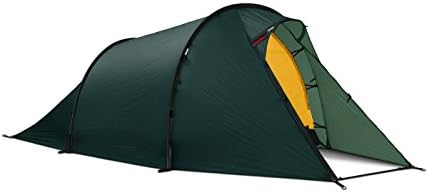
Best Overall Wind-Resistant Backpacking Tent
The Hilleberg Nallo 2 is a premium tunnel tent designed for serious backpackers who frequently encounter harsh weather. Its Kerlon fabric, strong aluminum poles, and aerodynamic shape make it one of the most trusted shelters for windy conditions.
Pros
✔ Exceptional wind resistance
✔ Lightweight for its strength
✔ High-quality Kerlon outer fabric
✔ Excellent weather protection
✔ Proven performance in extreme environments
Cons
✘ Premium price tag
✘ Requires proper orientation for best performance
Key Features
- Capacity: 2 Person
- Weight: Approximately 5 lbs
- Tent Type: Tunnel Tent
- Season Rating: 4 Season
Best For
Backpackers and adventure campers who need maximum wind protection without excessive weight.
2. MSR Access 2

- [rainfly] 20D ripstop nylon
- Imported
- Easton Syclone poles are made with advanced composites to resist breaking in the most challenging winter conditions
Best Lightweight 4-Season Tent
The MSR Access 2 bridges the gap between traditional backpacking tents and heavy expedition shelters. It provides excellent stability in windy weather while remaining light enough for backcountry travel.
Pros
✔ Lightweight 4-season design
✔ Strong aluminum pole architecture
✔ Easy setup
✔ Excellent ventilation
✔ Reliable performance in variable weather
Cons
✘ Less durable than full expedition tents
✘ Limited interior space for extended trips
Key Features
- Capacity: 2 Person
- Weight: Approximately 4 lbs
- Tent Type: Freestanding Dome
- Season Rating: 4 Season
Best For
Backpackers seeking a balance between weight savings and weather protection.
3. NEMO Kunai 2P

- Both a backpacking and a mountaineering tent with a uniquely versatile 3-4 season design.
- Tapered profile, aggressive brow pole, and wind-blocking inner tent keep you protected in extreme weather.
- Dimension Polyant 375D X-Ply composite sailcloth reinforces protection against high winds and blowing snow.
Best All-Around Wind and Weather Tent
The NEMO Kunai combines mountaineering-inspired strength with lightweight backpacking convenience. Its hybrid construction handles strong winds, rain, and light snow exceptionally well.
Pros
✔ Excellent wind stability
✔ Lightweight construction
✔ Durable fabrics
✔ Versatile year-round use
✔ Compact packed size
Cons
✘ Higher price than standard backpacking tents
✘ Interior space may feel limited for two large campers
Key Features
- Capacity: 2 Person
- Weight: Approximately 4 lbs
- Tent Type: Hybrid Mountaineering Tent
- Season Rating: 4 Season
Best For
Campers who need one tent for a wide variety of weather conditions.
4. Mountain Hardwear Trango 2

- Engineered for the extreme situation
- Essential equipment for climbers, mountaineers, and outdoor atheletes
Best Expedition Tent for Extreme Winds
The Mountain Hardwear Trango 2 is built for serious alpine expeditions and severe weather. It features an exceptionally strong pole structure and durable materials capable of handling extreme wind exposure.
Pros
✔ Outstanding storm protection
✔ Extremely durable construction
✔ Excellent stability in severe weather
✔ Spacious interior for an expedition tent
✔ Trusted by mountaineers worldwide
Cons
✘ Heavy for backpacking
✘ Expensive
Key Features
- Capacity: 2 Person
- Weight: Approximately 8 lbs
- Tent Type: Expedition Tent
- Season Rating: Expedition / 4 Season
Best For
Mountaineering, winter camping, and extreme-weather expeditions.
5. Black Diamond Firstlight

- Mesh
- Made in the USA
- Equipment for the most technical, demanding users in the harshest environments
Best Solo and Minimalist Shelter
The Black Diamond Firstlight is a favorite among climbers and minimalist adventurers who prioritize weight savings without sacrificing weather protection.
Pros
✔ Extremely lightweight
✔ Compact packed size
✔ Strong structural design
✔ Fast setup
✔ Excellent for alpine use
Cons
✘ Limited living space
✘ Minimal vestibule storage
Key Features
- Capacity: 2 Person
- Weight: Approximately 3 lbs
- Tent Type: Alpine Shelter
- Season Rating: 4 Season
Best For
Solo campers, climbers, and fast-moving alpine adventures.
Quick Comparison: Which Tent Should You Choose?
| If You Need… | Recommended Tent |
|---|---|
| Best Overall Wind Resistance | Hilleberg Nallo 2 |
| Best Lightweight 4-Season Tent | MSR Access 2 |
| Best All-Around Option | NEMO Kunai 2P |
| Best Extreme Weather Shelter | Mountain Hardwear Trango 2 |
| Best Lightweight Alpine Tent | Black Diamond Firstlight |
Our Top Pick
For most campers, the Hilleberg Nallo 2 offers the best combination of wind resistance, durability, weight, and long-term reliability. However, campers expecting severe alpine weather should consider the Mountain Hardwear Trango 2, while weight-conscious backpackers may prefer the MSR Access 2 or NEMO Kunai 2P.
Best Wind-Resistant Tents by Use Case
Not every camper has the same needs. The best tent for a solo backpacker may not be the best choice for a family camping trip or a winter expedition. Use the table below to quickly identify the best wind-resistant tent based on your camping style and intended use.
| Camping Style / Use Case | Recommended Tent | Why It’s a Great Choice |
|---|---|---|
| Best Overall | Hilleberg Nallo 2 | Outstanding balance of wind resistance, durability, and weight. |
| Best Backpacking Tent | MSR Access 2 | Lightweight design with excellent performance in windy conditions. |
| Best All-Around Tent | NEMO Kunai 2P | Versatile shelter suitable for multiple seasons and weather conditions. |
| Best Expedition Tent | Mountain Hardwear Trango 2 | Built for extreme winds, snow loads, and harsh mountain environments. |
| Best Solo Camper Tent | Black Diamond Firstlight | Lightweight, compact, and highly stable in exposed locations. |
| Best Winter Camping Tent | Mountain Hardwear Trango 2 | Exceptional strength and weather protection for cold-weather adventures. |
| Best Mountaineering Tent | Black Diamond Firstlight | Designed for alpine environments where weight and wind resistance matter. |
| Best Tent for Stormy Weather | Hilleberg Nallo 2 | Proven performance in strong winds and severe weather conditions. |
| Best Lightweight 4-Season Tent | MSR Access 2 | Excellent compromise between packability and weather protection. |
| Best Long-Term Investment | Hilleberg Nallo 2 | Premium materials and construction designed to last for years. |
Quick Recommendations
Choose the Hilleberg Nallo 2 If:
- You want the best overall wind-resistant tent.
- You frequently camp in exposed locations.
- Durability and reliability are top priorities.
Choose the MSR Access 2 If:
- You prioritize lightweight gear.
- You enjoy backpacking in changing weather conditions.
- You want a true 4-season tent without expedition-level weight.
Choose the NEMO Kunai 2P If:
- You need one tent for multiple seasons.
- You want a balance of comfort, weight, and weather protection.
- You frequently camp in mixed conditions.
Choose the Mountain Hardwear Trango 2 If:
- You camp in severe weather regularly.
- You participate in mountaineering or winter expeditions.
- Maximum protection is more important than weight savings.
Choose the Black Diamond Firstlight If:
- You are a solo camper or climber.
- Every ounce matters in your pack.
- You need a compact shelter for alpine adventures.
At-a-Glance Winner Summary
🏆 Best Overall: Hilleberg Nallo 2
🎒 Best Backpacking Tent: MSR Access 2
🌦️ Best All-Around Tent: NEMO Kunai 2P
❄️ Best Winter Tent: Mountain Hardwear Trango 2
⛰️ Best Alpine Tent: Black Diamond Firstlight
Key Features of Wind-Resistant Tents
Structural Design Elements for High Winds
When evaluating a camping tent for its ability to withstand high wind, the fundamental structural design is paramount. Geodesic tents and semi-geodesic designs excel in gale-force winds due to their complex framework of intersecting poles. This sophisticated architecture distributes the wind load across multiple points, creating an incredibly stable and rigid structure that can resist extreme pressures and prevent collapse, a common pain point in windy conditions.
Unlike simpler dome tent structures, which might struggle under sustained strong winds, these robust designs are engineered to flex and shed wind effectively, ensuring the tent remains secure and operational even during a severe thunderstorm. The strategic placement and connection points of the poles are crucial for enhancing overall wind performance and making the tent truly wind resistant.
Material Considerations: Aluminum vs. Fiberglass Poles
The choice of pole material is a critical factor determining a tent’s resilience against strong winds. Aluminum poles are overwhelmingly preferred for wind-resistant tents due to their superior strength-to-weight ratio and ability to withstand significant wind load without deforming or snapping.
They offer greater durability and elasticity compared to fiberglass poles, which can become brittle in cold weather and are more prone to breaking under severe gusts, leading to structural failure and a collapsed tent. While fiberglass might be found in more budget-friendly dome tents, for camping in high-wind conditions, investing in a tent with high-quality aluminum poles is essential for ensuring the structural integrity of your camping tent and preventing painful broken poles at night.
Aerodynamic Profiles for Enhanced Stability
The aerodynamic profile of a wind-resistant tent plays a pivotal role in its ability to manage and shed strong winds. Tents with a low-profile, streamlined shape, such as tunnel tents or those with a smaller frontal area when facing the wind, present less resistance to the wind, thereby minimizing uplift and drag forces. This design philosophy helps to reduce the stress on the poles and fabric, preventing excessive flapping and potential tearing of the rainfly a frequent source of noise and damage in windy conditions.
Many high-performance backpacking tents and 4-season mountaineering tents are designed with these principles in mind, often tested in a controlled wind tunnel to validate their wind performance against various wind speeds and wind direction, ensuring they can withstand intense mph wind.
Understanding Denier Fabric Ratings
The denier fabric rating is a key indicator of a tent’s durability and ability to withstand the abrasive forces of high wind. Denier refers to the linear mass density of the fabric’s fibers, with higher denier numbers indicating thicker, stronger, and more tear-resistant material suitable for 4 season tents. For a wind-resistant tent, particularly the rainfly, a higher denier fabric (e.g., 70D or above) is crucial for preventing tears caused by constant flapping against poles or abrasive wind-borne debris, which can compromise the tent’s integrity.
While ultralight backpacking tents might opt for lower denier fabrics like those used in DCF tents for weight savings, for camping in conditions with strong winds, prioritizing a more robust, higher denier material for your best camping tent will significantly enhance its longevity and wind performance, mitigating the common pain point of tearing fabric.
Wind Speed Guide: How Much Wind Can a Tent Handle?
Not all tents are designed to withstand the same wind conditions. Understanding how different wind speeds affect tent performance can help you choose the right shelter and determine when extra precautions are necessary. While tent design, pitching technique, and campsite selection all play important roles, the table below provides a general guideline for tent camping in windy weather.
Tent Performance by Wind Speed
| Wind Speed | Conditions | Tent Performance |
|---|---|---|
| 0–15 mph | Light breeze | Most camping tents perform normally with minimal stress. |
| 15–25 mph | Moderate wind | Standard dome tents remain stable when properly staked. |
| 25–35 mph | Strong wind | Use all guy lines and ensure the rainfly is tightly tensioned. |
| 35–45 mph | Very strong wind | High-quality backpacking and wind-resistant tents are recommended. |
| 45–55 mph | Near-gale conditions | Geodesic and 4-season tents perform best; campsite selection becomes critical. |
| 55+ mph | Severe weather | Camping becomes risky; only expedition-grade shelters are recommended. |
Expert Tip
Wind resistance depends on more than just tent quality. A properly pitched tent with secure stakes, tensioned guy lines, and a sheltered campsite can often outperform a premium tent that is pitched incorrectly.
Real-World Experience: What I Learned Camping in Strong Winds
During a camping trip on an exposed lakeshore, I experienced overnight wind gusts that were much stronger than the forecast predicted. While several campers nearby struggled with noisy rainflies and bent tent poles, my tent remained stable because it was properly guyed out and pitched with its narrow end facing the wind.
One lesson I learned quickly is that tent design matters more than tent size when camping in windy conditions. A smaller, low-profile tent with strong aluminum poles handled the gusts far better than larger family tents that presented more surface area to the wind. I also noticed that properly tensioning the rainfly significantly reduced flapping noise and improved overall stability throughout the night.
Another important takeaway was the value of quality stakes and guy lines. After rechecking all anchor points before bed, I felt much more confident when the wind intensified after midnight. Since then, I always carry extra stakes and cordage whenever I expect windy weather.
Based on my experience, campers should focus on tent structure, pole quality, and pitching technique rather than relying solely on manufacturer wind-resistance claims. Even the best wind-resistant tent performs poorly if it is not pitched correctly.
Key Lessons Learned
✔ Choose a low-profile tent whenever possible.
✔ Always use all available guy lines in windy conditions.
✔ Aluminum poles are worth the investment for durability and strength.
✔ Face the narrowest side of the tent into the wind.
✔ Carry extra stakes and guylines for unexpected weather changes.
✔ Recheck tent tension before going to sleep if winds are increasing.
How to Choose the Best Tent for Windy Conditions
Choosing the best tent for windy conditions involves more than simply buying the strongest model available. The right combination of tent design, materials, and features can dramatically improve stability, comfort, and safety when strong winds arrive. Before purchasing a wind-resistant tent, consider the following factors.
1. Pole Material Matters
Tent poles are the backbone of your shelter, and their quality directly affects how well a tent handles strong winds.
Aluminum Poles
✔ Stronger and more durable
✔ Better flexibility under wind stress
✔ Less likely to snap during storms
✔ Preferred for backpacking and 4-season tents
Fiberglass Poles
✔ Lower cost
✔ Suitable for fair-weather camping
✘ More prone to cracking and breaking
✘ Less reliable in high winds
Best Choice: Aluminum poles are the preferred option for campers who regularly encounter windy weather.
2. Choose an Aerodynamic Tent Shape
The shape of a tent plays a major role in how effectively it sheds wind.
| Tent Shape | Wind Performance |
|---|---|
| Geodesic Tent | Excellent |
| Semi-Geodesic Tent | Excellent |
| Tunnel Tent | Very Good |
| Low-Profile Dome Tent | Good |
| Cabin Tent | Poor |
| Tall Family Tent | Poor |
Low-profile tents create less wind resistance and place less stress on poles and fabric during strong gusts.
Best Choice: Geodesic and semi-geodesic tents provide the highest level of wind stability.
3. Look for Multiple Guy-Out Points
Guy lines help distribute wind pressure across the tent structure and improve overall stability.
A quality wind-resistant tent should include:
- Multiple guy-out attachment points
- Reinforced guy line loops
- Reflective guylines for visibility
- Strong stake-out points around the perimeter
The more secure anchoring options a tent provides, the better it can handle changing wind directions and sudden gusts.
Best Choice: Tents with six or more reinforced guy-out points generally perform better in severe weather.
4. Select the Right Tent Capacity
Larger tents provide more living space but also create more surface area for the wind to push against.
Smaller Tents (1–3 Person)
✔ Better wind resistance
✔ Easier to pitch securely
✔ Less fabric flapping
Larger Tents (4–8 Person)
✔ More interior space
✘ Increased wind load
✘ Greater stress on poles and stakes
If camping in exposed areas, choosing a tent slightly smaller than you normally need can improve stability during strong winds.
Best Choice: Compact 2-person and 3-person tents generally perform best in windy environments.
5. Evaluate Rainfly Quality
The rainfly acts as the first line of defense against wind-driven rain and flying debris.
Look for:
- Full-coverage rainflies
- Ripstop nylon or polyester fabrics
- Reinforced attachment points
- Waterproof coatings
- Higher denier ratings (70D+ for maximum durability)
A loose or low-quality rainfly can flap excessively in strong winds, causing noise, wear, and potential damage.
Best Choice: Full-coverage rainflies made from durable ripstop materials with reinforced tie-out points.
6. Consider the Tent’s Season Rating
Season ratings provide a general indication of how well a tent handles adverse weather conditions.
| Season Rating | Wind Resistance |
|---|---|
| 2-Season | Low |
| 3-Season | Moderate |
| 3+ Season | Good |
| 4-Season | Excellent |
| Expedition Tent | Outstanding |
3-Season Tents
Ideal for spring, summer, and fall camping with moderate wind exposure.
4-Season Tents
Designed for strong winds, snow loads, and harsh weather conditions.
Expedition Tents
Built for mountaineering and extreme environments where severe weather is expected.
Best Choice: A quality 4-season tent offers the best balance of durability and wind protection for challenging conditions.
Quick Buying Checklist
Before buying a tent for windy conditions, make sure it has:
✅ Aluminum poles
✅ Geodesic or semi-geodesic design
✅ Multiple reinforced guy-out points
✅ Full-coverage rainfly
✅ Durable ripstop fabric
✅ Strong stake-out system
✅ 4-season or high-quality 3-season rating
✅ Positive reviews for wind performance
Tent Shape Comparison: Which Tent Design Handles Wind Best?
Tent shape is one of the most important factors affecting wind resistance. Aerodynamic designs allow wind to flow around the shelter more efficiently, reducing stress on poles, fabric, and guy lines. Before choosing a tent for windy conditions, it’s helpful to understand how different tent shapes perform.
Wind Resistance by Tent Shape
| Tent Shape | Wind Resistance | Strengths | Potential Drawbacks |
|---|---|---|---|
| Geodesic Tent | ⭐⭐⭐⭐⭐ | Outstanding stability, multiple pole intersections, excellent for severe weather | Heavier and more expensive |
| Semi-Geodesic Tent | ⭐⭐⭐⭐⭐ | Strong structure with good weight savings | Slightly less robust than full geodesic designs |
| Tunnel Tent | ⭐⭐⭐⭐ | Excellent aerodynamics and interior space | Requires proper orientation into the wind |
| Low-Profile Dome Tent | ⭐⭐⭐⭐ | Good balance of stability, weight, and ease of setup | Less capable in extreme winds |
| Standard Dome Tent | ⭐⭐⭐ | Suitable for moderate wind conditions | May flex more during strong gusts |
| Pop-Up Tent | ⭐⭐ | Fast and convenient setup | Poor wind performance and limited durability |
| Cabin Tent | ⭐ | Spacious interior for families | Large vertical walls catch wind easily |
Quick Visual Ranking
Best Tent Shapes for Windy Conditions
🥇 Geodesic Tent Best overall wind resistance
🥈 Semi-Geodesic Tent Excellent strength-to-weight ratio
🥉 Tunnel Tent Great aerodynamic performance
🏅 Low-Profile Dome Tent Reliable for most campers
🏅 Standard Dome Tent Suitable for moderate winds
⚠️ Pop-Up Tent Not ideal for exposed campsites
❌ Cabin Tent Poor choice for high-wind environments
Why Geodesic Tents Perform So Well
Geodesic tents use multiple intersecting poles that create a rigid framework capable of distributing wind forces evenly across the structure. This design minimizes stress points and helps the tent maintain its shape during strong gusts, making it a favorite among mountaineers and expedition campers.
Expert Insight: In my experience, tent shape often matters more than tent size when camping in windy conditions. A properly pitched geodesic or low-profile tent will usually outperform a larger shelter with taller walls, even if the larger tent uses similar materials.
Top High Wind-Resistant Tents
Best Backpacking Tents for Windy Conditions
For ultralight adventurers facing the prospect of high wind, selecting a specialized 1 person tent is paramount. These wind-resistant tents are engineered to minimize weight while maximizing their ability to withstand strong winds. Key features often include a compact, aerodynamic profile that sheds wind effectively, reinforced aluminum poles, and a robust rainfly made from durable, yet lightweight, materials.
Many top-tier backpacking tents, such as those from Hilleberg or certain Big Agnes models, incorporate advanced geodesic or semi-geodesic designs, providing exceptional stability even in gale-force winds. Their minimal footprint and optimized guy line attachment points allow for a secure pitch, ensuring the tent remains a reliable shelter even when camping in exposed, windy conditions, such as with a 4 person tent.
Top Dome Tents with Wind Resistance
Traditional dome tents, while generally simpler in design, can still offer impressive wind performance if engineered correctly for windy conditions. The best wind-resistant dome tents feature strong, intersecting poles – often made of high-quality aluminum – that create a sturdy, self-supporting structure capable of distributing wind load efficiently. Look for models that emphasize a lower profile and a taut pitch, minimizing the surface area exposed to strong winds.
Many 3-person or 4-person dome tent designs are enhanced with additional external guy lines and strong peg points, crucial for anchoring the camping tent securely during a severe thunderstorm. While not always as inherently stable as a full geodesic tent, a well-designed dome tent can certainly withstand significant mph wind, making it a versatile option for various camping scenarios.
Recommended 4-Season/Expedition Tents
When preparing for extreme high wind and severe weather, 4-season/expedition tents are the undisputed champions of wind resistance. These formidable shelters are built to withstand the most ferocious gale-force winds, heavy snow loads, and prolonged exposure to harsh elements, making them ideal for mountaineering or winter camping. Their construction typically involves multiple robust aluminum poles, often forming complex geodesic or semi-geodesic frameworks, to create an incredibly rigid structure.
Fabrics are of the highest denier, ensuring extreme tear resistance for the rainfly, and every attachment point is heavily reinforced. Brands like Hilleberg and Marmot are renowned for their expedition tents, which undergo rigorous wind tunnel testing to ensure unparalleled wind performance and structural integrity, providing a crucial lifeline in the most challenging windy conditions.
Comparative Review of Tent Features
When comparing different wind-resistant tents, several features warrant close scrutiny to ensure optimal wind performance, especially in 4 season tents. The number and quality of poles are critical; a 1-person tent or 2-person tent with 3 or more strong aluminum poles forming a geodesic structure will generally outperform a simpler 2-pole dome tent in high wind.
The aerodynamic shape is also vital; low-profile tunnel tents or pyramid tents like a Tarptent Trailstar inherently shed wind more effectively than taller, boxier designs, reducing the wind load. Furthermore, the overall construction quality, including robust zippers, reinforced stress points, and the denier rating of the rainfly fabric, significantly contributes to a camping tent’s ability to withstand strong winds. Evaluating these elements comprehensively allows campers to make an informed decision, selecting a tent that can reliably pitch and stand strong even when facing the wind at extreme mph.
How to Safely Pitch a Tent in Strong Winds
Effective Staking Techniques for Stability
Proper staking is fundamental to ensuring your tent can withstand strong winds and prevent a collapsed tent, particularly for wind resistant tents. It’s not enough to simply drive pegs into the ground; the angle and depth are critical for maximizing holding power in a 6 person tent. When camping in windy conditions, always stake your tent at a 45-degree angle, driving the stakes fully into the ground away from the tent.
This creates optimal tension and resistance against uplift, allowing the camping tent to resist intense wind load. For particularly exposed sites or during a severe thunderstorm, consider using longer, heavy-duty stakes and, if available, “deadman” anchors—burying a large rock or log horizontally to act as a secure peg point. Proper staking distributes the forces of high wind across the tent’s base, preventing the fabric from tearing and the poles from breaking, which are common pain points for campers using wind resistant tents.
Guying Out Your Tent: Best Practices
Guying out your tent effectively is perhaps the most crucial step in securing it against strong winds. Most wind-resistant tents come with multiple guy line attachment points on the rainfly, designed to enhance the structural integrity of 4 season tents. Extend every available guy line, anchoring them securely with stakes, again at a 45-degree angle from the ground and perpendicular to the tent walls.
For optimal wind performance, ensure the guy lines are taut but not overly strained, allowing a slight give to absorb gusts without transferring excessive stress to the poles. If your dome tent or backpacking tent only has a few guy lines, consider adding additional ones using cordage and small loops, especially at the tent’s most wind-exposed points. Hilleberg tents, for instance, are renowned for their extensive guy line systems, which significantly boost their ability to withstand gale-force winds.
Orienting and Pitching Your Tent in Severe Weather
The orientation of your tent in windy conditions can significantly impact its ability to withstand strong winds. Whenever possible, pitch your tent with its narrowest and lowest profile side facing the wind, presenting the smallest surface area to the oncoming gusts. This aerodynamic orientation helps the tent shed wind more effectively, reducing the wind load and minimizing stress on the poles and fabric. Avoid pitching your camping tent in exposed ridges or wide-open clearings where the wind can hit it unimpeded.
Instead, look for natural windbreaks like large rocks, dense vegetation, or a slight depression in the terrain when setting up your 4 person tent. If the wind direction shifts frequently, as often happens during a thunderstorm, robust, freestanding tents like a geodesic tent offer greater flexibility and stability compared to tunnel tents which are more directional. Always remember to check weather forecasts for mph wind speeds before you pitch.
Tips for Reducing Noise from Tent Flapping
One of the most disruptive pain points in windy conditions is the incessant noise of tent flapping, which can severely impact sleep. To reduce this, ensure your wind-resistant tent is pitched as tautly as possible, eliminating any loose fabric on the rainfly or inner tent. Properly adjust all tension straps and guy lines to pull the fabric drum-tight, especially around the poles and edges.
Even a slightly slack rainfly will flap violently in strong winds, putting undue stress on seams and materials and contributing to the feeling of a precarious shelter. Additionally, secure all zippers and vents to prevent them from vibrating. For tunnel tents or 4-season tents, ensure all sections are fully extended and tensioned. Some ultralight DCF tents, while incredibly strong, can be inherently noisier due to the stiffness of the fabric, but proper pitching can still mitigate much of the discomfort caused by gusting wind.
Common Mistakes When Camping in High Winds
Even the best wind-resistant tent can fail if it is set up incorrectly. Many camping problems during windy weather are caused by avoidable mistakes rather than poor equipment. Understanding these common errors can help keep your tent secure, comfortable, and safe when strong winds arrive.
1. Pitching Broadside to the Wind
One of the biggest mistakes campers make is positioning the largest side of the tent directly into the wind. This increases wind pressure on the tent walls and places unnecessary stress on poles, seams, and guy lines.
Better Approach: Always pitch the narrowest and lowest-profile end of the tent facing the prevailing wind whenever possible.
2. Ignoring Guy Lines
Many campers skip using guy lines when the weather appears calm, only to regret it when winds increase overnight.
Guy lines help distribute wind forces across the tent structure and significantly improve stability during gusty conditions.
Better Approach: Use every available guy-out point when camping in exposed or potentially windy locations.
3. Using Cheap or Weak Stakes
Standard stakes included with some tents may not provide enough holding power in loose soil, sand, or windy environments.
Weak stakes can pull out of the ground, causing the tent to lose tension and become unstable.
Better Approach: Upgrade to heavy-duty aluminum or steel stakes designed for the terrain where you’ll be camping.
4. Choosing an Oversized Tent
Large tents offer more interior space but also create a larger surface area for the wind to push against.
This can increase stress on poles, guy lines, and stake-out points during strong gusts.
Better Approach: Choose the smallest tent that comfortably meets your needs, especially when camping in exposed locations.
5. Camping on Exposed Ridges
While ridge-top campsites often provide beautiful views, they are usually the first areas to experience strong winds and sudden weather changes.
High elevations with no natural windbreaks can expose your tent to constant wind pressure throughout the night.
Better Approach: Look for sheltered campsites protected by trees, hills, rock formations, or natural terrain features.
6. Leaving the Rainfly Loose
A loose rainfly can flap loudly in the wind, create unnecessary wear on the fabric, and reduce the tent’s overall stability.
Constant flapping may also disturb sleep and place extra strain on attachment points.
Better Approach: Tighten all rainfly tension points and guy lines until the fabric is taut but not overstretched.
7. Not Checking the Weather Forecast
Many campers underestimate how quickly weather conditions can change.
Unexpected storms, strong gusts, or shifting wind directions can turn a comfortable campsite into a challenging situation.
Better Approach: Check local weather forecasts before departure and monitor changing conditions throughout your trip.
Quick Checklist Before Bed
Before going to sleep in windy conditions, make sure you:
✅ Recheck all stakes
✅ Tighten guy lines
✅ Secure the rainfly
✅ Close vents and doors as needed
✅ Remove loose gear around camp
✅ Confirm wind direction hasn’t shifted
✅ Review overnight weather forecasts
Expert Tip
In my experience, spending five extra minutes checking guy lines and tent tension before bedtime can prevent hours of stress during a windy night. Most tent failures happen because small setup issues are overlooked, not because the tent itself is inadequate.
Frequently Asked Questions
What type of tent is best for high winds?
Geodesic and semi-geodesic tents are generally considered the best tents for high winds. Their intersecting pole structures distribute wind pressure evenly across the tent, providing excellent stability during strong gusts and severe weather.
Can a tent survive 50 mph winds?
Yes, some high-quality 4-season and expedition tents can withstand 50 mph winds when properly pitched and secured with strong stakes and guy lines. However, performance depends on tent design, campsite selection, and how well the tent is anchored.
Are dome tents good in windy conditions?
Many dome tents perform well in moderate to strong winds, especially those with aluminum poles and multiple guy-out points. However, geodesic tents typically offer better wind resistance in extreme conditions.
What is a geodesic tent?
A geodesic tent uses multiple intersecting poles that form a strong, self-supporting framework. This design distributes wind loads efficiently and provides exceptional stability, making it a popular choice for mountaineering, winter camping, and high-wind environments.
How do I stop my tent from blowing away?
To prevent your tent from blowing away:
Use all available guy lines
Stake the tent securely
Face the narrow end into the wind
Choose a sheltered campsite
Check stake tension regularly
Use heavy-duty stakes in loose soil
Proper setup is often more important than tent price when camping in windy conditions.
Are aluminum poles stronger than fiberglass?
Yes. Aluminum poles are generally stronger, lighter, and more flexible than fiberglass poles. They can bend under wind stress without breaking as easily, making them the preferred choice for wind-resistant and 4-season tents.
How many guy lines should I use?
In windy conditions, you should use every guy line provided by the manufacturer. For exposed campsites, additional guylines can further improve stability and help distribute wind pressure across the tent structure.
Is a 4-season tent worth it for wind?
If you frequently camp in exposed locations, mountains, coastal areas, or regions with severe weather, a 4-season tent is often worth the investment. These tents are specifically designed to handle strong winds, heavy rain, and challenging conditions.
What wind speed is unsafe for camping?
There is no universal limit, but sustained winds above 40 mph can become challenging for many recreational tents. Winds exceeding 50 mph may create hazardous conditions, especially in exposed areas. Always check weather forecasts and evaluate your equipment’s capabilities before camping.
How do I reduce tent flapping noise?
To reduce tent flapping noise:
Tighten the rainfly properly
Tension all guy lines
Use all stake-out points
Reposition the tent to face the wind
Remove loose fabric whenever possible
A properly pitched tent not only reduces noise but also improves overall wind resistance and comfort.
Recommendation Summary: Our Top Picks for Windy Conditions
If you’re short on time and just want the best tent for your specific needs, here’s a quick summary of our top recommendations.
Editor’s Choice: The Hilleberg Nallo 2 stands out as the best overall tent for windy conditions thanks to its exceptional durability, aerodynamic design, and proven performance in harsh weather.
| Category | Top Pick |
|---|---|
| 🏆 Best Overall | Hilleberg Nallo 2 |
| 🎒 Best Backpacking Tent | MSR Access 2 |
| 🌦️ Best All-Around Tent | NEMO Kunai 2P |
| ❄️ Best Winter Camping Tent | Mountain Hardwear Trango 2 |
| ⛰️ Best Mountaineering Tent | Black Diamond Firstlight |
| 💨 Best for Severe Winds | Mountain Hardwear Trango 2 |
| 🎯 Best Value for Performance | NEMO Kunai 2P |
| 🥇 Best Long-Term Investment | Hilleberg Nallo 2 |
Which Camping Tent Should You Choose?
- Choose the Hilleberg Nallo 2 if you want the best overall combination of wind resistance, durability, and reliability.
- Choose the MSR Access 2 if you prioritize lightweight backpacking without sacrificing weather protection.
- Choose the NEMO Kunai 2P if you want a versatile tent that performs well across multiple seasons and conditions.
- Choose the Mountain Hardwear Trango 2 if you regularly camp in extreme weather, winter conditions, or exposed mountain environments.
- Choose the Black Diamond Firstlight if you’re a solo camper, climber, or alpine adventurer looking to minimize pack weight.
Final Buying Advice
When choosing the best tent for windy conditions, prioritize tent shape, pole strength, guy-out points, and overall weather resistance over marketing claims alone. A properly pitched, high-quality tent will provide better protection and comfort than a larger tent with weaker construction, especially when strong winds arrive unexpectedly.
Conclusion: Best Tent for High Winds
Choosing the best tent for windy conditions is about more than simply buying the strongest shelter on the market. A tent’s ability to withstand strong winds depends on a combination of factors, including its design, pole material, rainfly quality, guy-out system, and how well it is pitched in the field. Geodesic and 4-season tents typically offer the highest level of wind resistance, while durable aluminum poles and multiple guy lines provide the structural support needed during severe weather.
Equally important is proper campsite selection and setup. Even the most expensive tent can struggle if it is pitched broadside to the wind, secured with inadequate stakes, or left with a loose rainfly. By understanding wind speed limitations, choosing the right tent features, and following proven setup techniques, campers can significantly improve both safety and comfort in challenging conditions.
Whether you’re planning a backpacking adventure, a family camping trip, or an expedition into exposed terrain, investing in a quality wind-resistant tent and learning how to use it correctly can make all the difference when the weather takes an unexpected turn. With the right preparation, you can camp confidently knowing your shelter is ready to handle whatever the forecast brings.