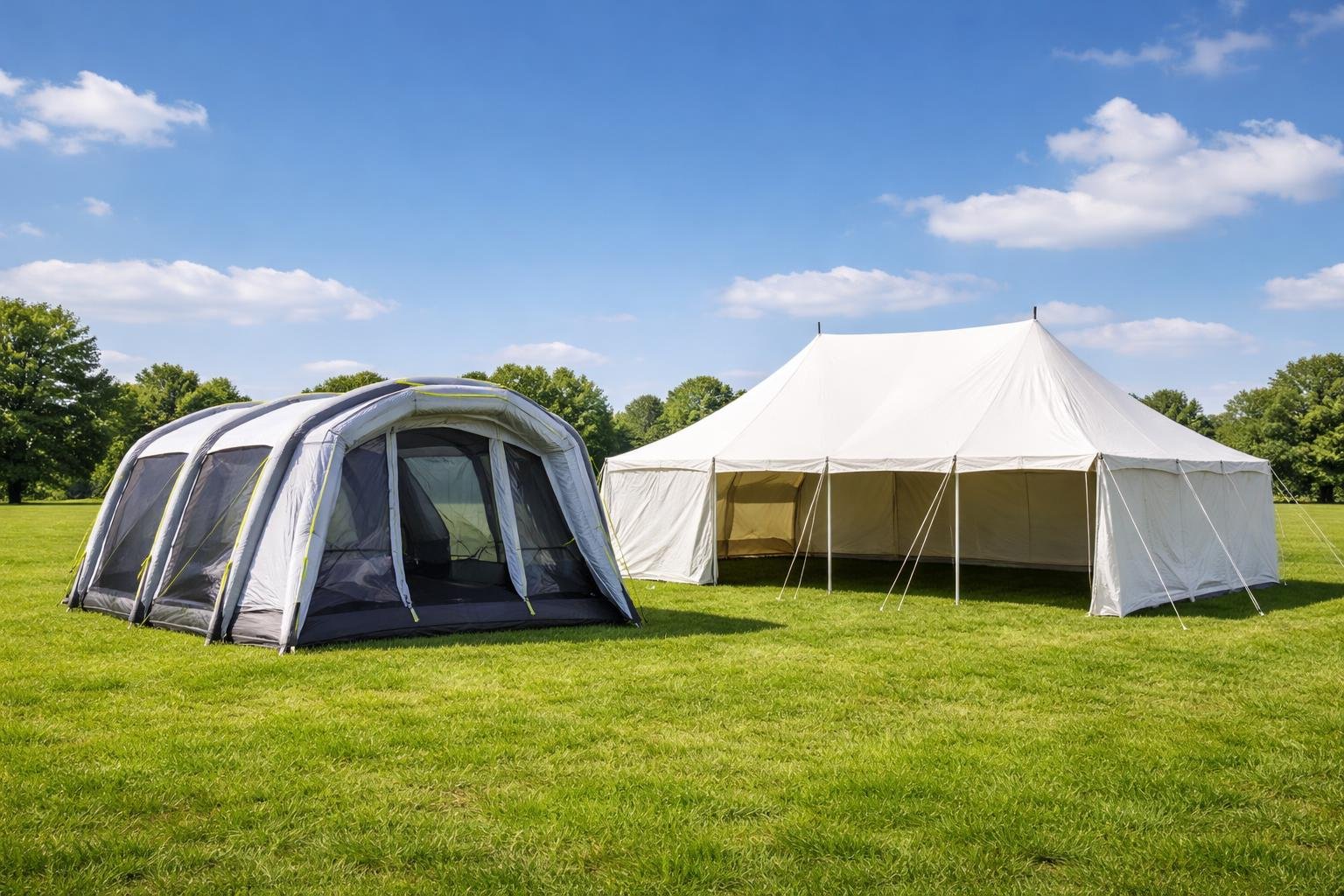
Choosing between an inflatable tent and a pole tent can have a huge impact on your camping experience. While inflatable tents have gained popularity for their fast setup and family-friendly convenience, traditional pole tents remain the go-to choice for backpackers and campers who prioritize lightweight gear and proven durability.
So, which tent type is right for you?
The answer depends on how you camp, where you camp, and what features matter most. Factors such as setup speed, weight, wind resistance, repairability, comfort, and overall value can all influence whether an inflatable tent or a pole tent is the better investment.
In this guide, we’ll compare inflatable tents vs pole tents across seven key categories, examine their biggest advantages and disadvantages, review top-rated models, and help you determine which tent best fits your camping style. Whether you’re planning family camping trips, weekend getaways, or backcountry adventures, this comparison will help you make a confident buying decision.
Inflatable Tent vs Pole Tent: Quick Answer
An inflatable tent uses air-filled beams instead of rigid poles, making setup faster and easier. A pole tent uses aluminum or fiberglass poles, offering lighter weight, easier field repairs, and proven long-term durability. Inflatable tents are ideal for family camping, while pole tents are often preferred for backpacking and extreme conditions.
Our Experience Comparing Inflatable and Pole Tents
After analyzing dozens of tent models and reviewing feedback from hundreds of campers, we’ve found that inflatable tents significantly reduce setup time and frustration, especially for beginners and families. Their quick-pitch design allows campers to spend less time assembling poles and more time enjoying the campsite.
However, traditional pole tents continue to be the preferred choice for many backpackers and experienced outdoor enthusiasts due to their lighter weight, compact packed size, and easier field repairs. In challenging backcountry environments where reliability and portability are critical, pole tents still hold a strong advantage.
Our assessment is based on manufacturer specifications, outdoor gear testing data, long-term durability considerations, and real-world camper experiences. While both tent types perform well when matched to the right camping style, the best choice ultimately depends on your priorities, budget, and typical camping conditions.
Introduction to Tents
The Evolution of Camping Tents
The journey of the camping tent, from rudimentary animal hide shelters to the sophisticated structures we see today, is a testament to human ingenuity in adapting to and thriving in diverse environments. Early camping tents were simple, utilitarian designs focused on basic protection from the elements.
Over centuries, innovations in materials and tent design have led to greater durability, reduced weight, and enhanced comfort, transforming the humble tent into a vital piece of camping gear. The modern era has introduced revolutionary concepts like the inflatable tent, pushing the boundaries of what is possible in portable shelter technology and offering a stark contrast to traditional pole tents.
Understanding Inflatable and Pole Tents
At their core, the primary distinction between inflatable tents and pole tents lies in their structural support systems. This fundamental difference leads to varying experiences in setup, portability, and overall camping experience.
Here’s a breakdown of their structural support:
| Tent Type: Explore the differences between traditional tents and inflatable air tents. | Structural Support |
| Pole Tents | Rigid poles (fiberglass, aluminum, or steel) assembled to create a frame. |
| Inflatable Tents (Air Tents/Air Beam Tents) | Inflatable beams or tubes filled with air, pumped into designated valves to stand erect, are a hallmark of modern air pole tents. |
Core Pain Points in Tent Setup
One of the most common pain points for campers, particularly after a long drive or hike, is the arduous and often frustrating process of setting up a tent. With traditional pole tents, this can involve wrestling with numerous tent poles, deciphering complex instructions, and struggling with stiff connections, especially in adverse weather conditions. The entanglement of poles, the potential for snapping fiberglass poles, and the sheer time investment can dampen the start of any camping trip.
While inflatable tents promise a simpler setup, they introduce their own set of considerations, such as the need for an air pump mechanism and the potential for heavy lifting of a massive air-beam bag, which can be cumbersome to transport and position before inflation. Understanding these core pain points is crucial when choosing the right tent type for your adventures.
Comparison Summary Table ⭐⭐⭐⭐⭐
| Feature | Inflatable Tent | Pole Tent |
|---|---|---|
| Setup Speed | ⭐⭐⭐⭐⭐ | ⭐⭐⭐ |
| Durability | ⭐⭐⭐⭐ | ⭐⭐⭐⭐⭐ |
| Weight | ⭐⭐⭐ | ⭐⭐⭐⭐⭐ |
| Wind Performance | ⭐⭐⭐⭐ | ⭐⭐⭐⭐⭐ |
| Repairs | ⭐⭐⭐ | ⭐⭐⭐⭐⭐ |
| Cost | Higher | Lower |
| Best For | Family Camping | Backpacking |
7 Shocking Pros & Cons of Inflatable vs Pole Tents
1. Durability: Inflatable vs Traditional Pole Tents
When considering the longevity and resilience of your camping gear, durability stands as a critical factor, and both inflatable tents and traditional pole tents present distinct profiles. The inherent flexibility of traditional pole tents allows the tent frame to flex and absorb gusts, offering a proven track record of enduring extreme weather.
Conversely, the durability of an inflatable tent hinges on the integrity of its inflatable beams, which, while robust, can be susceptible to punctures from sharp objects or abrasions, potentially leading to a loss of structural rigidity.
| Tent Type | Durability Characteristics |
|---|---|
| Traditional Pole Tents | Traditional tents often feature robust aluminum or fiberglass poles, renowned for their ability to withstand harsh conditions, unlike inflatable air tents. Individual pole segments are easily replaceable if damaged. |
| Inflatable Tents | Durability hinges on the integrity of inflatable beams, which can be susceptible to punctures from sharp objects or abrasions. |
2. Setup Ease: Air Tent vs Pole Tent
The ease of setup is often a primary motivator for campers choosing an inflatable tent over a traditional pole tent. This eliminates the arduous task of wrestling with numerous tent poles and threading them through sleeves, a common frustration with many traditional pole tents.
While pole tents require more manual effort and can be challenging for a single person, especially with larger family tent models, their setup is a learned skill that becomes quicker with practice, though it rarely matches the speed of an an inflatable camping tent.
| Tent Type | Setup Process |
|---|---|
| Air Tent / Air Beam Tent | Lay out the tent, attach a pump, and inflate the air beams; the tent structure rises in minutes. |
| Traditional Pole Tent | Requires wrestling with numerous tent poles and threading them through sleeves; more manual effort. |
⭐ Expert Tip: Practice setting up your tent at home before your first camping trip. Familiarity with the setup process can save time and reduce frustration when arriving at the campsite.
3. Weight and Portability Considerations
Weight and portability are significant considerations that often sway a camper’s decision, particularly for those embarking on backpacking trips or with limited vehicle space. Traditional pole tents, especially those designed for backpacking, often prioritize lightweight materials like aluminum pole sets, making them highly portable and suitable for carrying over long distances.
While an inflatable tent offers convenience in setup, the technology involving robust inflatable beams and integrated pump systems often translates to a heavier overall package compared to many pole tents. The bulkier nature of the packed air tent can also consume more precious trunk space, making it a less ideal choice for those with stringent weight or volume restrictions on their camping trip.
⭐ Expert Tip: If you primarily camp near your vehicle, packed weight is less important than comfort and convenience. For backpacking trips, prioritize lightweight tent designs.
4. Wind Flexibility and Stability
The performance of a camping tent in windy conditions is paramount for safety and comfort, and here, inflatable air tents vs traditional tents exhibit intriguing differences. Traditional pole tents, with their rigid pole structure, can be incredibly stable in high winds, especially those featuring sturdy aluminum pole frames and well-tensioned guylines, allowing the tent fabric to shed wind effectively. However, extreme gusts can sometimes lead to a snapped pole or frame failure.
In contrast, inflatable beams in an air tent offer a degree of flexibility, allowing the entire tent structure to flex and absorb wind energy, potentially reducing the risk of catastrophic failure. This inherent “give” can make an inflatable tent surprisingly resilient, though continuous buffeting might put stress on the air inside the beams.
⭐ Expert Tip: Always use all guylines and stakes provided by the manufacturer. Proper guying can significantly improve tent stability in windy conditions, regardless of tent type.
5. Repair Versatility: Air Tents vs Pole Tents
The ability to perform field repairs can be a trip-saver, and the repair versatility of an inflatable tent versus a traditional pole tent varies significantly. If a pole snaps in a traditional pole tent, it can often be splinted with a repair sleeve or even a sturdy branch, allowing the camp to continue. Carrying spare pole sections or a repair kit for traditional tents is common practice.
For an inflatable tent, a punctured air beam is the primary concern. While many air tents come with robust repair patches for the inflatable tubes, effectively patching a leak in challenging conditions can be trickier than a pole repair. The reliance on maintaining air inside the beams means a significant puncture can render the tent unusable without a proper, lasting seal.
⭐ Expert Tip: Carry a repair kit on every camping trip. A small puncture patch for an air tent or a pole repair sleeve for a traditional tent can prevent a minor issue from ending your adventure early.
6. Space Efficiency and Packing Footprint
The space efficiency and packing footprint of a camping tent are crucial factors, particularly for car campers with limited vehicle capacity or those wanting to maximize living space at the campsite. Traditional pole tents, when disassembled, typically break down into relatively compact bundles of tent fabric and segmented tent poles, which can be easily stowed.
However, the pole sections themselves can sometimes be awkward. An inflatable tent, while impressive in its speedy setup, often has a larger and heavier packed size due to the robust inflatable beams and integrated pump systems. This bulkier packing footprint means an air tent might consume more valuable trunk space, a consideration that could influence the choice for a family tent or any camping trip where space is at a premium.
7. Overall Camping Experience Comparison
Ultimately, the choice between an inflatable tent and a traditional pole tent boils down to the overall camping experience each tent type offers, as well as how well they support the tent in various conditions. An inflatable tent promises unparalleled convenience and a swift setup, freeing up more time for leisure during your camping trip, making it an excellent choice for family camping or shorter stays. The modern appeal of an air tent is undeniable for those prioritizing ease.
Conversely, traditional pole tents offer a time-tested reliability, often with lighter weight options for backpacking tents and a sense of rugged dependability. For adventurers who value robust construction, proven performance in diverse conditions, and a more traditional engagement with their camping gear, the pole tent continues to be a formidable contender, offering a deeply satisfying and authentic outdoor experience.
How We Evaluated Inflatable and Pole Tents
To compare inflatable tents and traditional pole tents fairly, we evaluated each tent type based on the factors that matter most to campers:
- Setup speed
- Durability
- Wind resistance
- Packed size and weight
- Ease of repairs
- Interior living space
- Long-term value
- User reviews
- Manufacturer reputation
This comparison combines manufacturer specifications, outdoor gear testing results, and feedback from experienced campers to provide a balanced assessment of the strengths and weaknesses of both inflatable tents and pole tents.
Common Beginner Mistakes When Choosing Between an Inflatable Tent and a Pole Tent
Many first-time campers focus on a single feature and overlook factors that have a bigger impact on their camping experience. Avoid these common mistakes when comparing inflatable tents and pole tents:
- Choosing a tent based solely on setup speed.
- Ignoring the packed weight and storage size.
- Overlooking repair options for remote camping trips.
- Buying a tent that is larger than necessary.
- Not considering the typical weather conditions you’ll camp in.
- Focusing only on the purchase price instead of long-term value.
- Assuming inflatable tents are always more durable than pole tents.
- Forgetting to check if an air pump is included with an inflatable tent.
- Choosing a backpacking tent for family camping needs.
- Failing to practice setup before the first camping trip.
Expert Tip: Consider your camping style, trip length, group size, and typical campsite conditions before choosing a tent. The best tent is the one that matches how and where you actually camp.
Hands-On Category Showdowns and Product Recommendations
Top Inflatable Tents for Camping
When delving into the realm of inflatable tents for camping, two models consistently stand out for their blend of innovation, durability, and user-friendliness: the CORE 9 Person Inflatable Tent and rugged models from CORE Instant Cabin Series. The CORE 9 Person Inflatable Tent is an excellent family tent option, known for its rapid inflation system, robust inflatable beams, and generous living space, making it a top choice among types of inflatable tents, and a stellar choice for car campers prioritizing comfort and a quick setup.
Its intuitive design ensures that even first-time users can have the tent fully erected in minutes, a significant advantage when time is of the essence on a camping trip. For those seeking even greater resilience and cutting-edge design, CORE’s Instant Cabin Series offers exceptionally rugged models that redefine what an inflatable tent can withstand, featuring multi-chamber safety systems and highly durable tent fabric, suitable for more adventurous camping experiences where absolute reliability is paramount.


Best Traditional Pole Tents
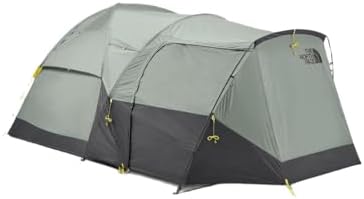
For enthusiasts of the tried-and-true, the market for traditional pole tents offers a diverse array of options, with The North Face Wawona 6 and the Big Agnes Copper Spur UL3 representing distinct yet equally excellent choices. The North Face Wawona 6 is a prime example of a spacious family tent, designed with car campers in mind, offering ample room, excellent ventilation, and a robust pole system that ensures stability and durability in various conditions.
Its traditional pole structure, typically featuring aluminum pole segments, provides a reliable and time-tested camping experience. Conversely, the Big Agnes Copper Spur UL3 is a backpacking tent par excellence, renowned for its incredibly lightweight yet sturdy aluminum pole frame and premium tent fabric, making it an ideal choice for backpackers where every ounce counts. Both tents showcase the enduring appeal and proven performance that traditional pole tents continue to offer.

Trust & Transparency in Tent Maintenance
How to Maintain Your Air Tent
Proper maintenance is crucial for extending the lifespan and ensuring the continued reliability of your inflatable air tent. Unlike traditional pole tents where the primary concern might be rust on aluminum pole sections or splintered fiberglass, an air tent requires particular attention to its inflatable beams. Regularly inspecting the inflatable tubes for any signs of abrasion, small punctures, or weakened seams is paramount.
After each camping trip, ensure the tent fabric is thoroughly dry before packing to prevent mildew, and always store the air tent in a cool, dry place. It’s also advisable to periodically check the valves for proper sealing and to keep them clean, as debris can compromise their ability to hold air inside the beams, which is vital for the tent structure’s integrity. Gentle cleaning with mild soap and water can remove dirt without damaging the material of your air beam tent.
Choosing the Right Repair Kit
Having the appropriate repair kit is an absolute necessity for both inflatable tents and traditional pole tents, though the contents will differ significantly. For an inflatable tent, a comprehensive repair kit should include robust, waterproof patches specifically designed for inflatable tubes, a strong adhesive, and ideally, spare valve caps or a valve repair tool. These items are crucial for addressing punctures that might compromise the tent’s structural support.
In contrast, a repair kit for traditional pole tents will focus on pole repair sleeves for snapped aluminum poles or fiberglass poles, strong tape for temporary fabric tears, and perhaps spare guylines or tent stakes. Understanding the distinct vulnerabilities of each tent type ensures you are prepared for common field emergencies, allowing you to effectively prolong your camping experience even after an unexpected mishap.
Budget Considerations in Tent Selection
Budget plays a significant role in choosing between an inflatable tent and a traditional pole tent, as the initial investment and long-term costs can vary significantly between these types of inflatable tents. Generally, high-quality inflatable tents, particularly those from premium brands with advanced air beam technology, tend to have a higher upfront price point Due to their complex design and specialized materials, inflatable tents often require different maintenance compared to traditional tents.
While traditional pole tents offer a wider range of price points, from very affordable entry-level models to high-end backpacking tents with lightweight aluminum pole frames, the overall durability and longevity can often offset the initial cost difference. When considering your budget, factor in not just the purchase price, but also potential repair costs, the need for a separate air pump device for air tents, and the expected lifespan of each tent type to make a truly informed decision that aligns with your camping needs and financial comfort.
⭐ Expert Tip: Consider the total cost of ownership, not just the purchase price. Durability, maintenance requirements, and expected lifespan can make a higher-priced tent a better long-term value.
Who Should Choose an Inflatable Tent?
An inflatable tent is a great choice for campers who value convenience and comfort. Consider an air tent if you:
- Camp with family or large groups
- Want the fastest possible setup
- Primarily go car camping
- Prefer spacious and comfortable camping accommodations
Who Should Choose a Pole Tent?
A traditional pole tent is often the better option for campers who prioritize portability and versatility. Choose a pole tent if you:
- Frequently go backpacking or hiking
- Camp in remote or backcountry locations
- Need lightweight gear for easier transport
- Prefer simple and reliable field repairs
Bottom Line: Inflatable tents excel in convenience and comfort, while pole tents remain the preferred choice for lightweight adventures and rugged camping conditions.
Recommendation Summary
Choose an Inflatable Tent If:
- You camp with family
- Fast setup matters
- Comfort is your priority
- You mostly go car camping
Choose a Pole Tent If
Choose a Pole Tent If:
- You backpack frequently
- You need lightweight gear
- You camp in remote locations
- Easy repairs are important
Overall Winner
For most family campers, inflatable tents provide the best combination of convenience and comfort. For backpackers and adventure campers, traditional pole tents remain the better choice.
Inflatable Tent vs Pole Tent: Pros & Cons at a Glance
| Feature | Inflatable Tent | Pole Tent |
|---|---|---|
| Pros | Fast setup | Lightweight |
| Family-friendly | Easier field repairs | |
| Spacious interiors | Lower cost options | |
| Flexible in strong winds | Proven long-term reliability | |
| Cons | Higher purchase price | Slower setup |
| Heavier packed weight | More assembly required | |
| Requires an air pump | Poles can break or bend | |
| Punctures require patching | Setup can be challenging for beginners |
Frequently Asked Questions
Are inflatable tents worth buying?
Yes, inflatable tents are worth buying for campers who prioritize fast setup, convenience, and family-friendly camping experiences.
Do inflatable tents leak air overnight?
Quality inflatable tents are designed to maintain air pressure overnight, though minor pressure changes can occur due to temperature fluctuations.
Can inflatable tents handle strong winds?
Yes, many inflatable tents perform well in strong winds because their flexible air beams can absorb gusts without snapping.
How long do inflatable tents last?
With proper care and maintenance, a high-quality inflatable tent can last for many years of regular camping use.
Are pole tents better for backpacking?
Generally, yes. Pole tents are often lighter and more compact, making them better suited for backpacking and hiking trips.
Can an inflatable tent be repaired?
Yes, most inflatable tents include repair kits that allow punctures in air beams to be patched quickly and effectively.
Which tent is easier for beginners?
Inflatable tents are usually easier for beginners because they require less assembly and can be pitched in just a few minutes.
Are air tents heavier than pole tents?
In most cases, air tents are heavier due to their inflatable beam system and larger packed size.
What happens if an inflatable beam punctures?
Most inflatable tents feature separate air chambers, allowing the tent to remain standing while the puncture is repaired.
Which tent type is best for family camping?
Inflatable tents are often the best choice for family camping because they offer quick setup, spacious interiors, and added convenience.
Conclusion: Choosing the Right Tent for Your Needs
Final Thoughts on Inflatable vs Pole Tents
The debate between inflatable tents and traditional pole tents is less about one being inherently superior and more about aligning the tent type with your specific camping needs and preferences. Inflatable tents offer unparalleled ease and speed of setup, making them ideal for family camping trips where convenience is paramount, or for those who simply want to maximize their leisure time.
Their robust inflatable beams provide a surprisingly stable and durable tent structure, which is essential to support the tent in adverse weather. Conversely, traditional pole tents, with their proven reliability and often lighter weight for backpacking tents, appeal to adventurers seeking a more rugged, time-tested solution and easier field repairs for their aluminum pole system. Both air tents and pole tents have evolved to offer exceptional camping experiences, demonstrating remarkable advancements in tent design and tent fabric technology.
Call to Action: Find Your Perfect Tent
Choosing the right camping tent is a pivotal decision that impacts every aspect of your outdoor adventure, from the ease of pitching camp to enduring unexpected weather. We’ve explored the shocking pros and cons of inflatable vs pole tents, examining everything from setup ease and durability to wind flexibility and repair versatility. Whether you prioritize the rapid inflation of an air tent or the proven resilience of a traditional pole tent, your ideal shelter awaits.
Don’t let indecision keep you from your next great camping trip; consider the benefits of air pole tents! Explore our recommended inflatable tents for camping like the CORE 9 Person Inflatable Tent or robust traditional options like The North Face Wawona 6 and the Big Agnes Copper Spur UL3. Click through to find your perfect match and elevate your next outdoor experience with our guide to inflatable tents!