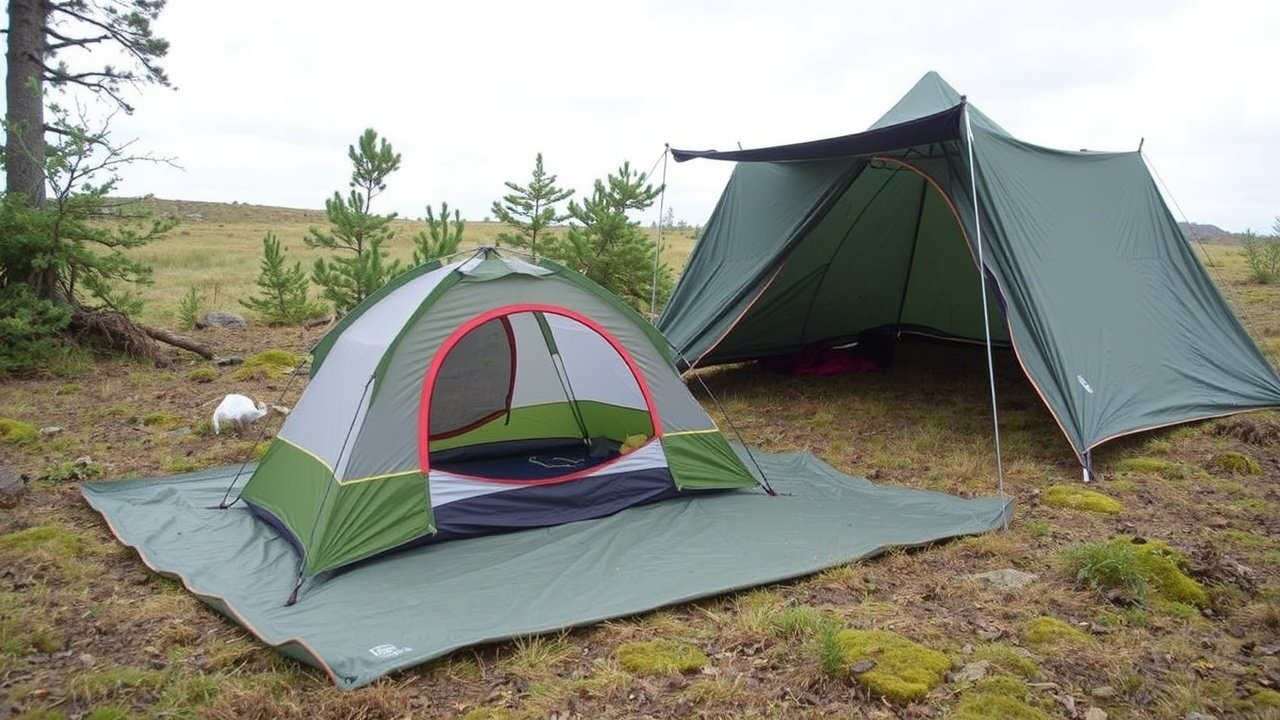
I’ve spent more nights than I can count waking up in a puddle because I thought a thin layer of nylon was “good enough.” It wasn’t. There’s nothing quite like the damp, bone-chilling realization that your gear failed you at 3:00 AM. Ground protection is boring until it’s essential.
Look, the tent footprint vs. tarp debate is heating up again as we head into the 2026 trekking season. The truth is, manufacturers are getting craftier with proprietary fabrics, but the price tags are climbing too. If you’re just starting out, searching for the best budget ground cover for beginners is a smart move to save some cash for better boots. However, I’ve seen too many hikers fall for flashy marketing, leading to common tent protection mistakes to avoid, like sizing your ground cloth too wide and accidentally funneling rain right under your back.
I’ll be honest with you: there is no “one size fits all” here. Whether you’re looking for ultralight precision or some rugged DIY footprint hacks for 2026, I’m going to strip away the fluff. By the end of this, you’ll know exactly which layer belongs between you and the dirt to ensure your expensive tent survives the decade.
Let’s dive into the grit.

Understanding Tent Footprints
What is a Tent Footprint?
A tent footprint, often referred to as a ground cloth or ground sheet, is a piece of durable, waterproof material specifically designed to be placed directly beneath your tent. Its primary purpose is to create an essential protective layer between the ground and the tent floor, safeguarding the tent bottom from abrasive surfaces, sharp objects, and moisture, especially when setting up camp.
👉 Keep your tent dry learn how to waterproof it the right way now!
Unlike a generic camping tarp, tent footprints are often tailored to be slightly smaller than the tent’s floor, ensuring that rainwater does not pool between the footprint and the tent, which could otherwise lead to water seeping into the tent. This specialized design is crucial for extending the lifespan and durability of your tent.
Choosing the Right Tent Tarp Footprint
A tent is one of your biggest outdoor investments, but the thin fabric of your tent floor is all that stands between you and the abrasive reality of the wilderness. Choosing the right tent tarp or footprint is the most effective way to extend the life of your gear and ensure a dry night’s sleep. While it might seem like a simple piece of plastic or nylon, the right choice depends entirely on your environment and camping style.
Whether you are looking for a custom-fit footprint that snaps into your tent’s pole system or a rugged, budget-friendly poly tarp for car camping, there are specific rules to follow especially regarding sizing to prevent water from pooling under your bed. In this section, we’ll break down how to balance weight, durability, and dimensions so you can find a ground cover that protects your tent without adding unnecessary bulk to your pack.
👉 Sleep warmer outdoors choose the perfect sleeping bag with this guide!
Using a Camping Tarp as a Tent Footprint
Can you use a generic camping tarp instead of a specialized footprint? Yes, but there is a catch. While a tarp is a cost-effective alternative, its versatility can be a double-edged sword when the rain starts to fall.
Because generic tarps come in standard sizes ($8 \times 10$, $10 \times 12$), they rarely match your tent’s unique dimensions. If the tarp edges peek out from under your tent, they act as a water collection system, funnelling rain directly into the space between the tarp and your tent floor.
To use a tarp successfully, you must master the “Tuck and Hide” technique: fold the excess material underneath itself until the tarp is roughly two inches smaller than the tent’s perimeter on all sides. This ensures the tent fly can shed water onto the ground, not onto your ground sheet.
👉 Keep food fresh and safe learn smart camping food storage tips now!
1. Material Matters (Durability vs. Weight)
Different materials offer different levels of protection. Help your readers choose based on their camping style:
- Heavy-Duty Polyethylene footprints are designed to match the needs of campers who require robust protection in varying conditions. Best for car camping. It’s basically a classic blue tarp. It’s bulky but nearly indestructible against sharp rocks.
- Nylon or Polyester (with PU Coating) are materials that tents are made from, ensuring durability and water resistance. Best for backpacking. These are lightweight and pack down small. Mention Denier (D) a higher number (like 70D) is tougher than a lower one (like 20D).
- I personally recommend the MSR Universal Footprint if you want a perfect balance of weight and toughness.

- Universal tent footprint for 2-person MSR tents
- Fits the MSR Hubba Hubba 2, MSR Free Lite 2, MSR Carbon Reflex 2, MSR Access 2, and MSR Thru Hiker Mesh House 2 tents or…
- Provides increased protection from water and wear and tear
2. The “Goldilocks” Sizing Rule
This is the most important technical tip. A footprint should never be larger than the bottom of the tent.
- The Problem: If the tarp sticks out from under the tent, it will catch rainwater and funnel it directly underneath your tent floor, creating a puddle.
- The Solution: Choose a footprint that is designed to match your specific tent. 1–2 inches smaller against ground temperatures. If they are using a generic tarp, explain how to tuck the edges under so no material is visible.
3. Attachment Styles
Explain how the footprint connects to the tent. This adds “expert” depth to your writing:
- Grommets/Webbing: Some footprints are designed specifically for a tent model and click into the poles.
- Stake-out: Generic tarps usually just have eyelets at the corners to be staked down independently.
4. When to Skip the Footprint
To build trust, tell them when they don’t need one.
- If they are camping on soft grass or sand, a footprint might still be beneficial for added insulation against ground temperatures.
- If they are “ultralight” backpacking and their tent already has a reinforced bathtub floor.
👉 Stay dry and organized discover why a tent vestibule matters!
Benefits of Using a Tent Footprint
Utilizing a tent footprint offers a multitude of benefits that significantly enhance your camping experience and the longevity of your camping gear. Foremost, it acts as a tent tarp that enhances the overall durability of your camping setup. robust barrier against punctures and tears caused by sharp objects like rocks, twigs, or roots on the forest floor, thereby protecting the delicate floor of your tent.
This extra layer of protection is invaluable for maintaining the integrity and waterproof capabilities of your tent’s floor over many camping trips. Furthermore, a well-fitted footprint prevents water from pooling directly underneath your tent, keeping the tent’s base dry and contributing to a more comfortable and dry interior, even during inclement weather. The added durability also means your investment in a new tent is better preserved.
👉 Ditch the hassle see the best inflatable tents for easy camping!
Choosing a Tent Footprint for Your Needs
Choosing the right tent footprint that aligns with your specific needs is a critical step for any camper. Ideally, you should select a tent footprint that is either specifically designed for your tent model or one that is slightly smaller than the tent’s floor dimensions. This precise sizing is crucial to prevent water from collecting between the footprint and your tent during rainfall, which would undermine its protective purpose.
Tent footprints are made from various durable and waterproof materials, such as nylon or Tyvek, with different denier ratings indicating their thickness and resilience. For backpacking, a lightweight option is preferred, while car camping might allow for a more robust and heavier tent footprint that offers better protection. Always prioritize a footprint that offers excellent durability to protect your tent from abrasive ground conditions.
Exploring Tarps as Camp Shelters
What is a Camping Tarp?
A camping tarp, distinct from a tent footprint, is a versatile and often larger sheet of durable, waterproof material, typically made from nylon, polyester, or even canvas. While a tent footprint is specifically designed to be placed directly beneath a tent to protect the tent floor, a camping tarp offers a broader range of applications.
It can serve as a primary shelter, an extension of an existing tent’s rain fly, or a communal area cover during a camping trip. The inherent flexibility of a tarp allows it to be configured in numerous ways, providing shelter from sun, rain, and wind, making it an indispensable piece of camping gear for many campers.
👉 Camp smarter shop the must-have tent gear and accessories now!
Advantages of Using a Tarp
Using a tarp as a primary or supplementary shelter on a camping trip presents numerous advantages over traditional tents, providing extra protection. Its lightweight and compact nature makes it an excellent choice for backpacking enthusiasts who prioritize minimizing gear weight and bulk.
A tarp offers unparalleled versatility; it can be pitched in various configurations to adapt to different weather conditions and rough terrain., providing ample living space and excellent ventilation, which can be particularly beneficial in humid environments. Furthermore, a tarp often offers a more immersive outdoor experience, blurring the lines between your shelter and the natural environment. The durability of a well-chosen tarp ensures it can withstand the elements and abrasive conditions, offering reliable protection.
👉 Avoid heavy mistakes learn trail weight vs packaged weight now!
Different Types of Camping Tarps
The market offers a diverse array of camping tarps, each designed with specific materials and features to cater to various camping needs, especially for rough terrain where better protection is essential. Common materials include lightweight nylon or polyester, known for their excellent waterproof properties and compact packability, ideal for backpacking.
More robust options, such as canvas tarps, offer superior durability and fire resistance, making them suitable for car camping or long-term base camps, though they are significantly heavier. Specialized tarps may also feature reinforced grommets, tie-out loops, and unique shapes, like hexagonal or asymmetrical designs, to optimize coverage and pitching versatility. Choosing the right tent tarp depends on factors such as weight, durability, waterproof rating, and the specific shelter requirements for your camping experience.
The Tyvek Hack: The Ultimate Budget-Friendly Footprint
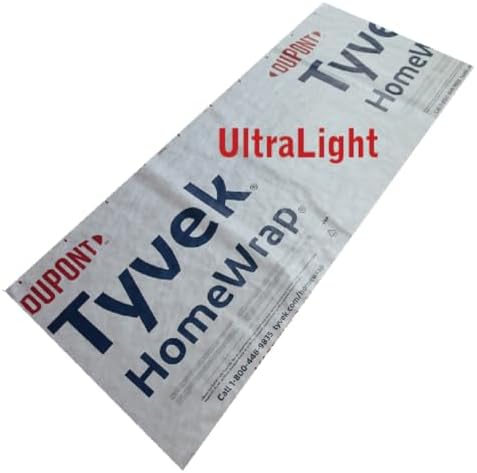
If you find that custom-brand footprints are overpriced, or a standard blue tarp is too bulky, then the “Tyvek Hack” is your best friend. Tyvek is actually a high-density polyethylene house wrap used in construction, but the outdoor community has adopted it as a nearly perfect ground sheet material.
Why Use Tyvek?
- Ultralight: It’s significantly lighter than traditional tarps.
- Waterproof & Breathable: It keeps ground moisture out while allowing the tent floor to “breathe” better than plastic.
- Inexpensive: You can often find scraps at construction sites for free or buy a few feet at a hardware store for a fraction of the cost of a brand-name footprint.
- Quiet (Eventually): Brand new Tyvek is noisy and crinkly, but after one wash (no soap, just water!), it becomes soft, quiet, and easy to pack.
How to Make Your Own:
- Pitch your tent on a clean, flat surface.
- Lay the Tyvek underneath the tent.
- Trace the outline of your tent floor using a permanent marker.
- Cut the material about 2 inches inside the line you traced. Remember the “Goldilocks Rule” if it’s smaller than the tent, it won’t catch rain.
- Wash it once in your home washing machine (cold water, no detergent) to get rid of that “loud” crinkle.

Tent Footprint vs. Tarp: Key Comparisons
Floor Protection: Tent Footprint vs. Tarp
When considering floor protection for your shelter, the distinction between a tent footprint and a tarp vs. a general-purpose tarp is crucial for any camper. A tent footprint is specifically designed to be placed directly beneath the tent, acting as an essential protective layer between the ground and your tent. Its primary role is to protect the tent floor from abrasive surfaces, sharp objects, and moisture, thereby extending the durability and lifespan of your new tent. In contrast, while a tarp can also be used as a ground cover, it is generally not tailored to the exact dimensions of your tent’s base.
A tent footprint is typically slightly smaller than the tent floor to prevent water from pooling between the two layers, a critical design feature that a generic tarp might lack, leading to potential water seepage. A well-fitted footprint offers superior protection for the tent bottom, specifically safeguarding it against punctures and tears from elements found on the forest floor. Tent footprints are designed with materials like durable nylon or Tyvek, chosen for their waterproof qualities and resistance to wear.
While a tarp might offer a broader range of uses for your camping trip, its larger size, if used underneath the tent, could actually channel rainwater underneath the tent floor, thereby defeating the purpose of a protective layer. Therefore, to truly protect your tent from the elements and ensure the longevity of your camping gear, a dedicated tent footprint provides a more effective and specialized solution for floor protection.
👉 Pack lighter and smarter master the best tent packing methods now!
Weight and Portability Considerations
When evaluating the weight and portability for your camping experience, both a tent footprint and a tarp present distinct advantages. Tent footprints are generally lightweight and compact, specifically designed to complement your tent without adding significant bulk to your backpacking load. Many tent footprints are made from high-denier nylon or Tyvek, offering a good balance between durability and minimal weight, making them an ideal choice for backpackers who prioritize reducing every ounce.
The precise dimensions, often slightly smaller than the tent’s floor, ensure easy packing and a streamlined setup. On the other hand, a camping tarp offers incredible versatility in its application, which often impacts its weight and portability. While many tarps are designed to be lightweight for backpacking, especially those made from sil-nylon, their larger size and the need for additional poles or guylines to pitch them can sometimes make them less compact than a dedicated footprint.
However, if you use a tarp as your primary shelter, it can be significantly lighter than carrying both a tent and a footprint, offering a truly minimalist approach. For car camping, where weight is less of a concern, a more robust canvas tarp might be preferred for its durability, despite its heavier nature.
Cost Analysis: Tent Footprint vs. Tarp
A cost analysis between a tent footprint and a tarp reveals varying price points influenced by material, size, and intended use for your camping trip. Tent footprints, especially those specifically designed for a particular tent model, tend to be moderately priced. Their cost reflects the specialized materials like high-denier nylon or Tyvek, which offer excellent durability and waterproof properties to protect the tent floor. While an initial investment, a tent footprint can help prolong the life of your new tent, making it a cost-effective choice in the long run by preventing wear and tear that might otherwise necessitate premature tent replacement.
👉 Camp better tonight learn how to choose the perfect campsite fast!
Tarps, in contrast, span a much wider price range due to their extensive variety and versatility. A basic, general-purpose camping tarp made from polyethylene can be very inexpensive, making it an accessible option for various uses, though its durability might be lower. More specialized tarps, such as those made from lightweight sil-nylon for backpacking or heavy-duty canvas for long-term camp use, can be significantly more expensive.
The cost of a tarp also depends on features like reinforced grommets, specialized coatings, and unique shapes. While a tarp might offer more functions beyond just ground cover, choosing a tent footprint ensures dedicated, cost-efficient protection for the floor of your tent.
Ground Sheet Showdown: Which Floor Protection Material is Superior?
When it comes to floor protection, not all materials are created equal. The “superior” choice depends entirely on whether you prioritize bulletproof durability or minimalist weight.
- Heavy-Duty Polyethylene: This is the “classic blue tarp” material. It is exceptionally waterproof and nearly impossible to puncture, making it the king of car camping. However, it is bulky and heavy.
- Ripstop Nylon or Polyester: Often treated with a Polyurethane (PU) coating, these materials are the standard for backpacking. They offer a high Denier (D) count usually ranging from 20D to 70D providing a sleek, lightweight barrier that packs down to the size of a soda can.
- Tyvek: The “secret weapon” of long-distance hikers. This high-density polyethylene fiber is incredibly light, breathable yet waterproof, and very inexpensive. While it lacks the “pro” look of a fitted footprint, its performance-to-weight ratio is hard to beat.
👉 Which tent wins? Compare Hornet OSMO vs Tiger Wall UL2 now!
When You Need a Footprint
Situations Where a Footprint is Essential
A tent footprint becomes absolutely essential in several critical camping scenarios, primarily when you aim to protect your tent from the harsh realities of the outdoor environment. If you’re camping on uneven terrain, rocky ground, or any surface with sharp objects like twigs, roots, or pinecones, a tent footprint provides a vital protective layer to prevent punctures and tears to your tent floor.
This extra layer of protection is also invaluable in wet conditions, as it helps prevent water from pooling directly underneath your tent, keeping the tent bottom dry and extending the overall durability of your camping gear. For those with a new tent, investing in a good quality footprint is a wise decision to maintain its integrity and prolong its lifespan over many camping trips.
How to Protect Your Tent with a Footprint
To effectively protect your tent with a footprint, proper placement and sizing are paramount. The tent footprint should be laid directly on the ground where you intend to pitch your tent, acting as a crucial ground cloth between the forest floor and your tent. It’s imperative to ensure that the footprint is slightly smaller than the tent’s base, or at the very least, tucked underneath the tent’s edges, to prevent rainwater from pooling between the footprint and the tent floor.
This design prevents water from being channeled underneath your tent and the ground, which could otherwise compromise the waterproof integrity of your shelter, especially during rain cover. A well-fitted footprint made from durable, waterproof material like nylon or Tyvek will provide excellent protection against abrasive surfaces and moisture, significantly contributing to the longevity of your tent.
Alternatives to Using a Footprint
While a dedicated tent footprint offers optimal protection, there are alternatives, though they often come with trade-offs. Some campers might opt to use a general-purpose tarp as a ground cover beneath their tent. However, it’s crucial to cut or fold the tarp so that it is slightly smaller than the tent floor to prevent water collection. Another approach is to rely solely on the tent’s built-in floor, which typically features a durable, waterproof coating.
While many modern tents have robust floors, direct exposure to sharp objects and abrasive terrain over many camping trips can still lead to wear and tear, making a footprint or tarp essential for better protection. For minimalist backpackers, a lightweight emergency blanket or even Tyvek house wrap material can be fashioned into a makeshift footprint, offering some level of protection, though perhaps not the same durability as a purpose-built tent footprint.
Making the Right Choice for Your Camping Setup
Factors to Consider: Tent Footprint vs. Tarp
When making the choice between a tent footprint and a general-purpose tarp for your camping setup, several factors warrant careful consideration to ensure optimal shelter and protection. The primary consideration revolves around the specific function: a tent footprint is explicitly designed to protect the tent floor from sharp objects, abrasive surfaces, and moisture, extending the durability of your tent.
In contrast, a tarp offers broader versatility, capable of serving as a standalone shelter, a rain fly extension, or even a communal cooking area. Campers should assess the terrain they will encounter on their camping trip, the expected weather conditions, and their priority for weight and packability. A dedicated footprint provides precise protection for the tent’s base, while a tarp offers adaptability for various camp needs, though often at the cost of being perfectly sized for under-tent protection.
Tips for Choosing Between a Tent Footprint and a Tarp
Choosing between a tent footprint and a tarp depends heavily on your specific camping experience and priorities. If your primary goal is to protect your tent’s floor from punctures, abrasions, and moisture, a dedicated tent footprint is the superior choice. Look for a footprint that is slightly smaller than your tent’s dimensions and made from durable, waterproof material like high-denier nylon or polyester.
This ensures that water won’t pool between the ground cloth and your tent, keeping your tent bottom dry. If, however, you seek a versatile shelter solution that can be pitched in various configurations, provide extra living space, or serve as a standalone shelter for lightweight backpacking, then a camping tarp might be more suitable. Consider the tarp’s material, size, and the number of tie-out points to match your desired level of shelter and adaptability.
7 Steps to Lay Your Tent Tarp the Right Way, Every Time
Properly laying your ground cover is the difference between a dry morning and a soggy disaster. Follow this checklist for a perfect setup:
- Clear the Site: Remove sharp rocks, jagged sticks, and pinecones that could puncture even the toughest material.
- Orient for Wind: Determine the wind direction and position your tent (and footprint) accordingly.
- Lay the Footprint First: Spread your tarp or footprint exactly where you want the tent to sit.
- Check the “Shiny” Side: If your material has a coating on only one side, place the coated (slicker) side facing up toward the tent floor to reduce friction.
- Size Correction: Ensure no part of the footprint is visible beyond the tent’s edges. Fold or tuck any overhang.
- Stake the Corners: If using a generic tarp, stake the corners down first to keep it flat in the wind before placing the tent on top.
- Verify the Drip Line: Once the tent is pitched, walk around the perimeter to ensure the tent’s rainfly hangs past the footprint.
Ground Sheet Confusion? 5 Common Questions About Protecting Your Tent, Answered
Q: Does a tent footprint go inside or outside the tent? A: Always outside! It sits directly on the ground, and the tent sits on top of it. Its job is to protect the exterior floor from the earth.
Q: Do I really need a footprint for sand or grass? A: While less critical for puncture protection, a footprint on grass or sand acts as a moisture barrier, preventing “ground sweat” (condensation) from making your tent floor feel damp.
Q: Can I use a footprint that is bigger than my tent? A: No. A larger footprint will catch rainwater and create a “pool” effect under your bed. Always fold it so it is slightly smaller than the tent floor.
Q: What is “Denier” and why does it matter? A: Denier (D) measures the thickness of the fabric fibers. A 70D footprint is much thicker and more durable than a 20D version, but it will also be heavier to carry.
Q: How do I clean my ground sheet after a trip? A: Shake off the loose dirt, spray it down with a hose, and most importantly let it air dry completely before storage to prevent mold and mildew.
Final Thoughts on Camp Shelter Solutions
Ultimately, the decision between a tent footprint and tarps, or even using both, hinges on the specific demands of your camping trip and personal preferences for setting up camp. A tent footprint is an invaluable piece of camping gear for protecting your tent, extending its lifespan, and ensuring a dry interior, especially on abrasive or wet terrain. It is a specialized ground sheet designed to keep your tent in prime condition.
Conversely, a camping tarp offers unparalleled versatility, serving as a dynamic shelter from the elements, an extra rain fly, or a communal space. Many experienced campers find value in carrying both: a dedicated tent footprint for robust tent floor protection and a lightweight tarp for additional shelter, gear protection, or an emergency bivouac. The right combination ensures durability, comfort, and adaptability in any outdoor adventure.