I’ve spent more nights than I care to admit shivering in a damp tent because I trusted a “bargain” temperature rating that was a flat-out lie. It’s a miserable feeling. Your teeth chatter, the sun feels a lifetime away, and you realize that gear isn’t just gear it’s your lifeline. The truth is, most hikers treat their sleep system like an afterthought. They shouldn’t.
Look, learning how to choose a sleeping bag isn’t just about picking a color or a brand name anymore. In 2026, the tech has shifted. We have ultralight synthetics that finally rival down, but with that comes a sea of confusing specs. While everyone is chasing the lightest weight, the real win is knowing which sleeping bag hacks for 2026 actually save you weight without sacrificing warmth. If you’re just starting out, searching for the best budget sleeping bags for beginners is a great move, but you have to know where the manufacturers cut corners to hit those low price points.
I’m going to level with you: most people fail because of a few common sleeping bag mistakes to avoid, like ignoring EN ratings or forgetting about pad R-values. I’ve distilled years of trail-tested grit into this guide so you don’t have to learn the hard way. By the time you’re done reading, you’ll have a setup that feels like a five-star hotel, even if you’re perched on a granite ledge.
Let’s get into the nitty-gritty.
Understanding Sleeping Bags
What is a Sleeping Bag?
A sleeping bag is essentially a portable insulated covering designed to keep a person warm and comfortable while sleeping outdoors. It functions by trapping a layer of air, which is then warmed by your body heat, thereby providing insulation against cold ambient temperatures.
👉 New to camping? Choose the perfect tent with this beginner-friendly guide!
Modern sleeping bags come in various forms and are engineered with specific materials and designs to cater to different environments and user preferences, including rectangular sleeping bags for those who prefer more room. The primary goal of any sleeping bag is to keep you warm, especially during a chilly night on a camping trip or a challenging backpacking trip.
Importance of Choosing the Right Sleeping Bag
Choosing the right sleeping bag is paramount for any successful outdoor excursion, especially when considering down-filled sleeping bags., whether it’s a short car camping trip or an extended backpacking trip. A well-chosen sleeping bag can be the difference between a restful night and a miserable, sleepless ordeal.
The right sleeping bag will ensure you stay warm and comfortable, preventing hypothermia in cold conditions and promoting recovery after a long day of hiking, especially when using a sleeping bag liner for added warmth. It’s not just about warmth; it’s about optimizing your entire outdoor experience, ensuring you wake up refreshed and ready for the next adventure.
👉 Cut pack weight find the best ultralight backpacking tents here!
Overview of Backpacking Sleeping Bags
Backpacking sleeping bags are specifically designed to be lightweight and compact, making them essential for finding the best options for your outdoor excursions., making them ideal for carrying long distances. Unlike bulkier options for car camping, these bags prioritize packability and low weight without compromising on warmth or comfort, making them ideal for camping and backpacking.
When you choose a sleeping bag for backpacking, you’ll encounter various types, including mummy bags, which are known for their efficiency in trapping heat, and rectangular bags, which offer more room but are generally less efficient. Understanding the nuances of each type is crucial to choosing the best backpacking sleeping bag for your specific needs.
Key Features of a Sleeping Bag
Sleeping Bag Shape and Design
The shape and design of your sleeping bag play a crucial role in its warmth and comfort, directly influencing how effectively it can keep you warm during your backpacking trip. When you choose a sleeping bag, you’ll primarily encounter two main styles: mummy bags and rectangular bags. Mummy sleeping bags are renowned for their thermal efficiency, tapering at the feet and head to minimize dead air space, which significantly improves the sleeping bag’s ability to retain body heat.
This design makes them excellent for backpacking, as they are often lighter and more compact. Conversely, a rectangular bag offers more room to move around, which can be preferable for car camping or those who feel restricted in tighter spaces, though they are generally less efficient at retaining warmth compared to mummy bags. Some sleeping bags also feature a semi-rectangular shape, offering a compromise between the two. When you choose the right sleeping bag, consider how much space you need versus the warmth efficiency required for your lowest temperature conditions.
👉 Make your tent look new clean it in just 15 minutes with this guide!
Insulation Types: Synthetic vs. Down
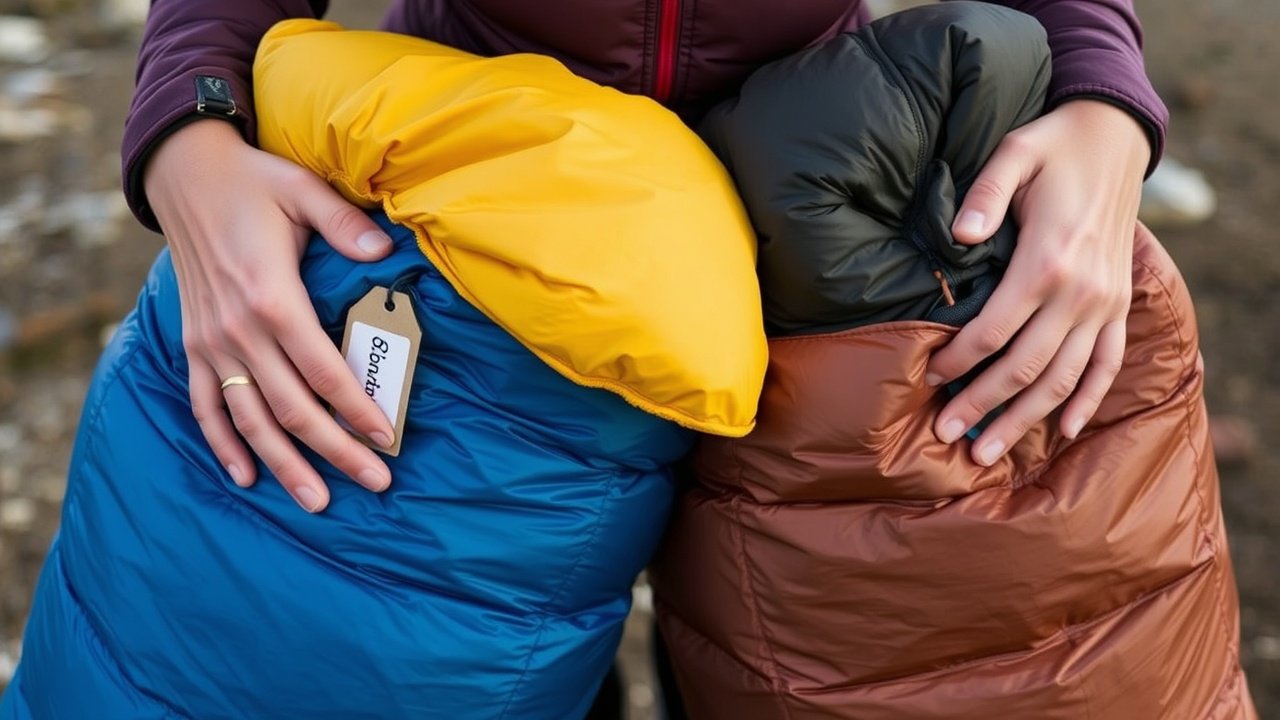
The insulation type is a pivotal factor when you choose a sleeping bag, directly impacting its warmth-to-weight ratio, compressibility, and performance in various conditions. Down insulation offers superior warmth for its weight and is highly compressible, making down sleeping bags ideal for ultralight backpacking where space and weight are at a premium. However, down loses its insulating properties when wet, making a synthetic bag a more reliable option in damp environments.
Synthetic insulation maintains much of its warmth even when wet and is generally more affordable, offering one of the best warmth-to-weight ratios for budget-conscious campers.. While synthetic sleeping bags are often heavier and bulkier than their down counterparts, recent advancements in synthetic insulation have led to ultralight bags that offer impressive performance.
When you choose a sleeping bag, assess your typical camping trip conditions: if you anticipate a lot of moisture, a synthetic sleeping bag might be the best sleeping bag for you. If ultralight performance in dry conditions is your priority, then a down sleeping bag might be the best backpacking sleeping bag.
| Feature | Down Insulation | Synthetic Insulation |
| Best For | Ultralight backpacking & cold, dry climates. | Damp environments, budget setups, & car camping. |
| Warmth-to-Weight | Exceptional. Maximum warmth with minimum bulk. | Good. Requires more material to reach the same warmth. |
| Compressibility | Superior. Packs down to the size of a water bottle. | Moderate. Bulky; takes up significant pack space. |
| Wet Weather | Poor. Clumps and loses loft unless treated with DWR. | Excellent choice for those seeking high-performance sleeping bag insulation. Maintains loft and keeps you warm when damp. |
| Durability | High. Can last 10+ years if cleaned properly, especially with down-filled sleeping bags. | Moderate. Fibers break down and lose loft over 3-5 years. |
| Price | Premium. Higher upfront cost for better performance. | Budget-Friendly. Great for beginners or casual hikers. |
Hybrid and Treated Down
Many modern sleeping bags use hybrid constructions down in the core for weight and loft, synthetic insulation in areas prone to moisture (footbox, hood, lower shell). Hydrophobic-treated down offers improved wet-weather performance while preserving many benefits of natural down.
How to Choose Based on Use
- If you prioritize weight and packability: Choose high-fill-power down.
- If you camp in wet or humid conditions, consider using a three-season sleeping bag for better insulation. Choose synthetic or treated-down hybrids.
- If you need durability and low maintenance: Synthetic is forgiving and easier to clean.
- If budget is a major factor: Synthetic insulation usually costs less upfront.
👉 Pick the perfect spot learn how to choose the best campsite now!
Care and Longevity
Down requires careful washing with special cleaners and full drying to restore loft; store uncompressed. Synthetic tolerates machine washing and dries faster but can lose loft sooner. Proper storage, use of a liner, and following manufacturer care instructions will prolong any sleeping bag’s life, especially classic sleeping bags.
Understanding R-Value and Your Sleep System
You can buy the most expensive 0°F winter sleeping bag on the market, but if you pair it with a cheap, uninsulated air mattress, you will still wake up shivering. This is because of conduction the ground pulls heat away from your body much faster than the air does.
This is where R-Value comes in. R-Value is a measure of a sleeping pad’s thermal resistance. The higher the number, the better it prevents your body heat from escaping into the cold earth.
R-Value Recommendations by Season
To get the most out of your sleeping bag’s temperature rating, match it with the right R-Value:
| Trip Type | Expected Ground Temp | Recommended R-Value |
| Summer | Warm Ground | 1.0 – 2.0 |
| 3-Season (Spring/Fall) | Chilly/Cool Ground | 3.0 – 4.5 |
| Winter | Frozen Ground / Snow | 5.0+ |
Why It Matters for Your Backpacking Trip
Standardized sleeping bag tests (ISO/EN) actually assume the “test mannequin” is using a high-quality, insulated pad.
- The Rule of Thumb: If you are a “cold sleeper,” don’t just look for a warmer bag; get a bag with a higher R-Value for better insulation. 4.0 or higher.
- Pro Tip: In extreme cold, many “rugged” backpackers stack a closed-cell foam pad (like a Therm-a-Rest Z-Lite) underneath an inflatable pad to boost the total R-Value and protect against punctures.
Quick Recommendation
When deciding how to choose a sleeping bag: pick down for ultralight, cold-dry performance; pick synthetic for wet-weather reliability, lower cost, and easier care. Consider hybrids or hydrophobic down if you want a balance of both.
👉 Stay safe outdoors learn essential tent camping safety tips now!
Understanding Sleeping Bag Features
Beyond shape and insulation, various sleeping bag features, such as sleeping bag liners, contribute to its overall performance and your comfort. The temperature rating is perhaps the most critical feature to consider, as it indicates the lowest temperature at which the sleeping bag is designed to keep you warm.
This rating often includes a comfort rating and a limit rating, providing a more nuanced understanding of its performance. Another essential feature is the inclusion of a draft collar and draft tubes along the zipper, which prevent warm air from escaping and cold air from entering, especially important for a winter sleeping bag.
Look for a durable shell fabric that can withstand the rigors of a backpacking trip. Some sleeping bags also have a footbox designed for natural foot positioning, enhancing comfort. When looking for a sleeping bag, you’ll also want to consider its compatibility with a sleeping pad, as the pad provides crucial insulation from the ground, enhancing the overall warmth inside the bag. Considering these sleeping bag features will help you choose a bag that’s the perfect sleeping bag for your adventures, whether it’s a standard camping trip or an extreme winter camping excursion.
Temperature Ratings and Their Importance
Understanding Sleeping Bag Temperature Ratings
Understanding the temperature rating of a sleeping bag is perhaps the most critical factor in choosing the right sleeping bag category. when you choose a sleeping bag, as it directly indicates the lowest temperature at which the bag is designed to keep you warm and safe. This rating is not merely a suggestion but a crucial guide to prevent hypothermia or uncomfortable nights on your backpacking trip. Most quality sleeping bags adhere to standardized testing, like the ISO 23537 or EN 13537 standard, which provides a more reliable comparison between different brands.
When looking for a sleeping bag, you’ll encounter a comfort rating, which is the temperature at which a standard woman can sleep comfortably, and a limit rating, which is the lowest temperature at which a standard man can sleep for eight hours without feeling excessively cold. Some bags also include an extreme rating, indicating the survival temperature, but this should not be considered for comfortable sleep.
👉 Don’t miss the essentials gear up with must-have tent accessories!
Choosing a Sleeping Bag for Different Seasons
When you choose a sleeping bag, selecting one appropriate for the season or expected conditions of your camping trip is essential to keep you warm and comfortable. For summer backpacking, a lightweight sleeping bag with a higher temperature rating (e.g., 30°F or warmer) is often sufficient, focusing on breathability and minimal insulation. Shoulder season trips (spring and fall) typically require a more versatile sleeping bag with a comfort rating between 15°F and 30°F, balancing warmth and packability.
For serious winter camping, you’ll need a sleeping bag with a much lower temperature rating, often 0°F or even negative temperatures, to provide adequate insulation against extreme cold inside the bag. Considering the lowest temperature you anticipate encountering is key; it’s always better to have a slightly warmer bag than one that leaves you shivering. This thoughtful selection ensures you have the best sleeping bag for your specific seasonal adventures.
Best Sleeping Bags for Cold Weather: Winter Sleeping Bags

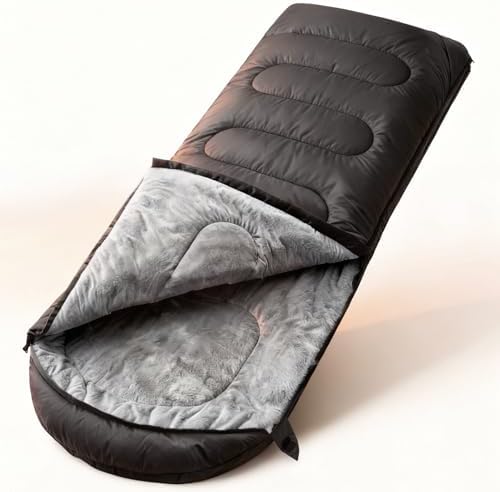


For those embarking on winter camping or extreme cold-weather backpacking trips, choosing the right sleeping bag becomes paramount for safety and survival. A winter sleeping bag is specifically engineered with superior insulation, typically high-fill-power down or advanced synthetic insulation, to provide exceptional warmth in sub-freezing temperatures. When looking for a sleeping bag for winter, ensure it has a suitable bag with a temperature rating for low temperatures. prioritize a low temperature rating, often 0°F or lower, and look for features such as a robust draft collar, substantial draft tubes along the zipper, and a well-designed hood to seal in warmth.
Mummy sleeping bags are generally the best backpacking sleeping bag for winter, due to their excellent warmth-to-weight ratio and efficient heat retention. Pairing your winter bag with an appropriate sleeping pad with a high R-value is also crucial, as significant heat loss can occur through the ground, ensuring you stay warm from all angles.
Choosing the Right Backpacking Sleeping Bag
Factors to Consider When Choosing a Sleeping Bag
When you choose a sleeping bag for your backpacking adventures, several critical factors must be carefully weighed to ensure you select the perfect sleeping bag. The expected lowest temperature of your camping trip is perhaps the most significant, as it directly dictates the necessary warmth rating and helps in finding the best sleeping bag to get. Your personal sleep style, whether you’re a side sleeper or prefer to sprawl out, will influence your choice between a snug mummy bag and a more spacious rectangular bag.
The total weight and packed size are paramount for backpacking, as every ounce and inch counts when carrying your gear long distances. Furthermore, the typical weather conditions of your destination, particularly humidity and precipitation, will guide your decision between down insulation and a synthetic bag, ensuring you select the best warmth-to-weight option for your trip. Considering these elements comprehensively will help you choose the right sleeping bag that truly matches your specific needs and ensures you stay warm and comfortable.
How to Choose the Best Backpacking Sleeping Bag
To choose the best backpacking sleeping bag, start by assessing your primary use case: will it be for summer backpacking, shoulder season trips, or serious winter camping? This immediately narrows down the required temperature rating. Next, consider insulation type; if ultralight performance in dry conditions is your priority, a high-fill-power down sleeping bag is often the best backpacking sleeping bag.
However, for damp environments or if budget is a major concern, a synthetic sleeping bag is a more practical choice. Evaluate the sleeping bag design and bag shape; a mummy bag offers superior warmth-to-weight and packability, making it ideal for most backpackers, while a rectangular bag provides more room for comfort during camping and backpacking trips. Don’t forget the importance of a compatible sleeping pad, as it works in tandem with your sleeping bag to provide optimal insulation from the ground. By systematically evaluating these features, you can confidently choose a bag that will be your perfect sleeping bag.
Recommendations for Ultralight Sleeping Bags

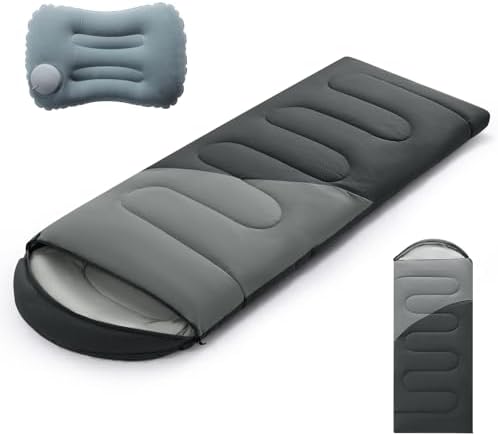

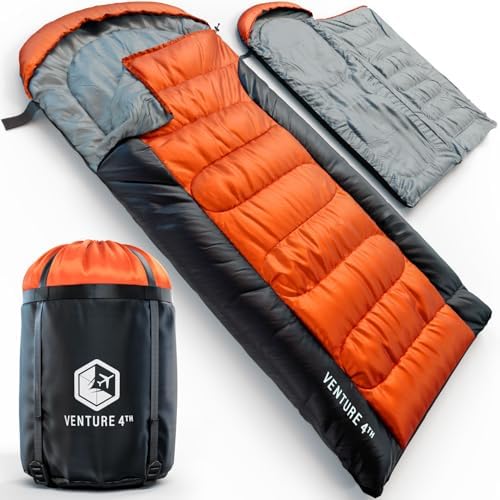
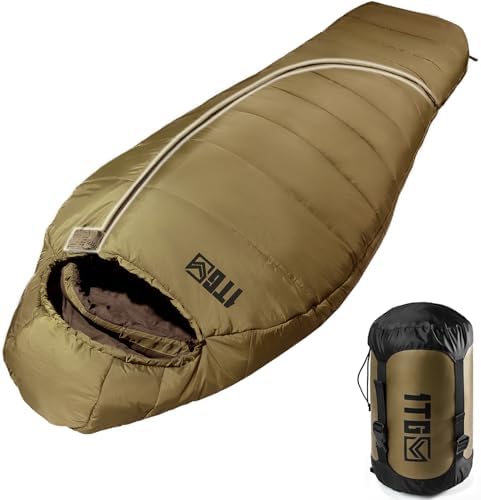
For backpackers prioritizing minimal weight and maximum packability, choosing an ultralight sleeping bag is essential, and there are several excellent options to consider. These specialized ultralight bags typically feature high-fill-power down insulation, often 800-fill or higher, which provides exceptional warmth for its incredibly low weight and allows for impressive compressibility, ensuring the best warmth-to-weight ratio for your adventures.
When looking for a sleeping bag in this category, focus on mummy sleeping bags, as their efficient bag shape minimizes dead air space and material, contributing to their ultralight status. Look for a sleeping bag temperature rating that aligns precisely with the lowest temperature you anticipate, usually a 20°F or 30°F comfort rating for three-season ultralight backpacking.
While synthetic insulation has made strides, a down sleeping bag generally remains the best backpacking sleeping bag for ultralight pursuits in dry conditions. Always remember to pair your ultralight sleeping bag with an equally lightweight sleeping pad to maximize insulation and keep you warm on your backpacking trip.
FAQ’s
1. How do I choose the right sleeping bag?
Pick based on temperature rating, insulation type, and trip conditions.
2. What temperature rating should a sleeping bag have?
Choose a bag rated 5–10°C lower than the expected nighttime temperature.
3. Which is better: down or synthetic sleeping bags?
Down is lighter and warmer; synthetic performs better in wet conditions.
4. What shape sleeping bag is best?
Mummy bags are best for warmth, while rectangular bags offer more space.
5. How important is sleeping bag weight for backpacking?
Very important lighter bags are easier to carry on long hikes.
6. What size sleeping bag should I get?
Choose a size that fits your height with a little extra room for comfort.
7. Do I need a 4-season sleeping bag?
Only if camping in winter or extreme cold conditions.
8. What is fill power in a sleeping bag?
It measures insulation quality higher fill power means better warmth-to-weight ratio.
9. Can a sleeping bag get wet?
Yes, but down loses insulation when wet, while synthetic retains some warmth.
10. What is the best sleeping bag for beginners?
A 3-season, mid-weight sleeping bag is the most versatile choice.
Conclusion: How to Choose a Sleeping Bag
Choosing the right sleeping bag comes down to matching temperature rating, insulation type, fit and weight to your sleep style and planned trips. By prioritizing warmth for expected conditions, selecting down or synthetic fill based on budget and moisture exposure, and balancing size and weight for comfort and portability, you’ll end up with a sleeping bag that keeps you warm, comfortable, and ready for adventure.
Use the temperature rating as your primary guide, consider seasonality (summer, 3-season, winter), and factor in extras like hood design, zipper placement, and packability. Ready to find the perfect match? Compare models, read reviews, and test fit a few options to confidently choose a sleeping bag that suits your needs and maximizes your outdoor comfort.