I’ve spent miles on the trail with a lopsided pack digging into my shoulder because I just shoved my gear in and hoped for the best. It’s miserable. There is nothing worse than being four miles into a steep ascent and realizing your center of gravity is completely shot. We’ve all been there, swearing under our breath while trying to readjust straps that aren’t the problem. The real culprit is usually a poorly stowed shelter.
The truth is, learning how to pack a tent for backpacking is the quickest way to turn a grueling slog into an actual hike. Backpacks are getting more specialized this year, but the physics of weight distribution hasn’t changed. While you might be hunting for the best budget backpacking tent for beginners, even the lightest gear feels like a lead brick if it’s swinging around outside your pack.
Here’s the kicker: many common tent packing mistakes to avoid like strapping a heavy tent to the very bottom are still ruining trips in 2026. Mastering a few backpacking hacks for 2026, like the “stuff method” for better weight distribution, makes a world of difference for your posture and your pace.
I’m going to break down the specific methods that keep your load balanced and your gear protected. Whether you’re a folder, a roller, or a stuffer, you’ll find a system that saves your back. Let’s get your pack dialed in so you can actually enjoy the view.
Understanding Your Backpacking Tent
Types of Backpacking Tents
When preparing for a backpacking trip, understanding the different types of backpacking tents and how to pack a tent efficiently is crucial. Backpacking tents come in various designs, including solo tents for individual hikers and larger options for groups.
A lightweight tent is favored for its portability, and it’s best to choose one that suits the specific environment and duration of your hike. Always pack a tent appropriate for the expected weather conditions. Different tent designs offer varying levels of weather protection, so consider factors like rainfly coverage and structural integrity when making your selection. Remember to consider the tent’s weight and packed size to ensure it integrates well with the rest of your backpacking gear.
Features of Lightweight Tents
Lightweight tents are designed with the backpacker in mind, focusing on reducing weight without sacrificing essential features. These tents often utilize ultralight materials for the tent body, rainfly, and tent poles. Features such as mesh panels enhance ventilation, reducing condensation inside your tent.
A compression sack helps cinch the tent tightly, minimizing its packed size. Some lightweight tent designs incorporate a tarp or footprint to protect the tent bottom from abrasion and moisture. Choosing a tent with integrated storage pockets helps organize small items within the tent. When selecting a lightweight tent, always pack it in a way that protects these features.
Choosing the Right Tent for Your Hike
Selecting the right tent for your hike involves considering several factors to ensure a comfortable and safe backpacking experience. Evaluate the tent’s weight and packed size, ensuring it aligns with your backpacking gear and carrying capacity.
Consider the expected weather conditions, choosing a tent with adequate rainfly coverage and wind resistance. Assess the tent’s capacity, ensuring it comfortably accommodates all occupants. A tent’s ease of setup is also crucial, particularly if you anticipate setting up camp in challenging conditions.
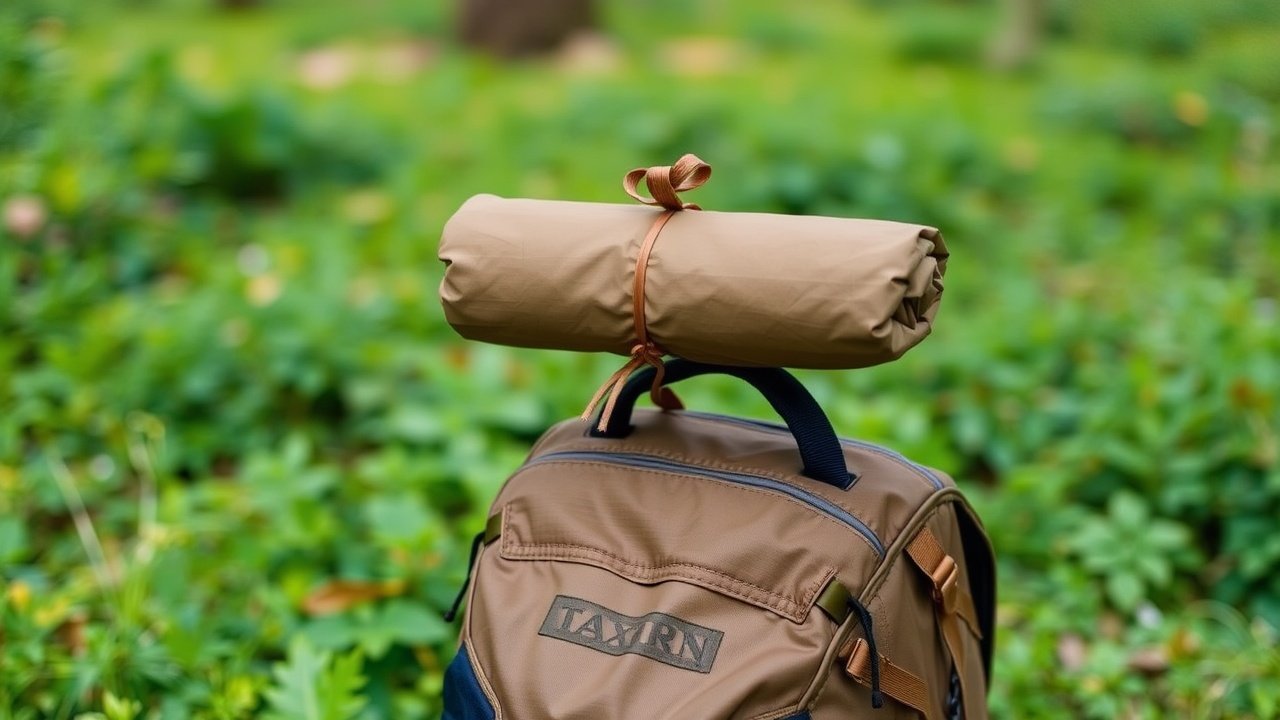
Some prefer packing the tent inside your backpack, while others attach the tent to the outside of your pack using compression straps. If you go on the outside, ensure it is securely fastened to avoid snagging. Remember, the right tent can make or break your backpacking trip.
Essential Gear for Packing a Tent
Tools and Accessories for Tent Packing
When packing your tent for a backpacking tripHaving the right tools and accessories, like stakes and a liner, is crucial for a successful camping trip. essential for a smooth and efficient process. A compression sack is invaluable for reducing the volume of the packed tent, allowing it to fit more easily into your backpack.
High-quality compression straps help cinch the stuff sack tightly, minimizing space. A lightweight footprint or tarp protects the tent bottom from abrasion and moisture. Don’t forget extra cord for repairs and securing the tent. Always inspect your gear and pack it properly before heading out on your hike.
Tent poles and stakes before packing to ensure they are in good condition, and pack them carefully to prevent damage. Consider bringing a small multi-tool for any on-the-trail adjustments. These items, though small, contribute significantly to the ease and success of packing your tent.
Organizing Your Backpacking Gear
Organizing your backpacking gear is crucial for efficient packing methods. Start by separating your gear into categories. Common categories include:
- Sleeping
- Shelter
- Cooking
- Clothing
Place heavier items like the tent closer to your back and towards the center of the backpack for better weight distribution. Use stuff sacks When choosing gear, consider items of different colors to match your style. organize smaller items. A pack liner can protect your gear from moisture, especially during wet weather. Utilize side pockets for easy access to items like water bottles and snacks.
Consider splitting the tent components with your group members if you are going on a backpacking trip with others. The tent body could be stuffed inside your backpack, while someone else could carry the tent poles. This distributes the weight more evenly.
Importance of Weight Distribution
Stuffing your sleeping bag into a stuff sack will be more manageable with practice. packing for a backpacking trip. Placing heavier items, such as your sleeping bag, in the side pocket is important for weight distribution. tent, closer to your back and between your shoulder blades helps maintain balance and reduces strain.
Lighter items, like your sleeping bag, can be positioned at the bottom of your pack. Ensure that the tent poles are securely fastened to prevent them from shifting during your hike. Avoid attaching heavy items to the top, as this can make your backpack Proper weight distribution is paramount when packing your tent and sleeping bag.
If you are using compression straps, make sure they are evenly tightened to prevent the load from shifting. If you go on the outside, make sure the tent is attached securely to your backpack. Poor weight distribution can lead to discomfort, fatigue, and even injury, making it essential to carefully consider how you pack your tent and other backpacking gear.
Methods to Pack a Tent Efficiently
Rolling vs. Stuffing: Which is Best?
When it comes to using a stuff sack, make sure to fill it completely to maximize space. packing your tent, the debate between rolling and An organized pack will be more manageable, allowing for easy access to your gear. is common among backpacking enthusiasts.
Rolling involves folding the tent body neatly and then tightly rolling it, often around the stuff sack. tent poles. This method works best for maintaining the shape of the tent and minimizing wrinkles. StuffingUsing a sleeping pad, on the other hand, involves simply laying it out for comfort while you pack your backpack.
cramming the tent into a stuff sack without any precise folding. While some argue that stuffing can damage the tent over time, others prefer it for its speed and convenience. Ultimately, the choice depends on personal preference and the specific material of your backpacking tent. Remember, it’s best to choose a method that ensures the tent is compact and protected within your backpack.
Utilizing Tent Compression Sacks
A compression sack is an essential tool for efficiently packing a tent. These sacks are designed to cinch down the volume of the packed tent, making it more manageable and easier to fit into your backpack. To use a compression sack effectively, first stuff the tent loosely inside, then tighten the compression straps incrementally.
This helps remove excess air and reduces the overall size of the tent. High-quality compression straps ensure that the load remains compact throughout your hike. The compression sack not only saves space but also protects the tent from abrasion and damage. Make sure to distribute the weight evenly when packing to maintain balance and comfort on your backpacking trip.
Splitting Tent Components for Better Packing
For those on a backpacking trip with a group, splitting the tent components can significantly improve weight distribution and space management. Dividing the load could look like this:
- One person can carry the tent body and rainfly.
- Another carries the tent poles, stakes, and footprint.
This method reduces the burden on any single hiker and allows for more efficient use of available space inside each backpack. Ensure that each person securely fastens their assigned components to their pack, using compression straps Use every available space efficiently; for example, placing your sleeping pad on top will help prevent shifting.
Communication is key to coordinate who carries what, making your backpacking gear easier to manage on the trail. Consider using a pack liner to protect the tent components from moisture. This collaborative approach makes the hike more enjoyable and less strenuous.
Tips for Packing a Backpacking Tent
Keeping Your Tent Dry and Protected
When you pack a tent for a backpacking trip, it’s essential to protect it from moisture. There are several ways to achieve this:
- Use a pack liner inside your backpack to ensure that the tent body and rainfly stay dry.
- Consider a tarp or footprint to place under the tent bottom, protecting it from ground moisture and abrasion.
If the tent gets wet during the hike, dry it out as soon as possible to prevent mold and mildew. Always pack A small, absorbent towel to wipe down the sleeping pad can help keep your gear clean. tent poles and stakes before stuffing them into their sack.
Using a dry bag for the tent adds an extra layer of protection. By taking these precautions, you can weigh your pack accurately to avoid feeling unstable. ensure a dry and comfortable sleeping experience during your backpacking trip.
Maximizing Space in Your Backpack
To maximize space in your backpack when packing your tent, consider splitting the components. Place the tent body and rainfly in a compression sack and cinch it down tightly. Store the tent poles separately, using compression straps to attach them to the outside of your pack. Proper weight distribution is paramount when packing your tent and sleeping bag to ensure stability.
Stuff socks or other small items inside the stuff sack with the tent. Utilize side pockets for easy access to items you won’t need until camp, like your sleeping pad or cooking gear. If your sleeping bag is particularly bulky, consider using a separate compression sack for it as well. By carefully organizing your backpacking gear and packing strategically, you can create more space for other essential items.
Lightweight Packing Strategies for Ultralight Backpacking
For ultralight backpacking, every ounce counts, making lightweight tent selection and packing crucial. Opt for a solo tent or a minimalist tent design to reduce weight. Consider stuffing the tent body loosely into a stuff sack rather than meticulously folding it, saving time and space. Secure the tent poles to the side pockets of your backpack or use compression straps to attach them securely to the outside of your pack. Swap out standard stakes for lighter, titanium versions.
Ensure all compression straps are cinched down tightly to minimize volume. If splitting components, one person carries the tent bodyPacking your gear efficiently is one thing, and another is ensuring easy access to your essentials. tent poles. Avoid attaching the tent to the top, which can make your backpack feel unstable. With these strategies, your ultralight backpacking trip To prevent shifting, make sure to secure your items with stakes when setting up camp.
How to Pack a Backpacking Tent – FAQ
1. How do you pack a tent for backpacking?
Pack the tent in separate parts (body, poles, stakes) and distribute weight evenly in your backpack.
2. Should you pack a tent inside or outside your backpack when you go on a hike?
It’s best to pack it inside to protect it from damage and keep weight balanced.
3. What is the best way to carry tent poles?
Store tent poles vertically along the side or inside your backpack for stability.
4. Do you need a stuff sack for packing a tent?
No, skipping the stuff sack can save space and allow flexible packing.
5. How do you pack a wet tent?
Pack it separately in a waterproof bag to keep other gear dry.
6. What is the lightest way to pack a tent?
Split components among group members or remove extra packaging to reduce weight.
7. Can you strap a tent to the outside of a backpack?
Yes, but only if needed ensure it’s secure and weather-protected.
8. How do you prevent tent damage while packing?
Avoid sharp folds, keep it dry, and store poles separately from fabric.
9. What is the fastest way to pack a tent?
Loosely roll or stuff the tent into your pack without folding precisely.
10. What is the best tent packing method for backpacking?
The best method is distributing weight efficiently while keeping the tent compact and protected.
Conclusion: How to Pack a Tent for Backpacking
Packing a backpacking tent efficiently in a stuff sack protects your shelter, saves space, and makes campsite setup and teardown faster. The core principles are to dry and clean the tent when possible, collapse and pack poles and stakes separately, compress the body and fly in a consistent, compact way, and place the tent where it balances weight and remains accessible. Practice your method at home so it becomes quick and reliable on the trail.
- Always dry and shake out debris from your gear before packing to prevent mildew and damage.
- Organize stakes and poles in a dedicated pocket or tube to avoid punctures and tangles.
- Fold or stuff the tent consistently either flat folding or rolling then use the stuff sack or strap to compress it.
- Pack the tent toward the middle or bottom of your pack for stable weight distribution; keep a small portion accessible if you expect to set up quickly.
- Bring a small repair kit and seam sealer for field fixes, and follow Leave No Trace principles when pitching and packing up.