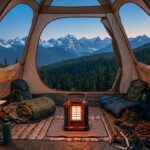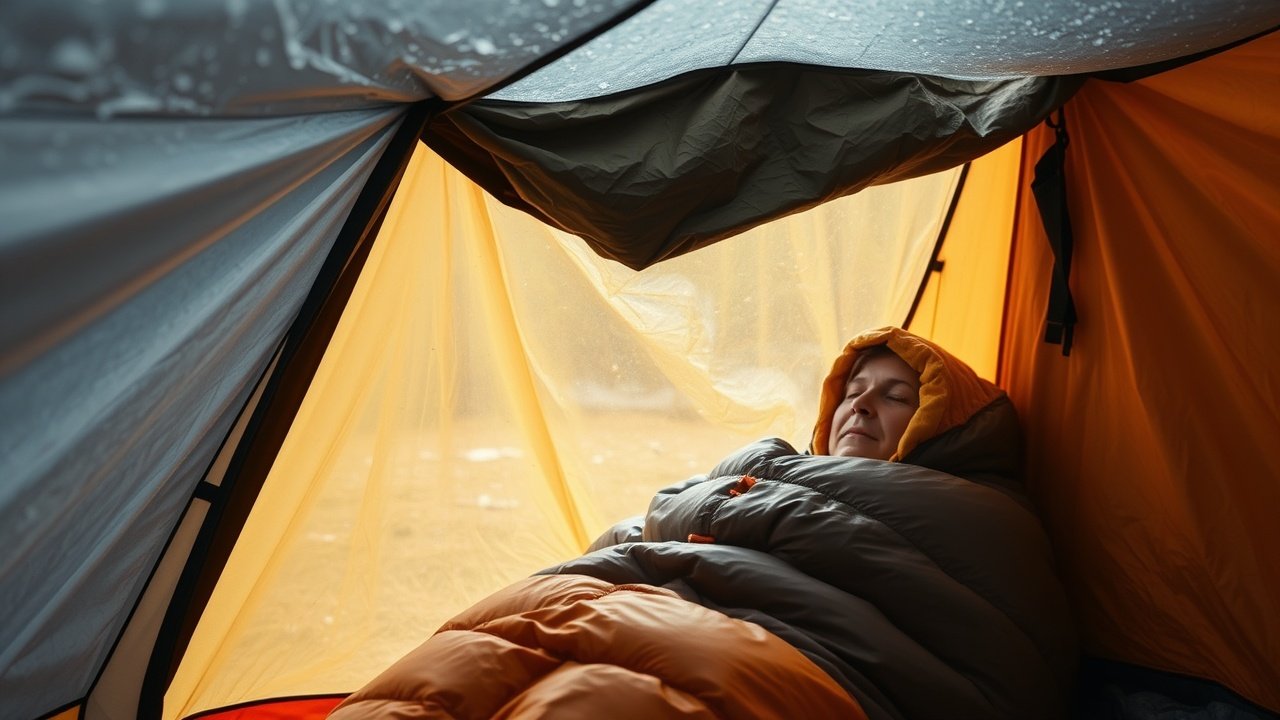
I woke up at 3:00 AM in the Cascades with a cold drop of water hitting me square in the forehead, and I wasn’t even sleeping in the rain, just under the tarp of my tent. It’s a special kind of misery. You’ve spent good money on a shelter, yet you’re waking up in a literal damp cave created by your own breath. I’ve spent decades testing airflow patterns in everything from high-altitude bivy sacks to family cabins just to avoid that “swimming pool” feeling on my sleeping bag.
The truth is, learning how to stop tent condensation Understanding condensation is more about physics than gear price tags, especially when you set up your tent in humid conditions. As we hit the 2026 season, tents are becoming more airtight to save weight, which actually makes the moisture problem worse if you don’t know what you’re doing. Look, you can buy the The best budget tent for beginners is often a double wall tent, which helps reduce condensation during backpacking trips. However, if you zip every flap shut in a humid valley, you’re going to get soaked from the inside out due to trapped air under trees.
Here’s the kicker: one of the most common camping mistakes to avoid Is pitching too close to water or under heavy tree cover where air movement stays stagnant, making it impossible to eliminate condensation? I’ll be honest with you implementing a few simple dry camp hacks for 2026, like strategic vestibule venting, is worth more than a $1,000 ultralight tent setup.
I’m going to show you the science of airflow so you never have to shake out a soggy tent again, especially when backpacking in humid areas and throughout the night. We’ll cover site selection, mechanical venting, and the “vapor barrier” secrets the pros use to ensure you can set up your tent effectively. Let’s get you through the night without the indoor rainstorm.
Stop guessing and start packing. Get the guide to choosing your perfect home under the stars.” [Read the Beginner’s Guide]
Understanding Tent Condensation
What is Tent Condensation?
Tent condensation is the process where water vapor turns into liquid inside your tent. This condensation happens when warm, moist air comes into contact with a cooler surface, such as the tent walls or rainfly. It’s a common issue, especially in certain weather conditions. Campers often mistake condensation inside for a tent leak, but it’s actually a natural phenomenon caused by the difference in air temperature and humidity levels. Even in the absence of rain, the presence of moisture from breathing, perspiration, and wet gear can contribute to condensation inside the tent fabric, making it impossible to eliminate. Understanding this process is the first step in learning how to reduce condensation effectively.
Causes of Condensation in a Tent
Condensation in a tent can be caused by a number of different factors. These include:
- High humidity can exacerbate the condensation issue inside a double wall tent.
- Air temperature difference can significantly affect air movement and condensation levels in your tent.
- Human respiration
- Improper ventilation can lead to a significant condensation issue, especially in a double wall tent.
Don’t spend your whole Sunday scrubbing. See the 15-minute hack to a spotless tent.
Effects of Excess Moisture Inside the Tent
Excess moisture inside the tent, resulting from tent condensation, can have several undesirable effects. These include:
- Discomfort caused by a soggy environment.
- Damage to your gear.
- Promotion of mold and mildew growth can occur if there is insufficient air movement inside the tent.
- Adding unnecessary weight to your pack can be avoided by choosing a lightweight tarp instead of a heavy tent.
- Shortening the lifespan of your tent.
How to Reduce Condensation in Your Tent
Choosing the Right Tent: Lightweight vs. Single-Wall
Selecting the perfect shelter requires balancing weight against environmental protection. Lightweight double-wall tents are the industry standard, utilizing a separate breathable inner canopy and a waterproof rainfly. This design excels at managing condensation, as moisture passes through the mesh rather than dripping on your gear.
Conversely, orient the door or largest vents toward the prevailing wind to maximize airflow and avoid condensation. single-wall tents prioritize minimalism, combining both layers into one specialized fabric. While they offer significant weight savings and a faster setup in harsh conditions, they are prone to internal dampness if airflow is restricted. Ultimately, choose a double-wall for general versatility or a single-wall for high-altitude, fast-and-light alpine pursuits.
Pitch Your Tent for Optimal Ventilation
Proper airflow is the secret to a dry, comfortable night in the backcountry. When pitching your tent, Orient the door or largest vents toward the prevailing wind to enhance air movement throughout the night. to encourage a cross-breeze. To prevent the dreaded buildup of internal condensation, ensure the rainfly is taut and physically separated from the inner tent body; this gap allows moisture-laden air to escape rather than settle on your sleeping bag. Whenever weather permits, leave vestibules partially unzipped or toggle back fly vents. By maximizing the chimney effect letting cool air in low and warm air out high you keep your shelter fresh and dry.
Camp on Higher Ground to Minimize Moisture
Choosing the right campsite can drastically reduce condensation in a tent. Camping on higher ground helps minimize moisture, as cold air and dew point tend to settle in valleys and low-lying areas, creating a condensation issue that can affect your camping experience.
Tips and Tricks to Manage Tent Condensation
Utilizing Proper Ventilation Techniques
Proper ventilation is key to managing tent condensation and ensuring a dry and comfortable camping experience. Open all vents and mesh panels to encourage airflow, especially when you set up your tent in humid conditions. and allow moisture to escape from inside your tent.
Keeping Gear Dry Inside the Tent
One of the most effective tips and tricks for tent condensation management is to keep your gear as dry as possible. Utilize the vestibule, if available, to store wet or damp items.
Staying Warm to Reduce Moisture Build-Up
Maintaining a comfortable air temperature inside your tent can indirectly help manage tent condensation. While it might seem counterintuitive, Staying warm can reduce moisture build-up both inside and outside the tent. because it minimizes the air temperature difference between inside your tent and the outside air, which can help prevent a condensation issue.
Stop the analysis paralysis. We’ve found the one critical difference that makes one of these tents a clear winner.” [Read More: Nemo Hornet Osmo vs Big Agnes Tiger Wall Ul2]
Camp on Higher Ground
Camp on higher ground to reduce tent condensation by avoiding cold, damp low spots where moisture collects; elevated sites often have better airflow that helps carry away warm, humid air from inside your tent, and they dry faster after rain so ground moisture won’t seep through your floor or saturate the surrounding air. Choosing a gentle rise also prevents pooling water during storms, allows you to pitch on firmer, less frost-prone soil, and positions you to catch breezes that lower humidity inside the tent simple site selection is one of the most effective ways to stop tent condensation before it starts.
Best Practices for a Dry Camping Experience
Preparing Your Gear Before Camping
Before heading out, one of the best practices for a dry camping experience is to meticulously prepare your gear to minimize moisture and address potential condensation inside the tent. Ensure your sleeping bag is stored in a waterproof compression sack and pack moisture-wicking clothing.
Ditch the anxiety and get the facts. Master the safety skills every camper needs to sleep soundly. [Read More: Is Tent Camping Safe?]
Choosing the Right Campsite
Selecting the right campsite is a critical best practice for avoiding tent condensation and ensuring a dry camp. High ground is preferable to low-lying areas, as cold air and dew point tend to accumulate in valleys.
Maintaining Your Tent During the Trip
Maintaining your tent during the trip is crucial for managing tent condensation effectively. During the day, if the weather allows, open the tent wide to air it out and dry any moisture that may have accumulated at the foot of the tent.. Regularly wipe down the inside of the tent walls with a dry cloth or sponge.
FAQ’s: How to Stop Tent Condensation
1. What causes condensation in a tent?
Condensation forms when warm, moist air inside meets the cooler tent fabric.
2. How can you reduce tent condensation?
Improve airflow by opening vents and doors slightly.
3. Does tent ventilation really help?
Yes, good ventilation is the most effective way to prevent moisture buildup.
4. Should you keep tent windows open at night?
Yes, keeping them slightly open helps reduce condensation.
5. Does campsite selection affect condensation?
Yes, avoid low areas and camp on dry, elevated ground.
6. Can a rainfly increase condensation?
Yes, if airflow is restricted, it can trap moisture inside.
7. How do you dry a wet tent quickly?
Wipe it down and air it out as soon as possible.
8. Does using a footprint help with condensation, especially when backpacking light?
It helps with ground moisture but doesn’t stop internal condensation.
9. Can breathing cause tent condensation?
Yes, your breath adds significant moisture inside the tent.
10. Avoid condensation by ensuring proper airflow in your rooftop tents. What is the best way to stop tent condensation?
Maximize ventilation and choose the right campsite conditions to avoid condensation, especially in wide open areas.
“Balance your load and save your back master the pro technique for a perfectly packed trail kit.” [Read More: How to Pack a Tent for Backpacking]
Conclusion
Condensation in a tent is a common, manageable problem if you combine preparation, ventilation, and moisture control. Start by choosing a sheltered campsite with good airflow and setting your tent so vents and doors can be opened without letting rain in. Keep wet gear, shoes, and damp clothing outside or in a vestibule to reduce internal humidity. Maximize passive ventilation by using mesh panels, opening rainfly vents, and orienting openings to catch breezes; when weather allows, crack a door opposite a vent to promote cross‑flow.
Minimize moisture sources by drying clothing before bed, cooking and boiling water outside the tent, and avoiding indoor drying of wet items. Use breathable sleeping bags and liners, and consider an absorbent pad or small camping-specific dehumidifier pouch to catch dripping moisture. For longer trips, manage condensation by airing the tent during the warmest part of the day and wiping down excessive moisture in the morning.
If you frequently camp in cold, humid conditions, invest in a tent with good ventilation design or add a breathable rainfly and larger vents. Finally, accept some condensation as natural focus on reducing its impact rather than eliminating it entirely. With sensible site selection, consistent habits, and the right gear, you can significantly reduce tent condensation and enjoy drier, more comfortable nights outdoors.