I’ve spent more nights on uneven granite and damp forest floors than I care to admit, often waking up feeling like I’d gone three rounds with a grizzly. There is a common myth that “roughing it” has to actually feel rough. It doesn’t. Look, the truth is that a bad night’s sleep is the fastest way to ruin a three-day trek, turning a scenic getaway into a grueling slog.
Figuring out Comfortable way to sleep in a tent has become an obsession of mine lately, especially with the gear tech we’re seeing this year. While many hikers focus on weight, the real win is avoiding common camping mistakes to avoid, like neglecting your R-value or forgetting a proper pillow. We’ve moved past the days of thin foam pads; checking out the best budget sleeping pads for beginners is a game-changer for 2026. If you’re still waking up with a stiff neck, you’re likely missing out on the latest tent sleep hacks for 2026 that prioritize spinal alignment over tradition.
I’m going to level with you: you don’t need to spend a fortune to feel like you’re at a five-star resort under the stars. I’ll show you exactly how to dial in your sleep system so you wake up actually wanting to hit the trail. Let’s fix your setup before your next trip.
Quick Tips for Sleeping Comfortably in a Tent
- Choose level ground before setting up your tent
- Use an insulated sleeping pad for cushioning and warmth
- Wear dry base layers to bed
- Bring a real camping pillow for neck support
- Ventilate the tent to reduce condensation
- Use earplugs in noisy campgrounds
- Avoid overdressing inside your sleeping bag
- Keep extra socks and layers nearby for cold nights
Choosing the Right Tent
Factors to Consider When Choosing a Tent
Selecting the appropriate tent for the night is paramount to ensuring a comfortable way to sleep during your camping trip. Several critical factors merit consideration to facilitate a good night’s sleep. Evaluate the tent’s capacity, typically measured by the number of people it’s designed to accommodate, remembering that a little extra space can significantly enhance comfort, especially if you plan to bring gear inside your tent.
Seasonality is another crucial aspect; a 3-season tent offers versatility for most camping trips, providing adequate ventilation for warmer nights and sufficient protection for cooler conditions. Furthermore, assess the tent’s packed weight and size, particularly if backpacking, although if you’re car camping, weight is less of a concern. Material quality, waterproofing, and ease of setup are also integral to making tent camping more comfortable and ensuring durability for many adventures to come.
Types of Tents for Comfortable Camping
The market offers a diverse array of tents, each designed with specific features that can greatly influence your ability to sleep comfortably in a tent. Dome tents are popular for their stability and generous headroom, making them a suitable choice for general tent camping, especially when you’re in the tent for an extended period. Cabin tents, characterized by their nearly vertical walls, provide an abundance of interior space and stand-up room, which can be a significant advantage when you’re car camping and seeking to make sleeping in a tent feel more like home.
For solo adventurers or those seeking a lightweight option, backpacking tents prioritize portability, often at the expense of interior volume, though many still offer a surprisingly comfortable sleep if paired with the right sleep system. Consider also the ventilation system, as proper airflow is vital to prevent condensation and maintain a fresh sleeping area, contributing to a more comfortable sleep.
Setting Up Your Tent for Optimal Sleep
The strategic placement and meticulous setup of your tent are foundational for a comfortable sleep. I once ignored a slight downhill slope and spent the entire night slowly sliding into the corner of the tent. Orient the tent’s door away from prevailing winds to minimize drafts and prevent dust ingress, creating a more sheltered environment inside your tent.
Utilizing a footprint or ground cloth beneath your tent’s floor is highly recommended to protect against abrasion and moisture, further enhancing your sleeping in your tent experience. Ensure all guy lines are properly tensioned and stakes are firmly anchored; this not only provides stability against wind but also helps maintain the tent’s shape, maximizing interior space and contributing to an overall more comfortable and secure feeling.
Creating a Comfortable Sleep System
Camping Sleep Gear Comparison Table
| Gear Type | Best For | Comfort Level | Portability | Best Camping Style |
|---|---|---|---|---|
| Foam Sleeping Pad | Budget campers | Medium | Excellent | Backpacking |
| Inflatable Sleeping Pad | Maximum comfort | High | Very Good | Most camping trips |
| Camping Cot | Off-ground sleeping | Very High | Moderate | Car camping |
| Air Mattress | Home-like comfort | High | Low | Family camping |
| Mummy Sleeping Bag | Cold weather | High warmth | Excellent | Winter camping |
| Rectangular Sleeping Bag | Spacious comfort | Medium-High | Moderate | Casual camping |
Choosing the Right Sleeping Pad
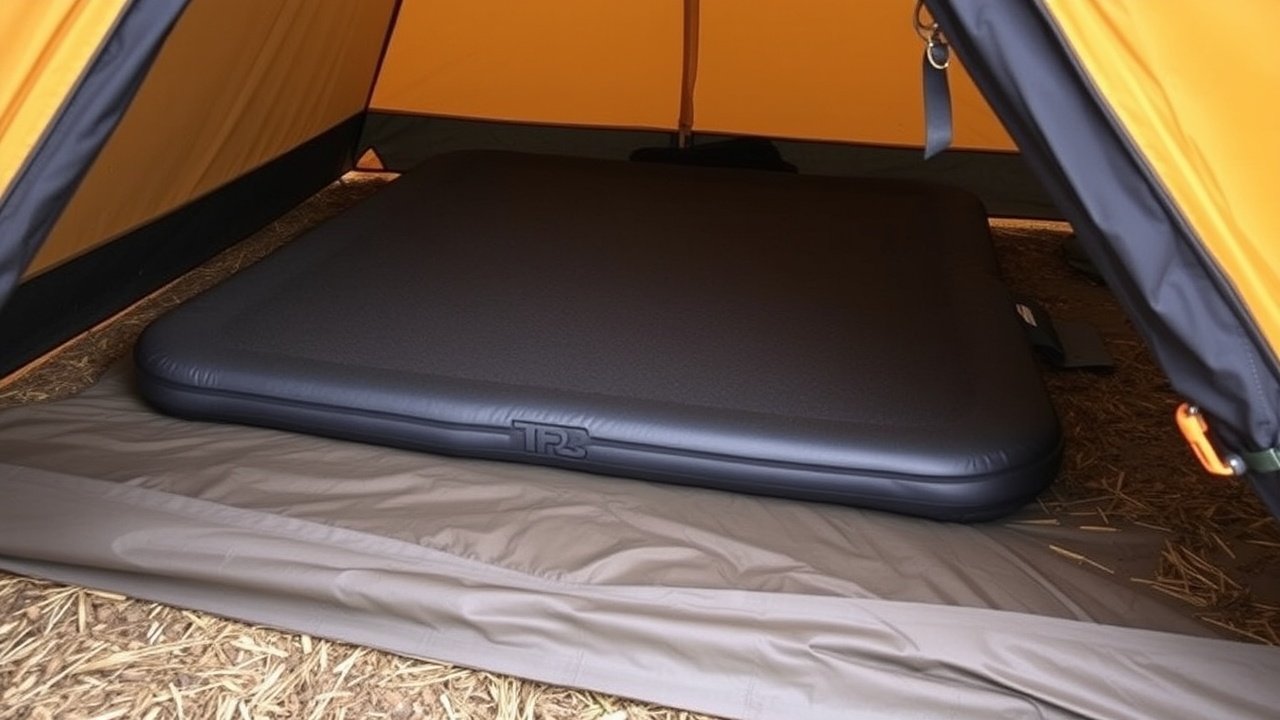
If there’s one piece of gear that can completely change your sleep outdoors, it’s your sleeping pad. I learned this the hard way after spending a freezing night on thin foam padding that felt like sleeping directly on rock.
Most beginners focus too much on the sleeping bag and forget that cold air comes from underneath. A quality sleeping pad adds both cushioning and insulation, which is why the R-value matters so much. For most three-season camping, an R-value between 2 and 4 works well. If you camp in colder temperatures, aim for something above 5.
The first time I upgraded to an insulated pad, I immediately noticed how much warmer and less sore I felt in the morning. Most beginners assume the sleeping bag is the main source of warmth, but ground insulation is usually the real game changer.
Inflatable sleeping pads usually provide the best comfort, especially for side sleepers or anyone dealing with uneven ground. Foam pads are simpler, tougher, and cheaper, but they don’t offer the same level of support. Personally, upgrading to a thicker insulated pad improved my camping sleep more than buying a more expensive tent ever did.
Sleeping Bags: Finding the Best Fit
Your sleeping bag can either make the night cozy or absolutely miserable. I’ve made the mistake of bringing the wrong temperature-rated bag before, and waking up cold at 3 AM is not an experience you forget quickly. That trip taught me that temperature ratings matter far more than flashy marketing claims.
When choosing a sleeping bag, focus first on temperature rating instead of marketing claims. It’s usually smarter to choose a bag rated slightly colder than the temperatures you expect. That extra warmth gives you flexibility if conditions suddenly change overnight.
Mummy sleeping bags are excellent for retaining body heat because they fit closer to your body, while rectangular sleeping bags feel roomier and more relaxed for casual camping trips. If you move around a lot while sleeping, the extra space can actually help you rest better.
Another underrated upgrade is a sleeping bag liner. It adds warmth, keeps your bag cleaner, and makes cold-weather camping much more manageable without carrying extra bulky blankets.
Using Pillows and Bedding for Extra Comfort
To truly make sleeping in a tent feel like a home away from home, integrating appropriate pillows and bedding is essential for a comfortable way to sleep. While a rolled-up jacket might suffice in a pinch, A dedicated camp pillow, either inflatable or compressible, provides superior neck support, enhancing your ability to sleep well in a tent. and contributes significantly to a good night’s sleep.
Inflatable camp pillows are lightweight and pack down small, making them ideal for any camping trip, while compressible options offer a more traditional pillow feel. For an extra layer of luxury and warmth, consider bringing a small blanket or a sleeping bag liner in addition to your sleeping bag for a good night’s rest while camping. This added bedding can create a cozier sleeping area, allowing you to get comfortable and adjust your warmth levels throughout the night, transforming your camping sleep experience into one of ultimate relaxation inside your tent.
Best Gear for Sleeping Comfortably in a Tent
Getting quality sleep outdoors often comes down to having the right camping gear. Even small upgrades to your sleep setup can make a huge difference in comfort, warmth, and overall sleep quality during a camping trip.
1. Insulated Sleeping Pad
A high-quality sleeping pad is one of the most important pieces of camping gear for better sleep. It cushions your body from hard ground while also insulating you from cold temperatures underneath the tent floor. Thicker inflatable sleeping pads usually provide the best comfort for side sleepers and beginners.
2. Properly Rated Sleeping Bag
Choosing the right sleeping bag for the weather is essential. A sleeping bag with an appropriate temperature rating helps you stay warm throughout the night without overheating or feeling restricted. Mummy-style sleeping bags are excellent for cold weather, while rectangular bags offer more space and comfort for casual camping.
3. Camping Pillow
A dedicated camping pillow provides far better neck support than rolled-up clothes or jackets. Inflatable camp pillows are lightweight and easy to pack, while memory foam camping pillows offer extra comfort for car camping trips. For years I used rolled-up hoodies as pillows until I realized how much neck strain they were causing overnight.
4. Sleeping Bag Liner
A sleeping bag liner adds extra warmth and keeps your sleeping bag cleaner over time. It is especially useful during colder nights when you need additional insulation without carrying bulky blankets.
5. Foam Earplugs and Eye Mask
Noise and light can easily interrupt sleep outdoors. Simple additions like earplugs and a soft eye mask can dramatically improve sleep quality, especially in crowded campgrounds or during early sunrises.
6. Portable Tent Fan or Heater
During summer camping trips, a portable fan improves airflow and reduces stuffiness inside the tent. In colder conditions, a safe tent heater can make sleeping much more comfortable when used properly and with adequate ventilation.
7. Camping Cot
For campers who dislike sleeping directly on the ground, a camping cot provides excellent support and elevation. Cots are especially popular for car camping because they improve comfort and reduce pressure points during sleep.
Practical Tips for Sleeping Comfortably in a Tent
Ways to Stay Warm During Cold Nights
Staying warm is paramount for achieving a good night’s sleep in a tent, especially during colder camping trips. A robust sleep system begins with the foundation: ensuring your sleeping pad has an adequate R-value to insulate you from the cold ground, preventing heat loss. Layering is key, not only with your clothing but also within your sleeping bag. Consider a sleeping bag liner, which can add several degrees of warmth and makes your sleeping bag more comfortable.
Before settling in for the night, a clever hack is to use a dedicated camp pillow, either inflatable or compressible, to ensure you get a good night’s sleep. fill a Nalgene water bottle with hot water, secure the lid tightly, and place it inside your sleeping bag a few minutes before you get in; this creates a wonderful, localized heat source that helps you stay warm. Eating a warm meal before bed also boosts your metabolism, generating internal heat, and wearing clean, dry base layers made of wool or synthetic materials helps trap warmth close to your body, contributing significantly to a comfortable sleep.
Dealing with Uneven Ground and Noise
Addressing uneven ground and minimizing noise are critical for a comfortable sleep while tent camping. When you pitch your tent, meticulously scout for the most level patch of ground possible, clearing away any rocks, roots, or debris that could protrude through your tent floor and disrupt your sleeping on the ground. An inflatable sleeping pad with substantial thickness can significantly mitigate the impact of minor unevenness, providing a more consistent and comfortable surface for sleeping in your tent.
For noise reduction, consider bringing earplugs; they are a simple yet highly effective tool to block out the sounds of fellow campers, wildlife, or rustling leaves, allowing you to get comfortable and achieve a restful night’s sleep. Strategically choosing a campsite away from high-traffic areas or noisy streams can also make tent camping more comfortable, creating a peaceful sleeping area inside your tent.
Common Mistakes to Avoid for Better Sleep
To truly make sleeping in a tent a comfortable experience, it’s essential to avoid several common pitfalls that can disrupt a good night’s sleep. One frequent mistake is not adequately insulating from the ground; relying solely on a sleeping bag without a proper sleeping pad can lead to significant heat loss and a very uncomfortable night. Another error is over-bundling inside your sleeping bag, which can lead to sweating and subsequent chilling, negating efforts to stay warm. It’s better to wear moisture-wicking layers.
Neglecting to prepare your campsite properly such as not clearing rocks or pitching your tent on a slope will invariably lead to an uncomfortable way to sleep and disrupt your chances of a good night’s rest while camping. Lastly, ignoring the need for a camp pillow or a suitable alternative can result in neck pain, making it difficult to get comfortable and achieve a refreshing camping sleep. Avoiding these mistakes will significantly enhance your ability to sleep comfortably in a tent.
Biggest Tent Sleeping Mistakes
| Mistake | Why It Ruins Sleep |
|---|---|
| Sleeping directly on the ground | Causes heat loss and body soreness |
| Choosing uneven terrain | Leads to pressure points and discomfort |
| Wearing damp clothes to bed | Makes you colder overnight |
| Using the wrong sleeping bag | Causes overheating or freezing |
| Skipping ventilation | Creates condensation inside the tent |
| Forgetting a pillow | Can lead to neck stiffness |
| Overpacking the sleeping area | Reduces comfort and space |
| Eating too little before bed | Your body generates less warmth |
Camping Hacks for Better Sleep Quality
Setting Up a Cozy Sleeping Area
Small comfort upgrades inside your tent can make a surprising difference after a long day outdoors. Even something as simple as clearing tiny rocks before laying down your gear can save you from waking up sore in the middle of the night.
I’ve found that keeping the sleeping area organized also helps mentally. A cluttered tent somehow makes sleeping feel more stressful, especially in smaller backpacking tents. Try to keep shoes, backpacks, and cooking gear away from where you sleep whenever possible.
If you’re car camping, adding an extra blanket underneath your sleeping pad can provide additional softness and insulation. A small camp pillow, warm socks, and dry sleep clothes also go a long way toward creating a setup that actually feels relaxing instead of survival-focused.
The goal isn’t luxury. It’s removing the small discomforts that slowly ruin sleep throughout the night.
Utilizing Natural Elements for Comfort
Harnessing natural elements can significantly enhance your ability to sleep comfortably in a tent, adding layers of comfort often overlooked by novice campers. During cooler evenings, collect smooth, clean rocks, warm them by a campfire (ensure they are not too hot to handle or placed directly on flammable materials), and then wrap them in a cloth before placing them inside your sleeping bag near your feet; this provides a natural, radiant heat source to help you stay warm throughout the night.
For a natural camp pillow, if you forgot yours, a soft pile of moss or dried leaves wrapped in a jacket can offer a surprisingly comfortable way to sleep. Additionally, strategically pitching your tent to utilize natural windbreaks like large rocks or dense foliage can protect your sleeping area from drafts, making your tent more comfortable and conducive to a restful camping sleep.
Expert Tips for Restful Sleep Outdoors
One thing I’ve learned over the years is that sleeping well outdoors has as much to do with routine as it does with gear. The campers who rest best usually follow small habits that make the environment feel more familiar and comfortable.
Changing into dry clothes before bed is one of the simplest but most effective tricks. Even slightly damp clothing can make cold temperatures feel much worse overnight. I also avoid drinking too much water right before sleeping because nobody wants repeated midnight trips outside the tent.
If campground noise keeps you awake, lightweight foam earplugs are absolutely worth carrying. They take up almost no space and can completely change your sleep quality in crowded camping areas.
Another overlooked tip is ventilation. Many beginners seal the tent completely to stay warm, but trapped condensation can quickly make the inside damp and uncomfortable. Keeping a small vent open usually creates a much better sleeping environment.
At the end of the day, better camping sleep comes from stacking small improvements together rather than relying on one expensive piece of gear.
Tent Camping Sleep Checklist
Before heading to bed, make sure you have:
✅ Level ground under your tent
✅ Dry sleeping clothes
✅ Insulated sleeping pad
✅ Proper sleeping bag for the temperature
✅ Camp pillow or neck support
✅ Earplugs or white noise solution
✅ Ventilation open to reduce condensation
✅ Extra socks or warm layers nearby
✅ Water bottle and flashlight accessible
✅ Tent zipped properly against wind and bugs
People Also Ask FAQs
1. Why is it hard to sleep in a tent?
Sleeping in a tent can feel uncomfortable because of uneven ground, cold temperatures, noise, poor insulation, and unfamiliar sleeping conditions. A proper sleep system can greatly improve comfort.
2. What is the best way to sleep comfortably in a tent?
The best way to sleep comfortably in a tent is to use a quality sleeping pad, choose level ground, stay warm with layered clothing, and bring a supportive camping pillow.
3. How do you stay warm while sleeping in a tent?
To stay warm in a tent, use an insulated sleeping pad, a properly rated sleeping bag, dry base layers, and extra blankets or sleeping bag liners during cold nights.
4. Is an air mattress good for tent camping?
An air mattress can be comfortable for car camping, but it may lose heat quickly in cold weather unless paired with insulation underneath.
5. What should I wear to sleep in a tent?
Wear clean, dry, moisture-wicking layers such as thermal base layers, wool socks, and a warm beanie to stay comfortable while sleeping outdoors.
6. How can I make my tent feel more comfortable?
You can make your tent more comfortable by adding soft bedding, using a thick sleeping pad, improving ventilation, organizing gear, and reducing noise and light.
7. How do campers sleep on hard ground?
Campers sleep more comfortably on hard ground by using thick sleeping pads, inflatable mattresses, foam pads, or camping cots for better cushioning and support.
8. What temperature is too cold for tent camping?
The temperature depends on your gear and experience, but beginners may find tent camping uncomfortable below 40°F (4°C) without proper cold-weather equipment.
9. How do I stop condensation inside my tent?
To reduce condensation, improve airflow by opening vents, avoid bringing wet gear inside, and keep some ventilation open even during cold nights.
10. What camping gear improves sleep quality the most?
The most important gear for better camping sleep includes a high-quality sleeping pad, insulated sleeping bag, camp pillow, earplugs, and warm sleep clothing.
My Go-To Tent Sleep Setup
After years of experimenting with different camping setups, this is the sleep system that consistently gives me the best rest outdoors without overpacking gear.
| Gear | Why I Use It |
|---|---|
| Insulated inflatable sleeping pad | Keeps cold ground from draining body heat |
| Mummy sleeping bag | Retains warmth during colder nights |
| Memory foam camping pillow | Prevents neck stiffness and improves support |
| Merino wool socks | Keeps feet warm without overheating |
| Foam earplugs | Blocks campground noise and wind sounds |
| Hot water bottle trick | Adds extra warmth before sleeping |
| Dry base layers | Helps regulate body temperature overnight |
| Small tent fan | Improves airflow during warm-weather camping |
Expert Shortcut
If you only upgrade one thing for better camping sleep, upgrade your sleeping pad first. Most sleep problems outdoors come from poor insulation and pressure points underneath your body rather than the tent itself.
Final Thoughts: Comfortable way to sleep
Sleeping comfortably in a tent doesn’t require expensive gear or years of camping experience. With the right sleep setup, proper insulation, and a few smart camping hacks, you can enjoy deeper rest and wake up feeling refreshed outdoors. Small changes like upgrading your sleeping pad, choosing level ground, and staying dry at night often make the biggest difference. After years of trial and error, I’ve learned that better sleep outdoors usually comes from fixing several small problems instead of searching for one perfect solution.