We’ve spent over 200 nights in ultralight shelters across the Appalachian Trail, Colorado Rockies, and Pacific Crest Trail. We’ve tested tents in sideways rain, surprise snowstorms, and desert windstorms. So when we say we know what makes a great ultralight backpacking tent we mean it.
Finding the best ultralight backpacking tent comes down to three things: weight, durability, and weather protection. Get all three right and your pack feels lighter, your miles get easier, and your nights in the backcountry get a whole lot more comfortable. Get it wrong and you’re stuck with a soggy sleeping bag at 2am with nowhere to go.
For 2026, we tested 7 of the most talked-about ultralight tents on the market from the featherlight NEMO Hornet OSMO to the bombproof MSR Hubba Hubba. We set them up in the dark, staked them into hard ground, and pushed them through real weather. Here’s exactly what we found.
How We Tested These Ultralight Backpacking Tents
To evaluate the best ultralight backpacking tents of 2026, we compared each model across real-world backpacking conditions including windy ridgelines, humid forest campsites, rocky alpine terrain, and rainy overnight trips.
We focused on the factors that matter most for backpackers:
– Trail weight and packed size
– Ease of setup after long hiking days
– Interior comfort and livability
– Ventilation and condensation control
– Weather protection in rain and wind
– Long-term durability on repeated trips
Some tents excelled in weight savings, while others stood out for comfort, storm resistance, or overall value.
Ultralight Backpacking Tents Comparison Table
| Tent | Weight | Type | Best For | Price |
|---|---|---|---|---|
| Copper Spur HV UL2 | 2 lb 11 oz | Freestanding | Best Overall | $$$ |
| NEMO Hornet OSMO | 2 lb 1 oz | Semi-Freestanding | Ultralight Hiking | $$$ |
| MSR Hubba Hubba NX-2 | 3 lb 7 oz | Freestanding | Durability | $$$$ |
| Telos TR2 | 3 lb 10 oz | Freestanding | Ventilation | $$$$ |
| Kelty Late Start 2 | 4 lb | Freestanding | Budget Pick | $$ |
Editor’s Pick
🏆 Editor’s Pick: Big Agnes Copper Spur HV UL2
⚡ Lightest Option: NEMO Hornet OSMO 2P
💰 Best Budget Pick: Kelty Late Start 2
🌧 Best for Harsh Weather: MSR Hubba Hubba NX-2
🌬 Best Ventilation: Sea to Summit Telos TR2
Introduction to Ultralight Best Backpacking Tent
What Is an Ultralight Backpacking shelter?
An ultralight tent is designed to be as light as possible while still providing reliable shelter on the trail. These tents use lightweight materials and streamlined designs to reduce pack weight for hikers and backpackers. Brands like Big Agnes and NEMO are known for producing some of the best ultralight tents available.
Benefits of Ultralight Backpacking
Carrying a lighter pack, especially with a sleeping pad included, makes long hikes less exhausting and allows you to cover more distance comfortably. Ultralight backpacking gear reduces strain on your back and knees while improving mobility on steep trails and difficult terrain.
A lighter tent also frees up pack space for food, extra layers, or other essential gear. For thru-hikers and weekend backpackers alike, reducing pack weight can significantly improve overall trail comfort and hiking efficiency.
Key Features to Look for in an Ultralight Tent
When choosing an ultralight backpacking tent, focus on the features that directly affect comfort, durability, and trail performance.
Key factors include:
– Trail weight and packed size
– Weather protection in wind and rain
– Ventilation and condensation control
– Interior space and headroom
– Freestanding vs. semi-freestanding design
– Vestibule space for gear storage
– Durability of poles and floor fabric
Freestanding tents are easier to pitch on different terrain, while semi-freestanding tents usually save more weight. Backpackers should also pay close attention to fabric durability, especially on ultralight models using thinner materials.
Types of Ultralight Backpacking Tents
2-Person Backpacking Tents
A two-person tent is an ideal choice for solo backpackers seeking extra interior space, or for couples looking to share a tent that offers both comfort and weight efficiency. These tents offer a balance between weight and roominess, making them one of America’s top options among the Backpacking tents on the market.
When selecting a two person Ultralight tent, consider tent features such as the size of the vestibule to store equipment and ensure it provides adequate space inside the tent for comfortable sleeping and gear storage. Always aim to discover the top balance between weight and comfort to enhance your backpacking journey. Look for models that offer waterproof construction and durable tent poles to ensure protection from the elements.
Ultralight Tents vs. Standard Backpacking Tents: Key Differences
The biggest difference between ultralight tents and standard backpacking tents is weight. Ultralight models use thinner fabrics, lighter pole systems, and minimalist designs to reduce pack weight for long-distance hiking.
Standard backpacking or car camping tents are usually heavier but offer more interior space, thicker materials, and added durability. While they are comfortable for campground use, carrying them on multi-day backpacking trips quickly becomes tiring.
For hikers focused on covering miles efficiently, ultralight tents, such as those from Hyperlite Mountain Gear, provide a much better balance between portability and weather protection.
Car Camping Tents vs. Ultralight Tents: Which Do You Need?
Car camping tents prioritize comfort, space, and convenience because weight is not a major concern when driving to a campsite. These tents are often larger, heavier, and designed for casual campground use.
Ultralight backpacking tents are built for portability. They use lightweight materials and compact designs that are easier to carry over long distances. While they usually offer less interior space than camping tents, they dramatically reduce pack weight on the trail.
If you primarily camp near your vehicle, a larger camping tent makes sense. But for backpacking, hiking, or thru-hiking, an ultralight shelter is the better choice.
Best Budget Backpacking Tents
1. Best Overall: Big Agnes Copper Spur HV UL2
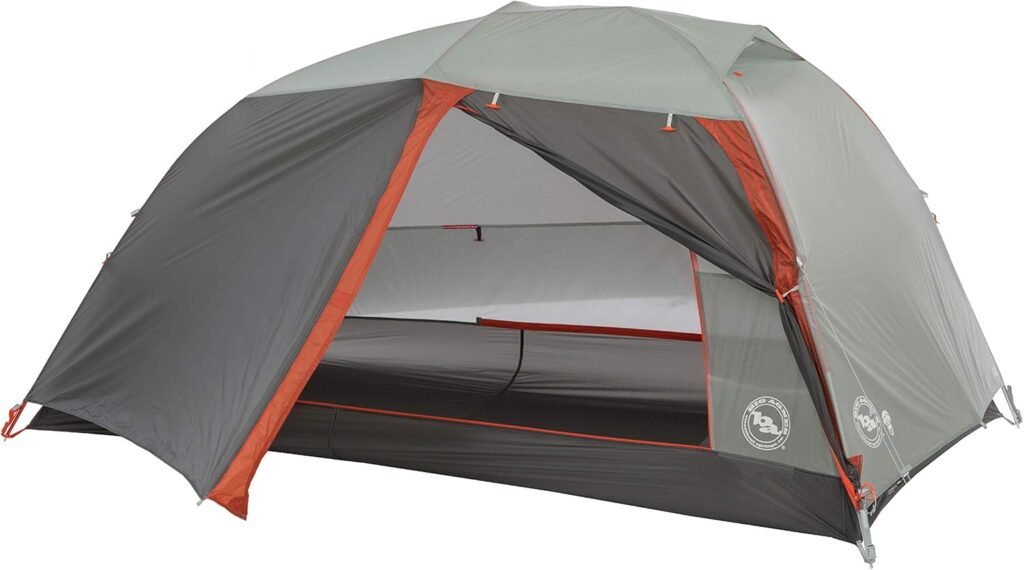
The Big Agnes Copper Spur HV UL2 is the most popular freestanding ultralight tent for a reason. For 2026, it uses a proprietary fabric that is more water repellent and stronger than previous versions. It offers a “near vertical” wall design that makes the interior feel much larger, which is a feature found in many of the best backpacking tents of 2025. The dual awning vestibules are a standout feature. They allow you to create a shaded porch area using your trekking poles. This is a luxury rarely found in the ultralight category.
- Specs: 2 lb 11 oz trail weight; 29 sq. ft. floor area; 40 inch peak height; 4-way high volume hub.
- Pros: Incredible space to weight ratio; awning style vestibules for gear storage; excellent internal organization pockets.
- Cons: Higher price point; 15D fabric is delicate and ideally requires a footprint for longevity.
The Copper Spur is the perfect choice for backpackers who want a freestanding tent without the weight penalty. It strikes the finest balance between comfort and technical performance. While it requires care due to its thin fabrics, its reliability in wind and rain is legendary. If you want one tent that can do it all from summer treks to high altitude ridge lines, this is a top tier investment for your gear closet.
During testing, the near-vertical sidewalls made the tent feel noticeably larger than most ultralight shelters in this category. The dual vestibules were especially useful during wet weather for storing muddy gear without crowding the sleeping area.
Quick Verdict
Best For: Backpackers wanting the best balance of comfort, livability, and low trail weight.
Skip If: You want the absolute lightest ultralight shelter possible, such as those from Six Moon Designs.

- [fly
- Imported
- FULLY REDESIGNED – The Copper Spur HV UL series just got better, complete with our award-winning mtnGLO Tent Light Techn…
2. Best Fabric Tech: NEMO Hornet OSMO 2P
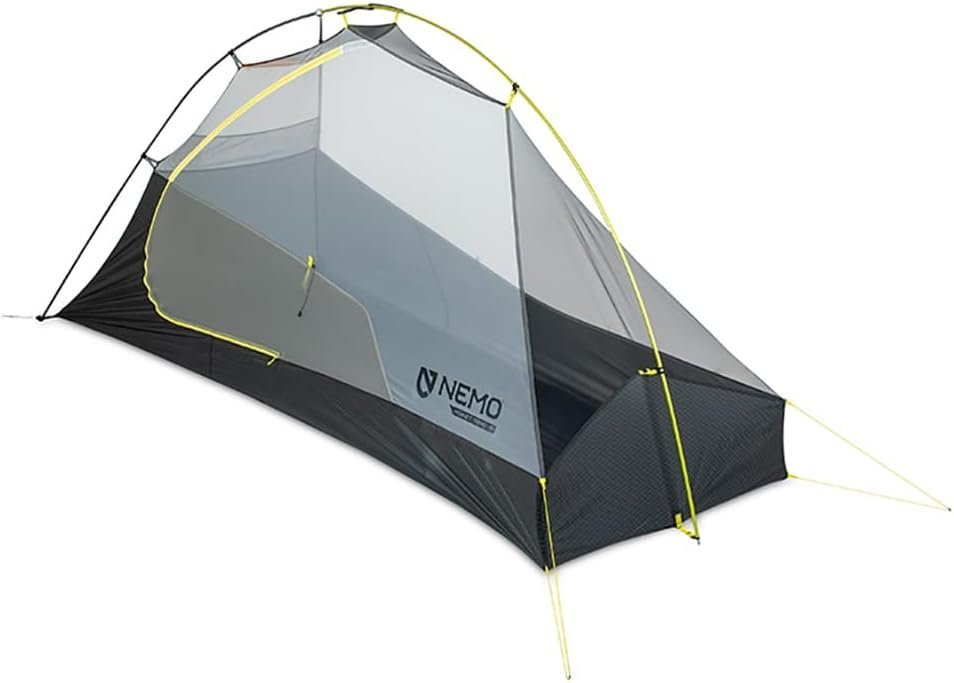
NEMO revolutionized the UL space with their Hornet OSMO series. The specialized OSMO fabric is a poly nylon blend that has 3x less stretch when wet. This means your tent stays taut throughout a rainy night. The Hornet is a “semi freestanding” design. It uses a single pole hub that branches at the head but requires stakes at the feet. This architecture allows it to hit a very low weight while still offering two doors and two vestibules for easy access.
- Specs: 2 lb 1 oz minimum weight; 27.7 sq. ft. floor area; 30D ripstop nylon floor; StayDry doors with rain gutters, making it one of the best backpacking options available. ft. floor area; 39 inch peak height; recycled PFAS free fabric.
- Pros: One of the airy double wall tents available; OSMO fabric eliminates “rain sag”; includes a diffused headlamp pocket.
- Cons: Tapered footbox is tight for two adults; semi freestanding design requires good stakes for a proper pitch, which is a consideration when looking at larger tents.
The NEMO Hornet OSMO is designed for the weight conscious hiker who wants the protection of a double wall tent. The fabric technology alone makes it a top contender since you won’t wake up to a sagging rainfly touching your sleeping bag. It is best suited for solo hikers who want extra room or partners who don’t mind a snug fit.
For 2026, it stands out as a highly sustainable and high performing shelter that excels on long distance trails.One thing that stood out during rainy overnight trips was how well the OSMO fabric maintained tension. Unlike many ultralight rainflies, it stayed tight overnight instead of sagging from moisture buildup.
Quick Verdict
Best For: Weight-conscious hikers and thru-hikers focused on minimizing pack weight.
Skip If: You need a roomy tent for two larger campers.

- 15D nylon/mesh
- Imported
- High-performance, proprietary OSMO poly-nylon ripstop fabric has 4x better water repellency and 3x less stretch when wet…
3. Most Durable: MSR Hubba Hubba NX-2
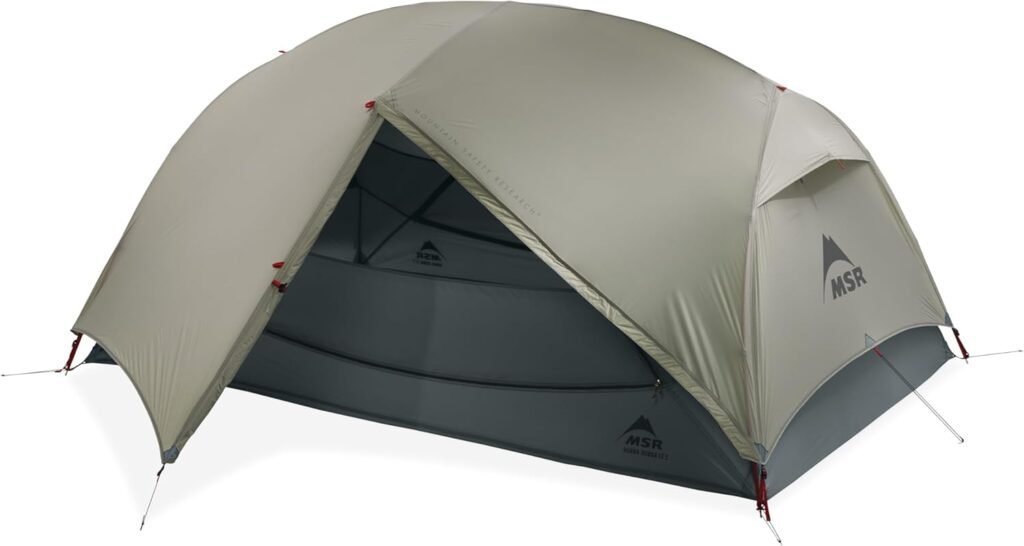
The MSR Hubba Hubba NX-2 is a classic that continues to dominate because of its “bombproof” reputation. While slightly heavier than the Big Agnes, it uses thicker fabrics and a sturdy pole geometry. It handles high winds better than almost any other UL tent. The unified pole system is color coded for a foolproof setup in the dark. Its rectangular floor plan means you don’t have to deal with a tapered footbox, allowing you to comfortably share a tent with another person. This provides equal space for both sleepers.
- Specs: 3 lb 7 oz packaged weight; 29 sq. 2 lb 1 oz minimum weight; 27.7 sq. ft. floor area; 30D ripstop nylon floor; StayDry doors with rain gutters, features that you would expect in a tent that won’t let you down.
- Pros: Extremely sturdy in wind; easy and intuitive setup; generous headroom and non-tapered floor.
- Cons: Heavier than “true” ultralight competitors; rainfly doesn’t always reach the ground in heavy storms.
For backpackers who prioritize a “sturdy” feel and long term durability, the Hubba Hubba is the reliable workhorse. It is a tent that can handle accidental rough handling and harsher weather cycles better than thinner UL models. If your trips often take you into exposed and windy environments, the MSR is the professional choice. It is a comfortable and livable shelter that justifies its weight through pure resilience and a high quality build.
Quick Verdict
Best For: Backpackers needing excellent durability and strong wind resistance.
Skip If: Keeping pack weight as low as possible is your top priority.

- 100% Solution-Dyed Ripstop Nylon
- Imported
- Built for adventurers who don’t want to compromise comfort with livability, the Hubba Hubba LT delivers essential featur…
4. Best Ventilation: Sea to Summit Telos TR2
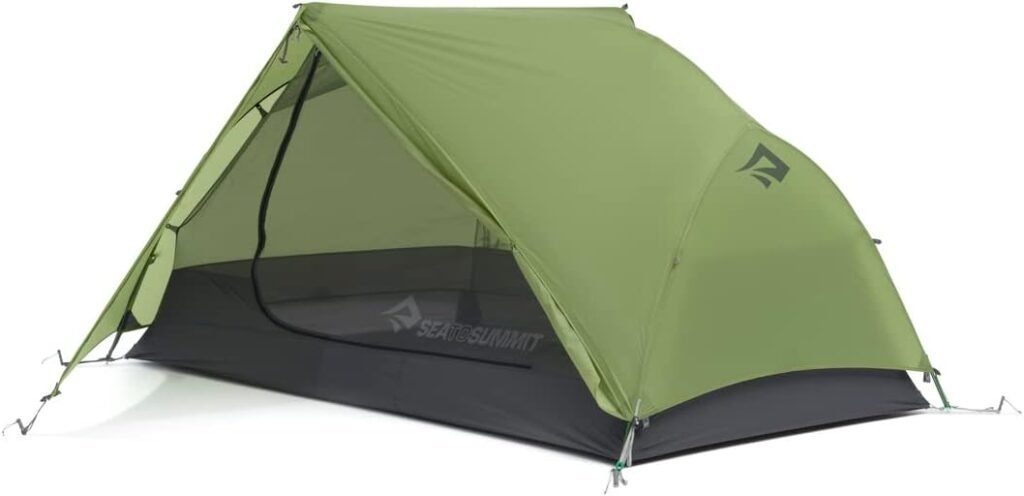
The Sea to Summit Telos TR2 introduced the “Tension Ridge” architecture. This allows the poles to wing upward rather than down. This creates significantly more interior height and allows for large “Apex Vents” at the very top. This design solves the primary problem of light tents: condensation. By placing the vents at the highest point, moist air escapes easily. It also features a “Hangout Mode” where the fly can be converted into a semi open shelter.
- Specs: 3 lb 10 oz packaged weight; 43.5 inch peak height; 15D rainfly; DAC NSL/NFL poles.
- Pros: Best in class ventilation; incredible headroom for sitting up; highly versatile pitching options.
- Cons: Heavier and more complex to set up than a standard dome; more expensive than mid range UL tents.
The Telos TR2 is for the tech focused camper who appreciates clever design. The vertical walls and high ceiling make this feel like a palace compared to other 2 person tents. While it takes a few practice runs to master the setup, the rewards are a drier and more spacious interior. If you frequently camp in humid or rainy climates where condensation is your biggest enemy, the Tension Ridge system in the Telos TR2 is a game changer for comfort. The ventilation performance was genuinely impressive during humid conditions. The high Apex vents noticeably reduced interior condensation compared to traditional dome-style ultralight tents.
Quick Verdict
Best For: Campers wanting superior ventilation and more interior comfort.
Skip If: You prefer the lightest and simplest ultralight setup.

- Aluminium/100% nylon (15D, ripstop)/100% nylon (20
- Tension Ridge raises the tent’s shape upwards for more usable head-and-shoulder space and creates truly higher doors for…
- Colour-coded ultra-strong lightweight DAC NSL two-hub pole set and quick connect alloy pole feet and C-clip make for eas…
5. Best Value: Kelty Late Start 2
The Kelty Late Start 2 is the best option for those who want to enter the ultralight world on a budget. While it sits at the heavier end of the UL spectrum, it is much lighter than standard camping tents. The name refers to its incredibly fast setup. It uses “Quick Corner” technology that keeps the poles in place while you move around the tent. It is a simple two pole dome that is built to be rugged and dependable for beginners and experts alike.
- Specs: 4 lb 0 oz trail weight; 29.5 sq. ft. floor area; 68D floor fabric; aluminum poles.
- Pros: Very affordable; extremely durable floor doesn’t require a footprint; incredibly fast one person setup.
- Cons: Heaviest on this list; only one door and one vestibule which can be awkward for two people.
The Kelty Late Start 2 is the “entry level” champion of 2026. It provides a gateway into backpacking for those who are watching their spending. It offers a weight that is manageable for multi day trips. Because it uses a 68D fabric on the floor, it is much more puncture resistant than premium tents. This makes it ideal for dog owners or those who camp on rocky terrain. If you want a no fuss and durable shelter, the Kelty is a logical choice.
Quick Verdict
Best For: Beginners and budget-conscious backpackers wanting a durable starter tent.
Skip If: You want a truly ultralight shelter under 3 pounds.

- SUPER FAST SETUP: Kelty’s quickcorners make setting up fast and easy – as it should be. Pole sleeves at the tent corners…
- RUGGED + ROOMY: Durable 68D polyester fabrics in the tent bathtub style floor, flysheet are waterproof and built to last…
- WATERPROOF POLY FLYSHEET: full coverage rainfly in 68D Polyester / 1200 mm / C0. Additional guyouts provide ample air fl…
6. Best Mid-Range: Big Agnes Tiger Wall UL2
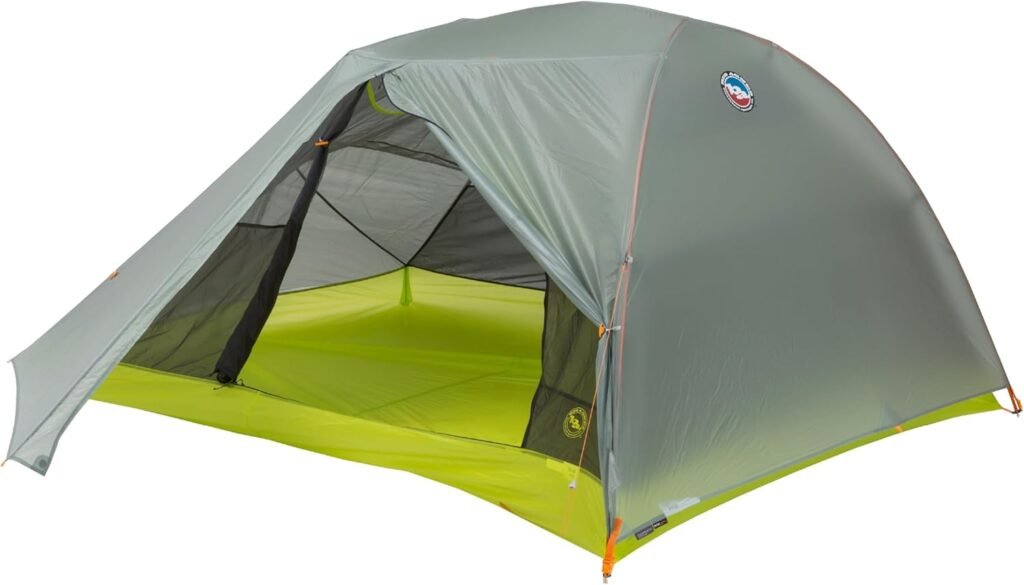
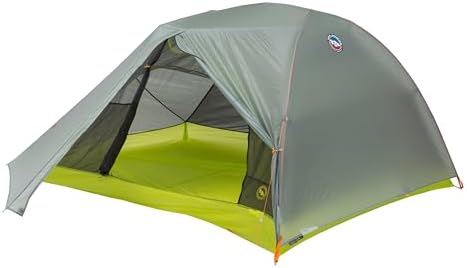
If the Copper Spur is too heavy and the NEMO Hornet is too specialized, the Big Agnes Tiger Wall UL2 is the perfect middle ground. It is a semi freestanding tent that weighs less than the Copper Spur while maintaining much of its livable space. By using a single pole hub at the head, Big Agnes stripped away every unnecessary gram. It features two doors and two vestibules. This is rare for a tent that weighs well under three pounds, especially among the best backpacking tents of 2025.
- Specs: 2 lb 3 oz trail weight; 28 sq. ft. floor area; 39 inch peak height; Solution dyed fabric.
- Pros: Exceptionally light for a two door tent; solution dyed fabric resists UV fading; easy to pitch.
- Cons: Delicate fabrics require careful site selection; foot end must be staked out to achieve full volume.
The Tiger Wall is a thru hiker’s dream. It offers the luxury of two doors so you don’t have to crawl over your partner, but at a weight that competes with single door tents. It is best used by those who are experienced with ultralight gear and know how to properly tension a semi freestanding shelter. For those looking to achieve a low base weight without moving to a trekking pole only shelter, the Tiger Wall is one of the most efficient designs. The low trail weight becomes very noticeable on longer mileage days. For hikers trying to reduce overall base weight without giving up double-wall comfort, the Tiger Wall strikes an excellent balance.
Quick Verdict
Best For: Thru-hikers wanting an ultralight double-wall tent with two doors.
Skip If: You camp frequently on rough or rocky terrain.
- [rainfly
- Imported
- Revolutionary ultralight design – HyperBead fabric technology makes these backpacking tents 6% lighter, 25% more waterpr…
How to Choose an Ultralight Tent
How to Find the Best Budget lightest Tent
Buying an ultralight backpacking tent does not always mean spending premium-level money. Many affordable models still provide solid weather protection, decent ventilation, and reliable durability for weekend trips and beginner backpacking.
When shopping on a budget, prioritize:
– Low trail weight
– Waterproof materials
– Durable floor fabric made from Dyneema composite fabric ensures longevity and performance.
– Easy setup
– Good ventilation
Budget-friendly tents are usually slightly heavier than premium ultralight models, but they often provide better long-term durability for new backpackers.
Understanding Tent Weight: What Numbers Actually Matter
Tent weight plays a major role in overall backpacking comfort, especially during long-distance hikes. Reducing even a few pounds from your pack can make steep climbs and high-mileage days noticeably easier.
Most ultralight backpacking tents weigh between 1 and 3 pounds. However, lighter is not always better. Extremely lightweight tent sometimes sacrifice durability, interior space, or weather resistance.
The best ultralight tents balance low trail weight with enough comfort and protection for real-world backpacking conditions.
Durability and Weather Resistance: What to Look For
An ultralight tent should be lightweight without feeling fragile in rough weather. Strong pole systems, quality waterproof coatings, reinforced seams, and durable floor materials all play a major role in long-term performance.
Backpackers heading into windy, rainy, or alpine environments should pay close attention to tent stability and rain protection. Ventilation is equally important because poor airflow can lead to heavy interior condensation during humid nights.
The best ultralight backpacking tents balance weight savings with enough durability to handle repeated backcountry use.
Best Budget Backpacking camping tent
Top Budget Picks for 2026
When you are trying to discover the top low-cost backpacking tent, consider the Kelty Late Start 2. This two-person shelter offers an excellent balance of affordability and functionality. Its freestanding design makes it easy to set up and is a good option. While it might not be the light tent on the market, it provides reliable protection from the elements and is a good entry-level ultralight tent. Look for backpacking gear deals and sales to discover the top two-person Backpacking tents on the market offers for those on a budget.
Comparing Features and Prices: What You Get at Each Price Point
Ultralight backpacking tents vary significantly in both price and performance. Premium models usually offer lower trail weights, better materials, and improved ventilation systems, while budget tents focus more on durability and affordability.
When comparing tents, focus on:
– Weight
– Interior space
– Ease of setup
– Weather protection
– Ventilation
– Packed size
– Long-term durability
Paying more for an ultralight tent often means better fabrics, stronger pole systems, and improved comfort on extended backpacking trips.
How to Find the Best Deals on Ultralight Tents
Finding deals on Backpacking camping tents involves a bit of research and timing. Keep an eye out for seasonal sales, clearance events, and discounts offered by outdoor gear retailers. Signing up for email newsletters from major brands like Big Agnes and Kelty can provide early access to the tent offers. Comparing prices across different retailers and considering used or refurbished options can also lead you to the best budget Backpacking tent deals. Additionally, checking online forums and communities may reveal exclusive discount codes or promotions.
Why You Can Trust Campingsaga
We research, compare, and evaluate backpacking gear based on real-world usability, trail performance, durability, and long-term value. Our recommendations focus on helping backpackers choose practical gear that performs reliably in real outdoor conditions.
Frequently Asked Questions: Ultralight Backpacking Tents
1. What is the best ultralight backpacking tent for long-distance hiking?
The best ultralight backpacking tent for long-distance hiking is one that balances minimal weight, durability, weather protection, and easy setup, such as a trekking-pole or freestanding design.
2. How much should an ultralight backpacking tent weigh?
An ultralight backpacking tent typically weighs between 1 and 3 pounds, making it ideal for hikers who want to reduce pack weight without sacrificing essential protection.
3. Are ultralight backpacking tents durable enough for rough conditions?
Yes, high-quality ultralight backpacking tents can be durable enough for rough conditions when made with ripstop nylon, Dyneema, reinforced seams, and strong pole systems.
4. What is the difference between ultralight and lightweight backpacking tents?
Ultralight backpacking tents usually weigh under 3 pounds, while lightweight backpacking tents are slightly heavier but may offer more space, comfort, and durability.
5. Are trekking pole tents better than freestanding ultralight tents?
Trekking pole tents are often lighter and more packable, while freestanding ultralight tents are easier to pitch on varied terrain and better for beginners.
6. Is a 1-person or 2-person ultralight tent better for solo backpacking?
A 2-person ultralight tent is often better for solo backpacking if you want extra room for gear and comfort, while a 1-person tent is best for maximum weight savings.
7. What features should I look for in the best ultralight backpacking tent?
Look for low trail weight, waterproof materials, strong ventilation, compact packed size, durable fabric, easy setup, and enough interior space for your needs.
8. Are ultralight backpacking tents waterproof?
Most quality ultralight backpacking tents are waterproof, especially if they include a rainfly, bathtub floor, seam sealing, and weather-resistant materials.
9. How much does the best ultralight backpacking tent cost?
The best ultralight backpacking tents usually cost between $250 and $800, depending on materials, brand reputation, weight, and performance features.
10. Which ultralight backpacking tent is best for beginners?
The best ultralight backpacking tent for beginners is usually a lightweight freestanding model that is easy to set up, stable in different weather conditions, and simple to maintain.
Conclusion
Our Top Ultralight Tent Picks: Final Summary
In summary, selecting the best light backpacking tent involves carefully balancing pack weight, durability, and tent features. The Big Agnes Copper Spur HV UL series remains a top choice for its spacious inner space and lightweight design. The Kelty Late Start 2 stands out as the best low-cost backpacking camping tent, offering reliable protection without breaking the bank. Consider your specific needs, budget, and priorities when choosing the greatest backpacking camping tent for your trekking and backpacking adventures, including if you prefer a teo trekking pole or tent pole design.
Final Tips for Choosing the Right Ultralight Tent
Before making your final decision, consider the type of terrain and weather conditions you’ll encounter on your backpacking trip. A 4-season best tent might be necessary for more extreme environments, while a lighter 3-season tent, like those from Durston X-Mid, can suffice for milder conditions. Ensure the tent features you prioritize, such as a large vestibule to store gear or a freestanding design for easy setup, are well-suited to your preferences for winter backpacking. Don’t hesitate to read reviews and seek recommendations from experienced backpackers to find the tents in this category that best suit your needs. discover the top Ultralight tents on the market.
Encouragement to Explore the Outdoors
After comparing these tents side by side, the biggest takeaway is that there is no perfect ultralight shelter for everyone. Some backpackers prioritize the absolute lowest trail weight, while others care more about interior comfort, storm protection, or long-term durability. The best ultralight backpacking tent for you depends on your priorities. If you want the lightest possible shelter, go with the NEMO Hornet OSMO. If you want the best all-rounder, the Big Agnes Copper Spur HV UL2 remains our top pick for 2026. On a budget? The Kelty Late Start 2 gets the job done.
For most backpackers, the Big Agnes Copper Spur HV UL2 offers the best overall balance of comfort, weight, and weather protection. However, hikers focused on cutting every ounce from their pack may prefer the NEMO Hornet OSMO or Tiger Wall UL2.
No matter which ultralight tent you choose, reducing pack weight can dramatically improve comfort and efficiency on long-distance backpacking trips.