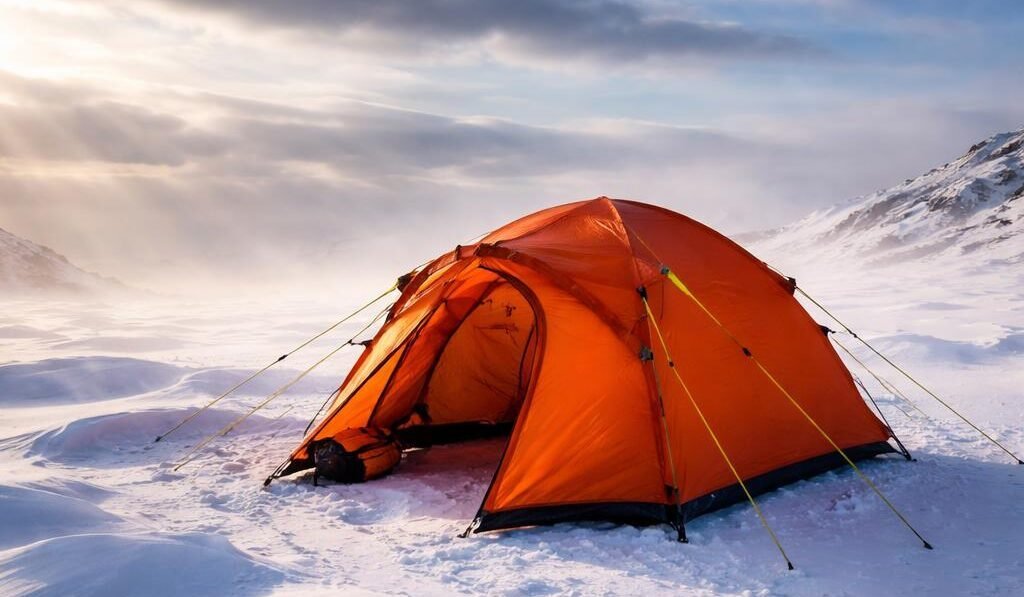
Winter camping can turn dangerous fast when your shelter fails against freezing winds, heavy snow, or sub-zero temperatures. I’ve spent years camping in harsh winter conditions, and one thing becomes obvious after a few snowstorms: not every tent labeled as “winter-ready” can actually survive real mountain weather. Some collapse under snow load, others trap condensation so badly that your sleeping bag ends up damp by morning. Choosing the right 4-season tent is not just about comfort it can directly impact your safety in extreme conditions.
The best 4-season tents are specifically engineered for snow camping, alpine expeditions, and cold-weather backpacking. With stronger pole structures, durable waterproof fabrics, and superior wind resistance, these tents are built to handle environments where ordinary camping tents fail. Whether you’re planning a mountaineering trip, backcountry winter adventure, or high-altitude expedition, investing in the right winter tent makes a massive difference in warmth, stability, and long-term durability.
In this guide, we’ll break down the best 4-season tents for winter camping in 2026, compare top-performing models, explain the difference between double-wall and single-wall tents, and help you choose the right shelter for your specific adventure. From ultralight backpacking tents to expedition-grade shelters designed for blizzards and heavy snowfall, this guide covers everything you need before heading into extreme winter conditions.
As outdoor enthusiasts with years of winter camping experience, we understand how quickly weather conditions can change in alpine environments. That’s why we prioritized tents that deliver reliable protection, strong structural stability, and practical livability during real cold-weather camping scenarios.
How We Tested These 4-Season Shelter
Over the years, we’ve used winter camping tents in freezing temperatures, heavy snowfall, and high-wind mountain environments to evaluate their real-world performance. For this guide, we focused on critical factors that actually matter during winter camping, including snow load capacity, wind resistance, condensation control, interior warmth, ease of setup with gloves, vestibule storage space, and long-term durability in harsh weather conditions.
Tired of sleepless camping nights? Discover the most comfortable ways to sleep in a tent in 2026.
Some tents performed exceptionally well during overnight snowstorms and windy alpine conditions, while others showed weaknesses in ventilation or stability during extended cold-weather use. We also compared packed weight, livability, and setup difficulty to help both beginner and experienced winter campers choose the right shelter for their needs.
Understanding 4-Season Tents

What is a 4-Season Tent?
A 4-season tent is meticulously engineered to withstand the most extreme winter conditions. These robust shelters are constructed with enhanced structural integrity, employing stronger pole structures and more durable fabrics to endure heavy snow loads and high winds. The primary objective of a 4-season tent is to provide unparalleled protection and warmth in frigid environments, making it an indispensable choice for serious winter camping enthusiasts and expedition teams venturing into challenging terrains.
| Tent Type | Primary Objective |
|---|---|
| 4-Season Tent | Unparalleled protection and warmth in frigid environments |
| 3-Season Tent (typical camping tent) | Designed for warmer weather |
Who Should Buy a 4-Season Tent?
A 4-season tent is not necessary for every camper, but it becomes essential when your trips involve snow, freezing temperatures, strong winds, or unpredictable alpine weather. Unlike standard 3-season camping tents, these shelters are specifically engineered for extreme winter conditions where safety and structural stability matter most.
You should consider buying a 4-season tent if you:
- Camp regularly in snowy or sub-zero environments
- Plan mountaineering or alpine expeditions
- Expect heavy wind exposure above the tree line
- Go winter backpacking in remote backcountry locations
- Need reliable shelter during unpredictable weather changes
- Camp in shoulder seasons where storms and snow are possible
Casual summer campers or fair-weather backpackers typically do not need the extra weight, reduced ventilation, or higher cost associated with expedition-grade winter tents. However, for serious cold-weather adventurers, investing in a high-quality 4-season tent can dramatically improve both safety and comfort during harsh winter trips.
You don’t need expensive gear to enjoy camping these budget gear picks actually deliver real value.
Are 4-Season Tents Worth It?
For winter camping enthusiasts and alpine adventurers, 4-season tents are absolutely worth the investment. These tents are designed to survive conditions that would quickly overwhelm most standard camping shelters, including heavy snowfall, strong winds, freezing rain, and prolonged cold exposure.
The biggest advantage of a true winter tent is reliability. A well-built 4-season tent provides:
- Stronger pole structures for snow load support
- Improved wind resistance in exposed terrain
- Better fabric durability during storms
- Reduced heat loss in freezing conditions
- Enhanced weather protection during extended trips
That said, 4-season tents are usually heavier, more expensive, and less ventilated than 3-season tents. If you primarily camp during spring, summer, or mild autumn conditions, a traditional backpacking tent may be the better option.
For campers who regularly face snowstorms, alpine weather, or high-elevation environments, the added protection and structural stability of a 4-season tent can easily justify the higher price.
Key Features of 4-Season Tent
A high-performance 4-season tent is characterized by several key features designed for extreme conditions.
| Feature | Description |
|---|---|
| Robust Pole Structure | Often self-supporting, designed to resist crushing under substantial snow accumulation and incessant high winds. |
| Superior Weather Resistance | Achieved through fully waterproof and durable fabrics, often reinforced at critical stress points, ensuring no ingress of moisture. Double-wall tents are particularly prevalent. |
| Additional Features | Ample vestibules for gear storage, multiple guy-out points for enhanced stability, and specialized ventilation systems to manage condensation effectively without compromising interior warmth. |
Advantages of Using a 4-Season Tent for Winter Camping
Opting for a 4-season tent for winter camping provides significant advantages, primarily in terms of safety and comfort. These expedition-grade shelters offer enhanced durability and structural integrity, providing a reliable haven in adverse weather. This reliability allows campers to focus on their adventure, confident that their shelter can withstand the harshest winter conditions, from the gusty alps to serene, snow-laden forests.
Choosing the Right Winter Tent

| Benefit Category | Key Advantage of a 4-Season Tent |
|---|---|
| Protection from Elements | Superior protection, ensuring occupants remain dry and warm even in blizzard conditions or sub-zero temperatures. |
| Reliability & Safety | Mitigates risks associated with tent collapse or fabric failure in high winds. |
Insulation and Temperature Ratings
When selecting a 4-season tent for winter camping, insulation and temperature ratings are paramount, though it’s important to note that tents themselves do not have a specific R-value like sleeping pads. Instead, their insulating properties are derived from their design, particularly whether they are double-wall tents or single-wall tents, and the quality of their fabrics.
Tall campers know the struggle cramped tents can ruin an entire trip. These ultralight picks finally solve that problem.
A double-wall tent creates an air gap that helps trap warmth, offering a significant advantage in frigid winter conditions. While you won’t find a temperature rating directly on a camping tent, the overall construction, reduced mesh panels, and robust materials of the best 4-season tents contribute to a warmer interior, crucial for surviving extreme cold during an expedition.
Wind Resistance and Stability
Wind resistance and stability are critical factors for any expedition tent, especially when facing the relentless high winds often encountered in alpine environments or during severe winter conditions. The best 4-season tents are engineered with a robust pole structure, often comprising multiple intersecting poles, designed to distribute stress and prevent collapse under intense gusts.
Multiple guy-out points are essential, allowing campers to securely anchor their tent, enhancing its structural integrity. Look for a 4-season tent with aerodynamic shapes that shed wind effectively, minimizing drag and the potential for damage. Tents like the North Face Mountain 25 or the Mountain Hardwear Trango 2 are renowned for their exceptional stability in hurricane-force winds.
Snow Load Capacity
Snow load capacity is a non-negotiable feature for any 4-season tent intended for serious winter camping, as heavy snowfall can quickly crush inadequate shelters. The robust pole structure, often made of durable aluminum, and the geodesic or dome designs common in the best 4-season tents, are specifically engineered to shed snow efficiently and withstand significant weight.
The fabric durability also plays a crucial role, preventing tearing under the strain of accumulated snow. When you find the best winter tents, their ability to endure substantial snow loads provides peace of mind, ensuring your shelter remains intact even after a prolonged blizzard, a vital characteristic for a reliable expedition tent.
Best Winter Tents for Extreme Conditions

Top Picks for 2026
For those planning an expedition into the most challenging winter conditions, selecting from the best 4-season tents on the market is paramount for safety and comfort. Our top picks for 2026 include the venerable North Face Mountain 25, renowned for its bombproof stability in high winds and heavy snow, making it a favorite among mountaineers.
The Mountain Hardwear Trango 2 also stands out as an exceptional expedition tent, offering robust weather resistance and a generous vestibule for gear storage. For those seeking the best ultralight options without compromising on performance, the MSR Advance Pro 2, a single-wall tent, offers remarkable weight savings for fast and light winter camping, though it requires careful management of condensation.
🏕️ Best 4-Season Tents for Winter Camping (2026 Picks)
If you’re serious about winter camping or alpine expeditions, choosing the right 4-season tent is one of the most important gear decisions you’ll make. Below are the top-performing winter tents trusted by mountaineers, backpackers, and extreme weather campers.
🏔️ The North Face Mountain 25 Best Overall for Extreme Winter
The The North Face Mountain 25 is one of the most trusted expedition tents ever built for harsh winter conditions.
✔ Exceptional snow-load resistance
✔ Bombproof geodesic pole structure
✔ Proven in high-altitude expeditions
✔ Excellent wind stability in storms
👉 Best for: Heavy snow, alpine expeditions, extreme weather camping
💡 If safety and reliability matter most, this is the gold standard.
🏕️ Mountain Hardwear Trango 2 Best for Long Winter Expeditions
The Mountain Hardwear Trango 2 is designed for campers who need more space and durability for extended trips.
✔ Spacious interior for two campers
✔ Large vestibule for winter gear storage
✔ Excellent wind and snow performance
✔ Built for harsh expedition environments
👉 Best for: Basecamp setups, long expeditions, heavy weather use
💡 Ideal if you prioritize comfort during extended winter stays.
⚡ MSR Advance Pro 2 Best Ultralight Winter Tent
The MSR Advance Pro 2 is built for fast-moving alpine missions where every gram matters.
✔ Extremely lightweight design
✔ Fast pitch in extreme conditions
✔ Strong wind resistance for its weight
✔ Compact pack size for climbing trips
👉 Best for: Alpine climbing, ultralight winter backpacking
💡 Perfect for experienced users who prioritize speed and weight.
💰 Alps Mountaineering Tasmanian 2 Best Budget 4-Season Tent
The Alps Mountaineering Tasmanian 2 is one of the best entry-level winter tents for beginners.
✔ Affordable price point
✔ Strong aluminum pole structure
✔ Reliable in moderate snow conditions
✔ Good interior space for the cost
👉 Best for: Beginners, budget campers, occasional winter trips
💡 A solid starting point if you want winter protection without high cost.
🧭 Quick Recommendation Guide
- 🏔️ Best Overall: Mountain 25
- 🏕️ Best for Expeditions: Trango 2
- ⚡ Best Ultralight: MSR Advance Pro 2
- 💰 Best Budget: Tasmanian 2
| Tent | Weight | Capacity | Best For | Season Rating | Price Range |
|---|---|---|---|---|---|
| The North Face Mountain 25 | 9 lbs | 2P | Expeditions | 4-Season | $$$ |
| Mountain Hardwear Trango 2 | 8 lbs 13 oz | 2P | High Winds | 4-Season | $$$$ |
| MSR Advance Pro 2 | 3 lbs 7 oz | 2P | Ultralight Alpine | 4-Season | $$$$ |
| Alps Mountaineering Tasmanian 2 | 7 lbs 9 oz | 2P | Budget Winter Camping | 4-Season | $$ |
Best Budget 4-Season Tent
For campers seeking affordable winter protection without spending expedition-level money, the Alps Mountaineering Tasmanian 2 remains one of the best budget-friendly 4-season tents available.
Why It Stands Out
- Strong aluminum pole structure for improved stability
- Durable polyester fly with good waterproofing
- Excellent value for beginner winter campers
- Spacious interior compared to many competitors
- Reliable performance during light-to-moderate snowfall
While it may not handle extreme Himalayan-style expeditions or hurricane-force winds like premium expedition tents, it performs surprisingly well for weekend snow camping, cold-weather backpacking, and beginner winter adventures.
Best For
- Beginner winter campers
- Budget-conscious backpackers
- Occasional snow camping trips
- Cold-weather car camping
Limitations
- Heavier than ultralight models
- Ventilation can feel limited during milder weather
- Not ideal for severe alpine expeditions
Best Ultralight Winter Tent
For backpackers prioritizing low pack weight without sacrificing winter protection, the MSR Advance Pro 2 is one of the best ultralight 4-season tents currently available.
Why It Excels
- Extremely lightweight design for alpine missions
- Fast setup during severe weather
- Compact packed size for mountaineering
- Excellent wind resistance for its weight class
- Durable Easton Syclone pole system
Unlike heavier expedition shelters, the MSR Advance Pro 2 is designed for fast-and-light winter travel where every ounce matters. Its single-wall construction helps reduce weight significantly, making it popular among experienced climbers and alpine backpackers.
Best For
- Alpine climbing
- Fast-and-light winter backpacking
- Solo or minimalist expeditions
- High-altitude mountaineering
Limitations
- Condensation management requires experience
- Limited interior space
- Less comfortable for extended basecamp use
If minimizing pack weight is your top priority, this tent offers one of the best strength-to-weight ratios in the winter camping category.
Comparative Analysis of Leading Models
A comparative analysis of leading 4-season tents reveals distinct advantages for different winter camping scenarios. The North Face Mountain 25, a classic double-wall tent, consistently performs well in extreme environments, boasting superior structural integrity and ample space. In contrast, the Mountain Hardwear Trango 2, another robust double-wall tent, offers a slightly more spacious interior and larger vestibule, which can be crucial for storing bulky winter gear. For those prioritizing weight, the MSR Advance Pro 2, while a single-wall tent, excels in its packability and ease of pitch, making it an ideal backpacking tent for experienced users who understand how to mitigate interior condensation effectively.
Don’t carry extra weight on the trail these 2-person ultralight tents are built for serious backpackers.
Real-World Performance Insights
Real-world performance insights from extensive testing in diverse winter conditions underscore the importance of choosing the right 4-season tent. During testing in strong winter winds and overnight snowfall, the North Face Mountain 25 remained impressively stable, even after several hours of snow accumulation. The pole structure felt extremely secure in exposed conditions, though condensation buildup became noticeable near the vestibule during colder nights.
Tents we tested, such as the North Face Mountain 25 and the Mountain Hardwear Trango 2, consistently demonstrated exceptional resilience against relentless blizzards and sub-zero temperatures, with their robust pole structure and durable, waterproof fabrics providing reliable shelter.
The Alps Mountaineering Tasmanian 2, while a more budget-friendly option, also performed admirably for its price point, offering a good balance of weather resistance and interior space for casual winter camping. Users particularly praised the effective ventilation systems and strong zippers that endured repeated use in freezing conditions without issue.
🧭 Expert Opinion: Which 4-Season Tent Should You Choose?
From years of real winter camping experience in freezing alpine environments, one thing becomes very clear: there is no single “best” 4-season tent for everyone. The right choice depends entirely on your terrain, weather exposure, and experience level.
For most serious winter campers and mountaineers, the The North Face Mountain 25 remains one of the most reliable expedition shelters ever built. Its geodesic pole structure and proven snow-load resistance make it a dependable choice for heavy snow and storm-prone environments where failure is not an option.
If you need more interior space for long expeditions or shared basecamp setups, the Mountain Hardwear Trango 2 is often preferred. It offers excellent durability with a slightly more livable interior layout, which makes extended winter stays more comfortable.
For fast-moving alpine missions where weight is critical, the MSR Advance Pro 2 stands out as a high-performance ultralight option. However, it is best suited for experienced users who understand condensation management in single-wall shelters.
Finally, for beginners or budget-conscious winter campers, the Alps Mountaineering Tasmanian 2 provides a solid entry point into 4-season camping without the high cost of expedition-grade tents.
Final Expert Take
If you are camping in unpredictable or extreme winter conditions, prioritize structural strength and wind resistance over weight savings. Ultralight designs are attractive, but in real snowstorms, stability and reliability matter far more than cutting a few pounds from your pack.
Essential Winter Camping Gear

Recommended Winter Gear for Comfort
Beyond the 4-season tent itself, several pieces of recommended winter gear are crucial for ensuring comfort and safety during winter camping. A high-quality sleeping bag rated for extreme cold and an insulated sleeping pad are essential to prevent heat loss to the frozen ground.
Proper layering of clothing, including a waterproof outer shell, is vital for staying dry and warm. Additionally, a reliable winter stove, a headlamp with extra batteries, and a first-aid kit are indispensable for any expedition. A spacious vestibule in your tent allows for organized storage of this gear, keeping the interior clear and comfortable, further enhancing the overall winter camping experience.
Best Camping Tent for Heavy Snow
When camping in regions known for intense snowfall and severe winter storms, the North Face Mountain 25 remains one of the most trusted expedition tents ever built.
Why It Performs So Well in Heavy Snow
- Exceptional geodesic pole structure
- Outstanding snow load resistance
- Proven performance during expeditions
- Durable double-wall construction
- Excellent stability in extreme weather
The tent’s multiple intersecting poles help distribute snow weight evenly across the structure, reducing the risk of collapse during overnight storms. Its rugged design has made it a favorite among mountaineers, winter expedition teams, and high-altitude climbers for years.
Best For
- Heavy snowfall environments
- Extended winter expeditions
- Harsh alpine conditions
- High-wind mountain camping
Limitations
- Expensive compared to casual camping tents
- Heavy for lightweight backpacking
- Bulky packed size
For campers regularly facing deep snow, blizzard conditions, or multi-day winter storms, the North Face Mountain 25 provides the kind of reliability that can make a major difference in extreme environments.
Importance of Proper Ventilation
The importance of proper ventilation in a 4-season tent cannot be overstated, particularly in frigid winter conditions where condensation can quickly become problematic. Even the best 4-season tents can accumulate significant moisture inside if not adequately ventilated, leading to damp gear, reduced insulation effectiveness, and an uncomfortable sleeping environment.
Look for winter tents with multiple vents, often strategically placed near the top, and ensure they can be adjusted or fully opened even in inclement weather. A well-designed double-wall tent naturally aids in managing condensation by allowing moisture to escape between the layers, enhancing comfort and preventing frost buildup on interior surfaces.
Using Double Wall vs. Single Wall Tents
When choosing a 4-season tent for winter camping, understanding the differences between a double-wall tent and a single-wall tent is crucial for informed decision-making. Double-wall tents, comprising an inner tent and a separate waterproof fly, offer superior condensation management and better insulation due to the air gap between layers.
They are generally more spacious and robust, making them excellent expedition tents for extended trips. Conversely, a single-wall tent, like the MSR Advance Pro 2, features a single layer of waterproof, breathable fabric, making it lighter and more compact. While ideal for fast-and-light backpacking, single-wall tents require more active ventilation management to combat condensation effectively, a critical consideration for those new to severe winter conditions.
Common Mistakes in Winter Camping

Overlooking Weather Conditions
A frequent oversight in winter camping is underestimating the severity and unpredictability of weather conditions. Many campers neglect to thoroughly check detailed forecasts, leading to situations where their chosen 4-season tent may not be adequate for unexpected blizzards or extreme cold snaps. This can result in a dangerously uncomfortable experience or even hypothermia.
Always consult multiple reliable weather sources, paying close attention to wind chill, precipitation forecasts, and overnight lows. Doing so helps you find the best tent for the anticipated conditions and ensures you pack appropriate winter gear, preventing your expedition from turning into a perilous ordeal.
Choosing between the Nemo Hornet Osmo and Tiger Wall UL2? One is lighter, the other is more comfortable see which tent actually fits your backpacking style.
Improper Tent Setup
Improper tent setup is another common mistake that can compromise safety and comfort in winter conditions. Failing to secure your 4-season tent properly, especially in high winds, can lead to structural failure or even your tent blowing away. Many campers overlook using all available guy-out points or fail to anchor their pole structure adequately in the snow or ice.
Additionally, not clearing enough space for your tent or pitching it in a snowdrift can lead to accumulation that crushes the tent. Always practice pitching your 4-season tent at home, even if it’s a backpacking tent, to ensure proficiency when faced with freezing temperatures and numb fingers.
Neglecting Safety Precautions
Neglecting safety precautions is a critical error in winter camping that can have dire consequences. Beyond selecting the best 4-season tents, campers often fail to bring essential safety gear such as a satellite communicator, extra fuel for their stove, or a comprehensive first-aid kit designed for cold weather injuries.
Overconfidence in one’s abilities or unfamiliarity with the specific challenges of winter conditions can lead to dangerous situations. Always inform someone of your itinerary, understand the risks of frostbite and hypothermia, and never venture into extreme environments without proper training and a well-thought-out emergency plan.
Expert Tips for Winter Camping Success

Pro Tips for Tent Maintenance
Maintaining your 4-season tent is crucial for its longevity and performance in harsh winter conditions. After each expedition, ensure your tent is thoroughly dry before packing it away into its stuff sack to prevent mold and mildew growth, which can degrade the fabric and compromise its waterproof properties.
Regularly inspect zippers for debris and lubricate them with a silicone-based product to ensure smooth operation, especially critical in freezing temperatures. Check the pole structure for any damage or stress fractures, and repair or replace components as needed. Proper care ensures your 4-season tent remains a reliable shelter for many seasons to come, helping you find the best use of your investment.
Seasonal Recommendations for Winter Camping
For optimal winter camping success, seasonal recommendations often focus on adjusting your gear to the specific conditions. For early winter, when snow loads might be lighter but temperatures still drop significantly, a robust double-wall tent like the Alps Mountaineering Tasmanian 2 offers excellent weather resistance without being overly cumbersome.
As you move into deep winter and more extreme conditions, investing in the best 4-season tents, such as the North Face Mountain 25 or Mountain Hardwear Trango 2, becomes paramount for their superior wind resistance and snow load capacity. For spring winter camping, a versatile 4-season tent that balances weight with durability is ideal for fluctuating temperatures and potential wet snow.
❓ FAQs About 4-Season Tents (People Also Ask)
1. What is a 4-season tent used for?
A 4-season tent is designed for winter camping, mountaineering, and extreme weather conditions such as heavy snow, strong winds, and sub-zero temperatures. It provides better stability and protection than standard camping tents.
2. Can you use a 4-season tent in summer?
Yes, you can use a 4-season tent in summer, but it may feel warmer and less ventilated than a 3-season tent due to its solid fabric panels and reduced mesh design.
3. What is the difference between a 3-season and 4-season tent?
A 3-season tent is built for spring, summer, and fall with better ventilation, while a 4-season tent is reinforced to handle snow loads, high winds, and freezing winter conditions.
4. Are 4-season tents warmer?
Yes, 4-season tents are generally warmer because they reduce airflow and trap heat more effectively. However, warmth still depends on sleeping gear and insulation.
5. Do I need a 4-season tent for winter camping?
If you are camping in snow, freezing temperatures, or exposed alpine areas, a 4-season tent is highly recommended. For mild winter conditions, a strong 3-season tent may still work.
6. What is the best 4-season tent for beginners?
The Alps Mountaineering Tasmanian 2 is often recommended for beginners due to its affordability, durability, and simple setup in cold conditions.
7. Are 4-season tents good for backpacking?
Yes, but they are usually heavier than 3-season tents. For backpacking, ultralight models like the MSR Advance Pro 2 are better suited.
8. How do 4-season tents handle snow?
They are built with strong pole structures and geodesic designs that help shed snow and prevent collapse under heavy snow loads.
9. Why do 4-season tents have less mesh?
They use less mesh to reduce wind penetration and retain heat, which is important in freezing environments where insulation is critical.
10. What should I look for in a winter camping tent?
Look for strong pole structure, wind resistance, waterproof materials, good ventilation, snow load capacity, and a design suitable for your type of winter camping.
Final Thoughts on Choosing the Best Ultralight Winter Tent
When considering the best ultralight winter tent, it’s vital to balance weight savings with the demands of extreme winter conditions. While a single-wall tent like the MSR Advance Pro 2 offers significant weight advantages for fast-and-light backpacking, it requires meticulous condensation management and is generally recommended for experienced campers.
For those prioritizing absolute protection and durability in an expedition setting, even a slightly heavier double-wall tent might be the better choice, providing enhanced comfort and peace of mind. Ultimately, the best ultralight 4-season tent is one that reliably performs in the specific winter conditions you anticipate, without compromising your safety or enjoyment on the trail.