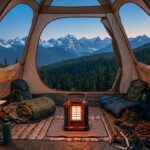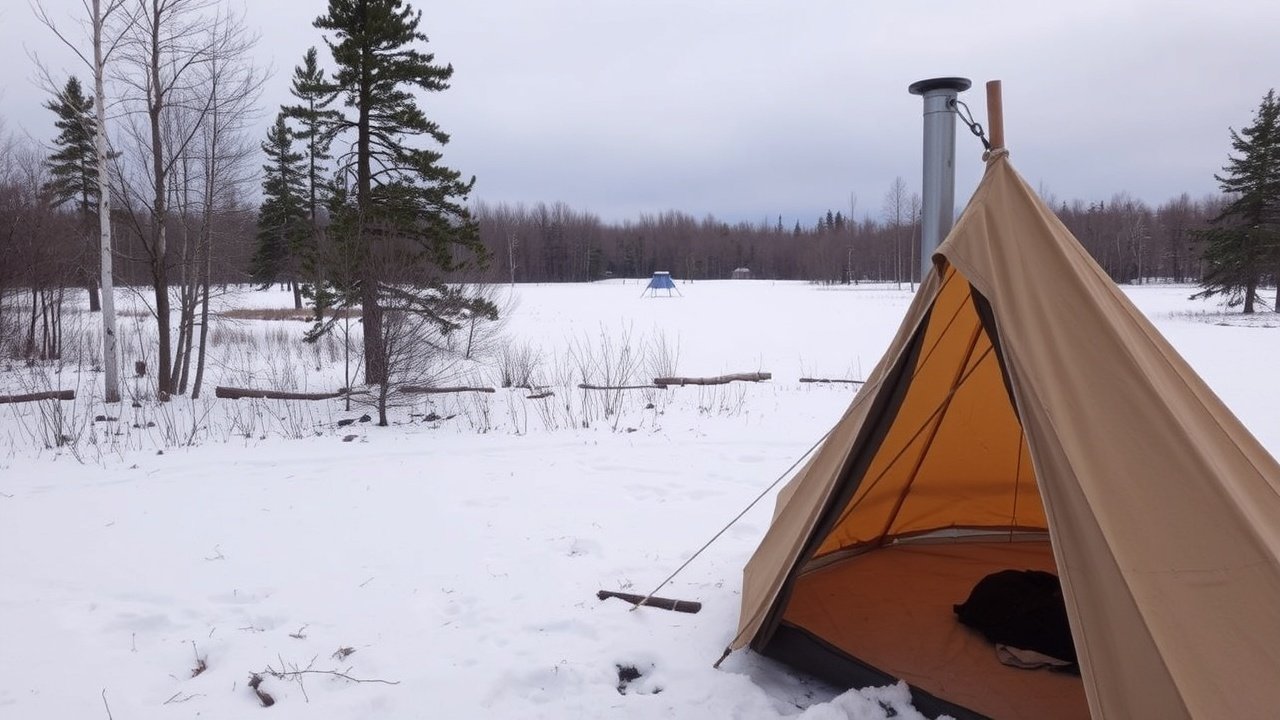
We’ve all been there: staring at a stunning, snow-covered landscape through a window, wishing we could be out there without freezing our toes off. For most adventurers, the camping season ends the moment the first frost hits the ground. But you don’t have to pack away your gear just because the mercury drops.
If you’ve ever wondered, “What is hot tent camping?” you’re about to discover the secret to year-round exploration. This guide breaks down how to use a wood-burning stove inside a heat-resistant tent to create a literal sanctuary in the wilderness. We’ve tested the latest 2026 gear to ensure you stay toasty, even when the wind is howling outside.
In this master guide, you will learn:
- The Essential Gear: How to choose the right “stove-jack” tent and portable wood stove for your budget.
- Safety First: Critical tips on ventilation and carbon monoxide prevention to keep your cozy nights stress-free.
- Setup Mastery: The step-by-step process for pitching your hot tent in deep snow or frozen terrain.
- Winter Comfort: Expert hacks for managing fuel and maintaining a steady temperature through the night.
Stop letting the calendar dictate your adventures. Let’s dive into the specifics and get you ready for your first wood-fired winter escape.
Understanding Hot Tent Camping
Definition of Hot Tent Camping
Hot tent camping refers to the use of a specialized tent designed to safely accommodate a wood stove, which provides warmth and a dry environment even in harsh weather conditions. Unlike traditional camping where staying warm often relies solely on your sleeping bag and insulation, a hot tent allows you to heat the tent directly.
Campers use a tent with a stove and sometimes a tiny wood stove, creating a cozy cabin-like atmosphere. This setup typically involves a canvas or nylon tent equipped with a stove jack, a fireproof opening in the tent wall or roof through which the chimney or stove pipe vents to the outside of the tent. The intention is to maintain a comfortable temperature inside the tent, making it ideal for winter camping or extended base camp stays.
Benefits of Hot Tent Camping
The benefits of hot tent camping are extensive. Primarily, it provides superior warmth compared to traditional camping, allowing you to shiver less and enjoy the outdoors in colder climates. The ability to heat the tent also aids in drying wet gear, reducing dampness, and preventing condensation.
A hot tent setup creates a more comfortable and spacious shelter, allowing for cooking inside, relaxing, and organizing gear without being exposed to the elements. Some campers feel the advantages of a hot tent also allow them to camp for longer periods of time as well. Beyond warmth, hot tent camping extends the camping season and improves overall comfort.
Key Differences from Traditional Camping
Hot tent camping differs significantly from traditional camping in several key aspects. The primary difference lies in the inclusion of a wood stove inside the tent. This requires a specialized tent with a stove jack and careful attention to ventilation and fire safety. Traditional camping often relies on lightweight gear for backpacking, while hot tent setups may involve heavier equipment like a wood stove and extra firewood.
While a traditional camper focuses on packable and ultralight gear to minimize stove weight, a hot tent camper prioritizes warmth and comfort, accepting the additional weight and bulk. Furthermore, hot tent camping often involves managing a fire, sourcing dry wood, and ensuring proper airflow, adding complexity to the camping experience compared to simply pitching a tarp and crawling into your sleeping bag.
What is Hot Tent Camping Backpacking?
Hot tent backpacking is a cold-weather camping method where hikers carry a specialized tent and a portable wood-burning stove into the backcountry. Unlike traditional backpacking, which relies only on layered clothing and sleeping insulation, this approach introduces a controlled heat source inside the shelter making winter camping far more comfortable and practical.
At the core of hot tent backpacking is the hot tent, a durable shelter made from heat-resistant materials and equipped with a stove jack a vent that safely allows a chimney pipe to exit the tent. Inside, a compact stove such as the OneTigris TIGER ROAR Tent Stove or Pomoly T1 Mini Titanium Stove burns wood to generate warmth. This setup not only heats the tent but also allows campers to dry wet gear, melt snow for water, and cook meals capabilities that standard tents simply can’t offer.
This style of backpacking is especially popular among winter adventurers, hunters, and backcountry explorers who spend extended time in freezing environments. While it adds extra weight compared to ultralight camping, modern gear like titanium stoves and lightweight canvas tents has made it increasingly accessible for backpackers who want both mobility and comfort.
However, hot tent backpacking requires proper knowledge and safety precautions. Ventilation is critical to prevent smoke buildup, and users must carefully manage fire risk inside the tent. When used correctly, it transforms harsh winter conditions into a warm, livable experience.
In simple terms, hot tent backpacking bridges the gap between rugged survival and cozy camping, offering a unique way to explore the outdoors year-round even in deep winter.
Choosing the Right Hot Tent
Factors to Consider
Selecting the right hot tent involves evaluating several crucial factors to ensure it meets your specific camping needs. Key considerations include:
- The tent’s size and capacity.
- The climate and seasons you plan to camp in.
- The ease of setup and portability.
- The ventilation system.
- Your budget.
Think about the climate and seasons you plan to camp in; for harsh winter camping, you’ll want a tent made of heavy-duty canvas or waterproof nylon, while lighter materials may suffice for milder conditions. Also, consider the stove weight you are willing to backpack.
Assess the ease of setup and portability, especially if you plan on backpacking or moving your camp frequently. Evaluate the tent’s ventilation system to manage condensation and ensure proper airflow, which is crucial for safety when using a stove inside. Finally, consider your budget, balancing cost with the quality and durability of the hot tent.
Popular Hot Tent Models
Several popular hot tent models cater to different camping styles and preferences. Teepee-style hot tents, known for their simple setup and efficient heat distribution, are great for a base camp. Pyramid tents offer a stable structure and ample space, making them suitable for larger groups.
Canvas tents provide excellent insulation and durability, ideal for extended winter camping trips. Lightweight nylon tents with stove jacks are favored by backpackers seeking a balance between warmth and portability. Brands like Pomoly and Kodiak Canvas are well-regarded for their quality and innovative features. Consider models with features like stove jacks, removable floors, and multiple ventilation options to tailor your hot tent setup to your needs.
Hot Tent Features to Look For
When choosing a hot tent, prioritize features that enhance safety, comfort, and functionality. Key considerations include:
- A stove jack made of fireproof material.
- Excellent ventilation options.
- The quality of the tent material, opting for waterproof and durable fabrics.
- The design of the tent and stove.
A spacious interior allows you to cook inside and relax while the stove is running, and a collapsible design that doesn’t weigh too much is a boon if you like to hike.
7 Essential Gear for Hot Tent Camping
Must-Have Equipment
1. Hot Tent with Stove Jack
A true hot tent is designed to handle heat and safely vent smoke through a stove jack. Canvas or fire-resistant materials are ideal.
Recommended:
- OneTigris Rock Fortress Hot Tent
- Pomoly HEX Plus Hot Tent
2. Portable Hot Tent Stove (Most Important)
This is the heart of your setup used for heating, cooking, and drying gear. Lightweight titanium stoves are best for backpacking due to portability.
Recommended Products:
- Naturehike Icefield Tent Stove (portable stainless steel design)
- POMOLY Dweller Ti Max 3 Camping (ultralight backpacking option)
3. Sleeping System (Cold-Rated)
Even with a stove, your sleep system is critical.
Recommended:
- 4-season sleeping bag (e.g., Teton Sports Celsius XXL -25°F)
- Insulated sleeping pad (Therm-a-Rest XTherm)
4. Fireproof Ground Mat & Stove Accessories
Protect your tent floor and improve safety.
Recommended:
5. Backpacking Cooking Kit
Even though the stove can cook, a backup is smart.
Recommended:
6. Lighting & Power
Cold drains batteries fast.
Recommended:
- Rechargeable headlamp (Black Diamond Spot 400)
- Power bank (Anker PowerCore)
7. Ventilation & Safety Gear
Proper airflow is essential to avoid smoke buildup.
Recommended:
- Carbon monoxide detector
- Small tent fan (for airflow circulation)
Choosing a Stove for Your Hot Tent
Selecting the right stove is a pivotal decision. Consider your typical group size and the hot tent’s volume to ensure adequate heat. Ensure it features a spark arrestor. The stove pipe should fit snugly into the stove jack and vent properly outside the tent. Some campers want a collapsible stove design for easy backpacking. Efficient airflow within the fire box, often a cylinder or rectangular structure, is key to a clean and consistent burn.
Safety Considerations for Stove Use
Safety is of utmost importance when operating a stove inside a hot tent. To ensure a secure environment, remember these key points:
- Proper ventilation is critical to prevent carbon monoxide buildup.
- Always have a carbon monoxide detector inside the tent.
- Never leave the stove running unattended.
Be extra careful near the stove to avoid shivering from the cold.
Hot Tent Camping Tips for Backpackers
Planning Your Backpacking Trip
Planning a backpacking trip with a hot tent requires careful consideration. Start by selecting your camping spots based on accessibility and the availability of dry wood. Ensure the location offers sufficient shelter from the wind, which can impact stove efficiency and safety. Check weather conditions to anticipate snow, rain, or extreme cold, which will influence the type of hot tent and insulation you need.
Plan your route to minimize stove weight and maximize the availability of firewood along the way. Always inform someone of your itinerary and carry communication devices for emergencies. Finally, familiarize yourself with Leave No Trace principles to preserve the natural environment while enjoying your time in the backcountry. Preparing for a trip like this will help you be able to properly heat the tent and make the trip an amazing experience.
Packing Essentials
Packing for a hot tent backpacking adventure demands a strategic approach to balance stove weight, warmth, and essential gear. Prioritize a lightweight tent with a stove jack that is easy to pitch. Choose a sleeping bag rated for well below the expected temperatures, supplemented by a sleeping pad to insulate you from the ground.
A titanium stove is a preferred option among backpackers to reduce stove weight, and ensure it includes a spark arrestor for safety. Pack moisture-wicking base layers, insulated clothing, and waterproof outerwear to manage vapor and stay dry. Don’t forget a hatchet for processing firewood, a reliable headlamp, a fire starter, and a water filter. The right gear helps you kindle the fire and make the entire trip much more enjoyable.
Setting Up Your Tent and Stove
Setting up a hot tent and stove system efficiently is crucial for a comfortable and safe camping experience. First, select a level spot free from debris to pitch your hot tent. Ensure the stove jack is properly positioned away from flammable materials. Assemble the tent, securing it tightly to the ground to withstand wind.
Next, set up the stove inside the tent, placing it on a fireproof mat to protect the tent floor. Connect the stove pipe, ensuring a snug fit and proper venting outside the tent. Before lighting the stove, double-check the ventilation, airflow, and carbon monoxide detector. Start with small kindling to gradually warm the stove, and carefully manage the fire to maintain a comfortable temperature inside the tent.
Recommended Hot Tents
1. OneTigris Rock Fortress (Large Teepee)
The OneTigris Rock Fortress stands out as a premier choice for group expeditions and family winter camping. Built from 70D coated nylon with a 3000mm waterproof rating, this large teepee-style tent offers an expansive 12.4-foot diameter, comfortably accommodating up to six people or a smaller group with a stove and ample gear. Its decagonal shape provides superior wind resistance, a critical feature for high-altitude or open-plain campsites.
The tent features dual stove jacks, allowing for versatile interior layouts and optimized airflow. While it is heavier than solo shelters, the Rock Fortress emphasizes “livability,” offering a 7.8-foot peak height that allows most campers to stand fully upright. For those seeking a rugged, reliable basecamp that bridges the gap between lightweight nylon and heavy canvas, this tent is a field-tested favorite that balances durability with a manageable pack weight.
- Specs: 70D Coated Nylon, 3000mm waterproof rating, 9.2 lbs, 7.8ft peak height.
- Pros: Massive interior space; dual stove jacks for versatile setup; excellent wind resistance.
- Cons: Heavy for backpacking; does not include an inner mesh tent (sold separately).
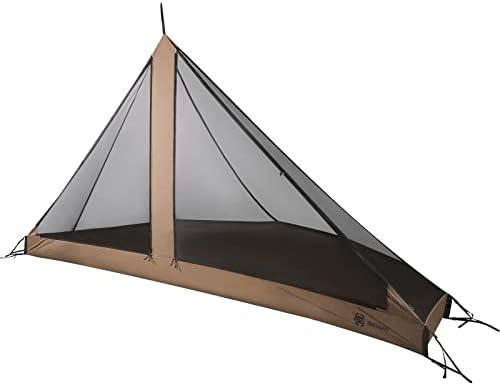
- Polyester Fabric
- Suitable for OneTigris Rock Fotress Tipi Hot Tent
- Half-dome shape to fit up to 3 campers with a two-way-zippered entrance on each side for convenient entry/exit; the entr…
2. White Duck Regatta Canvas Bell Tent
For campers who prioritize breathability and long-term durability, the White Duck Regatta Canvas Bell Tent is the gold standard for luxury “glamping” and extreme cold. Constructed from 100% cotton 10.15 oz. Army Duck Canvas, this tent is naturally flame-retardant and handles condensation far better than synthetic fabrics, ensuring a dry interior even when the stove is roaring. The Regatta comes “stove-ready” with a pre-installed 5-inch heat-resistant stove jack and a heavy-duty sewn-in groundsheet.
Its bell-shaped design is supported by a sturdy center pole, providing a spacious, airy feel that is perfect for long-term stays. While the canvas material makes it significantly heavier and requires more maintenance than nylon, its insulation properties are unmatched, keeping the interior significantly warmer in winter and cooler in summer. It is the ultimate investment for those who want a semi-permanent winter retreat.
- Specs: 10.15 oz. Army Duck Canvas, pre-installed 5″ stove jack, available in 10ft–16ft sizes.
- Pros: Breathable fabric (less “rain” inside from condensation); extremely durable; built-in floor.
- Cons: Very heavy (50+ lbs); slow to dry after rain; expensive.

- Cotton Canvas
- Imported
- 【BREATHABLE FABRIC and WIND ENDURANCE】 The Regatta canvas tent is made from breathable performance canvas. It’s waterpro…
3. OneTigris Smokey Hut (Ultralight)
The OneTigris Smokey Hut is engineered specifically for the solo backpacker or bushcrafter who refuses to be sidelined by the winter chill. Weighing in at only 4.4 lbs, this ultralight hot tent is made from 20D sil-nylon, offering a high strength-to-weight ratio and excellent waterproof protection. Its compact teepee design is incredibly easy to pitch with a single center pole, making it ideal for quick setups in fading light.
Despite its small footprint, it features a built-in stove jack that allows for a small titanium stove, turning a cramped solo mission into a cozy sanctuary. The Smokey Hut is designed for efficiency, featuring top vents to manage moisture and a minimalist floorless design that saves weight in your pack. For those covering long distances on foot, it provides the essential warmth of a wood stove without the traditional bulk of winter gear.
- Specs: 20D Sil-Nylon, 4.4 lbs, 5.2ft peak height.
- Pros: Extremely portable; quick setup; high-quality YKK zippers.
- Cons: Cramped for two people; thin material requires a spark mat to prevent floor burns.

- 20D Nylon Fabric with PU Coating
- Imported
- ★ 4 𝙎𝙚𝙖𝙨𝙤𝙣 𝙏𝙚𝙣𝙩: The camping tent is ideal for all seasons using, has a flue pipe opening, stove jack, and snow skirts f…
4. Preself T1 Teepee Tent (Budget Pick)
The Preself T1 Teepee Tent is the go-to recommendation for entry-level hot tenting, offering impressive functionality at a fraction of the price of premium brands. This 3-person tent is constructed from anti-tear 210T polyester, providing a reliable barrier against rain and snow. What makes the T1 a “budget pick” favorite is that it doesn’t skip the essentials: it includes a fire-retardant stove jack and a lightweight aluminum center pole.
It is a versatile “all-season” shelter that works just as well for summer backpacking as it does for winter wood-stove camping. While the materials may not be as thick as high-end nylon, the T1 is praised for its ease of setup and surprisingly low weight of approximately 3.4 lbs. It is an excellent choice for hikers who want to experiment with hot tenting without a massive initial investment.
- Specs: Anti-tear 210T Polyester, 3.4 lbs, 5.2ft peak height.
- Pros: Very affordable; lightweight; includes a stove jack.
- Cons: Lower waterproof rating than premium brands; stove jack may need reinforcement.

- PU2000 Waterproof Polyester
- Imported
- 2~4 person hot tent with skirt. Color Khaki. Designed a fire retardant Stove jack for stove pipe. 2 big air vents . Doub…
5. OneTigris TEGIMEN Hammock Hot Tent
The OneTigris TEGIMEN is a game-changer for hammock enthusiasts who want to stay elevated without sacrificing the warmth of a stove. Traditional hammocking in winter can be brutally cold due to wind-chill underneath, but the TEGIMEN solves this by acting as a massive, fully enclosed “cabin” that wraps around your entire hammock setup. Its rectangular wall-tent shape provides incredible interior volume, allowing you to walk around and store gear under your hammock.
Made from 70D ripstop nylon, it features two stove jacks for customizable stove placement and sod skirts to seal out freezing drafts. It is essentially a floorless basecamp that can be rigged between two trees. For the “hanging” camper, the TEGIMEN is a specialized piece of gear that transforms a standard hammock into a four-season survival shelter, providing a unique blend of comfort and warmth.
- Specs: 3000mm, 6.8 lbs (3.1 kg), 2 pre-cut heat-resistant jacks (roof and side wall).
- Pros: Full Enclosure, Maximum Headroom, Dual-Use, Compact
- Cons: No Poles, Wind Sensitivity, Condensation

- Fiberglass
- Hammock Hot Shelter: A hot tent built for hammock hangers to go for winter camping, compatible with all general sized te…
- Stove Jack: Silicone Fiberglass material that is highly fire retardant (up to 572°F/ 300°C), dimensions 9″ *7.8″/ 23cm *…
🔥 5 Recommended Tent Stoves
1. Winnerwell Nomad View (Medium)
The Winnerwell Nomad View is the gold standard for campers who value aesthetics and precision engineering. Made from 304 stainless steel, it features a unique side glass window that provides cozy ambient lighting and easy fire monitoring. Its rectangular design and nesting chimney pipes make it highly portable, while the dual dampers allow for meticulous airflow control.
- Specs: 304 Stainless Steel, 20 lbs, includes chimney pipes and spark arrestor
- Pros: Rust-proof; high-quality build; side window is beautiful; nested pipes fit inside the stove.
- Cons: High price point; stainless steel will “blue” after the first burn (standard but bothers some).
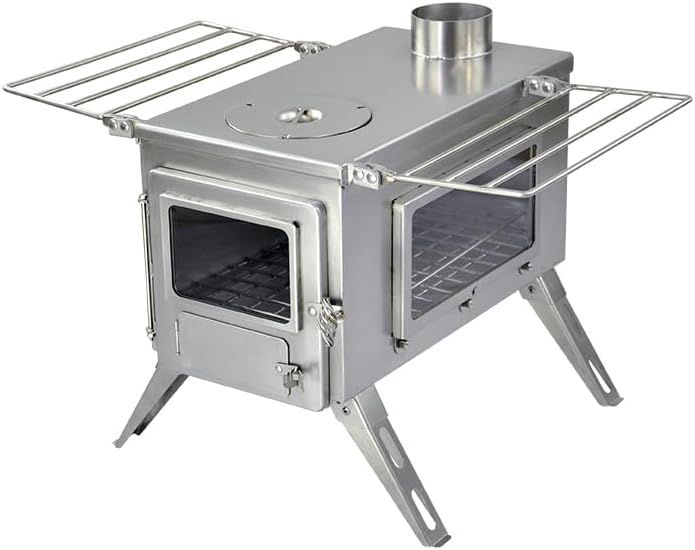
- 304 STAINLESS STEEL precision construction that will never rust or corrode, ideal in harsh outdoor environments; Door an…
- INCLUDES 1 stove body, 5 sections of 3.5-inch diameter chimney pipe, 1 spark arrestor, 1 ash scraper
- DIMENSIONS 18” x 9.8” x 9.8” (Packed); 18” x 25” x 108” (Assembled- 108” indicates total height of stove + chimney); Chi…
2. OneTigris Tiger Roar
Built for rugged durability, the OneTigris Tiger Roar is a heavy-duty stainless steel stove designed for harsh environments. It stands out with its thicker-than-average body, which prevents warping under high heat. The kit includes two stove jacks and heat-resistant gloves, making it an excellent, comprehensive value-pack for serious bushcrafters who need a reliable, long-burning heat source.
- Specs: 304 Stainless Steel, 21 lbs, includes two stove jacks and gloves.
- Pros: Very sturdy; top plate stays flat (doesn’t warp easily); great air control.
- Cons: Heavier than titanium alternatives; chimney can be tricky to assemble the first time.

- Quality Material: Made of stainless steel and German Schott ROBAX heat resistant glass. Stove body forged from 304 stain…
- Air Intake Valve: Special design of the air valve to split the air goes up and downward, to control the air flow speed f…
- Glass Window: SCHOTT ROBAX glass-ceramic fire viewing panels that is safety with extreme temperature resistance, withsta…
3. Winnerwell Fastfold Titanium (Backpacking)
For the weight-conscious adventurer, the Winnerwell Fastfold Titanium is a masterpiece of minimalism. Weighing just 4 pounds, it folds completely flat, fitting easily into a backpack. Titanium’s high heat transfer efficiency means it heats up almost instantly. It’s the ultimate choice for solo hikers who refuse to choose between a lightweight pack and a warm night’s sleep.
- Specs: Titanium, 4 lbs (total kit), ultra-lightweight.
- Pros: Incredible weight-to-heat ratio; no rust; folds flat for easy packing.
- Cons: Titanium can warp slightly with high heat; expensive; smaller firebox means more frequent feeding.

- ULTRALIGHT TITANIUM construction allows this tent stove and chimney to weigh only 4 pounds; heat transfer efficiency of …
- INCLUDES 1 Fastfold Titanium stove body, 1 rolled titanium 9-foot chimney pipe with rings, 1 tent protector, 1 spark arr…
- DIMENSIONS 15” x 9” x 2” (Packed); 15” x 9” x 7” (Assembled); Chimney pipe 3-inch diameter, 9-foot length, rolls into 12…
4. Camp Chef Alpine Heavy Duty Stove
The Camp Chef Alpine is a powerhouse built for large wall tents and long-term basecamp setups. While heavy, its massive firebox can hold large logs, providing an all-night burn without frequent refueling. It features adjustable legs for uneven terrain and a wide top surface that is perfect for cooking multi-course meals for a large group.
- Specs: Heavy-duty Steel, 74 lbs, includes large 5″ chimney.
- Pros: Huge firebox (burns all night); includes drying racks and adjustable legs.
- Cons: Extremely heavy; not for backpacking; steel will rust if not seasoned or stored dry.

- Wide Shelf & Adjustable Legs: 22″ x 7″ drying rack adds prep space, legs adjust for stable setup.
- Heavy Duty Steel: The outdoor stove has a durable steel build provides even heat and long-lasting use.
- Complete Chimney System: 5″ diameter pipe with damper and spark arrestor for safe venting.
5. DANCHEL Outdoor Portable Wood Stove
The DANCHEL Outdoor Wood Stove is a fantastic budget-friendly option that doesn’t compromise on functionality. This stainless steel stove features a clear viewing window and an efficient air intake system. It is designed for portability with folding legs and an included carrying bag, making it a perfect entry-level choice for those exploring the world of hot tenting.
- Specs: Stainless Steel, 18 lbs, glass window in the door.
- Pros: Affordable; good air intake control; includes a carrying bag.
- Cons: Thinner steel than premium brands; door latch can be a bit finicky when hot.
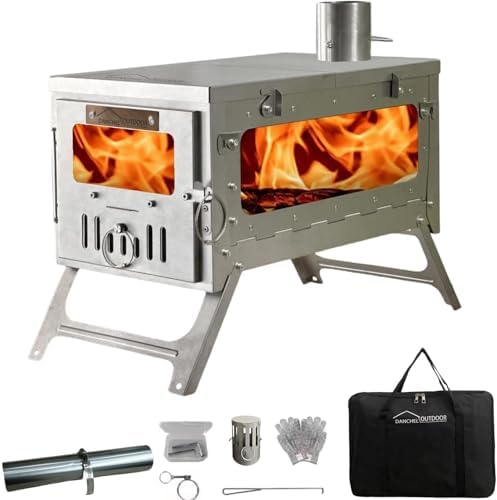
- PORTABLE: Made of rust-proof TA1 titanium,fasteners and hinge pins are steel. 6.63lb including all parts. Assembly size:…
- GOOD HEAT EFFICIENT: Titanium heat conduction is fast. 7 slidable door air intake and adjustable damper increase the bur…
- MULTIFUNCTIONAL IN CAMPING: 11.6’’x3.2’’ high temperature resistance side window can easy to observe burning conditions …
Hot Tent Camping Experiences
Personal Stories from Adventurers
Many adventurers share stories of transformative experiences using a tent with a stove in remote camping spots. One camper recalls a winter camping trip where the wood stove in their hot tent provided a haven from the frigid temperatures, allowing them to cook inside and dry their gear.
Another backpacker describes a solo journey, relying on a titanium stove in their nylon hot tent to endure harsh conditions, marveling at the warmth and shelter it provided. Some enthusiasts recount extended base camp stays where the hot tent became a communal space, fostering camaraderie as they shared stories around the cozy stove. These experiences highlight the unique comfort and safety that hot tent camping offers.
Common Challenges and How to Overcome Them
Hot tent camping, while rewarding, presents several challenges that campers should prepare to address. Condensation inside the tent is a common issue, especially in cold weather; combat this by ensuring proper ventilation and using moisture-wicking fabrics. Managing stove weight can be difficult for backpackers; opt for a lightweight titanium stove and pack only the necessary firewood.
Safely operating a stove inside requires constant vigilance; use a carbon monoxide detector, maintain a safe distance between the stove and flammable materials, and never leave the stove running unattended. Securing dry wood in wet conditions can be challenging; carry a supply of waterproof fire starters and consider a small hatchet to split wood.
Best Locations for Hot Tent Camping
The best locations for hot tent camping offer a combination of scenic beauty, accessibility, and suitable environmental conditions. Many national forests and wilderness areas provide designated camping spots with ample firewood and natural shelter. Whether you prefer a cozy two-person hot tent or a spacious pyramid tent for group adventures, exploring these regions in a hot tent offers unforgettable experiences. A hot tent setup can be used almost anywhere in the world to insulate from the cold, as long as there is dry wood for the stove.
Conclusion
In conclusion, hot tent camping is a game-changing way to enjoy the outdoors in cold and winter conditions without sacrificing comfort. By combining a specialized tent with a portable stove, campers can create a warm, dry, and functional living space even in freezing temperatures. Modern gear like the OneTigris Rock Fortress Hot Tent and Pomoly T1 Mini Titanium Stove makes it easier than ever to experience this style of camping without excessive bulk.
While it requires more preparation and safety awareness than traditional camping, the rewards are significant better warmth, the ability to dry gear, and a much more enjoyable cold-weather adventure. Whether you’re a winter backpacker, hunter, or outdoor enthusiast, hot tent camping offers a unique blend of comfort and survival that transforms harsh environments into a cozy wilderness retreat.