
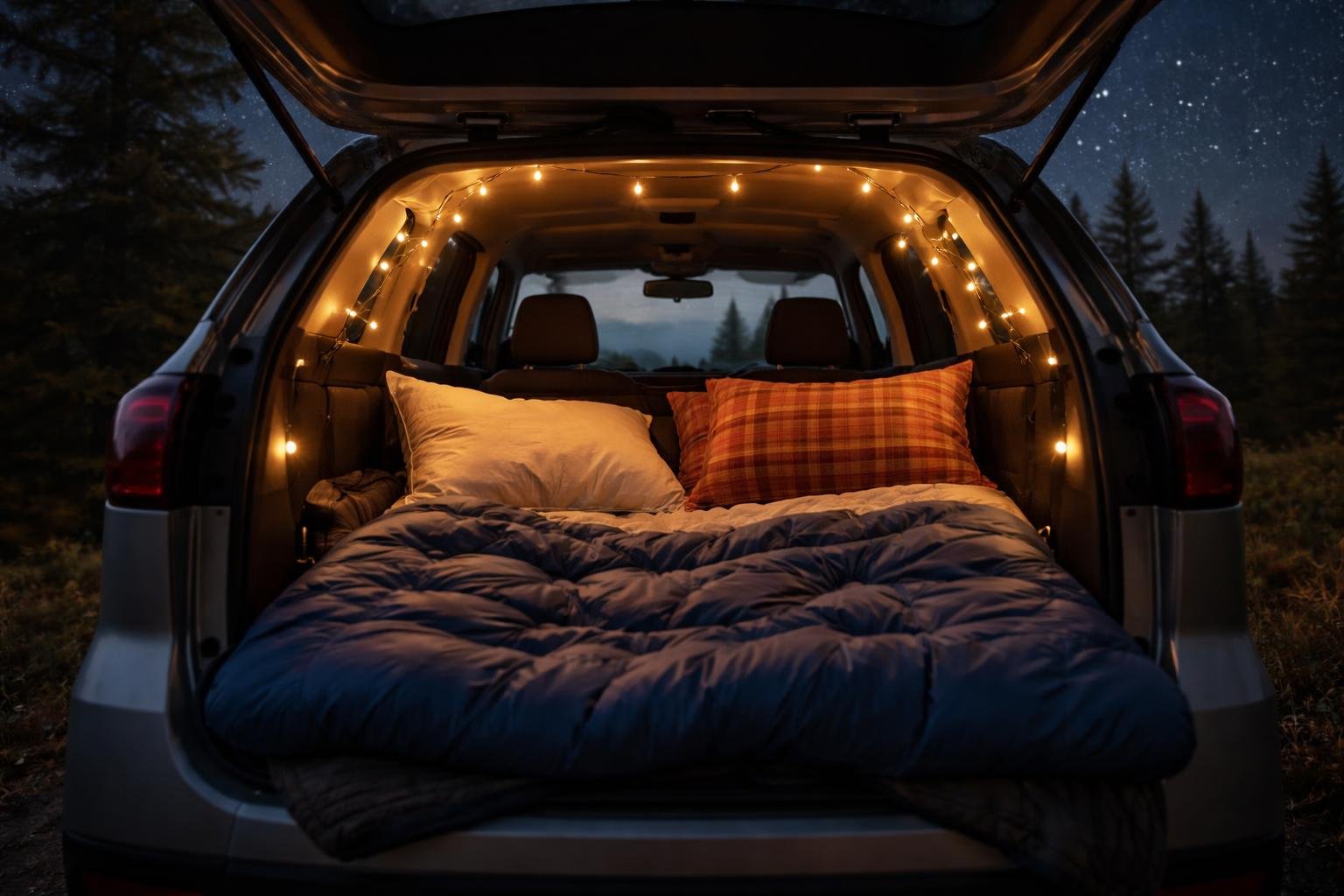
Choosing between car camping vs tent camping sounds simple until you’re lying awake at 2 a.m. in a leaking tent, fighting condensation, or trying to sleep comfortably in the back of your vehicle. I’ve experienced both styles of camping over the years, and each taught me valuable lessons the hard way.
For beginners, the debate over car camping vs tent camping often comes down to comfort, convenience, cost, and how much adventure you’re willing to embrace. While tent camping offers a deeper connection with nature, car camping provides added comfort and protection from unpredictable weather. Unfortunately, many campers don’t discover the pros and cons of each until they’re already dealing with a miserable night outdoors.
In this guide, I’ll share seven painful lessons I learned from real camping trips, including mistakes that cost me sleep, comfort, and peace of mind. Whether you’re planning your first camping adventure or trying to decide which style better fits your needs, these insights will help you avoid common frustrations and enjoy a safer, more comfortable outdoor experience.
How I Tested Car Camping and Tent Camping
To compare car camping vs tent camping fairly, I relied on firsthand experience from multiple camping trips in different conditions rather than manufacturer claims or online reviews alone. Over the years, I’ve used both camping styles during weekend getaways, family camping trips, and multi-day outdoor adventures.
My testing included:
- Camping in both warm and cold weather conditions
- Overnight trips during rain and high humidity
- Camping at established campgrounds and remote campsites
- Sleeping in tents, SUVs, and vehicle-based camping setups
- Evaluating comfort, setup time, weather protection, packing requirements, and overall convenience
The lessons shared in this guide come from real-world successes and mistakes, including dealing with condensation, unexpected storms, packing failures, and uncomfortable sleeping arrangements. My goal is to help new campers avoid the same frustrations and choose the camping style that best fits their needs.
Quick Answer: Car Camping vs Tent Camping
Car camping is better for comfort, weather protection, and beginners, while tent camping offers a more immersive outdoor experience and access to remote campsites. If comfort and convenience matter most, choose car camping. If adventure and connection with nature are your priorities, tent camping is the better choice.
Pain Point 1: Unexpected Condensation
Understanding Condensation in Tents
One of the most common frustrations for those who go camping, especially during a tent camping trip, is waking up to unwelcome dampness inside their tent. This unexpected condensation occurs when warm, moist air from your breath or the ground meets the colder surface of the tent fabric, leading to water droplets forming. Despite using what seems like the best camping gear, without proper ventilation, your sleeping bags and other bedding can become saturated, significantly detracting from the overall outdoor experience and potentially causing discomfort.
How Car Camping Mitigates Moisture Issues
In contrast, Car camping often presents a notable advantage in mitigating these moisture issues, especially during bad weather.. When you sleep in your car, especially an SUV or a larger car, the larger internal volume and often better-sealed environment can help reduce the dramatic temperature differences that cause condensation. Furthermore, vehicles typically have built-in ventilation systems, such as windows that can be cracked, offering a more controlled environment to manage internal humidity compared to a traditional tent setup.
Expert Tips for Managing Condensation
To effectively manage condensation, whether you are tent camping or enjoying a car camping experience, Strategic ventilation is paramount when camping without a proper setup to ensure comfort and convenience.. For tent campers, always ensure adequate airflow by opening vents and mesh windows, even if it feels a little cooler. Car campers should crack windows slightly or use window screens to allow for cross-ventilation, preventing moisture buildup inside your vehicle. Additionally, bringing moisture-absorbing packets or a small desiccant can offer extra peace of mind and keep your sleeping area dry.
Expert Tip
If you’re sleeping in a vehicle, crack two windows on opposite sides instead of just one. This creates cross-ventilation, which significantly reduces overnight condensation and helps keep your sleeping area dry and comfortable.
Pain Point 2: Packing Errors
Common Packing Mistakes for Tent Camping
One of the most disheartening lessons learned during early tent camping trips involves misjudging essential gear and overpacking or underpacking, leading to a less-than-ideal camping experience. Beginners often forget crucial items like a repair kit for their tent, extra guy lines, or even proper bedding such as a sleeping pad and sleeping bag, thinking a simple blanket will suffice. Conversely, some campers bring an excessive amount of non-essential items, turning what should be a serene outdoor adventure into a laborious struggle with heavy bags, particularly if backpacking is involved.
Efficient Packing Strategies for Car Camping
Car camping, by its very nature, offers a significant advantage in mitigating packing errors due to the available space inside your vehicle, making it ideal for those who need a tent.. With a larger capacity, car campers can afford to bring more comfort-oriented items like a full air mattress, additional blankets, or even a small stove, enhancing the overall camping experience. The key here is strategic organization; utilizing storage bins and cargo organizers can transform your SUV or larger car into an efficient mobile base camp, ensuring everything has its place and is easily accessible.
Gear Recommendations for Smooth Sailing
For both types of camping, investing in multi-purpose gear can drastically reduce bulk and improve efficiency. For tent camping, consider a lightweight, compact sleeping bag and a self-inflating sleeping pad. Car campers benefit greatly from a custom-fit car mattress or a comfortable air mattress, along with a robust roof rack for additional storage if needed. Regardless of your camping style, a well-organized first-aid kit, durable headlamps, and clearly labeled dry bags are indispensable for a smooth and enjoyable outdoor experience, offering peace of mind.
Expert Tip
Before every camping trip, pack your gear at least one day in advance and use a checklist. Most camping mistakes happen because essential items are forgotten during last-minute packing.
Pain Point 3: Weather Issues
The Impact of Weather on Camping Experiences
Weather is an unpredictable element that can drastically alter any camping trip, transforming an anticipated serene outdoor adventure into a challenging ordeal. From unexpected downpours to sudden temperature drops or strong winds, adverse weather can compromise the integrity of a tent setup, soak sleeping bags, and dampen spirits. Many a camper has learned the hard way that overlooking weather forecasts or underestimating nature’s power can lead to discomfort, damaged gear, and even the premature end of a cherished camping experience.
How Car Camping Provides Shelter Advantages
When considering car camping vs. tent camping, the significant shelter advantage offered by sleeping inside your vehicle cannot be overstated, especially when facing inclement weather. A car or SUV provides a robust, pre-built sanctuary against rain, wind, and even light snow, offering a level of security and warmth that a traditional tent often struggles to match. The sturdy construction of a vehicle, along with its heating system, provides a dry and regulated environment, ensuring a more comfortable and secure sleeping arrangement for car campers.
Personal Anecdotes: Weather Challenges Faced
I vividly recall a particular tent camping trip where an unforeseen overnight storm rolled in, subjecting my tent to relentless rain and high winds. Despite a quality tent, the sheer force of nature led to minor leaks and a constant worry about the tent collapsing, making for a restless night. Conversely, during a car camping adventure, a similar storm merely meant closing the windows, turning on the defroster, and enjoying the pitter-patter of rain on the roof, demonstrating the inherent peace of mind offered by sleeping in your car amidst turbulent weather.
Expert Tip
Always check two weather forecasts before leaving for a camping trip. Conditions can change quickly in outdoor environments, especially near mountains, lakes, and forests.
Common Beginner Mistakes to Avoid
Whether you’re choosing car camping vs tent camping, beginners often make the same costly mistakes that can turn an exciting outdoor adventure into a frustrating experience. Learning from these common errors can save you time, money, and several sleepless nights.
Choosing a Campsite Without Shade
Many first-time campers focus on scenery and overlook the importance of shade. A campsite exposed to direct sunlight can become extremely hot during the day, making it uncomfortable to relax, cook, or sleep.
Avoid it: Look for campsites with natural shade from trees, especially if you’re camping during summer.
Ignoring Weather Forecasts
Weather conditions can change quickly, and failing to check forecasts is one of the most common camping mistakes. Unexpected rain, strong winds, or cold temperatures can ruin a trip if you’re unprepared.
Avoid it: Check weather forecasts before leaving and again on the day of your trip.
Bringing Too Much Gear
New campers often pack for every possible scenario, resulting in a cluttered campsite and a vehicle full of unnecessary equipment.
Avoid it: Focus on essential camping gear and add extra items only after identifying a genuine need from experience.
Forgetting Extra Batteries
There’s nothing worse than having your headlamp, lantern, GPS, or phone battery die when you need it most.
Avoid it: Always pack spare batteries, a power bank, and charging cables for critical devices.
Not Testing Equipment Before the Trip
Many camping problems begin when gear is used for the first time at the campsite. Missing tent poles, broken zippers, and faulty air mattresses are surprisingly common.
Avoid it: Set up your tent, inflate your mattress, and test all equipment at home before your camping trip.
Using the Wrong Sleeping Bag for the Season
A sleeping bag that’s too warm can make summer camping miserable, while one that’s too light can leave you shivering through a cold night.
Avoid it: Choose a sleeping bag rated for the expected temperatures and season you’ll be camping in.
The Bottom Line
Most camping mistakes are preventable with a little planning and preparation. Whether you prefer car camping or tent camping, avoiding these beginner errors will help ensure a safer, more comfortable, and more enjoyable outdoor experience.
Safety Considerations for Both Camping Styles
While the debate over car camping vs tent camping often focuses on comfort and convenience, safety should always be a top priority. Each camping style comes with unique risks and precautions that can significantly impact your overall camping experience.
Car Camping Safety Tips
Sleeping inside your vehicle provides added protection from weather and wildlife, but it also requires specific safety measures.
- Never sleep with the engine running due to the risk of carbon monoxide poisoning.
- Crack windows slightly to improve ventilation and reduce condensation.
- Lock doors before going to sleep.
- Keep a flashlight or headlamp within reach.
- Store emergency supplies, water, and a first-aid kit inside the vehicle.
- Park on level ground whenever possible for a safer and more comfortable sleeping setup.
Tent Camping Safety Tips
Tent campers are more exposed to weather conditions and the surrounding environment, making campsite awareness especially important.
- Choose a flat campsite away from dead trees and loose branches.
- Avoid pitching your tent in low-lying areas where water can collect during rain.
- Store food properly to avoid attracting wildlife.
- Check weather forecasts before and during your trip.
- Keep a headlamp, whistle, and first-aid kit easily accessible.
- Secure your tent with stakes and guy lines, especially in windy conditions.
Emergency Preparedness for Any Camping Trip
Whether you’re sleeping in a tent or inside your vehicle, being prepared for unexpected situations can make a significant difference.
- Tell a friend or family member where you’re camping and when you plan to return.
- Carry a fully charged phone and backup power bank.
- Learn basic first-aid skills before heading outdoors.
- Bring extra food, water, and warm clothing.
- Know the location of the nearest ranger station, campground office, or emergency services.
Safety Winner: Car Camping vs Tent Camping
When it comes to overall protection from weather, wildlife, and unexpected overnight conditions, car camping generally offers a higher level of safety and security, especially for beginners. However, with proper preparation and campsite selection, tent camping can be just as safe and rewarding for outdoor enthusiasts.
The safest camping style is ultimately the one you’re properly prepared for, with the right gear, knowledge, and respect for the environment.
Pain Point 4: Comfort Trade-offs
Sleeping Arrangements: Tent vs Car
The perennial debate of car camping vs. tent camping often boils down to a fundamental aspect: sleeping comfort. In a traditional tent setup, the ground is your mattress, and while a quality sleeping pad can significantly alleviate this, it rarely mimics the comfort of sleeping in the car. Tent campers frequently grapple with uneven terrain, cold seeping from below, and the confines of limited space for movement, impacting the quality of their sleep. Conversely, sleeping in your car, especially an SUV or a larger car, presents the opportunity for a flatter, more elevated sleeping surface, potentially allowing for a more restful camping experience.
Comfort Solutions for Tent Campers
For those who prefer the immersive outdoor experience of tent camping, enhancing comfort is entirely achievable with strategic gear choices. Investing in a high-quality, thick sleeping pad, possibly an inflatable air mattress specifically designed for tent use, can transform your sleeping arrangements. Layering with an insulated sleeping bag appropriate for the expected temperatures, along with a cozy blanket or two, further contributes to a comfortable sleeping area. Additionally, choosing a spacious tent allows for more room to stretch and store personal items, significantly improving the overall camping experience and peace of mind, even in bad weather.
Expert Tip
A quality sleeping pad often improves sleep more than an expensive sleeping bag. Many campers focus on warmth but underestimate the importance of cushioning and ground insulation.
Rooftop Tents: The Best of Both Worlds
For campers seeking to bridge the gap between car camping and tent camping, the pros and cons of tent camping should be carefully considered. rooftop tent emerges as an innovative solution, offering the best of both worlds. A rooftop tent combines the elevated comfort of sleeping in a car with the open-air feel of a traditional tent, typically featuring a built-in mattress that is far superior to most ground pads. Mounted directly onto your vehicle’s roof rack, these setups provide a quick pitch, keep you off the cold, damp ground, and offer spectacular views, making them an excellent choice for a comfortable and convenient camping adventure, enhancing the overall camping experience.
Pain Point 5: Campsite Logistics
Choosing the Right Campsite for Each Style
The success of any camping trip, whether car camping or tent camping, significantly hinges on selecting the appropriate campsite. For tent camping, finding a flat, well-drained spot away from potential runoff is crucial for a comfortable tent setup. Car campers, on the other hand, require a campsite that can accommodate their vehicle, often preferring pull-through spots or those with ample space for parking and setting up an exterior living area. Understanding the specific needs of your chosen type of camping is paramount to avoiding logistical headaches and ensuring an enjoyable outdoor experience for car campers and tent campers alike.
Setup Challenges: Tent vs Car Camping
The initial setup at the campground presents distinct challenges for both car camping and tent camping. Pitching a tent, especially a larger family tent, can be a time-consuming endeavor involving poles, stakes, and guy lines, which can be particularly frustrating in adverse weather conditions. Car camping, by contrast, typically offers a quicker setup time for the sleeping area inside your vehicle, often just requiring unfolding a mattress or arranging bedding. However, car campers might face challenges in leveling their vehicle on uneven campsites or managing internal space efficiently for both sleeping and storage, requiring strategic organization to optimize the car camping experience.
Streamlining Campsite Logistics for Comfort
Regardless of your chosen camping style, streamlining campsite logistics is key to a comfortable and stress-free camping experience. For tent campers, pre-planning your tent setup by practicing at home can save valuable time and effort at the campground. Car campers benefit from modular storage solutions and a well-thought-out interior arrangement for their SUV or smaller car, ensuring easy access to all camping gear. Both types of camping can improve efficiency by adhering to “leave no trace” principles, ensuring a clean setup and breakdown, and utilizing online resources to research campsites thoroughly for accessibility and amenities, enhancing overall peace of mind.
Expert Tip
Arrive at your campsite with at least one hour of daylight remaining. Setting up camp before dark reduces stress and helps you spot potential hazards around your site.
Pain Point 6: Gear Overload
Essential Gear for Tent Camping
One common pitfall for those embarking on a tent camping trip is the tendency towards gear overload, often resulting from uncertainty about what is truly essential. For a successful tent camping experience, Focus on multi-functional, lightweight camping gear to maximize comfort and convenience during your car camping trips.. Key items include a durable, weather-appropriate tent, compact sleeping bags, a comfortable sleeping pad, and a portable cooking system to ensure a perfect camping experience. Resisting the urge to bring excessive luxuries not only lightens your load but also enhances the feeling of truly enjoying the outdoors and simplifies the entire tent setup process, providing a more authentic outdoor experience.
What’s Necessary for Car Camping Adventures
Car camping, while offering more space, still demands thoughtful consideration of what’s necessary to avoid a cluttered car camping experience. Unlike backpacking, Car camping allows for more robust items, such as a full air mattress or comfortable bedding, a larger cooler, and extensive cooking equipment, enhancing the comfort and convenience of the experience.. The advantage of sleeping in your car means you can bring items that enhance comfort without worrying about carrying them long distances. Essential car camping gear often includes sturdy storage bins to organize items inside your vehicle, making your car camp efficient and enjoyable.
Minimizing Gear Clutter: Tips and Tricks
To minimize gear clutter for both car camping and tent camping, a strategic approach is crucial. Before any camping trip, lay out all your intended camping gear and critically assess each item’s necessity. Consider multi-use tools, compact versions of essentials, and leave behind anything you haven’t used on previous outdoor adventures. For car campers, utilizing rooftop storage or a cargo carrier can free up interior space in your SUV or smaller car, maintaining a comfortable sleeping area. For tent campers, investing in lightweight, compressible sleeping bags and sleeping pads significantly reduces bulk, ensuring a streamlined camping setup and peace of mind.
Expert Tip
Follow the “use it or lose it” rule. If you haven’t used a piece of camping gear on your last three trips, consider removing it from your packing list.
Car Camping vs Tent Camping Cost Breakdown
One of the biggest factors when choosing between car camping vs tent camping is cost. While tent camping is often viewed as the cheaper option, the total expense depends on the gear you already own, your comfort expectations, and how frequently you camp.
Cost Comparison Table
| Expense Category | Car Camping | Tent Camping |
|---|---|---|
| Shelter | Existing vehicle ($0 if already owned) | Tent ($50–$500+) |
| Sleeping Setup | Air mattress or sleeping platform ($30–$200) | Sleeping pad + sleeping bag ($50–$300) |
| Weather Protection | Built into vehicle | Rainfly, footprint, and quality tent required |
| Storage Space | Large cargo area available | Limited to tent space |
| Cooking Gear | Optional camp stove ($20–$100) | Optional camp stove ($20–$100) |
| Setup Accessories | Window screens, organizers ($20–$150) | Stakes, guy lines, repair kit ($20–$80) |
| Long-Term Maintenance | Vehicle wear and fuel costs | Occasional gear replacement |
| Average Beginner Setup Cost | $50–$300 | $150–$600 |
Which Camping Style Saves More Money?
If you already own an SUV, van, or larger vehicle suitable for sleeping, car camping can be surprisingly affordable because your vehicle serves as both transportation and shelter. However, fuel costs and vehicle modifications can increase expenses over time.
Tent camping generally has a lower long-term cost because tents, sleeping pads, and sleeping bags require less investment than vehicle upgrades. It’s also the preferred choice for campers who want access to remote sites without relying on a large vehicle.
Bottom Line
For most beginners, tent camping is usually the cheaper way to start camping, while car camping offers better comfort and convenience for the money if you already own a suitable vehicle. The best choice depends on your budget, camping goals, and how important comfort is during your outdoor adventures.
Pain Point 7: Decision Fatigue
Evaluating Pros and Cons of Each Camping Style
The ultimate decision between car camping vs. tent camping often culminates in decision fatigue, particularly for newcomers. Each camping style presents distinct pros and cons that cater to different preferences and outdoor adventures. Tent camping offers an immersive, closer-to-nature outdoor experience, ideal for those seeking solitude and simplicity, but it comes with more effort in pitching a tent and susceptibility to weather. Car camping provides unparalleled convenience, comfort with better sleeping arrangements, and security, especially when sleeping inside your vehicle, yet it can sometimes feel less “wild” and limits access to certain backcountry camping spots.
Personal Reflections: My Camping Journey
My own camping journey has been a testament to the evolving nature of camping preferences. Initially, my first camping trips were exclusively tent camping, drawn by the allure of raw outdoor adventures. I endured soggy sleeping bags and challenging tent setups during my car camping trips, learning valuable lessons about resilience and preparation. As years passed, and with a growing appreciation for comfort and efficiency, I delved into car camping, discovering the joy of a comfortable air mattress and the ease of a quick setup. This shift allowed me to explore more remote campsites and enjoy the outdoors without the strenuous physical demands, truly appreciating the diverse options that tent and car camping offer.
Comparison Table: Car Camping vs Tent Camping
Camping offers a variety of experiences, with two popular options being car camping and tent camping. Each has distinct characteristics that cater to different preferences and needs:
| Feature | Car Camping | Tent Camping |
|---|---|---|
| Comfort | High (with proper bedding/air mattress) | Moderate (dependent on sleeping pad/sleeping bag) |
| Setup Time | Quick (arranging bedding inside vehicle) | Moderate to Long (pitching tent, setting up) |
| Weather Protection | Excellent (shelter of vehicle) | Good (dependent on tent quality/weatherproofing) |
| Portability | Limited (vehicle required for access) | High (backpacking possible, more remote access) |
| Gear Storage | Ample space is available for gear (inside vehicle, roof rack options) when planning for car camping trips. | Limited (requires careful packing) |
| Cost | Varies (vehicle modifications, rooftop tent) | Moderate (tent, sleeping bags, pads) |
| Campsite access is often easier with car camping trips, allowing for more flexibility in choosing locations. | Limited to drive-in campsites | Wide (drive-in, walk-in, backcountry) |
This comparison table serves as a quick reference for campers to weigh the pros and cons, aiding in the decision-making process for their next camping experience. Whether you prefer the immersive solitude of sleeping in a tent or the convenient comfort of sleeping inside your vehicle, understanding these differences will help tailor your camping style to your specific needs and ensure peace of mind on your outdoor adventures.
Expert Tip
If you’re completely new to camping, start with car camping before moving to tent camping or backpacking. The extra comfort and security make the learning curve much easier.
Which Is Better: Car Camping or Tent Camping?
Choose Car Camping If You:
- Camp with family
- Need maximum comfort
- Camp during bad weather
- Want easier setup
Choose Tent Camping If You:
- Love nature immersion
- Enjoy hiking and backpacking
- Need access to remote campsites
- Prefer lightweight gear
For most beginners, car camping is usually the easier and more comfortable starting point.
Frequently Asked Questions
Is car camping safer than tent camping?
In general, car camping is considered safer because your vehicle provides additional protection from weather, wildlife, and unexpected overnight conditions. However, both camping styles can be safe when proper precautions are taken and campers are well prepared.
Can you sleep comfortably in a small car?
Yes, many campers sleep comfortably in small cars by folding down seats, using a camping mattress, and organizing gear efficiently. While larger SUVs and vans offer more space, even compact vehicles can provide a comfortable sleeping setup for short trips.
Is tent camping cheaper than car camping?
Tent camping is usually the more affordable option because it requires fewer specialized modifications and less vehicle-related expense. Basic tent camping gear can often be purchased for less than a dedicated car camping setup.
Which is better for families?
Car camping is often better for families because it provides more comfort, storage space, and protection from bad weather. Parents also appreciate having easy access to extra clothing, food, and emergency supplies inside the vehicle.
Which is better during rain?
Car camping generally performs better during rainy conditions because your vehicle provides a waterproof shelter. Tent camping can still be enjoyable in the rain, but it requires a quality tent, rainfly, and proper campsite selection.
Can beginners start with tent camping?
Absolutely. Many people begin their outdoor journey with tent camping. However, beginners who prioritize comfort and simplicity may find car camping easier while learning essential camping skills.
What type of vehicle works best for car camping?
SUVs, crossovers, minivans, and vans are among the best vehicles for car camping because they provide enough interior space for sleeping and gear storage. Larger vehicles also offer greater comfort for multi-day trips.
Is car camping allowed everywhere?
No. Car camping regulations vary depending on the campground, national park, public land area, or local laws. Always check campground rules and local regulations before sleeping inside your vehicle.
What gear is essential for tent camping?
Essential tent camping gear includes a tent, sleeping bag, sleeping pad, headlamp, first-aid kit, weather-appropriate clothing, food, water, and a reliable method for cooking or preparing meals.
Which camping style is best for national parks?
Both car camping and tent camping work well in national parks. Car camping is ideal for established campgrounds with vehicle access, while tent camping offers more flexibility and access to walk-in or backcountry campsites where permitted.
Conclusion
Both car camping and tent camping offer incredible outdoor experiences, but the right choice depends on your priorities. Car camping excels in comfort, weather protection, and convenience, making it ideal for beginners and families. Tent camping delivers a deeper connection with nature, lower costs, and access to remote locations. After years of using both methods, I’ve found that car camping is often the easier starting point, while tent camping provides the more traditional outdoor adventure. Consider your comfort level, budget, and camping goals before choosing your next campsite.

5 thoughts on “Car Camping vs Tent Camping: 7 Painful Lessons Learned”