
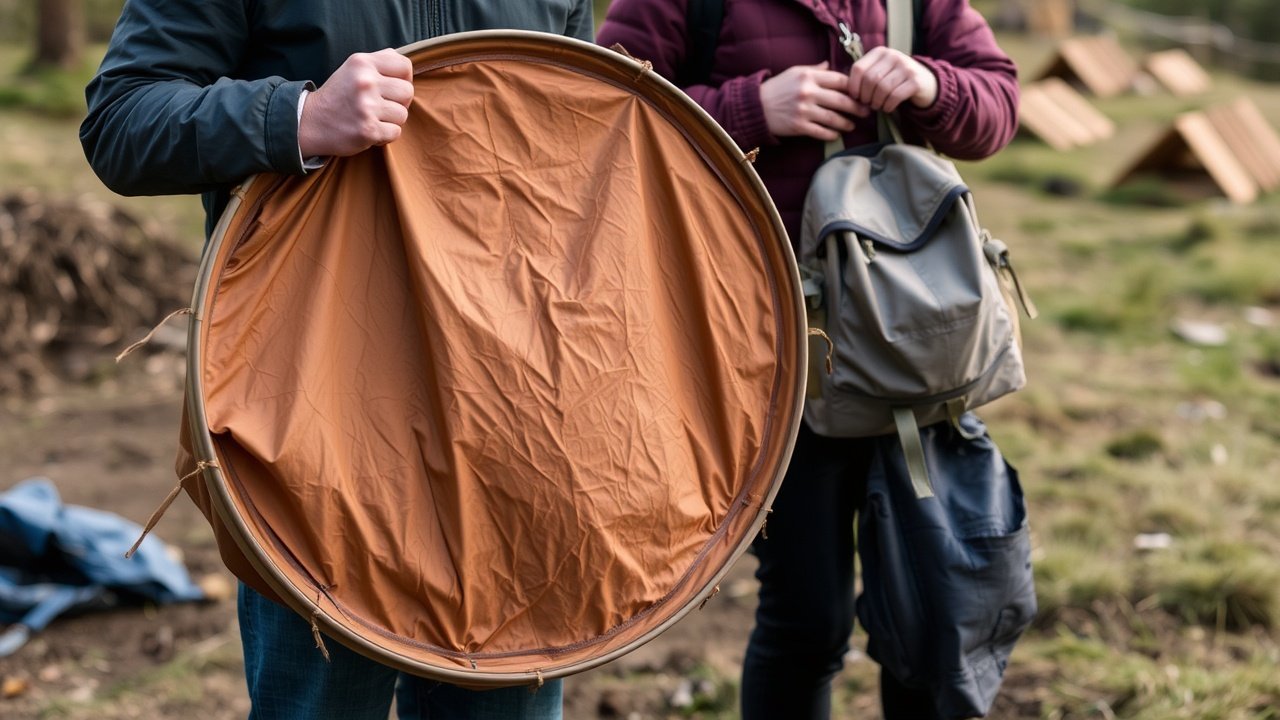
I’ve camped with gear borrowed from friends, cooked cheap noodles over a tiny stove, and slept in tents that definitely should’ve been retired years earlier. And honestly? Some of those trips were better than the expensive ones. The truth is, camping doesn’t have to drain your wallet to be fun. A lot of beginners think they need top-tier gear before they even step onto a trail. You don’t.
Look, learning How to Go Camping on a Budget matters more than ever in 2026 because outdoor gear prices keep climbing fast. But here’s the kicker, spending less doesn’t mean settling for miserable trips or unreliable equipment. The real win is finding the best budget camping gear for beginners that actually lasts beyond one season. I’ll also share practical budget camping hacks for 2026 that save money without cutting comfort, plus the common budget camping mistakes to avoid like overspending on gear you barely use or packing things you simply don’t need. Small choices add up quickly outdoors.
I’ll be honest with you. This guide is built for real campers, not Instagram highlight reels. By the end, you’ll know how to plan affordable trips, buy smarter gear, save money on campsites, food, and essentials, and still have an amazing time outside. No fluff. No unrealistic advice. Just practical tips that work when your budget is tight and adventure still calls. Let’s start with the basics.
Understanding How to Camp on a Budget
Benefits of Budget-Friendly Tent Camping
Camping on a budget offers a plethora of advantages beyond simply saving money. It encourages resourcefulness, fostering a deeper connection with nature by prioritizing experiences over excessive spending on new gear. This approach allows campers to explore diverse destinations, from national parks to state parks, without feeling constrained by high camping costs. Furthermore, it often leads to more authentic and memorable camping tours, as the focus shifts to creating lasting memories around a campfire rather than accumulating expensive camping equipment.
Common Misconceptions about Cheap Tent Camping
Many prospective campers mistakenly believe that cheap camping equates to a subpar experience, often involving uncomfortable nights or a lack of essential amenities. This couldn’t be further from the truth. Budget-friendly camping doesn’t mean sacrificing comfort or safety; it simply means making smart choices. You don’t need to buy all new gear to enjoy a fantastic camping adventure. Inexpensive doesn’t mean low quality, and with the right tips for camping, you can have a luxurious experience without breaking the bank.
How to Plan Your Camping Trip
Effective planning is the cornerstone of a successful budget-friendly camping trip. Start by researching various camping options, considering free campsites or significantly cheaper alternatives to popular campgrounds. Create a detailed meal plan that prioritizes affordable ingredients and minimizes food waste, ensuring you have everything you need without overspending. This proactive approach allows you to identify potential savings on camping gear, transportation, and activities, enabling you to budget camping effectively and enjoy your outdoor experience to the fullest.
Affordable Camping Gear Recommendations
Must-Have Gear for Budget Camping
To truly budget camping, discerning which camping gear is essential is paramount, allowing you to save money without compromising safety or comfort during your camping trip. Prioritize fundamental items, as shown below, for a comfortable and secure camping adventure without breaking the bank.
| Category | Essential Items |
|---|---|
| Shelter & Sleep | Reliable tent, warm sleeping bag (suitable for temperatures), appropriate bedding (air mattress or foam pad) |
| Cooking | Basic camp stove, essential cooking utensils (pots and pans) |
| Safety & Protection | First-aid kit, good tarp (for extra shelter or ground cover) |
Secondhand Gear: A Cost-Effective Choice
Opting for secondhand gear is an excellent way to save money and reduce camping costs, especially for those looking to budget camping. Many campers upgrade their equipment regularly, meaning perfectly functional used gear is often available at a fraction of the cost of new gear. A secondhand tent, sleeping bag, or even a camp stove can significantly reduce your initial outlay, allowing more funds for campsite fees or travel to national parks and state parks. Always inspect used items carefully for damage or wear before purchasing to ensure they meet your safety and comfort standards, making it a smart and sustainable choice for cheap camping.
Where to Find Affordable Camping Equipment
Finding affordable camping equipment requires knowing where to look beyond traditional retail stores. You can significantly cut down on camping costs by exploring options for used gear, often of high quality. Additionally, consider borrowing items from friends or family for your first camping trip to further reduce the need to buy new gear, allowing you to low-cost camping effectively and enjoy your camping adventure without breaking the bank.
| Source for Used Gear | Potential Finds |
|---|---|
| Local Thrift Stores | Affordable, high-quality camping items |
| Consignment Shops | Affordable, high-quality camping items |
| Online Marketplaces | Affordable, high-quality camping items |
| Garage Sales & Community Yard Sales (especially in affluent areas) | Good camping gear no longer used by owners |
Money-Saving Tips for Your Camping Trip
Transportation Savings for Camping
One of the most significant ways to save money on your camping trip is by strategically planning your transportation. Carpooling with friends or family not only reduces fuel costs but also often allows you to share campsite fees, making your camping adventure much more affordable. To minimize travel expenses and save money on gas, consider these options:
- Choose a campground closer to home.
- Opt for destinations accessible by public transport.
- Explore backpacking options that eliminate the need for a personal vehicle altogether.
Cheap Meal Ideas for Campers
Creating a budget-friendly meal plan is crucial for those looking to budget camping. Instead of expensive pre-packaged meals, plan your meals around inexpensive staples like pasta, rice, beans, and canned vegetables. Hot dogs, s’mores, and simple campfire chili are classic, affordable options that are easy to prepare around the campfire. Pre-cooking some meals at home and freezing them can also save on propane for your camp stove and reduce the need for numerous cooking utensils, ensuring you have everything you need without breaking the bank.
Campsite Hacks to Save Money
Savvy campsite hacks can significantly reduce your camping costs and help you low-cost camping effectively. Instead of purchasing an expensive air mattress, consider bringing an old sleeping bag or blankets from home for comfortable bedding. Utilize a tarp as a makeshift shelter or ground cover instead of buying specialized equipment. For entertainment, bring a deck of cards or enjoy stargazing around the campfire, eliminating the need to buy new gear or pay for costly activities. These simple adjustments ensure a budget-friendly camping trip without sacrificing the fun.
Choosing Budget-Friendly Campsites
Finding Affordable Campgrounds
Finding affordable campgrounds is a cornerstone of a budget-friendly camping trip. Begin your search by exploring national parks and state parks, which often offer more reasonable camping costs compared to private campgrounds. Websites and apps dedicated to camping often feature filters for price, allowing you to quickly identify campsites that align with your budget. Reading reviews from other campers can also provide valuable insights into the true cost and value of various camping options, helping you make an informed decision and save money on your next adventure.
Free and Low-Cost Campsites
For the ultimate way to save, consider free or low-cost campsites, which are abundant if you know where to look. Dispersed camping on public lands, such as national forests and Bureau of Land Management (BLM) areas, often allows you to camp for free, though amenities are usually minimal. Some state parks and local recreation areas offer primitive campsites at a significantly reduced rate. Researching these options thoroughly before your camping trip is essential, as availability and regulations can vary, but they present an excellent opportunity to truly camp on a budget.
Tips for Booking Campsites on a Budget
When booking campsites, several strategies can help you save money. Opt for off-peak seasons or weekdays when demand and prices are typically lower, making your camping adventure more affordable. Always inquire about senior, military, or local resident discounts, as these can significantly reduce camping costs. Booking well in advance, especially for popular national parks, can sometimes secure better rates, but be aware of cancellation policies. Consider joining camping clubs or loyalty programs, as these often provide exclusive deals and a way to save on future camping trips.
Common Mistakes to Avoid When Camping on a Budget
Overpacking: How to Pack Light
One of the most common mistakes budget campers make is overpacking, which can inadvertently increase camping costs and detract from the overall camping adventure. Bringing too much camping accessories, especially items you won’t use, adds unnecessary weight and bulk, impacting transportation efficiency and potentially requiring a larger vehicle or more frequent fuel stops. To truly budget camping and enjoy a stress-free camping trip, focus on essential items only. A streamlined packing list not only saves money on transport but also makes setting up and breaking down your campsite much easier, ensuring you have everything you need without excess.
Ignoring Safety Tips for Budget Camping
While the goal is to save money, compromising on safety is a critical mistake that can have serious repercussions. Some budget campers might forgo essential safety gear, such as a comprehensive first-aid kit or reliable lighting, to reduce initial camping costs. However, investing in basic safety items is non-negotiable for any camping trip, especially when exploring national parks or state parks. Ensuring you have appropriate weather-resistant sleeping gear, like a sleeping bag suited for the climate, and a functional tent, prevents discomfort and potential hazards, ultimately making your budget-friendly camping experience safer and more enjoyable.
Buying Cheap Gear that Doesn’t Last
A common pitfall for those trying to camp on a budget is purchasing excessively cheap camping accessories that quickly deteriorates. While the immediate cost saving might seem appealing, frequently replacing flimsy items like a poorly constructed tent or an inadequate sleeping bag can actually cost more in the long run. Instead of buying new gear that won’t withstand the rigors of a camping adventure, consider investing in durable, good camping equipment from a thrift store or through secondhand markets. This approach ensures you get reliable equipment that lasts, effectively helping you save money over multiple camping trips and avoiding the need to continuously buy new replacements.
Expert Advice and Real-World Examples
Interviews with Budget Camping Enthusiasts
Budget camping enthusiasts often emphasize that the key to a successful and affordable camping tour lies in resourcefulness and a deep appreciation for the outdoors, rather than expensive camping equipment. Many seasoned campers highlight the benefits of utilizing multi-functional camping accessories, such as a tarp that can serve as both ground cover and additional shelter, or pots and pans that double as serving dishes. They consistently advise new campers to start with basic camping essentials and gradually acquire more specialized items as needed, avoiding the common mistake of overspending on new gear before truly understanding their camping style.
Success Stories: Camping Without Breaking the Bank
Numerous success stories illustrate that it’s entirely possible to go camping and enjoy incredible camping adventures without breaking the bank. One inspiring example involves a family who transformed their annual vacation by opting for tent camping in various national parks and state parks, significantly reducing accommodation costs. By planning their meals around inexpensive staples and utilizing a reliable camp stove for cooking around the campfire, they managed to save money on food while still enjoying delicious, hearty meals. Their story underscores how careful planning and smart choices, like finding free campsites or affordable campgrounds, can lead to enriching experiences without the burden of high camping costs.
Actionable Takeaways for Your Next Camping journey
To ensure your next camping journey is both memorable and budget-friendly, begin by crafting a detailed meal plan focused on affordable ingredients and minimal waste. Prioritize checking local thrift stores, garage sales, and online marketplaces for quality used gear before considering buying new gear, as this is a prime way to save money on essential camping equipment like a tent or sleeping bag. Always research free or low-cost campsites and consider carpooling to reduce transportation expenses. By implementing these tips for camping, you’ll be well on your way to a fantastic camping adventure, proving that an incredible outdoor experience doesn’t have to mean breaking the bank.
❓ Frequently Asked Questions (FAQs)
1. How do I go camping on a budget in 2026?
You can go camping on a budget by choosing free or low-cost campsites, using secondhand gear, planning simple meals, and avoiding unnecessary equipment. Smart planning is the key to reducing costs.
2. What is the cheapest way to go camping?
The cheapest way to go camping is by using public land or free campsites, borrowing or buying used gear, and cooking your own meals instead of buying pre-packaged food.
3. Do I need expensive gear to start camping?
No, you don’t need expensive gear. A basic tent, sleeping bag, and cooking setup are enough. Many beginners successfully use budget or secondhand equipment.
4. How much does a camping tour cost on average?
A basic budget camping trip can cost very little if you use free campsites and already own gear. Costs mainly depend on travel, food, and campsite fees.
5. Where can I find free campsites?
Free campsites can often be found in national forests, Bureau of Land Management (BLM) areas, and some remote public lands that allow dispersed camping.
6. What food is best for budget camping?
The best budget camping foods include rice, pasta, beans, canned vegetables, instant noodles, and simple campfire meals like chili or sandwiches.
7. How can beginners start camping cheaply?
Beginners can start by borrowing gear, choosing nearby campsites, planning simple trips, and avoiding unnecessary purchases until they gain experience.
8. Is camping cheaper than staying in hotels?
Yes, camping is usually much cheaper than hotels, especially when using free campsites or low-cost public campgrounds.
9. What are common budget camping mistakes?
Common mistakes include buying low-quality gear, overpacking, wasting food, and not researching campsite costs in advance.
10. How do I make camping more comfortable on a budget?
You can improve comfort by using proper sleeping pads, layering clothing instead of buying expensive gear, and choosing the right campsite location.
4 thoughts on “How to Go Camping on a Budget in 2026 (Complete Guide)”