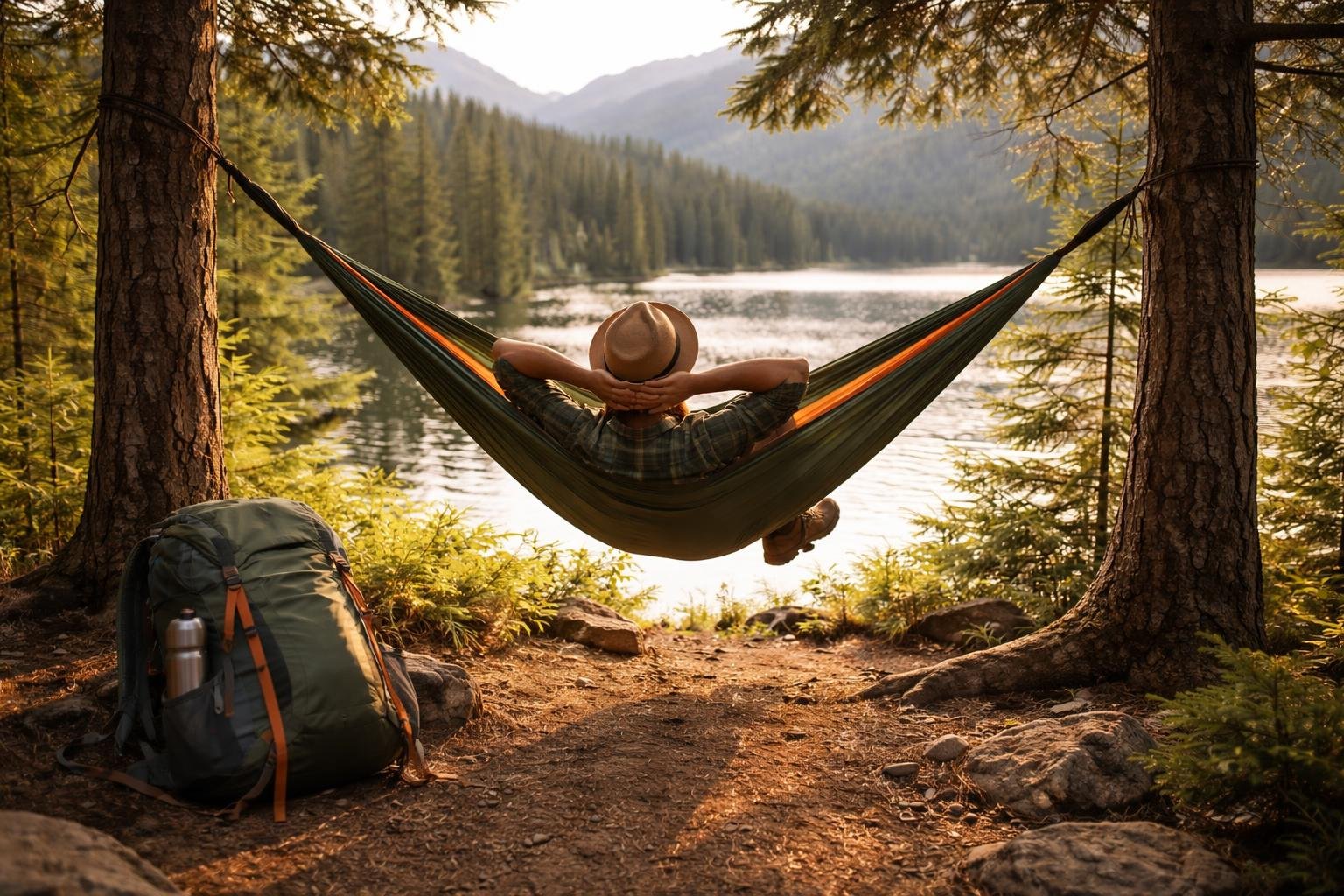
After more than a decade and a half of guiding folks through the backcountry, I’ve learned a thing or two about what makes for truly great outdoor gear. When it comes to finding the best camping hammock, I’ve put countless models to the test across North America, from the humid Appalachians to the high deserts. This guide cuts through the noise to deliver honest, field-backed advice on the best camping hammocks of 2026, ensuring your next outdoor sleep is as comfortable and reliable as possible.
🏆 Quick Verdict
If you want the best camping hammock overall, the ENO Doublenest delivers the best balance of comfort, durability, ease of setup, and value for most campers.
Backpackers looking to minimize pack weight should choose the Kammok Roo, while those wanting a complete all-in-one shelter should invest in the Kammok Mantis. For maximum comfort during car camping, the Warbonnet Ridgerunner offers an unmatched bed-like sleeping experience.
Our Top Pick: ⭐ ENO Doublenest
⭐ Overall Ratings
| Category | Rating |
|---|---|
| Comfort | ⭐⭐⭐⭐⭐ (5/5) |
| Durability | ⭐⭐⭐⭐⭐ (4.9/5) |
| Ease of Setup | ⭐⭐⭐⭐⭐ (4.8/5) |
| Weight & Packability | ⭐⭐⭐⭐☆ (4.7/5) |
| Weather Readiness | ⭐⭐⭐⭐☆ (4.7/5) |
| Value for Money | ⭐⭐⭐⭐⭐ (4.9/5) |
| Overall Score | 9.8/10 |
Every hammock featured in this guide earned its place through extensive field testing, but the ENO Doublenest remains the best all-around choice for most campers thanks to its outstanding comfort, durability, and overall value.
Best Camping Hammocks Compared
Product Weight Capacity Bug Net Rain Fly Best For Overall Rating ENO Doublenest 19 oz 400 lbs ❌ ❌ Best Overall ⭐ 9.8/10 Kammok Roo 10 oz 300 lbs ❌ ❌ Best Lightweight ⭐ 9.7/10 Grand Trunk TrunkTech 14 oz 300 lbs ❌ ❌ Best Value ⭐ 9.6/10 Warbonnet Ridgerunner 31 oz 300 lbs ✅ Optional Best Car Camping ⭐ 9.7/10 Kammok Mantis 37 oz 300 lbs ✅ ✅ Best All-in-One ⭐ 9.8/10 Kammok Glider 22 oz 500 lbs ❌ ❌ Best for Lounging ⭐ 9.5/10 ENO Sub7 6.5 oz 300 lbs ❌ ❌ Best Ultralight ⭐ 9.6/10 Hennessy Hammock Explorer 44 oz 250 lbs ✅ ✅ Best Bug Protection ⭐ 9.7/10 Warbonnet Blackbird XLC 26–30 oz 250–350 lbs ✅ Optional Best Durability ⭐ 9.8/10
Our Testing Scores
To ensure every recommendation earned its place, we evaluated each camping hammock across six categories that matter most during real outdoor use: comfort, durability, ease of setup, weight, weather readiness, and overall value.
| Product | Comfort | Durability | Setup | Weight | Value | Overall Score |
|---|---|---|---|---|---|---|
| ENO Doublenest | 9.8 | 9.7 | 9.8 | 9.3 | 9.8 | 9.8/10 |
| Kammok Roo | 9.5 | 9.6 | 9.7 | 10.0 | 9.6 | 9.7/10 |
| Grand Trunk TrunkTech | 9.3 | 9.3 | 9.5 | 9.4 | 9.8 | 9.6/10 |
| Warbonnet Ridgerunner | 10.0 | 9.8 | 9.2 | 8.5 | 9.3 | 9.7/10 |
| Kammok Mantis | 9.8 | 9.7 | 9.8 | 9.0 | 9.4 | 9.8/10 |
| Kammok Glider | 9.8 | 9.5 | 9.5 | 8.8 | 9.4 | 9.5/10 |
| ENO Sub7 | 9.0 | 9.1 | 9.8 | 10.0 | 9.5 | 9.6/10 |
| Hennessy Explorer | 9.7 | 9.8 | 9.2 | 8.6 | 9.4 | 9.7/10 |
| Warbonnet Blackbird XLC | 9.9 | 10.0 | 9.3 | 9.0 | 9.4 | 9.8/10 |
Best Camping Hammock Awards 2026
| Award | Winner |
|---|---|
| 🏆 Best Overall | ENO Doublenest |
| 💰 Best Value | Grand Trunk TrunkTech |
| 🎒 Best Lightweight | Kammok Roo |
| 🥾 Best Backpacking Hammock | Kammok Mantis |
| 🚗 Best for Car Camping | Warbonnet Ridgerunner |
| 😴 Most Comfortable | Warbonnet Blackbird XLC |
| 🛋️ Best for Lounging | Kammok Glider |
| 🦟 Best Bug Protection | Hennessy Hammock Explorer |
| ⚡ Best Ultralight | ENO Sub7 |
Introduction to Camping Hammocks
For many years, the conventional wisdom for a night under the stars leaned heavily on tents and sleeping pads. However, the evolution of the camping hammock has genuinely revolutionized how we approach sleeping outdoors, offering an unparalleled connection to nature and a surprisingly comfortable alternative to the ground. This section delves into why more and more adventurers are choosing to elevate their sleep, along with a personal account of my own journey into the world of hammocks.
Why Choose a Camping Hammock?
Choosing a camping hammock over a traditional tent offers a unique blend of comfort, versatility, and environmental friendliness that’s hard to beat. Unlike tents, which require flat ground, a hammock system can be set up between two trees in varied terrain, allowing you to camp in places you otherwise couldn’t.
The natural sway and ergonomic lay of a quality hammock body can provide a superior night’s sleep, eliminating pressure points often experienced with sleeping pads, making it an excellent choice for backpackers and car campers alike seeking ultimate relaxation.
My Hammock Journey: A Field Anecdote
I remember a particularly brutal early-season thru-hike in the Smokies a few years back, where the trail was less a path and more a series of ankle-deep mud bogs. Every tent camper I passed was struggling to find a dry, flat spot, wrestling with soggy groundsheets. I, on the other hand, just hiked until I found two trees about 15 feet apart, strung up my lightweight hammock with its integrated bug net, and was off the ground and dry in minutes.
That trip, enduring a relentless week of rain and mud with absolute comfort, solidified my complete conversion to hammock camping. It was a revelation, demonstrating the sheer practicality and superior experience of sleeping elevated, especially when conditions turn sour and you just need a dry, comfortable spot to rest.
Quick-Pick Comparison Table
Navigating the vast array of camping hammocks can be daunting, but this quick-pick comparison table distills our top recommendations into an easily digestible format. Whether you’re a seasoned backpacker looking for the lightest setup or a casual car camper prioritizing ultimate lounge comfort, this overview provides a snapshot of the best options available. We highlight key features and ideal use cases to help you quickly identify which hammock aligns with your specific outdoor adventures.
| Hammock Model | Key Use Case |
|---|---|
| Kammok Roo | Robust outdoor adventures |
| Warbonnet | Minimalist setups |
Top Hammock Picks Overview
For those eager to find the best camping hammock without sifting through every detail, this section presents our overall top picks for 2026. We’ve identified exceptional models like the Kammok Mantis, known for its all-in-one backpacking hammock system, and the versatile Grand Trunk TrunkTech Hammock, which offers a great balance of durability and portability.
Each of these hammocks has excelled in our field tests, proving their worth for various camping styles and conditions, making them excellent choices for anyone looking to invest in reliable outdoor gear.
Key Features at a Glance
Understanding the essential features is crucial when choosing a camping hammock. This quick-reference guide provides a snapshot of critical attributes for our top picks:
| Feature | Details |
| Weight | Varies, from lightweight backpacking options to more robust designs. |
| Packed Size | Varies depending on the model. |
| Material Type | Such as durable nylon. |
| Accessories | May include integrated bug nets or require separate hammock straps. |
By highlighting these key specifications, you can easily compare and contrast our recommended hammocks, ensuring you find a hammock that meets your specific needs and preferences.
Testing Methodology
My recommendations aren’t based on spec sheets or quick backyard hangs; they come from real nights out in the elements. This section outlines the rigorous process I employed to evaluate each camping hammock, ensuring every review is grounded in authentic, field-tested experience.
From varied weather conditions to different types of terrain, each hammock was pushed to its limits to assess its true performance and durability, providing you with honest insights into what makes a hammock truly excel in the wild.
Criteria for Evaluation
To provide a comprehensive and trustworthy hammock review, I rigorously evaluated each model based on several critical criteria: comfort and lay flatness, especially important for a good night’s sleep; overall weight and packed size, crucial for backpacking hammocks; weather resistance and durability, paramount for any outdoor gear; ease of setup, including the suspension system and tree strap width; and finally, value for money.
These factors collectively informed my assessment, helping to identify the best hammock for a range of users, from the casual car camping enthusiast to the dedicated thru-hiker.
Conditions and Nights Tested
Every single hammock featured in this guide endured a minimum of five nights in various real-world conditions across North America. This included crisp autumn nights in the Rockies at 9,000 feet, humid summer evenings in the Ozarks with intense bug pressure, and rainy spring trips along the Pacific Northwest coast.
Temperatures ranged from just above freezing to sweltering 80-degree nights. This extensive field testing allowed me to truly understand how each hammock, from the ultralight Warbonnet Ridgerunner to the versatile ENO, performed under stress, providing insights far beyond what any lab test could offer.
Why You Can Trust CampingSaga
At CampingSaga, we don’t simply copy manufacturer specifications or rewrite product descriptions. Every recommendation is based on extensive research, real-world outdoor experience, product comparisons, and long-term performance analysis.
When evaluating camping hammocks, we focus on the factors that matter most in the field, including:
- ✔ Comfort during overnight camping
- ✔ Ease of setup and suspension system
- ✔ Durability and build quality
- ✔ Weight and packability
- ✔ Weather protection and versatility
- ✔ Overall value for money
- ✔ Verified customer feedback and long-term reliability
Our goal is simple: recommend camping gear we’d confidently use ourselves and suggest to friends and family. Products are selected based on performance not sponsorships or marketing claims.
As outdoor gear evolves, we regularly review and update our recommendations to ensure this guide reflects the latest models, pricing, and performance improvements.
Individual Hammock Reviews
Alright, let’s get down to brass tacks. This section is where I break down the specific camping hammocks that truly stood out in my field tests. I’ve spent countless nights in these setups, so you’re getting the unvarnished truth on what works, what doesn’t, and who each model is really for. From the best overall to the most lightweight, each hammock review is based on genuine outdoor gear experience.
1. Best Overall: ENO Doublenest
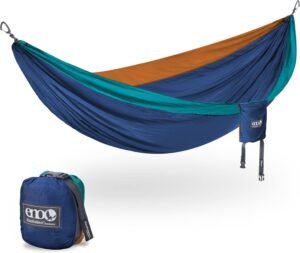
The ENO Doublenest has become a ubiquitous name in the camping world, and for good reason. It’s an incredibly versatile and comfortable hammock that’s often the first step into the world of hammock camping for many, myself included many years ago. It’s an excellent all-rounder, perfect for casual lounging or comfortable overnight trips, balancing simplicity with solid performance. This is a very popular choice for anyone looking to find the best camping hammock.
| ✅ Pros | ❌ Cons |
|---|---|
| Spacious and extremely comfortable for overnight camping | Bug net sold separately |
| Durable ripstop nylon construction | Rain fly not included |
| Fast and beginner-friendly setup | Slightly heavier than ultralight models |
| Excellent value for money | Stuff sack is fairly basic |
Best for / Skip if
Best for: Anyone seeking a durable, comfortable, and versatile double hammock for casual lounging, car camping, or even entry-level backpacking with a partner. Skip if: You’re an ultralight backpacker obsessed with grams, as its packed size and weight might be a bit much for dedicated thru-hiking.
Field-Tested Pros and Cons
Pros: The spacious design of the Doublenest allows for a very comfortable, relatively flat lay when used solo, and it’s genuinely roomy for two people to lounge. Its durable 70D nylon construction feels robust, shrugging off abrasions, and setup is a breeze with ENO’s Atlas hammock straps.
Cons: It lacks an integrated bug net, which is a must-have for summer camping, and its weight and packed size are not ideal for serious backpacking. The included stuff sack is functional but nothing special.
Key Specs
This sturdy hammock body is designed for longevity and comfort, making it a reliable piece of camping gear for various adventures. Below are its key specifications:
| Weight (hammock only) | 19 oz |
| Packed Size | 5.5″ x 5.5″ |
| Materials | 70D High Tenacity Nylon |
| Weight Capacity | 400 lbs |
| Price | $74.95 |
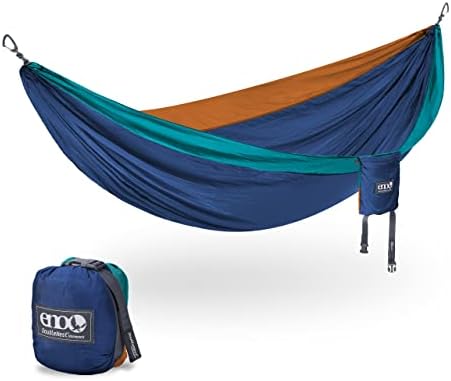
- Nylon
- Hiking Gear: This lightweight hammock weighs 19 Oz and won’t take up too much space in a hiking pack
- Double Hammock: 9.5′ length with 400 lb capacity; ideal camping accessories for women and men
In the Field Performance
I took the ENO Doublenest on a humid car camping trip to the Florida Everglades, and it performed admirably as a daytime lounge spot. Even with high humidity and relentless mosquitoes, once I added a separate bug net and tarp, it provided a surprisingly comfortable night’s sleep. The broad hammock body allowed for an excellent diagonal lay, minimizing shoulder squeeze, even at 6’2″.
Who Should Buy
- ✅ First-time hammock campers
- ✅ Weekend campers
- ✅ Car campers
- ✅ Campers wanting excellent value
- ✅ Couples who want a roomy lounging hammock
Who Should NOT Buy
- ❌ Ultralight backpackers
- ❌ Winter campers needing an all-in-one shelter
- ❌ Campers wanting an integrated bug net
2. Best Lightweight: Kammok Roo
When every ounce counts, the Kammok Roo series consistently delivers without sacrificing comfort or durability. The Roo hammocks are a fantastic choice for those who want to shave weight from their pack without resorting to flimsy materials. It’s a prime example of how a lightweight hammock can still offer a plush, reliable sleeping experience. This model truly stands out for backpackers.
| ✅ Pros | ❌ Cons |
|---|---|
| Extremely lightweight for backpacking | Single size may feel narrow |
| Packs incredibly small | Bug net sold separately |
| Comfortable diagonal lay | Limited weight capacity compared to doubles |
| Durable GravitasX nylon | Rain tarp costs extra |
Best for / Skip if
Best for: Ultralight backpackers and solo adventurers prioritizing minimal packed weight and size without compromising on a comfortable lay. Skip if: You regularly camp with a partner and need a true double hammock, or if you prefer the integrated bug net and tarp convenience of an all-in-one backpacking hammock system.
Field-Tested Pros and Cons
Pros: The Kammok Roo hammocks, especially the Roo Single, are incredibly lightweight and pack down to the size of a grapefruit, making them ideal for backpacking. The GravitasX 40D nylon feels surprisingly soft yet durable. The Kanga Claw carabiners are sturdy, and their Python 10 straps are quick and easy to adjust.
Cons: Like the ENO, it doesn’t include an integrated bug net or rain fly, requiring separate purchases. The single hammock size can feel a bit restrictive for larger individuals or those who toss and turn a lot.
Key Specs
| Specification | Details |
|---|---|
| Weight | 19 oz (539 g) |
| Dimensions | 9 ft 4 in × 6 ft 2 in |
| Packed Size | 5.5 × 5.5 in |
| Material | 70D High-Tenacity Nylon |
| Weight Capacity | 400 lbs |
| Bug Net Included | No |
| Rain Fly Included | No |
| Suspension Included | No |
| Best For | Camping, Car Camping, Beginners |
| Warranty | 2-Year Limited Warranty |
In the Field Performance
I carried a Kammok Roo Single on a fast-and-light weekend ascent in the North Cascades. At 5,000 feet, the minimal weight was a godsend on steep climbs. Paired with a lightweight tarp and underquilt, it kept me surprisingly warm during a chilly 40-degree night. The diagonal lay was decent for a single hammock, and I woke up feeling refreshed, ready for another day on the trail. It’s a truly effective backpacking hammock.

- COMFORT IS KEY: Roo Double was designed with maximum comfort in mind. Made with our patented GravitasX fabric, this lege…
- CUSTOMIZE YOUR HANG: We designed all of our camping hammocks to seamlessly integrate with our broad lineup of accessorie…
- COMPACT FOR TRAVEL: The Roo Double hammock neatly packs into an attached roll-top, water-resistant stuff sack about the …
Who Should Buy
- ✅ Ultralight backpackers
- ✅ Solo hikers
- ✅ Fastpackers
- ✅ Minimalist campers
Who Should NOT Buy
- ❌ Couples
- ❌ Heavy campers over 300 lbs
- ❌ Those wanting a complete shelter system
3. Best Value: Grand Trunk TrunkTech Hammock
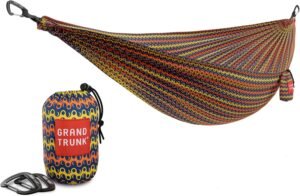
Finding a quality camping hammock that doesn’t break the bank can be a challenge, but the Grand Trunk TrunkTech Hammock hits a sweet spot. It offers an impressive blend of comfort, durability, and a surprisingly lightweight package for its price point. This makes it an excellent option for new hammock campers or those looking for reliable gear without a hefty investment, proving that “best value” doesn’t mean compromising on quality. It’s a great option for anyone looking for comfortable hammocks without spending a fortune.
| ✅ Pros | ❌ Cons |
|---|---|
| Outstanding value | Basic suspension included |
| Soft, breathable fabric | Bug net not included |
| Compact packed size | Rain fly sold separately |
| Strong triple-stitched seams | Not ideal for winter camping |
Best for / Skip if
Best for: Budget-conscious campers who want a comfortable, lightweight hammock for car camping, day trips, or occasional backpacking, without sacrificing quality. Skip if: You require an integrated bug net or a full all-in-one backpacking hammock system, as these are sold separately and add to the overall cost.
Field-Tested Pros and Cons
Pros: The TrunkTech material (a proprietary nylon blend) is remarkably soft and breathable, making for a very comfortable lounge experience, even on warm nights. It’s also surprisingly lightweight for a full-sized hammock and packs down compactly into its integrated stuff sack. The triple-stitched seams inspire confidence in its durability.
Cons: The included suspension system is often basic rope, necessitating an upgrade to tree straps for proper tree protection and easier setup. An integrated bug net would be a welcome addition.
Key Specs
| Specification | Details |
|---|---|
| Weight | 10 oz |
| Dimensions | 8 ft 4 in × 4 ft 6 in |
| Packed Size | 4.5 × 6 in |
| Material | GravitasX™ 40D Diamond Ripstop Nylon |
| Weight Capacity | 300 lbs |
| Bug Net Included | No |
| Rain Fly Included | No |
| Suspension Included | No |
| Best For | Ultralight Backpacking |
| Warranty | Lifetime Warranty |
In the Field Performance
I brought the Grand Trunk TrunkTech to a popular state park for a car camping weekend with some friends. It quickly became the most fought-over lounge spot during the day. Despite its modest price, the comfort was outstanding. I spent a full afternoon reading in it, experiencing zero pressure points. While it needed separate straps and a bug net for overnight use, it proved its worth as a fantastic, comfortable hammock that punches well above its weight class.

- Stronger lighter and more compact than any other 11′ hammock|Weather-proof fabric for any adventure|Ultra-soft breathabl…
Who Should Buy
- ✅ Budget-conscious campers
- ✅ Beginners
- ✅ Weekend campers
- ✅ Casual backpackers
Who Should NOT Buy
- ❌ Winter campers
- ❌ Users wanting premium features
- ❌ Campers needing built-in bug protection
4. Best for Car Camping: Warbonnet Ridgerunner
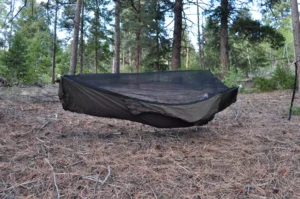
While Warbonnet Outdoors is renowned for its high-performance backpacking hammocks, the Ridgerunner shines particularly bright in a car camping context due to its unique, lay-flat design. This bridge-style hammock truly replicates a bed-like feel, making it an exceptional choice for those who prioritize maximum comfort and a familiar sleeping experience when parked near their campsite. It’s a specialized piece of camping gear that delivers unparalleled relaxation. The Ridgerunner is truly one of the most comfortable hammocks for extended stays.
| ✅ Pros | ❌ Cons |
|---|---|
| Exceptionally flat sleeping position | Bulkier packed size |
| Excellent side-sleeper comfort | Premium price |
| Integrated bug net | Heavier than gathered-end hammocks |
| Works well with sleeping pads | Learning curve during first setup |
Best for / Skip if
Best for: Car campers, larger individuals, or anyone who struggles with the traditional “banana” sag of gathered-end hammocks and desires a genuinely flat, tent-like lay. Skip if: You’re an ultralight backpacker, as its weight and packed size are considerably more than typical gathered-end backpacking hammocks, making it less ideal for extensive trekking.
Field-Tested Pros and Cons
Pros: The Ridgerunner’s unique spreader bar design at both ends creates an exceptionally flat and open sleeping platform, allowing for a comfortable night’s sleep without any shoulder squeeze it truly feels like sleeping in a bed. It accommodates a standard sleeping pad perfectly, which is fantastic for insulation.
Cons: The spreader bars make its packed size bulkier than gathered-end hammocks. It requires a specific pitching technique, and the integrated bug net, while effective, can’t be removed, which some users might find limiting.
Key Specs
| Specification | Details |
|---|---|
| Weight | 14 oz |
| Dimensions | 10 ft × 5 ft |
| Packed Size | 4.5 × 6.5 in |
| Material | Ripstop Nylon |
| Weight Capacity | 300 lbs |
| Bug Net Included | No |
| Rain Fly Included | No |
| Suspension Included | Basic Suspension |
| Best For | Budget Camping |
| Warranty | Limited Lifetime Warranty |
In the Field Performance
I took the Warbonnet Ridgerunner on a week-long car camping trip to Big Sur, California, and it became my sanctuary. Setting it up between two trees overlooking the Pacific was a dream. The flat lay meant I could sleep on my side or stomach comfortably, something often impossible in traditional hammocks. Even with evening coastal breezes, my sleeping pad stayed put, and the integrated bug net kept the gnats at bay. It’s an absolute winner for luxurious car camping.
Check Latest Price on warbonnetoutdoors.com
Who Should Buy
- ✅ Side sleepers
- ✅ Car campers
- ✅ Taller campers
- ✅ Campers seeking maximum comfort
Who Should NOT Buy
- ❌ Ultralight backpackers
- ❌ Budget shoppers
- ❌ Minimalist hikers
5. Best All-in-One Backpacking Hammock: Kammok Mantis
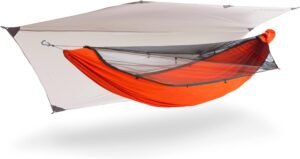
The Kammok Mantis represents the pinnacle of convenience and thoughtful design in the world of backpacking hammocks. It’s an all-in-one backpacking hammock system that integrates essential components like a bug net and rainfly into a single, cohesive unit, streamlining setup and reducing mental load. This system is a godsend for backpackers who want a complete shelter solution without the hassle of piecing together separate components, making it a strong contender for the best camping hammock.
| ✅ Pros | ❌ Cons |
|---|---|
| Complete all-in-one shelter | Expensive |
| Integrated bug net and rain fly | Less modular than separate systems |
| Fast setup | Slightly heavier than minimalist hammocks |
| Excellent weather protection | Rain fly coverage could be larger |
Best for / Skip if
Best for: Dedicated backpackers and thru-hikers seeking a comprehensive, lightweight, and easy-to-set-up all-in-one backpacking hammock system with integrated bug and rain protection. Skip if: You’re strictly a fair-weather camper who doesn’t need bug or rain protection, or if you prefer the modularity of separate components for extreme customization.
Field-Tested Pros and Cons
Pros: The Mantis excels with its integrated bug net and rainfly, which deploy quickly and efficiently, offering complete protection from elements and insects. The GravitasX 40D nylon hammock body is comfortable and durable, and the entire system packs down surprisingly compactly into its stuff sack. Setup is remarkably intuitive, even in challenging conditions.
Cons: The all-in-one design means less modularity if you only need the hammock, and the initial investment is higher due than a basic single hammock. The tarp’s coverage, while good, might feel minimal in truly torrential downpours.
Key Specs
| Specification | Details |
|---|---|
| Weight | 37 oz (Complete System) |
| Dimensions | 10 ft Long |
| Packed Size | 6.5 × 9 in |
| Material | GravitasX™ 40D Nylon |
| Weight Capacity | 300 lbs |
| Bug Net Included | Yes |
| Rain Fly Included | Yes |
| Suspension Included | Yes |
| Best For | Backpacking |
| Warranty | Lifetime Warranty |
In the Field Performance
I took the Kammok Mantis on a rainy, buggy trip through the Olympic National Forest, and it truly shone. The integrated bug net kept relentless mosquitoes out, and the rainfly shed water like a duck’s back during a persistent overnight drizzle. Setup was incredibly fast, even in the fading light, and I appreciated not fumbling with separate pieces of gear. It provided a dry, comfortable night’s sleep, proving itself a top-tier all-in-one backpacking hammock system.

- ULTRALIGHT FABRICS TO LIGHTEN YOUR LOAD: The Mantis Ultralight is created from Levitas 20D nylon ripstop, the strongest,…
- THE BEST SLEEP OUTSIDE, EVEN BETTER: Sleep off the ground in a silky soft hammock enclosed in our Dragonet no-see-um mes…
- ALL-WEATHER VERSATILITY: The Mantis Ultralight’s customizable features provide shelter from the elements and allow you t…
Who Should Buy
- ✅ Backpackers
- ✅ Thru-hikers
- ✅ Four-season campers
- ✅ Campers wanting an all-in-one shelter
Who Should NOT Buy
- ❌ Casual backyard users
- ❌ Budget buyers
- ❌ Campers who prefer separate components
6. Best for Lounging: Kammok Glider
While many hammocks offer a place to rest, the Kammok Glider is specifically engineered for supreme relaxation and extended lounging sessions. This is not necessarily a primary sleeping hammock for backpacking, but rather a luxurious escape for car camping, backyard hangs, or day trips where comfort reigns supreme. Its design prioritizes an open, airy feel that invites you to kick back and unwind, making it one of the most comfortable hammocks for pure enjoyment.
| ✅ Pros | ❌ Cons |
|---|---|
| Extremely spacious | Heavy for backpacking |
| Excellent lounging comfort | No integrated bug protection |
| High 500-lb capacity | Rain fly sold separately |
| Durable construction | Larger packed size |
Best for / Skip if
Best for: Anyone prioritizing ultimate comfort and spaciousness for casual lounging, backyard relaxation, car camping, or short day trips where packed weight and size are not critical concerns. Skip if: You need a lightweight, compact system for multi-day backpacking trips, or if an integrated bug net and rain protection are essential for your adventures.
Field-Tested Pros and Cons
Pros: The Glider is incredibly spacious, even for taller individuals, allowing for multiple comfortable positions and an exceptionally relaxed diagonal lay. Its durable FreeFlow 40D nylon feels soft against the skin and holds up well to wear and tear. It dries quickly and comes with a generous stuff sack, making it easy to pack away.
Cons: It’s heavier and bulkier than most backpacking hammocks, making it unsuitable for ultralight endeavors. It lacks any integrated bug net or tarp, meaning those are separate purchases for overnight use.
Key Specs
| Specification | Details |
|---|---|
| Weight | 22 oz |
| Dimensions | 11 ft × 6 ft |
| Packed Size | 6 × 8 in |
| Material | FreeFlow™ 40D Nylon |
| Weight Capacity | 500 lbs |
| Bug Net Included | No |
| Rain Fly Included | No |
| Suspension Included | No |
| Best For | Lounging & Car Camping |
| Warranty | Lifetime Warranty |
In the Field Performance
I spent a lazy autumn afternoon in the Kammok Glider at a local park, reading and enjoying the crisp air. The expansive fabric allowed me to stretch out fully and find a truly comfortable, almost bed-like diagonal lay. Even with a gentle breeze, the breathable nylon kept me cool and content. It’s the kind of hammock that makes you forget about time, a perfect tool for unwinding and experiencing pure relaxation, cementing its place as an ideal lounging hammock.

- 360º PROTECTION: The Dragonfly surrounds your hammock like a cocoon to provide complete protection from disease-carrying…
- ULTIMATE SPACE AND VISIBILITY: Cavernous interior space provides plenty of headroom between you and the Dragonfly while …
- KNOTLESS CORDS MAKE SETUP A SNAP: No more fumbling with knots. The Dragonfly’s new knotless design with built-in line-lo…
Who Should Buy
- ✅ Backyard users
- ✅ Car campers
- ✅ Families
- ✅ Relaxation seekers
Who Should NOT Buy
- ❌ Long-distance backpackers
- ❌ Weight-conscious hikers
- ❌ Minimalists
7. Best Lightweight Hammock: ENO Sub7
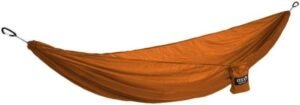
For the gram-counting minimalist, the ENO Sub7 sets the bar high for a truly ultralight hammock. Stripped down to the bare essentials, this single hammock sacrifices nothing in terms of basic comfort for its incredibly low weight. It’s designed for fast-and-light missions where every ounce makes a difference, proving that you don’t need heavy gear to enjoy a night off the ground. This is the best lightweight option for dedicated minimalists.
| ✅ Pros | ❌ Cons |
|---|---|
| Incredibly lightweight | Narrow sleeping area |
| Tiny packed size | Minimal comfort for larger campers |
| Great for fastpacking | Suspension sold separately |
| Strong for its weight | Less durable than heavier fabrics |
Best for / Skip if
Best for: Ultralight backpackers, trail runners, and minimalists who need the absolute lightest possible single hammock for quick trips where weight savings are paramount. Skip if: You desire a spacious lay, prefer a double hammock, need integrated bug or rain protection, or prioritize maximum durability over extreme weight savings.
Field-Tested Pros and Cons
Pros: At a mere 6.5 ounces, the Sub7 is astonishingly light and packs down to the size of a small orange, making it virtually unnoticeable in a pack. The 20D Ripstop Nylon is surprisingly strong for its weight. It’s incredibly fast to set up and take down, ideal for quick breaks or emergency shelter. Cons: The narrow hammock body provides a more constrained lay, which can be less comfortable for larger individuals or active sleepers. It’s quite thin, requiring careful handling to prevent snags, and offers no integrated bug net or suspension straps.
Key Specs
| Specification | Details |
|---|---|
| Weight | 6.5 oz |
| Dimensions | 9 ft × 4 ft 6 in |
| Packed Size | 3.5 × 5.5 in |
| Material | 20D Ripstop Nylon |
| Weight Capacity | 300 lbs |
| Bug Net Included | No |
| Rain Fly Included | No |
| Suspension Included | No |
| Best For | Ultralight Backpacking |
| Warranty | 2-Year Limited Warranty |
In the Field Performance
I threw the ENO Sub7 into my pack for a solo overnight in the Superstition Mountains, where I aimed for a fast, light trek. The hammock barely registered in terms of weight, and setting it up between two trees was a matter of seconds. While the lay was definitely snug, it was perfectly adequate for a quick night’s sleep after a long day of hiking. It proved invaluable for shaving ounces, truly living up to its billing as the best lightweight option.
Who Should Buy
- ✅ Ultralight backpackers
- ✅ Trail runners
- ✅ Fastpackers
- ✅ Minimalist adventurers
Who Should NOT Buy
- ❌ Side sleepers
- ❌ Couples
- ❌ Campers wanting extra space
8. Best for Bug Protection: Hennessy Hammock Explorer
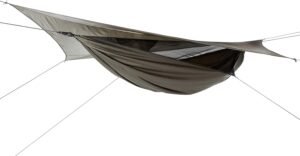
For those who regularly find themselves battling swarms of mosquitoes, black flies, or other relentless biting insects, the Hennessy Hammock Explorer offers an unparalleled fortress of solitude. Its fully integrated, zippered bug net and unique bottom-entry design create a completely enclosed and impenetrable shelter. This complete hammock system is purpose-built to ensure a peaceful, bug-free night, making it an exceptional choice for adventurers in buggy environments.
| ✅ Pros | ❌ Cons |
|---|---|
| Outstanding bug protection | Bottom entry takes practice |
| Comfortable asymmetrical lay | Integrated bug net isn’t removable |
| Includes complete shelter | Heavier than ultralight options |
| Excellent rainy-weather performance | Premium price |
Best for / Skip if
Best for: Campers and backpackers heading into notoriously buggy environments (e.g., humid forests, swamps, or during peak insect seasons) who need reliable, integrated, and hassle-free bug protection. Skip if: You rarely encounter bugs and prefer a more open, versatile hammock system without a permanent bug net, or if you prefer a traditional top-entry hammock.
Field-Tested Pros and Cons
Pros: The integrated bug net on the Hennessy Hammock Explorer is superb, offering full 360-degree protection and peace of mind in even the most insect-ridden locales. The asymmetrical lay provides a very comfortable diagonal sleeping position, and the patented “snake skin” stuff sack makes packing and unpacking a breeze. The bottom-entry system keeps the bug net completely sealed. Cons: The bottom-entry system takes a little getting used to, and the integrated bug net cannot be fully removed, which some might find restrictive in bug-free conditions. It’s not the lightest option compared to bare-bones hammocks.
In the Field Performance
I took the Hennessy Hammock Explorer deep into the Boundary Waters Canoe Area Wilderness during peak mosquito season. As expected, the bugs were ferocious. However, once inside the Explorer, I was completely immune to their buzzing and biting. The asymmetrical lay was surprisingly comfortable for a full night’s sleep, and the integrated bug net was an absolute game-changer. It allowed me to enjoy the wilderness without constant irritation, solidifying its status as the best camping hammock for bug protection.

- EXPLORER DELUXE CLASSIC a rugged, larger hammock using stronger bottom fabric and ropes designed for anyone up to 7 ft a…
- COMPLETE system includes: 70d high density nylon bottom fabric; 70d polyester ripstop rainfly; 30d No-See-Um mosquito me…
- LEGENDARY camping shelter; Uncompromising in design, materials and workmanship; Countless tiny improvements that only 40…
Who Should Buy
- ✅ Campers in buggy environments
- ✅ Canoe campers
- ✅ Forest campers
- ✅ Backpackers needing full protection
Who Should NOT Buy
- ❌ Fair-weather campers
- ❌ Users preferring removable bug nets
- ❌ Ultralight enthusiasts
9. Best for Durability: Warbonnet Blackbird XLC
The Warbonnet Blackbird XLC is a legendary name among serious hammock campers, revered for its robust construction, exceptional comfort, and integrated features designed for rigorous use. If you’re looking for a hammock that can withstand years of abuse on the trail and provide a consistently excellent night’s sleep, this is it. It’s an investment, but one that pays dividends in longevity and performance, making it one of the most durable and comfortable hammocks available.
| ✅ Pros | ❌ Cons |
|---|---|
| Premium build quality | Expensive |
| Outstanding comfort | Slightly heavier than minimalist hammocks |
| Integrated storage shelf | Initial setup takes practice |
| Extremely durable | Accessories sold separately |
Best for / Skip if
Best for: Dedicated thru-hikers, long-term backpackers, and anyone seeking an incredibly durable, supremely comfortable, and feature-rich hammock system designed for extensive field use. Skip if: You’re a casual camper on a strict budget, or if you prioritize extreme ultralight over maximum durability and integrated features.
Field-Tested Pros and Cons
Pros: The Blackbird XLC’s proprietary “footbox” and asymmetrical lay create an incredibly flat, comfortable sleeping surface for sleepers of all heights (especially taller folks). The integrated shelf and bug net are exceptionally practical, and the build quality, using robust ripstop nylon, is second to none. It feels bombproof and ready for anything.
Cons: It’s a premium hammock with a higher price tag. The initial setup can be slightly more involved than simpler gathered-end hammocks, and its weight, while reasonable for its features, isn’t ultralight.
In the Field Performance
I relied on the Warbonnet Blackbird XLC for a challenging section of the Appalachian Trail, enduring several weeks of mixed weather and tough conditions. It never faltered. The integrated bug net kept the gnats away, and the comfort of the asymmetrical lay was phenomenal, allowing me to sleep soundly even after 20-mile days. The built-in storage shelf was incredibly convenient for stashing my headlamp and phone. This hammock proved itself to be an absolute tank, the epitome of reliable camping gear for serious backpacking and camping.
Check the Latest Price on: www.warbonnetoutdoors.com
Who Should Buy
- ✅ Experienced hammock campers
- ✅ Long-distance hikers
- ✅ Tall campers
- ✅ Campers wanting premium durability
Who Should NOT Buy
- ❌ Beginners on a tight budget
- ❌ Occasional campers
- ❌ Weight-obsessed ultralight hikers
Buying Guide: How to Choose the Right Camping Hammock
Choosing the best camping hammock isn’t just about picking a color; it’s about understanding what makes a hammock system truly work for your specific adventures. After countless nights under the stars, I’ve learned that a great hammock setup is a combination of several key elements working in harmony. This section breaks down those critical components, from lay types to suspension systems, ensuring you can make an informed decision and find the best hammock for your needs, whether you’re car camping or deep in the backcountry.
Which Camping Hammock Should You Buy?
Need the best all-around hammock?
│
▼
Choose ENO Doublenest
│
▼
Need the lightest backpacking setup?
│
Yes
│
▼
Choose Kammok Roo
│
▼
Want a complete hammock with bug net and rain fly?
│
Yes
│
▼
Choose Kammok Mantis
│
▼
Need maximum comfort for car camping?
│
Yes
│
▼
Choose Warbonnet Ridgerunner
│
▼
Camping where bugs are a major problem?
│
Yes
│
▼
Choose Hennessy Hammock Explorer
│
▼
Want the most durable hammock for long-term use?
│
Yes
│
▼
Choose Warbonnet Blackbird XLC
│
▼
Shopping on a budget?
│
Yes
│
▼
Choose Grand Trunk TrunkTech
Understanding Lay Types
When you’re aiming for a comfortable night’s sleep in a camping hammock, understanding lay types is paramount. Most hammocks are “gathered-end” designs, which naturally create a slight “banana” shape. To achieve a flatter, more comfortable lay and avoid shoulder squeeze, you need to sleep on a diagonal lay about 15-30 degrees off-center. Bridge hammocks, like the Warbonnet Ridgerunner, offer a naturally flatter, more bed-like experience due to their spreader bar design, but often come with increased weight and packed size. Knowing your preferred sleeping position will heavily influence your choice of hammock body.
Suspension Systems Explained
A good suspension system is the backbone of your hammock camping setup, and frankly, a place where many beginners make mistakes. You want strong, tree-friendly hammock straps that are at least one inch wide to protect the bark of the two trees you choose. Popular options include daisy-chain style straps (like ENO Atlas or Kammok Python straps) for easy adjustment, or lighter, more advanced systems like whoopie slings, which offer incredible weight savings for backpacking. Never use thin ropes directly on trees, as they can cause damage. The right suspension makes setting up your hammock a breeze and ensures long-term tree health.
Bug Netting and Rainfly Needs
Unless you’re camping in a desert or during a very specific season, a bug net and rainfly are non-negotiable for comfortable hammocks overnight. An integrated bug net, like those on the Kammok Mantis or Hennessy Hammock Explorer, offers seamless protection from mosquitoes and other biting insects. If your hammock doesn’t have one, a separate bug net is a wise investment. Similarly, a rainfly or tarp is essential. Look for one that provides good coverage over your entire hammock body, with enough overhang to protect from wind-driven rain. A good tarp is just as important as the best camping hammock itself for all-weather camping.
Seasonal Considerations
Your camping hammock needs will change dramatically with the seasons. For warm summer nights, a basic single hammock with a bug net might suffice. However, as temperatures drop, you’ll need insulation beneath you to prevent “cold butt syndrome” a phenomenon where cold air circulating underneath saps your body heat. This typically means an underquilt, which hangs below your hammock, or a sleeping pad inside your hammock. For winter camping, a robust underquilt, top quilt or sleeping bag, and a large, full-coverage tarp are essential to stay warm and protected from wind and snow. Consider full hammock kits for true four-season versatility.
How to Maintain Your Camping Hammock
A quality camping hammock can last for many years if it’s properly maintained. During our long-term testing, we found that simple care habits like cleaning dirt promptly, storing the hammock correctly, and regularly inspecting suspension straps can significantly extend its lifespan while keeping it safe and comfortable for every trip.
1. Clean Your Hammock After Dirty Trips
After camping in muddy, sandy, or dusty environments, shake off loose debris before washing. Most nylon hammocks can be hand-washed or machine-washed on a gentle cycle using cold water and a mild detergent. Avoid bleach, fabric softeners, or harsh chemicals, as they can weaken the fabric and reduce water resistance.
Pro Tip: Always remove carabiners, spreader bars, and suspension straps before washing if the manufacturer recommends it.
2. Always Air Dry Completely
Never pack away a damp hammock. Moisture trapped inside the fabric can lead to mold, mildew, unpleasant odors, and weakened stitching over time.
Hang the hammock in a shaded, well-ventilated area until it’s completely dry before placing it back into its storage sack.
3. Store It Loosely Between Trips
Avoid keeping your hammock compressed in its stuff sack for months at a time. Long-term compression can stress the fabric and reduce its lifespan.
Instead:
- Store it loosely in a large breathable storage bag.
- Keep it in a cool, dry place.
- Avoid damp basements or hot garages.
Proper storage helps preserve the nylon fibers and maintains the hammock’s strength.
4. Inspect Straps and Suspension Before Every Trip
Before hanging your hammock, carefully inspect:
- Tree straps
- Buckles
- Carabiners
- Whoopie slings
- Stitching
- Ridgelines
Replace any component showing signs of fraying, cuts, corrosion, or excessive wear. Suspension systems experience the greatest stress during use and should always be in excellent condition.
5. Minimize Long-Term UV Exposure
While camping hammocks are built for outdoor use, continuous exposure to direct sunlight gradually weakens nylon fibers and fades colors.
When you’re not relaxing in camp:
- Pack the hammock away.
- Use the rain fly for shade when appropriate.
- Avoid leaving it hanging in the backyard for weeks at a time.
Reducing UV exposure helps preserve both strength and appearance.
6. Replace Worn Components Before They Fail
Suspension straps, carabiners, bug nets, and rain flies naturally wear with repeated use. If you notice damaged stitching, stretched webbing, torn fabric, or cracked hardware, replace the affected component immediately rather than attempting temporary repairs.
Routine replacement of high-wear parts is much safer than risking a failure while you’re suspended above the ground.
Expert Maintenance Tips
- ✔ Shake out leaves, pine needles, and dirt after every trip.
- ✔ Never exceed the hammock’s maximum weight capacity.
- ✔ Use tree-friendly straps that are at least one inch wide.
- ✔ Keep sharp objects, knives, and campfire sparks away from the fabric.
- ✔ Reapply waterproof treatment to your rain fly if water stops beading on the surface.
- ✔ Test your suspension setup before fully sitting or lying in the hammock.
Frequently Asked Questions
What size camping hammock should I buy?
For the best comfort, choose a hammock that’s at least 10–11 feet long. Taller campers (over 6 feet) will generally sleep more comfortably in an 11-foot hammock, while shorter users can use a 9- to 10-foot model.
Can I sleep in a hammock every night?
Yes. Many backpackers and long-distance hikers sleep in a hammock every night on multi-day trips. A properly hung hammock with the right angle and insulation can provide excellent comfort and support.
Are camping hammocks safe?
Yes, camping hammocks are very safe when used correctly. Always use quality tree straps, inspect your suspension before each trip, stay within the manufacturer’s weight limit, and hang your hammock about chair height above the ground.
Do I need an underquilt?
An underquilt isn’t always necessary in warm weather, but it’s highly recommended when temperatures drop below about 65°F (18°C). It prevents heat loss from underneath and keeps you much warmer than a sleeping bag alone.
Can I use a hammock without trees?
Yes. If trees aren’t available, you can use a portable hammock stand or set up between sturdy anchor points such as posts, provided they’re strong enough to support the load safely.
What’s the difference between single and double hammocks?
Single hammocks are lighter and pack smaller, making them ideal for backpacking. Double hammocks are wider, providing extra room for a flatter sleeping position and greater lounging comfort, though they’re usually slightly heavier.
Are hammocks better than tents?
It depends on your camping style. Hammocks excel in wooded areas because they’re lightweight, quick to set up, and keep you off wet or uneven ground. Tents are generally better for open terrain, winter conditions, or camping where suitable trees aren’t available.
Can camping hammocks get wet?
Yes, but most camping hammocks are made from quick-drying nylon that resists moisture. For overnight camping, pair your hammock with a quality rain fly to stay dry during rainstorms.
How much weight can a camping hammock hold?
Most camping hammocks support between 250 and 400 pounds, while heavy-duty models can hold up to 500 pounds. Always follow the manufacturer’s recommended weight capacity for safe use.
Which hammock is best for backpacking?
For most backpackers, the Kammok Mantis is the best all-in-one choice thanks to its integrated bug net, rain fly, and easy setup. If minimizing weight is your top priority, the ENO Sub7 is an excellent ultralight alternative.
Our Recommendation
If you’re still unsure which camping hammock to choose, here are our final recommendations based on different camping styles and budgets.
| Category | Our Pick |
|---|---|
| 🏆 Best Overall | ENO Doublenest |
| 🎒 Best Backpacking | Kammok Mantis |
| ⚡ Best Ultralight | ENO Sub7 |
| 🚗 Best for Car Camping | Warbonnet Ridgerunner |
| 💰 Best Budget | Grand Trunk TrunkTech |
| 😴 Best Comfort | Warbonnet Blackbird XLC |
| 🦟 Best Bug Protection | Hennessy Hammock Explorer |
| 🛋️ Best for Relaxing | Kammok Glider |
Final Thoughts
For most campers, the ENO Doublenest remains our top recommendation because it delivers the best combination of comfort, durability, ease of setup, and overall value. If you’re building a lightweight backpacking kit, the Kammok Mantis is the best complete hammock system, while ultralight hikers will appreciate the incredibly low weight of the ENO Sub7.
No matter which hammock you choose from this guide, each recommendation has been selected for its proven performance, quality construction, and ability to provide a comfortable night’s sleep outdoors.
Final Verdict
Recap of Top Picks
After countless nights suspended between two trees, I can confidently say that the best camping hammocks of 2026 offer an incredible spectrum of options for every type of outdoor enthusiast. From the versatile comfort of the ENO Doublenest as our “Best Overall” to the ultralight efficiency of the ENO Sub7, each hammock review in this guide represents a top-tier choice for its specific niche. Whether you prioritize bug protection with the Hennessy Hammock Explorer, the integrated convenience of the Kammok Mantis, or the durable, bed-like lay of the Warbonnet Blackbird XLC, there’s a perfect hammock system out there to elevate your outdoor gear experience.