Choosing between a freestanding vs non-freestanding tents can completely change your backpacking experience. One offers faster setup, better comfort, and beginner-friendly convenience, while the other focuses on ultralight efficiency and minimizing pack weight on long trails. The problem is that many campers choose the wrong tent style for their needs and only realize the trade-offs after dealing with difficult campsite setups, extra trail weight, or poor weather protection in the backcountry.
After comparing both tent styles across different camping conditions including rocky terrain, windy ridgelines, crowded campgrounds, and long backpacking trips it becomes clear that each design excels in specific situations. Freestanding tents are usually easier to pitch and more forgiving for beginners, while non-freestanding shelters reward experienced backpackers who prioritize saving every possible ounce.
In this guide, we’ll break down the key differences betwe en freestanding and non-freestanding tents, including setup, weight, packed size, stability, weather performance, ventilation, and overall livability. By the end, you’ll know exactly which tent type makes the most sense for your camping and backpacking adventures.
After testing both tent styles on everything from rocky mountain campsites to crowded campground platforms, it’s clear that each design has strengths and trade-offs that matter depending on your backpacking style.
Quick Answer
Freestanding tents are usually the best choice for most campers and beginner backpackers because they are easier to set up, more versatile on difficult terrain, and generally more comfortable for everyday camping. Non-freestanding tents, on the other hand, are better suited for experienced ultralight backpackers who want to reduce pack weight and don’t mind a more technical setup process.
In general:
- Choose a freestanding tent for comfort, convenience, and easier pitching.
- Choose a non-freestanding tent for ultralight backpacking and maximum weight savings.
Backpacking Tent Quick Comparison Table
| Feature | Freestanding Tent | Non-Freestanding Tent |
|---|---|---|
| Setup Difficulty | Easier | More Technical |
| Weight | Heavier | Lighter |
| Beginner Friendly | Yes | Moderate |
| Stability | Excellent | Pitch-Dependent |
| Packed Size | Larger | Smaller |
| Best For | General Backpacking | Ultralight Hiking |
Editor’s Pick
Best Overall Choice for Most Backpackers
Freestanding Tents
For most campers and beginner backpackers, freestanding tents offer the best balance of comfort, convenience, weather protection, and ease of setup. Their self-supporting design makes pitching faster and less frustrating, especially on rocky terrain, crowded campgrounds, or during bad weather.
Freestanding tents are also generally more beginner-friendly because they provide:
- Easier setup
- Better livability
- Improved ventilation
- More flexible campsite placement
- Strong all-around performance
While non-freestanding shelters are excellent for ultralight hiking, the simplicity and versatility of freestanding tents make them the better overall option for most backpacking trips.
Best for Ultralight Backpackers
Non-freestanding tents remain the top choice for experienced hikers who prioritize minimizing pack weight and maximizing efficiency on long-distance trails.
Understanding Type of Tent
Navigating the myriad of tent options can be daunting, but understanding the fundamental differences between freestanding and non-freestanding designs is crucial for any backpacker. Each type offers distinct advantages and disadvantages, directly influencing factors such as setup, weight, and overall performance in varying outdoor conditions. A clear grasp of these distinctions will empower you to select the optimal shelter for your specific backpacking adventures.
What is a Freestanding Tent?
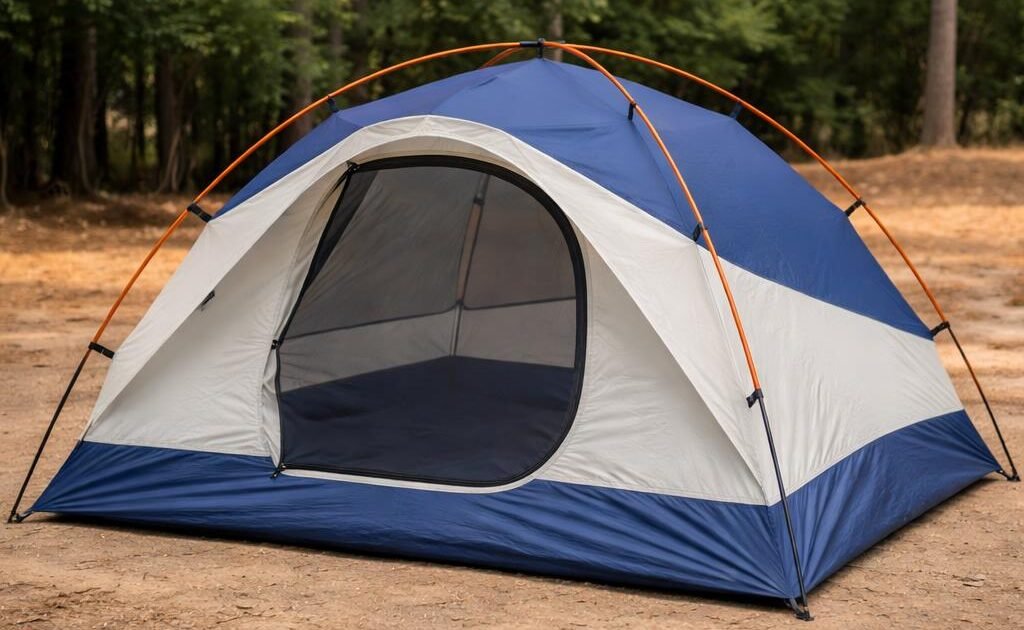
A freestanding tent is characterized by its ability to stand independently without needing stakes to maintain its structural integrity. This is primarily achieved through a robust framework of tent poles that support the tent body and rainfly, creating a self-supporting structure. These types of tents are often double-wall designs, offering excellent ventilation and condensation management.
The inherent stability of a freestanding tent makes it a popular choice for many campers. In real-world camping conditions, freestanding tents are especially convenient when pitching on uneven terrain because the tent can be fully assembled before staking it down.
What is a Non-Freestanding Tent?
Conversely, a non-freestanding tent, often referred to as a trekking pole tent or ultralight shelter, relies on external support for its structure. This typically means using trekking poles, guy lines, and stakes to pitch the tent, as it lacks an inherent framework of tent poles that allows it to stand on its own.
These non-freestanding designs are generally lighter and more compact when packed, appealing to ultralight backpackers who prioritize minimizing gear weight. Many ultralight backpackers prefer non-freestanding shelters because saving even a pound of pack weight can make a noticeable difference during long hiking days.
Comparing Freestanding and Non-Freestanding Tents
The fundamental distinction between freestanding and non-freestanding tents lies in their structural support. Freestanding tents are self-supporting due to their integrated pole system, while non-freestanding tents depend on external anchors like stakes and trekking poles.
This difference profoundly impacts not only the weight and packed size but also the ease of setup, adaptability to various terrains, and overall weather resistance, making the choice between freestanding vs. non-freestanding a critical decision for any outdoor enthusiast.
Quick Verdict: Which Tent Type Is Better?
For most campers and beginner backpackers, freestanding tents are usually the better overall choice because they are easier to set up, more forgiving on difficult terrain, and generally offer better comfort and livability. Their self-supporting design also makes them more convenient in crowded campgrounds, rocky campsites, and changing weather conditions.
However, non-freestanding tents remain the preferred option for experienced ultralight backpackers who prioritize reducing pack weight above everything else. While they require more setup skill and careful campsite selection, the weight savings can be significant on long-distance hiking trips.
Best Choice for Most Backpackers
- Freestanding tents
Best for Ultralight Backpacking
- Non-freestanding tents
Best for Beginners
- Freestanding tents
Best for Saving Weight
- Non-freestanding tents
Setup and Ease of Use
The process of setting up your shelter is a critical consideration for any outdoor enthusiast, directly influencing your comfort and efficiency in the backcountry. Both freestanding and non-freestanding tents present unique challenges and advantages during pitching, which can vary significantly depending on environmental factors and your level of experience.
Understanding these setup nuances is paramount for a smooth and enjoyable camping or backpacking experience, ensuring you can quickly establish a secure and comfortable refuge.
How to Set Up Freestanding Tents
Setting up a freestanding tent is generally straightforward, even for novice campers. The integrated tent pole system typically involves attaching the poles to the tent body, which then lifts and forms the structure. While freestanding tents are usually designed to stand without stakes, a semi-freestanding tent can offer a balance between stability and weight.
Securing the rainfly and vestibules with guy lines and stakes is still recommended for optimal weather protection and stability, especially in windy conditions, ensuring proper ventilation and preventing condensation.
Setting Up Non-Freestanding Tents
Setting up a non-freestanding tent, such as a trekking pole tent, requires a bit more technique and familiarity. This type of tent relies heavily on proper staking and the precise positioning of trekking poles or other external supports to create its form. The process often involves laying out the tent, staking corners, inserting trekking poles to create tension, and then adjusting guy lines.
A secure pitch for a non-freestanding model is crucial for its stability and weather resistance. Beginners often underestimate the learning curve of trekking pole tents, especially when setting up in strong wind or on hard-packed ground where staking becomes difficult.
Real-World Setup Scenarios
Consider a real-world scenario: pitching a tent on a rocky, exposed ridge. A freestanding tent offers a distinct advantage here, as you can fully erect it and then simply move it to the most suitable spot, even if staking is challenging. Conversely, setting up a non-freestanding tent in such conditions can be frustrating, as finding adequate anchor points for stakes is crucial for its stability.
However, for an ultralight backpacker traversing a well-defined trail, the minimal weight of a non-freestanding option becomes highly appealing, especially with the right rain fly. During windy alpine trips, many backpackers find freestanding tents easier to reposition and secure quickly, while non-freestanding shelters reward experienced users who know how to create a tight pitch.
Weight and Packed Size
Freestanding Tent Weight Advantages
When considering a freestanding tent, one might assume a significant weight penalty due to the integrated tent pole system, but modern engineering has yielded lightweight freestanding options that challenge this notion. While traditional freestanding tents are usually heavier than their non-freestanding counterparts, advancements in materials and design mean that many double-wall freestanding tents now offer impressive weight-to-livability ratios.
This makes them a viable option for backpackers who prioritize the convenience and stability of a freestanding tent without sacrificing too much on the ultralight scale, often utilizing robust yet light tent pole materials.
Non-Freestanding Tent Weight Considerations
Non-freestanding tents, particularly ultralight shelters and trekking pole tents, truly excel in the weight department. By eliminating dedicated tent poles and instead relying on trekking poles or external supports, these non-freestanding designs drastically reduce packed weight, making them a favorite among ultralight backpackers.
This minimal carry weight is a significant advantage for long-distance backpacking or fast-and-light adventures where every ounce matters, particularly with ultralight tents. However, this weight saving often comes with the trade-off of requiring careful pitching and proper staking to achieve structural integrity.
Choosing Based on Packed Size
The packed size of a tent is another critical factor, especially for backpackers with limited pack space. Non-freestanding tents, due to their lack of rigid tent poles, generally pack down significantly smaller than freestanding tents. This compact size allows for easier storage within a backpack and can be a game-changer when space is at a premium.
Conversely, while freestanding tents are usually bulkier, some innovative tent design solutions, such as modular pole systems, are continually improving their packed dimensions, though they rarely match the minimal footprint of an ultralight non-freestanding model.
Weather Resistance and Stability
Freestanding Tent Performance in Weather
Freestanding tents offer inherently superior stability and weather protection, largely due to their robust, self-supporting tent pole structure. This intrinsic stability means they perform admirably in adverse weather conditions, providing a reliable shelter even when subjected to strong winds or heavy rainfall.
The ability to pitch a freestanding tent quickly and securely, often without immediate reliance on precise staking, makes them exceptionally resilient. Furthermore, double-wall freestanding tents excel at managing condensation and maintaining a comfortable interior space. In heavy rain and unpredictable weather, many campers appreciate the faster and more forgiving setup process of freestanding tents, especially after long hiking days.
Stability of Non-Freestanding Tents
The stability of non-freestanding tents is entirely dependent on a skilled pitch, proper staking, and taut guy lines. While they can be remarkably stable if set up correctly, their performance in high winds or extreme weather can be compromised if stakes pull out or guy lines loosen.
Non-freestanding backpacking tents, such as trekking pole tents, require careful attention to site selection and anchoring points to ensure maximum stability. This reliance on external anchors means a non-freestanding tent often demands more effort to achieve reliable weather protection.
Using Stakes and Anchors
Regardless of whether you choose a freestanding or non-freestanding tent, the effective use of stakes and anchors is paramount for maximizing stability and weather resistance. While a freestanding tent can stand without stakes, securing the rainfly, vestibules, and guy lines with good quality stakes significantly enhances its performance in wind and rain.
For non-freestanding tents, stakes are absolutely essential for structural integrity, whereas freestanding tents usually allow for more flexibility in setup. Employing various types of stakes and knowing how to properly anchor them, especially in challenging terrain, is a crucial skill for any backpacker to ensure a secure and resilient shelter.
Ventilation and Livability
Ventilation Features in Freestanding Tents
Freestanding tents often excel in ventilation due to their double-wall design, separating the inner tent from the rainfly. This creates an air gap that significantly reduces condensation, a common issue in many shelters. Many freestanding tents feature multiple mesh panels on the tent body and adjustable vents on the rainfly, allowing for customizable airflow.
This superior ventilation helps manage interior humidity, ensuring a more comfortable and less stuffy experience, especially during warmer backpacking adventures or in humid conditions, which is a major advantage for a comfortable night’s sleep. Condensation management becomes especially important during humid summer nights, where double-wall freestanding tents often feel noticeably more comfortable inside.
Interior Space in Non-Freestanding Tents
While generally lighter, non-freestanding tents can sometimes offer surprisingly generous interior space, especially those with clever tent design and strategic trekking pole placement. However, the usable interior space can feel more constrained compared to a freestanding tent due to the sloping walls inherent in many non-freestanding designs, particularly single-wall options.
Proper pitching and taut guy lines are crucial not only for stability but also for maximizing the available interior space and preventing the tent body from sagging, ensuring a more comfortable experience within an ultralight shelter.
Choosing for Comfort and Livability
When prioritizing comfort and livability, the choice between a freestanding and non-freestanding tent often comes down to individual preferences and expected conditions. A freestanding tent, particularly a double-wall freestanding tent, typically offers better ventilation, less condensation, and more consistent usable interior space, making it a strong contender for those who value comfort over minimal weight.
However, advancements in non-freestanding tent design, including some larger trekking pole tent models, are continuously improving livability, offering ultralight options that balance weight savings with a respectable amount of interior room and effective ventilation features.
Pros and Cons of Each Tent Type
Advantages of Freestanding Tents
The advantages of a freestanding tent are numerous, particularly for those who value ease of use and versatility, but double-wall tents can provide additional weather protection. Freestanding tents are usually simpler to set up, requiring less precise site selection as they can be pitched and then moved, unlike double-wall tents that may need more careful placement.
Their inherent stability, provided by the tent pole system, makes them reliable in adverse weather, offering superior weather protection compared to single wall options. Many freestanding tents are also double-wall designs, which inherently provide better ventilation and minimize condensation, enhancing overall comfort for the backpacker.
Disadvantages of Freestanding Tents
Despite their many benefits, freestanding tents do come with some drawbacks. They are generally heavier and have a larger packed size compared to non-freestanding tents, while freestanding tents also offer the advantage of easy setup., which can be a significant consideration for ultralight backpackers.
The integrated tent pole system adds to both weight and bulk, which is a key consideration for those choosing ultralight tents. While a freestanding tent offers great stability, the presence of more components means there’s a greater potential for parts to break or get lost, requiring careful handling and maintenance, making them less appealing to the most minimalist adventurer.
Pros and Cons of Non-Freestanding Tents
Non-freestanding tents, including ultralight shelters and trekking pole tents, shine in their minimal weight and compact packed size, making them ideal for long-distance backpacking. They often require less material, contributing to their ultralight nature.
However, their main disadvantage lies in their setup complexity; they need to be staked out precisely and rely on trekking poles or other external supports for structural integrity. This means their stability and weather protection are heavily dependent on a proper pitch, and they can be challenging to set up on rocky or frozen ground where staking is difficult.
Recommendations Based on Camping Scenarios
Best Uses for Freestanding Tents
Freestanding tents truly excel in scenarios where convenience, adaptability, and robust weather protection are paramount. They are the ideal type of tent for car camping, family camping, or any situation where a few extra pounds won’t significantly impact your backpacking adventure.
Their ability to stand without stakes makes them perfect for rocky terrain, sandy beaches, or even setting up on a wooden platform. For beginners, a freestanding tent offers a more forgiving setup experience, providing reliable shelter and ventilation even with minimal practice, and their double-wall design helps manage condensation.
Ideal Situations for Non-Freestanding Tents
Non-freestanding tents, including ultralight shelters and trekking pole tents, are the go-to choice for dedicated ultralight backpackers, thru-hikers, and anyone prioritizing minimal weight and packed size, including those who prefer semi-freestanding tents.
These non-freestanding designs shine on long-distance backpacking trips where every ounce counts and quick, efficient packing is essential. When traversing well-maintained trails or areas with abundant stake-out points, a non-freestanding model offers an unmatched weight advantage and excellent weather protection when properly pitched, allowing for fast-and-light travel and reducing trail fatigue.
Best Tent Examples
Popular Freestanding Tent Examples
Some of the most popular freestanding backpacking tents include:


Big Agnes Copper Spur HV UL
A favorite among backpackers for its roomy interior, easy setup, and excellent balance between comfort and weight.
NEMO Hornet OSMO
A lightweight freestanding tent designed for backpackers who want to reduce pack weight without sacrificing convenience.
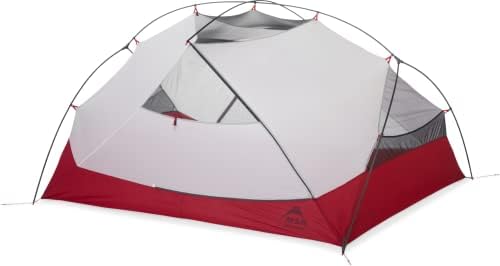
MSR Hubba Hubba
Known for strong weather protection, durability, and reliable all-around backpacking performance.
REI Half Dome SL
A beginner-friendly freestanding tent that offers generous interior space and solid comfort for weekend camping trips.
Freestanding tents like these are especially popular with campers who prioritize comfort, versatility, and easier setup in changing weather conditions.
Popular Non-Freestanding Tent Examples
Several ultralight backpacking shelters use non-freestanding designs to minimize weight and packed size.
Durston X-Mid
Widely praised for its spacious interior, smart design, and excellent balance between weight savings and livability.
Zpacks Duplex
One of the most popular ultralight trekking pole tents for thru-hikers focused on minimizing pack weight.
Gossamer Gear The One
An ultralight shelter designed for solo backpackers who prioritize efficiency on long-distance trails.
Tarptent ProTrail
A lightweight non-freestanding shelter that offers impressive weather protection with minimal packed weight.
Non-freestanding tents are typically favored by experienced ultralight backpackers who are comfortable with more technical setup methods and careful campsite selection.
Who Should Choose Which Tent?
The decision of who should choose which type of tent ultimately hinges on individual priorities and the nature of their backpacking adventures, especially when considering options like the Big Agnes Copper Spur. A freestanding tent is best for those who prioritize ease of setup, versatility across diverse terrains, and superior livability, including robust ventilation and less condensation, without being overly concerned about marginal weight savings.
Conversely, an ultralight backpacker or anyone embarking on demanding, long-distance treks will heavily favor a non-freestanding tent, leveraging its minimal weight and packed size to optimize their load, even if it demands a more technical setup process and careful selection of pitching sites. For most beginner backpackers, a freestanding tent is usually the safer and less frustrating choice. More experienced ultralight hikers, however, often accept the extra setup complexity of non-freestanding shelters in exchange for major weight savings.
Common Mistakes When Choosing a Tent
Many backpackers focus too heavily on tent weight while ignoring comfort, ease of setup, and campsite conditions. One of the most common mistakes beginners make is choosing a non-freestanding tent purely for ultralight weight savings without considering the extra setup complexity.
Other common mistakes include:
- Ignoring campsite terrain
- Underestimating wind exposure
- Choosing the lightest option instead of the most practical
- Forgetting the importance of interior livability
- Not practicing setup before a trip
In real-world backpacking conditions, the “best” tent is often the one that balances weight, weather protection, and ease of use for your specific camping style.
Quick Summary and Buying Advice
Quick Comparison Table
The choice between freestanding and non-freestanding tents largely depends on your priorities: comfort and ease, or minimal weight. Here’s a quick summary of their key differentiators:
| Tent Type | Key Features | Considerations |
|---|---|---|
| Freestanding | Easier setup, superior stability without stakes, better ventilation (double-wall construction). | Increased weight, larger packed size. |
| Non-Freestanding (e.g., trekking pole tents) | Ultralight, highly compact, ideal for minimalist backpacking. | More involved setup process, demands precise staking, and relies on guy lines for stability and weather protection, especially in adverse conditions with a rain fly. |
Budget Considerations
Budget often plays a significant role in choosing between a freestanding and non-freestanding tent. Generally, ultralight non-freestanding tents can sometimes be more affordable, but they may lack the waterproof features of some freestanding tents. This is often due to:
- Fewer integrated components, such as dedicated tent poles.
- Their common single-wall design, which typically requires trekking poles for support.
However, high-end ultralight shelters from premium brands can be quite expensive. Freestanding tents, while offering more features and often double-wall construction, also span a wide price range. It’s crucial to balance cost with desired features such as weather protection, interior space, and durability, ensuring your chosen tent model fits your backpacking needs without breaking the bank. One thing many backpackers realize after switching to a non-freestanding tent is that campsite selection becomes much more important than with a freestanding design.
FAQs About Freestanding vs non-Freestanding tents
Are freestanding tents worth it for backpacking?
Yes, freestanding tents are worth it for many backpackers because they are easier to set up, more versatile on difficult terrain, and generally offer better comfort and livability. While they are usually slightly heavier, many campers find the convenience worth the extra weight.
Are non-freestanding tents lighter?
In most cases, yes. Non-freestanding tents eliminate dedicated tent poles and instead use trekking poles or external supports, which helps reduce overall packed weight. This makes them popular among ultralight backpackers and thru-hikers.
Which tent type is better for beginners?
Freestanding tents are typically better for beginners because they are easier to pitch and more forgiving in poor campsite conditions. Non-freestanding shelters often require more practice, proper staking, and careful setup techniques.
Can you use a non-freestanding tent without trekking poles?
Some non-freestanding tents can be pitched using optional support poles instead of trekking poles. However, many ultralight shelters are specifically designed around trekking pole setups to reduce weight and packed size.
Are freestanding tents better in bad weather?
Freestanding tents generally perform better in changing weather because they are easier to pitch quickly and provide reliable structural support. Double-wall freestanding tents also tend to manage condensation more effectively during rain and humidity.
Do non-freestanding tents require stakes?
Yes, non-freestanding tents rely heavily on stakes and guy lines for structural integrity. Without proper staking, the shelter usually cannot maintain its shape or weather resistance.
What is the main disadvantage of a freestanding tent?
The biggest disadvantage of a freestanding tent is usually the extra weight and larger packed size caused by the dedicated pole system. For ultralight backpackers, this added weight can become noticeable on long-distance trips.
What is the main disadvantage of a non-freestanding tent?
The biggest drawback of non-freestanding tents is the more technical setup process. They require proper tension, careful staking, and better campsite selection to achieve maximum stability and weather protection.
Which tent type is better for rocky terrain?
Freestanding tents are usually better for rocky terrain because they can stand on their own before being staked down. This makes setup much easier when traditional stake placement is difficult.
Are trekking pole tents worth it?
For experienced ultralight backpackers, trekking pole tents can be extremely worthwhile because they reduce pack weight and packed size significantly. However, beginners may prefer the simplicity and convenience of a traditional freestanding tent.
| Tent Type | Stability |
|---|---|
| Non-freestanding tents | Stability is entirely pitch-dependent; a properly staked model can withstand considerable weather. |
Final Verdict: Freestanding vs non-Freestanding
Choosing between a freestanding and non-freestanding tent ultimately comes down to your backpacking style, comfort preferences, and how much importance you place on reducing pack weight. While ultralight non-freestanding shelters can deliver impressive weight savings for experienced hikers, they also require more setup skill, better campsite selection, and a greater tolerance for compromise in difficult conditions.
For most campers and beginner backpackers, freestanding tents remain the better all-around choice. They are easier to pitch, more forgiving on uneven terrain, and generally provide better comfort, ventilation, and livability during real-world camping trips. After long hiking days, many backpackers appreciate the simplicity and reliability of a tent that can be set up quickly in changing weather conditions.
That said, non-freestanding tents still have a major advantage for ultralight backpackers focused on minimizing every ounce of trail weight. Once mastered, trekking pole shelters can be incredibly efficient for long-distance hiking and fast-and-light adventures.
In the end, the best backpacking tent isn’t simply the lightest or most expensive option it’s the one that matches the way you actually camp. By understanding the trade-offs between freestanding and non-freestanding tents, you’ll be able to choose a shelter that improves comfort, confidence, and performance on every outdoor adventure.