
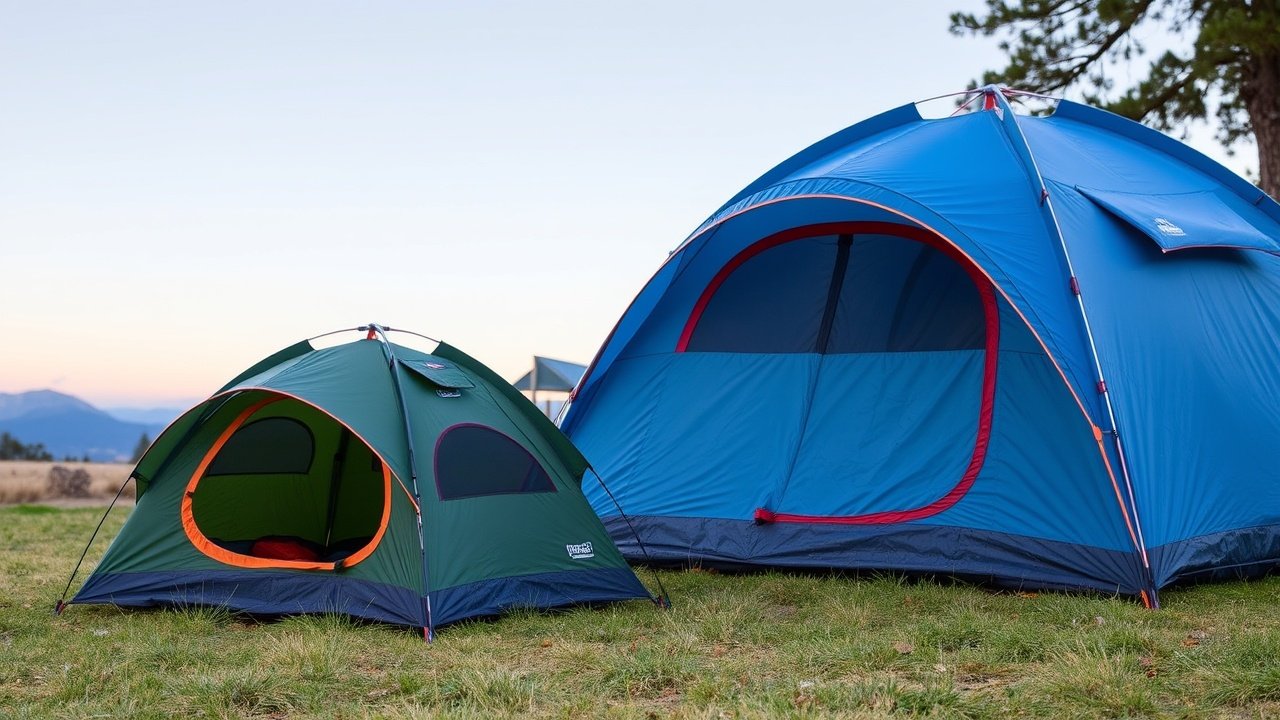
Backpacking tents and camping tents differ mainly in weight, size, and purpose. Backpacking tents are lightweight and designed for portability, making them ideal for hiking and long-distance travel. Camping tents, on the other hand, are larger, heavier, and built for comfort, making them better suited for car camping and family trips.
Confused about which one you actually need? You’re not alone. Many beginners choose the wrong tent and only realize it when they’re either carrying too much weight on the trail or struggling with limited space at the campsite.
In this guide, you’ll learn the key differences between backpacking vs camping tents, how to choose the right size, and which option makes the most sense for your trip. By the end, you’ll know exactly what to buy without second-guessing.
Understanding Tents
A tent serves as a fundamental piece of essential gear for anyone exploring the outdoors, offering shelter from the elements and a secure space for rest. Modern tents have evolved significantly, presenting a diverse array of designs and functionalities tailored to various outdoor pursuits.
For any camper or hiker, selecting the best tent involves careful consideration of numerous factors, including size, weight, durability, and ease of setup. The right tent can transform a challenging outdoor experience into a truly memorable one, providing a safe haven against rain and wind, and a comfortable spot to store gear and unwind after a long day on the trail.
What to Know about Camping Tent Shapes and Types
The market is replete with a wide array of tent types, each designed to cater to specific needs and environments. Dome tents, for instance, are popular for their stability and freestanding design, making them a versatile choice for many camping trips. Cabin tents, conversely, prioritize vertical space and offer a more spacious interior, often preferred by families or groups seeking comfort at a fixed campsite.
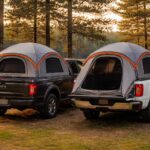
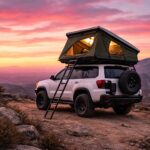
Tunnel tents provide excellent internal volume and good wind resistance, making them suitable for longer stays. Beyond these common designs, specialized options like pyramid tents and rooftop tents also exist, each offering unique advantages depending on the nature of your outdoor adventures and the specific requirements of your gear.
Backpacking vs Camping Tents (Top Picks)
The fundamental distinction between a camping tent and a backpacking tent lies in their intended use and design philosophy. These key differences profoundly influence material choices, pole design, and overall tent size, especially when comparing camping vs backpacking.
| Feature | Backpacking Tent | Camping Tent |
|---|---|---|
| Weight | Lightweight (1–3 kg) | Heavy (5–15+ kg) |
| Packability | Compact, fits in backpack | Bulky, needs car transport |
| Setup Time | Quick and simple | Can take longer |
| Interior Space | Limited, snug fit | Spacious with standing room |
| Capacity | 1–3 people | 4–10+ people |
| Best Use | Hiking, trekking, long trips | Car camping, family trips |
| Durability | Lightweight but less rugged | Strong and durable materials |
| Weather Resistance | Good (3-season common) | Very good, more stable |
| Comfort Level | Basic | High comfort (room for mattress/cot) |
| Price Range | Medium to high | Budget to premium |
| Ventilation | Moderate | Better airflow due to size |
| Storage Space | Minimal vestibule space | Large gear storage areas |
Backpacking tents are best if you prioritize lightweight travel and mobility, while camping tents are ideal for comfort and space during family or car camping trips.
Now that you understand the difference between backpacking and camping tents, the next step is choosing the right one for your trip. Check out the top-rated options below to find a tent that fits your needs and budget.
Best Backpacking Tents


Best Camping Tents


| Tent Type | Key Characteristics | Intended Use Examples |
|---|---|---|
| Camping Tent | Prioritizes spaciousness, comfort, and robust durability. Typically larger, designed for more campers and gear. | Family of four, longer stays at a fixed campsite, car camping. |
| Backpacking Tent | Engineered with packability and weight savings as primary objectives. Designed to be carried over long distances. | Long-distance backpacking trips, such as along the Appalachian Trail. |
Key Features of a Tent
When evaluating any tent, several key features demand careful consideration to ensure it meets the specific needs of your outdoor adventures. Seasonality is a crucial factor, as tents are often rated for 3-season or 4-season use, indicating their ability to withstand varying weather conditions like rain and wind.
Durability is paramount, often influenced by the quality of materials used for the tent body, footprint, and poles, which should be sturdy enough to endure rugged backcountry conditions. Packability and weight are especially critical for a backpacking tent, where every ounce counts for the hiker. Other important features include the ease of setup, the design of vestibules for gear storage, ventilation systems to prevent condensation, and waterproof ratings to keep the interior dry.
Backpacking vs Camping
What is Backpacking?
Backpacking is an outdoor adventure that involves carrying all essential gear, including a tent, food, and clothing, in a backpack over long distances, often traversing rugged terrain. Unlike traditional camping, the focus of backpacking is on the journey itself, exploring the outdoors and experiencing the wilderness in a more immersive way.
A backpacker typically seeks solitude and the challenge of navigating backcountry trails, such as those found on the Appalachian Trail or the Pacific Coast Trail. The gear, especially the backpacking tent, must be lightweight and compact to facilitate ease of transport, making ultralight backpacking a popular pursuit among outdoor enthusiasts who prioritize packability and efficiency on the hiking trail.
What is Camping?
Camping, in its broader sense, typically refers to setting up a temporary outdoor dwelling, often a camping tent, at a designated campsite. This activity frequently involves car camping, where vehicles can transport larger tents and more extensive outdoor gear, allowing for greater comfort and convenience.
Camping trips often prioritize comfort and accessibility, making them suitable for a family of four or groups seeking a more relaxed outdoor experience. Camping tents offer spacious interiors, often allowing for amenities like a mattress or cot, and ample gear storage. While still connecting with nature, camping generally involves less strenuous physical activity compared to backpacking, focusing more on relaxation and enjoying the immediate surroundings of the campsite.
Backpacking vs Camping: Similarities and Differences
While both backpacking and camping involve spending time outdoors and utilizing a tent for shelter, the key differences lie in their fundamental approach and requirements, particularly regarding living space and weight. Both outdoor adventures necessitate choosing the right tent to withstand rain and wind, ensuring a waterproof and sturdy shelter.
| Feature | Backpacking Tent | Camping Tent |
|---|---|---|
| Priorities in camping vs backpacking often determine the type of gear needed for an outdoor adventure. | Packability and minimal weight (ultralight) are essential considerations for backpacking, while living space might take precedence for camping. | Durability, comfort, extra space |
| Typical Size | Smaller (e.g., 2-person) | Larger (designed for multiple campers and extensive gear storage) |
| Design Focus | Streamlined for efficiency on hiking trails | More room, often less emphasis on lightweight gear |
Choosing the Right Tent Size
Importance of Tent Size
The importance of tent size cannot be overstated, as it directly impacts the comfort, functionality, and overall success of your outdoor adventures. Selecting the appropriate tent size is crucial for ensuring adequate sleeping space for all campers, sufficient room to store gear, and a comfortable environment, especially during prolonged stays or inclement weather.
An undersized tent can lead to cramped conditions and discomfort, while an oversized tent, particularly for backpacking, can add unnecessary weight and bulk, detracting from the packability essential for a long backpacking trip. Therefore, understanding how to choose the right tent size is a foundational step in preparing for any camping or backpacking expedition, guaranteeing a more enjoyable and practical experience whether you’re car camping or embarking on an ultralight backpacking trek.
2-Person Tents: A Closer Look
Best 2-Person Tents for Backpacking & Camping

- [fly
- Imported
- FULLY REDESIGNED – The Copper Spur HV UL series just got better, complete with our award-winning mtnGLO Tent Light Techn…

- 68D Polyester
- Imported
- FULLY FEATURED CAMPING SHELTER: The reliable backpacking companion Grand Mesa tent is now even grander – simple setup (e…
A 2-person tent often represents a versatile option, balancing packability with sufficient space for many outdoor enthusiasts. While nominally designed for two campers, it’s important to consider that a 2-person tent may offer varying degrees of actual interior space, emphasizing the need for careful selection in camping vs backpacking.
For ultralight backpacking, a minimalist 2-person tent might be ideal, prioritizing weight savings and packability, making it easy for a hiker to carry along the Appalachian Trail. However, for those prioritizing comfort on a less strenuous backpacking trip or even for solo car camping, a more generously sized 2-person tent with ample vestibule space for gear storage might be preferable.
Factors like the design of the tent, its poles, and overall footprint contribute to its perceived spaciousness and suitability for different backpacking and camping scenarios, allowing for a comfortable sleeping bag and even a sleeping pad.
If you’re unsure where to start, a 2-person tent is one of the most versatile options for both beginners and experienced campers. Take a look at some of the best-rated 2-person tents to find a reliable option for your next trip.
Determining Tent Size for Your Needs
Determining the optimal tent size for your specific needs requires a careful evaluation of several factors, including the number of campers, the amount of gear storage required, and the nature of your outdoor adventures. For car camping with a family of four, larger tents that prioritize comfort and extra space, potentially accommodating a mattress or cot, would be ideal.
These camping tents offer generous interior volume and often feature extra features like multiple doors and robust durability, catering to larger models for families. Conversely, for a solo hiker embarking on an ultralight backpacking trip, a compact 1-person or a minimalist 2-person backpacking tent would be more appropriate, emphasizing packability and minimal weight.
Considering seasonality, potential rain and wind, and the time to set up the tent at various campsites will also influence your choice, ensuring you choose the right tent that is sturdy and waterproof for all conditions.
Factors to Consider in Tent Selection
Durability and Weather Resistance: Shelter from the Elements
The durability and material of a tent are paramount considerations for any outdoor enthusiast, directly impacting its longevity and performance in various outdoor adventures. The quality of the tent poles, typically made from aluminum or fiberglass, also plays a crucial role in the overall sturdiness and ability of the tent to withstand rain and wind, which is especially important for camping vs backpacking scenarios.
| Tent Type | Material Considerations |
|---|---|
| Ultralight Backpacking Tent | Ripstop nylon with a high denier count (balance of strength and minimal weight). |
| Camping Tent (Car Camping) often includes larger models that provide ample living space for families or groups. | Heavier, more robust materials (prioritizing durability and extra space over packability). |
weatherproof product recommendations

- Easy Two-Person Tent Setup & Weatherproof: Free-standing 2-pole aluminum design for quick setup of this 2 person tent (B…
- Spacious 2-Person Design with Dual Entry & Vestibules: Comfortable camping for two with two doors and two vestibules (20…
- Optimal Ventilation for Comfortable Camping: Half mesh walls maximize airflow and rainfly vents promote circulation, ens…
- 100% Polyester
- Imported
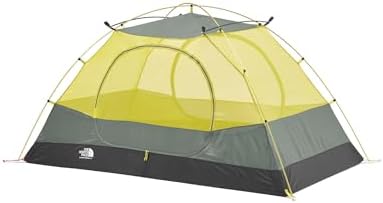
- QUICK PITCH: The Stormbreak 2 is our classic two-person tent, designed for easy setup and comfort. With two large doors …
Weight and Packability
Weight and packability are critical factors, especially when considering a backpacking tent for a strenuous backpacking trip on trails like the Appalachian Trail or the Pacific Coast Trail. An ultralight backpacking tent is meticulously designed to minimize every ounce, often utilizing advanced materials and streamlined designs to achieve optimal packability.
This allows the hiker to comfortably carry their essential gear over long distances. In contrast, for car camping, where the vehicle transports the camping tent, weight and packability are less of a concern. Larger tents, often designed for a family of four, can prioritize spaciousness and comfort, offering more room for a mattress, cot, and extensive gear storage, without the need for the rigorous weight savings demanded by backpacking.
Seasonality and Weather Considerations
Seasonality and weather considerations are vital in choosing the right tentAs they dictate the level of protection your tent must offer against the elements during your outdoor adventures, especially in camping vs backpacking contexts. A 3-season tent is generally suitable for spring, summer, and fall camping trips, providing adequate ventilation and protection from moderate rain and wind.
However, for colder climates or winter backpacking, a 4-season tent is essential, designed with stronger poles and thicker fabrics to withstand heavy snowfall and strong winds, ensuring a safe and sturdy shelter. Understanding the typical weather conditions of your intended campsites, whether for a backpacking trip or car camping, helps an outdoor enthusiast choose a waterproof tent that will keep them dry and comfortable, preventing condensation and enhancing the overall camping and backpacking experience.
Finding the Best Tent for Your Adventure
Ricky Thorne Top Recommendations for Backpacking Tents

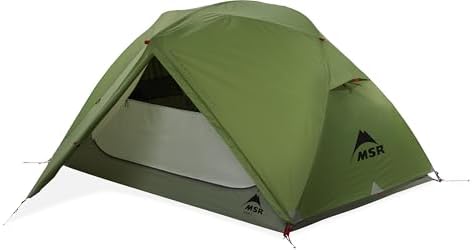
These are some of the most popular tents trusted by outdoor enthusiasts. Compare features, check current prices, and choose the one that matches your camping style.
For the dedicated backpacker seeking an ultralight backpacking tent, top recommendations often prioritize a balance of minimal weight, packability, and robust durability. Brands like REI often feature highly-rated 2-person tents that are ideal for a solo hiker or a pair, providing enough space for sleeping bags and a sleeping pad while being light enough for long distances on the hiking trail.
These backpacking tents are engineered with advanced materials and sturdy poles to withstand backcountry conditions, ensuring they are waterproof and reliable against rain and wind. Key features to look for include ample vestibule space for gear storage, efficient ventilation, and a quick time to set up, making these essential gear for any serious backpacking trip on trails such as the Appalachian Trail or the Pacific Coast Trail.
Best Camping Tents for Family Outings
👉 Add family tent recommendations

- Spacious 6-Person Family Tent: Comfortably fits two queen-size airbeds with extra room for gear—ideal for family camping…
- Screened-In Porch for Bug-Free Relaxation: Enjoy the outdoors without the insects—screened room offers a comfortable, pr…
- WeatherTec System Keeps You Dry: Patented welded corners, inverted seams, and a waterproof floor help prevent water from…

- 10 PERSON TENT – This large tent allows you to enjoy nature in comfort, with smart features like a zippered room divider…
- SPACIOUS STYLE – Bring the whole family on your next outdoor excursion with this cabin tent, which features space for up…
- EASY SET UP – This pop up tent is easy to set up, with all the necessary tent poles and instructions for assembly includ…
When it comes to finding the best camping tents for family outings, the emphasis shifts dramatically towards spaciousness, comfort, and extra features that enhance the car camping experience. Larger tents, often designed to accommodate a family of four or more campers, provide ample interior space for multiple sleeping bags, sleeping pads, and even a mattress or cot, ensuring everyone has room to relax.
Camping tents offer generous gear storage options, often with multiple doors and room dividers for privacy. Durability is still important, ensuring the tent is sturdy enough to withstand various weather conditions at the campsite, but the packability concerns of an ultralight backpacking tent are largely absent, allowing these tents to prioritize comfort and convenience for a more relaxed outdoor adventure.
Budget-Friendly Options
Exploring budget-friendly options in the tent market allows more outdoor enthusiasts to enjoy backpacking and camping without significant financial outlay. While these tents may not always boast the ultralight materials or cutting-edge designs of premium models, many offer surprising durability and functionality, making them a great starting point for new campers or those on a tight budget. For both backpacking and camping, it’s possible to find sturdy, waterproof tents that provide adequate protection from rain and wind.
When choosing a budget tent, it’s crucial to still prioritize essential features like ease of setup, sufficient interior space for sleeping bags, and reasonable packability. Brands often offer entry-level 2-person tents or larger camping tents that deliver good value, allowing you to embark on outdoor adventures without breaking the bank.
Choosing the right tent comes down to how you plan to camp. If you value lightweight travel, go with a backpacking tent. If comfort and space matter more, a camping tent is the better choice. Explore the recommended tents above and pick the one that fits your next adventure.
FAQ
1. What is the difference between a backpacking tent and a camping tent?
Backpacking tents are lighter and compact, while camping tents are larger and heavier.
2. Which tent is better for hiking trips?
A backpacking tent is better because it is easier to carry.
3. Are camping tents more comfortable than backpacking tents?
Yes, camping tents usually offer more space and headroom.
4. How heavy is a backpacking tent?
Most weigh between 1–3 kg depending on size and design.
5. What size backpacking tent should I choose?
Choose based on the number of sleepers and gear space needed.
6. Can you use a camping tent for backpacking?
Yes, but it may be too heavy for long hikes.
7. Are backpacking tents waterproof?
Yes, most quality models are built for weather protection.
8. What size camping tent is best for families?
A 4 to 6 person tent is ideal for most families.
9. Why are backpacking tents more expensive?
They use lighter, stronger materials to reduce weight.
10. Which is better overall: backpacking or camping tent?
Choose backpacking tents for mobility and camping tents for comfort.
1 thought on “Backpacking vs Camping Tents: Which Do You Need?”