Is camping alone safe? It’s one of the first questions many outdoor enthusiasts ask before planning their first solo adventure. Standing alone at a remote campsite, miles from the nearest town, can feel both exciting and intimidating. Concerns about wildlife, getting lost, unexpected weather, strange noises at night, or simply being alone in the wilderness are completely normal. The good news is that solo camping is generally very safe when you prepare properly, choose the right campsite, and follow a few essential safety practices.
Over the years, I’ve researched solo camping safety extensively and studied the experiences of countless solo campers, from first-time adventurers to seasoned backcountry travelers. One common theme appears again and again: preparation is what separates a stressful trip from a memorable and rewarding outdoor experience. Most camping emergencies can be prevented by planning ahead, carrying the right gear, and knowing how to respond to unexpected situations.
Whether you’re considering your first solo camping trip, a weekend getaway at a campground, or a more remote wilderness adventure, this guide will walk you through everything you need to know to stay safe and camp with confidence. From choosing a secure campsite and handling wildlife encounters to emergency communication and personal safety tips, you’ll learn practical strategies that help you enjoy the freedom, peace, and personal growth that make solo camping so rewarding.
Who This Guide Is For
This guide is designed for first-time solo campers, solo female travelers, weekend campers, car campers, and outdoor enthusiasts who want practical, safety-focused advice before heading out alone. Whether you’re planning a night at a local campground or a longer wilderness adventure, the recommendations in this guide focus on preparation, risk reduction, and responsible outdoor travel.
Quick Answer: Is Camping Alone Safe?
Yes, camping alone is generally safe when you prepare properly and follow basic outdoor safety practices. Choosing a secure campsite, sharing your itinerary with a trusted contact, carrying emergency communication devices, storing food correctly, and being prepared for weather changes can significantly reduce risks. While solo camping comes with challenges such as wildlife encounters, isolation, and unexpected emergencies, most solo campers enjoy safe and rewarding trips by planning ahead and staying aware of their surroundings.
My Experience With Solo Camping
While researching and writing about camping, I’ve spent countless hours studying solo camping safety practices, gear recommendations, and real-world experiences shared by experienced campers. One lesson consistently stands out: most fears about camping alone become much easier to manage once you have a solid plan in place.
When many people think about solo camping, they worry most about wildlife, strange noises at night, or getting lost. In reality, experienced solo campers often report that preparation, campsite selection, and situational awareness have a much greater impact on safety than the fears that typically concern beginners. Understanding these risks and preparing for them ahead of time can make solo camping both safe and incredibly rewarding.
Understanding Solo Camping Safety
When considering whether it’s safe to camp alone, it’s crucial to acknowledge that safety is a multifaceted concept encompassing both physical preparedness and psychological resilience. For any solo traveler embarking on a solo camping trip, establishing a robust framework for solo camping safety begins with understanding potential risks and proactively mitigating them.
This involves not only meticulous pre-trip planning and essential gear acquisition but also developing a mindset that fosters peace of mind throughout your solo journey, allowing you to truly immerse yourself in the experience of tent camping or car camping.
Addressing the Fear of the Dark
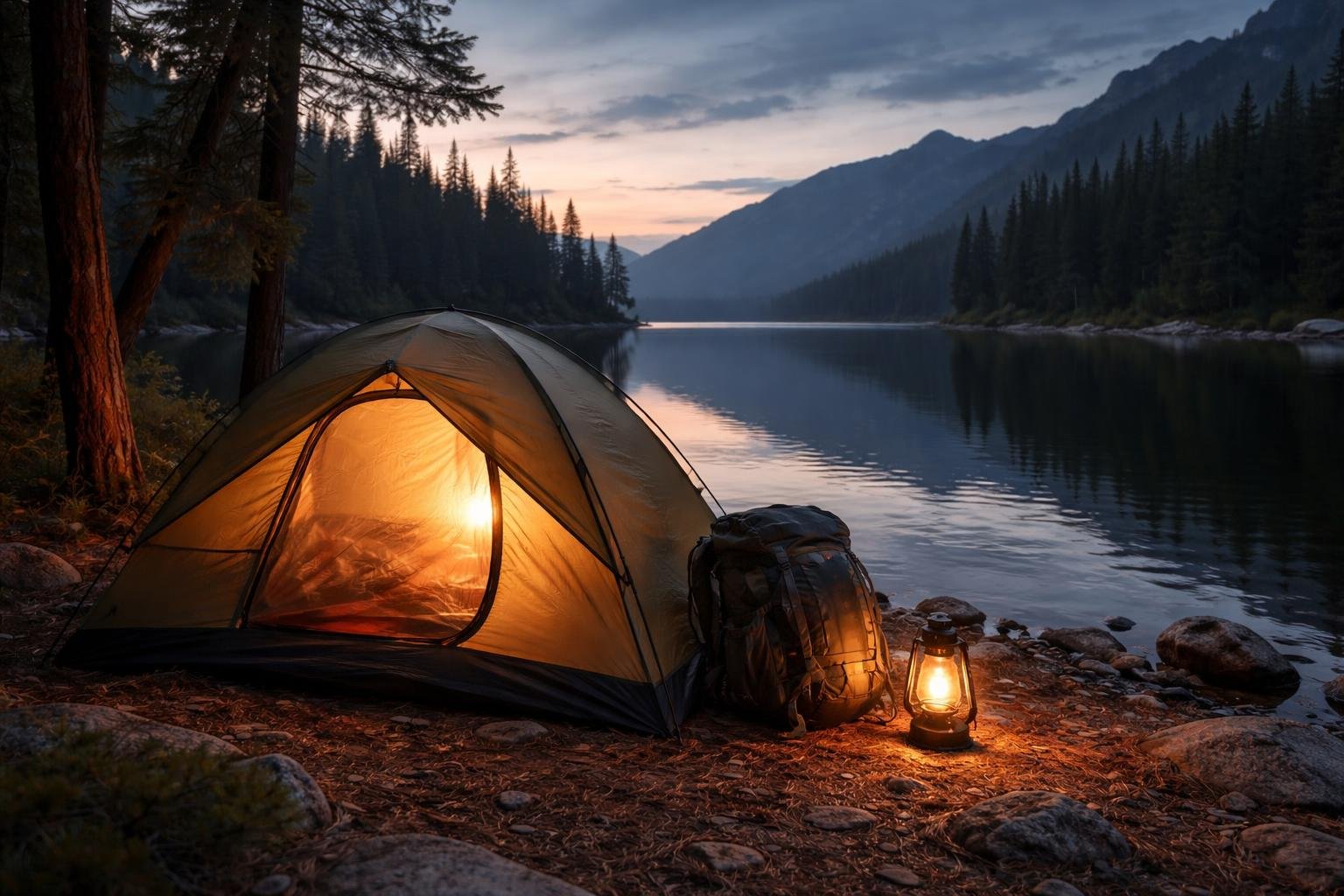
The fear of the dark is a primal concern that many a solo camper may encounter, especially during a first solo camping trip. To stay safe and cultivate peace of mind, it’s essential to equip your campsite with reliable lighting solutions. This includes a powerful headlamp with fresh batteries, a sturdy lantern for ambient light within your tent camping area, and perhaps even a small solar-powered string of lights to delineate your immediate surroundings. Strategic placement of these light sources can significantly enhance your feeling of security, making your camping area feel more familiar and less imposing after dusk, which are crucial tips for solo camping.
Wildlife Concerns: Staying Safe When Camping Alone
Wildlife encounters are a primary concern for those wondering how to stay safe when camping alone, particularly in wild camping scenarios. To ensure your solo camping trip remains safe, diligent food storage is paramount; always use bear-resistant containers or hang food from a tree, well away from your tent. Researching the local wildlife for your specific camping area before you go solo camping is another of the vital safety tips, allowing you to understand potential threats and appropriate deterrents.
Carrying bear spray or a loud air horn can provide an additional layer of protection and peace of mind should you encounter any curious critters during your solo camping adventure.
Overcoming Isolation: Psychological Strategies for Solo Campers
Overcoming the psychological challenges of isolation is a key aspect of solo camping safety, particularly for women camping alone or anyone on their first solo trip. While the solitude of a solo camping adventure can be therapeutic, prolonged isolation can sometimes lead to anxiety.
Maintaining regular, pre-planned check-ins with a trusted contact using a satellite communication device or fully charged cell phone (if service is available) is a crucial tip for solo camping. Additionally, engaging in mindful activities such as journaling, reading, or simply observing nature can foster a sense of connection and peace, helping the solo camper to feel safe and secure.
Pre-Trip Planning for a Safe Solo Adventure
Thorough pre-trip planning is the cornerstone of a successful and safe solo camping trip. For any solo camper, particularly those embarking on their first solo trip or women camping alone, meticulous preparation can alleviate many anxieties and significantly enhance peace of mind.
This phase involves more than just packing; it requires in-depth research into your chosen campsite, understanding potential environmental challenges, and assembling a comprehensive arsenal of gear and information. Taking the time to plan diligently ensures that you are well-equipped to handle unforeseen circumstances, making your solo camping adventure genuinely enjoyable and allowing you to feel safe and confident throughout your journey.
Choosing the Right Campsite: Key Considerations
Selecting an appropriate campsite is a critical step for anyone planning to solo camp, as it directly impacts your solo camping safety. When you go camping alone, Prioritize well-maintained and established campgrounds, especially for your first time camping solo., as these often have better infrastructure and may offer a sense of community.
Research the specific camping area for known hazards, such as aggressive wildlife or flash flood zones. Consider the proximity to emergency services and ensure cell phone reception is available, or plan alternative communication methods. A good campsite allows you to pitch your tent camping setup on level ground, away from potential falling branches, contributing significantly to your peace of mind and overall safety when camping alone.
Expert Tip
If this is your first solo camping trip, choose a developed campground rather than a remote backcountry location. Established campgrounds typically offer better access to other campers, campground hosts, emergency assistance, and cell service, allowing you to build confidence and outdoor skills in a lower-risk environment.
Essential Gear Checklist for Solo Campers
An exhaustive gear checklist is non-negotiable for a solo camper aiming to stay safe on a solo camping trip. Beyond the basic tent, sleeping bag, and a reliable camping stove, crucial items include a comprehensive first-aid kit, a multi-tool, and a map and compass even if you rely on GPS.
Pack sufficient layers of clothing to adapt to changing weather conditions, and ensure you have more than enough food and water for the duration of your solo trip, plus an extra day’s supply. For women camping alone, a personal safety alarm or self-defense item can provide an added layer of peace of mind, ensuring you feel safe throughout your solo camping adventure.
Communication Devices for Emergencies Alone
Effective communication devices are paramount for any solo camper, providing a vital link to the outside world in case of an emergency while you camp alone. A fully charged cell phone is a given, but its reliability in remote areas can be limited. Therefore, a satellite communication device, such as a satellite messenger or a personal locator beacon (PLB), is an indispensable item for your solo camping adventure, particularly for wild camping.
These devices allow you to send SOS signals and messages even when out of cell service range, providing critical peace of mind for both you and your emergency contacts. Always inform a trusted contact of your itinerary, expected return, and the communication devices you are carrying, ensuring that if you do not check in, help can be dispatched, keeping you safe.
Expert Tip
Always arrive at your campsite with at least two hours of daylight remaining. This gives you enough time to inspect the area, identify potential hazards, set up your shelter properly, locate water sources, and become familiar with your surroundings before nightfall. Arriving early is one of the simplest ways to improve solo camping safety and reduce stress.
Solo Camping Safety Checklist
Before leaving for your trip, make sure you:
✔ Share your itinerary with a trusted friend or family member
✔ Check weather forecasts and local alerts
✔ Pack a complete first aid kit
✔ Carry a reliable light source and extra batteries
✔ Bring sufficient food and water supplies
✔ Test communication devices before departure
✔ Download offline maps or carry paper maps
✔ Research local wildlife and campground regulations
✔ Pack emergency shelter and extra clothing layers
✔ Know the location of the nearest emergency services
Solo Camping vs Group Camping
| Factor | Solo Camping | Group Camping |
|---|---|---|
| Safety | Depends on preparation | Shared responsibility |
| Cost | Lower | Shared expenses |
| Flexibility | High | Lower |
| Emergency Support | Limited | Better |
| Peace & Quiet | Excellent | Moderate |
| Skill Development | Faster | Shared learning |
Is Solo Camping Safe for Beginners?
Yes, solo camping can be safe for beginners when proper preparation and safety precautions are taken. While it’s normal to feel nervous before your first solo camping trip, many new campers successfully enjoy camping alone by starting with simple trips, choosing beginner-friendly campsites, and building outdoor skills gradually.
Why Beginners Can Camp Alone Safely
The key to safe solo camping isn’t years of experience it’s preparation. Beginners who research their destination, carry essential safety gear, check weather forecasts, and share their itinerary with someone they trust can significantly reduce potential risks. Modern campgrounds, navigation tools, and communication devices make solo camping safer and more accessible than ever before.
Choose Beginner-Friendly Campgrounds
For your first solo camping trip, avoid remote backcountry locations and choose a developed campground instead. Established campgrounds often provide amenities such as campground hosts, restrooms, designated campsites, emergency assistance, and nearby campers. These features can provide additional peace of mind while you gain confidence camping on your own.
Look for campgrounds that offer:
- Clearly marked campsites
- Reliable cell phone coverage
- Nearby facilities and services
- Good reviews from other campers
- Easy access to roads and emergency services
Start Close to Home
One of the best ways to build confidence is to camp close to home during your first few solo trips. Choosing a campsite within a short driving distance allows you to return home if necessary and reduces the stress of being far from familiar surroundings. As your experience grows, you can gradually explore more distant and challenging destinations.
Practice Before Your First Solo Adventure
Before heading out alone, practice essential camping skills in a controlled environment. Set up your tent in your backyard, learn how to operate your camping stove, test your headlamp, and familiarize yourself with your emergency gear. Knowing how your equipment works before arriving at camp can prevent frustration and increase your confidence in the outdoors.
Beginner Solo Camping Checklist
Before your first trip, make sure you:
✔ Choose a developed campground
✔ Tell someone your plans
✔ Check the weather forecast
✔ Pack a first aid kit
✔ Bring extra food and water
✔ Arrive before sunset
✔ Test all gear beforehand
✔ Carry a reliable light source
Bottom Line
Solo camping is not reserved for experienced outdoor adventurers. With careful planning, a beginner-friendly campsite, and a focus on safety, first-time campers can enjoy a safe, rewarding, and confidence-building solo camping experience.
Common Solo Camping Mistakes to Avoid
Even experienced campers can make mistakes when camping alone. Avoiding these common errors can significantly improve your safety, comfort, and overall enjoyment during a solo camping trip.
1. Not Sharing Your Itinerary
One of the biggest mistakes a solo camper can make is failing to tell someone where they are going. Always share your campsite location, planned route, and expected return time with a trusted friend or family member. If an emergency occurs, this information can help rescuers locate you more quickly.
2. Poor Food Storage
Improper food storage can attract wildlife to your campsite, creating unnecessary risks. Store food, trash, and scented items in bear-resistant containers or designated campground storage lockers whenever possible. Never keep food inside your tent overnight.
3. Arriving at Camp After Dark
Setting up camp in darkness can increase stress and make it harder to identify potential hazards around your campsite. Whenever possible, arrive several hours before sunset so you have plenty of daylight to pitch your tent, organize gear, and familiarize yourself with the area.
4. Ignoring Weather Forecasts
Weather conditions can change rapidly in the outdoors. Failing to check forecasts before your trip may leave you unprepared for heavy rain, strong winds, extreme temperatures, or storms. Always monitor weather updates and pack appropriate clothing and shelter for changing conditions.
5. Bringing Insufficient Water
Dehydration can quickly turn a fun camping trip into a dangerous situation. Always carry more water than you think you’ll need and identify reliable water sources before heading out. If you plan to filter natural water, bring a backup purification method as well.
6. Testing New Gear in the Wilderness
A solo camping trip is not the ideal time to learn how to use a new tent, stove, water filter, or navigation device. Practice using all essential gear at home or during shorter trips before relying on it in a remote camping area.
7. Overestimating Your Skills
Many first-time solo campers choose routes or campsites that exceed their experience level. Start with developed campgrounds or shorter trips close to home and gradually build confidence before attempting more challenging wilderness adventures.
8. Forgetting Backup Navigation Tools
GPS devices and smartphones can fail due to dead batteries or poor signal coverage. Carry a paper map and compass as backups and know how to use them before your trip.
9. Neglecting Emergency Communication
Relying solely on cell phone service can be risky in remote areas. Consider carrying a satellite messenger or personal locator beacon (PLB), especially when camping in locations with limited reception.
10. Ignoring Your Instincts
If a campsite, trail, or situation feels unsafe, trust your instincts. Moving to a different campsite or changing your plans is always better than staying in a situation that makes you uncomfortable.
Bottom Line
Most solo camping accidents and emergencies can be prevented through proper planning and preparation. By avoiding these common mistakes, you’ll improve your safety, build confidence, and enjoy a more rewarding solo camping experience.
Safety Tips for Your Solo Camping Trip
Self-Defense Items for Female Campers
For women camping alone, or any solo camper seeking an additional layer of personal protection, incorporating self-defense items into your gear can significantly enhance your peace of mind and solo camping safety. While the goal is always to avoid confrontation, being prepared can make you feel safer and more confident during your first time camping solo.
Options range from easily accessible personal safety alarms that emit a piercing sound to deter potential threats, to pepper spray or bear spray which can create a safe distance. Researching local regulations on carrying such items is crucial before you go camping solo, ensuring you stay safe and compliant with the law during your camping adventure.
First Aid Essentials for Solo Travelers
A meticulously stocked first aid kit is an absolute non-negotiable for any solo traveler embarking on a solo camping trip, serving as a critical component of solo camping safety. When you camp alone, it’s important to prepare thoroughly for your ultimate solo adventure. you are solely responsible for managing any injuries or illnesses that may arise, making a comprehensive kit even more vital than for group camping.
Beyond basic bandages and antiseptic wipes, your kit should include blister treatment, pain relievers, allergy medication, and any personal prescription medications. Consider adding items like snake bite kits if applicable to your camping area, and always know how to use everything in your first aid kit for your solo road trip. This preparedness is key to staying safe and maintaining your peace of mind during your solo camping adventure.
Emergency Protocols: What to Do When Alone
Establishing clear emergency protocols is paramount for any solo camper to stay safe and manage unforeseen circumstances effectively on a solo camping trip. Before you go camping alone, inform a trusted contact of your detailed itinerary, including your specific campsite, planned routes, and expected return time. In the event of an emergency, such as an injury, getting lost, or encountering dangerous wildlife, your primary goal is to remain calm and assess the situation.
Utilize your communication devices – be it a cell phone or satellite messenger to contact emergency services or your trusted contact immediately. If communication is not possible, prioritize self-preservation, signal for help if appropriate, and always carry a whistle as a universal distress signal. These steps are vital for solo camping safety and can ultimately keep you safe.
Practical Tips for Camping Alone as a Woman
Building Confidence: Preparing for Your First Solo Trip
For women contemplating their first solo trip, Building confidence is a cornerstone of a truly empowering ultimate solo camping adventure.. It’s crucial to start small, perhaps with an overnight stay in a familiar, well-populated campsite before venturing into more remote wild camping scenarios. Practicing essential skills like setting up your camping gear efficiently, starting a fire, and purifying water in a controlled environment will significantly enhance your peace of mind while camping solo.
Familiarity with your gear and capabilities will allow you to feel safe and prepared, transforming any apprehension into excitement for your first time camping solo. This gradual approach ensures you gain the necessary experience to stay safe and enjoy the journey while traveling alone.
Expert Tip
If you’re planning your first solo camping trip, spend one night at a well-reviewed campground before attempting remote or backcountry camping. This allows you to practice setting up your tent, organizing your campsite, cooking meals, and sleeping outdoors without the added pressure of isolation. Many experienced solo campers build confidence gradually by starting with developed campgrounds and increasing trip difficulty as their skills improve.
Women Camping Alone: Community and Resources
A robust network of community and resources is invaluable for women camping alone, providing support, shared knowledge, and enhanced solo camping safety. Online forums, social media groups dedicated to solo female travel, and local outdoor clubs offer platforms to connect with experienced solo campers.
These communities provide practical tips for solo camping, gear recommendations, and even opportunities to find a camping buddy for initial trips, gradually transitioning to solo travel. Accessing these resources can alleviate concerns about how to stay safe when camping alone, offering reassurance and empowering women to confidently embark on their own solo camping trips, fostering a strong sense of camaraderie and security.
Safety Tips for Solo in the Wilderness
When going solo in the wilderness, specific safety tips for women camping alone are paramount to ensure a secure and enjoyable solo camping adventure. Beyond general solo camping safety protocols, women may consider additional measures such as sharing their detailed itinerary with multiple trusted contacts and checking in regularly via a satellite communication device.
Always trust your instincts; if a camping area feels off, relocate. Varying your routine and not disclosing your solo status to strangers can also contribute to a heightened sense of security. These nuanced approaches empower women to feel safe and confident, making their wild camping experience as rewarding and secure as possible.
Pros and Cons of Camping Alone
Pros
- Complete freedom
- Personal growth
- Better connection with nature
- Flexible schedule
- Improved outdoor skills
Cons
- No immediate help
- Greater responsibility
- Loneliness for some people
- More planning required
- Higher consequences for mistakes
Maximizing Your Solo Camping Experience
Developing Camping Skills for Solo Adventurers
For any solo camper, continuous development of camping skills is fundamental to truly maximize the solo camping experience and ensure solo camping safety. Mastering essential outdoor proficiencies, such as advanced navigation using a map and compass, wilderness first aid, and efficient knot-tying, empowers you to handle unforeseen challenges with confidence.
Understanding weather patterns and how to properly layer clothing for varying conditions will keep you safe and comfortable. These skills not only bolster your ability to stay safe when camping alone but also deepen your connection with the natural environment, transforming potential anxieties into opportunities for growth and heightened peace of mind during your solo trip.
Enjoying Nature: Making the Most of Your Solo Trip
Making the most of your solo trip hinges on your ability to fully immerse yourself in nature and embrace the solitude. Without the distractions of companions, a solo camper has the unique opportunity to practice mindfulness and engage all senses with the surrounding environment.
Take time to observe local wildlife, listen to the subtle sounds of the forest, and appreciate the vastness of the night sky. Journaling about your experiences or sketching natural scenes can deepen your connection and foster a profound sense of peace of mind. This deep engagement with nature is the essence of solo travel, transforming a simple camping adventure into a truly enriching and restorative experience.
Reflection and Growth: The Benefits of Solo Camping
The profound benefits of solo camping extend far beyond mere recreation, offering unparalleled opportunities for reflection and personal growth for the solo camper. When you go camping alone, stripped of daily distractions and social obligations, you create space for introspection and self-discovery. This solitude fosters resilience, problem-solving skills, and a deeper understanding of your own capabilities.
Overcoming challenges independently, from setting up your tent camping gear in a downpour to navigating an unfamiliar trail, builds immense self-confidence. This transformative solo camping adventure cultivates a profound sense of accomplishment and peace of mind, proving to be an invaluable journey of self-empowerment.
Our Approach to Solo Camping Safety
To create this guide, we reviewed recommendations from outdoor safety organizations, campground best practices, wilderness travel resources, and experiences shared by seasoned solo campers. Our goal is to provide practical, beginner-friendly advice that helps campers make informed decisions and enjoy safer outdoor adventures.
Frequently Asked Questions
Is camping alone safe for beginners?
Yes, camping alone can be safe for beginners when proper precautions are taken. Start with a developed campground, inform someone of your plans, carry essential safety gear, and practice basic camping skills before your trip. Many first-time solo campers have safe and enjoyable experiences by starting small and preparing thoroughly.
Is it safe for a woman to camp alone?
Yes, many women safely enjoy solo camping every year. Choosing well-reviewed campgrounds, sharing your itinerary with trusted contacts, staying aware of your surroundings, and trusting your instincts can help increase safety and confidence during a solo camping trip.
What is the safest place to camp alone?
Developed campgrounds are generally the safest option for solo campers, especially beginners. They often provide campground hosts, nearby campers, emergency access, restrooms, and better cell phone coverage compared to remote wilderness locations.
How do solo campers stay safe at night?
Solo campers stay safe at night by choosing secure campsites, keeping a reliable light source nearby, storing food properly, securing their gear, and maintaining awareness of their surroundings. Having a communication device and emergency plan also provides additional peace of mind.
Should I tell someone where I’m camping?
Absolutely. Before leaving, share your campsite location, travel route, and expected return date with a trusted friend or family member. This is one of the most important solo camping safety practices and can be critical during an emergency.
What should I do if I hear noises outside my tent?
Most nighttime noises come from small animals, wind, or other natural sounds. Stay calm, listen carefully, and avoid leaving your tent immediately unless necessary. If you believe there is a genuine threat, use a flashlight, make noise, and follow your emergency plan if needed.
Do I need bear spray when camping alone?
Bear spray may be recommended if you are camping in areas where bears are known to be active. Research local wildlife conditions before your trip and follow all campground or park recommendations regarding food storage and wildlife safety.
Is solo camping safer in a campground or the wilderness?
For most people, especially beginners, developed campgrounds are safer than remote wilderness areas. Campgrounds offer easier access to help, better infrastructure, and often more reliable communication options.
Can I camp alone in national parks?
Yes, most national parks allow solo camping, provided you follow park regulations and obtain any required permits. Always check the specific rules for the park you plan to visit and prepare for local conditions and wildlife.
What are the biggest dangers of solo camping?
The most common risks include getting lost, dehydration, weather-related emergencies, injuries, wildlife encounters, and poor preparation. Fortunately, most of these dangers can be minimized through proper planning, appropriate gear, and good decision-making.
Conclusion: Is Camping Alone Safe?
Camping alone can be one of the most rewarding outdoor experiences, offering freedom, self-reliance, and a deeper connection with nature. While solo camping does come with unique challenges, the reality is that it is generally very safe when you plan ahead, choose an appropriate campsite, carry the right gear, and follow basic safety practices.
Whether you’re preparing for your first solo camping trip or looking to improve your outdoor skills, the key to staying safe is preparation. Sharing your itinerary, monitoring weather conditions, practicing essential camping skills, and carrying emergency communication devices can significantly reduce risks and increase your confidence in the outdoors.
Remember, every experienced solo camper started as a beginner. By starting with beginner-friendly campgrounds, building your skills gradually, and learning from each trip, you can enjoy the many benefits of solo camping while minimizing potential dangers.
With the right mindset and preparation, solo camping can be a safe, empowering, and unforgettable adventure. Pack smart, stay aware, trust your instincts, and enjoy the unique experience of exploring the outdoors on your own terms.