Dome Tent vs Cabin Tent is one of the most important decisions campers make and choosing the wrong one can ruin an entire trip. While dome tents are known for their wind resistance and portability, cabin tents offer unmatched comfort and space. Before spending hundreds of dollars on your next camping shelter, discover the 5 shocking truths most buyers overlook and find out which tent is actually best for your style of camping.
How We Evaluated Dome and Cabin Tents
To provide an objective comparison, we evaluated dome tents and cabin tents across the factors that matter most to real campers. Our assessment focused on performance, usability, comfort, and long-term value.
Evaluation Criteria
- Wind Resistance: How well the tent handles strong winds and stormy conditions.
- Setup Time: The ease and speed of pitching the tent, especially for solo campers.
- Interior Space: Usable floor area, headroom, and overall comfort inside the tent.
- Weather Protection: Performance in rain, wind, and changing outdoor conditions.
- Weight: How heavy the tent is for transport and storage.
- Packability: Packed size and ease of carrying, particularly for backpacking trips.
- User Reviews: Feedback from verified campers and long-term owners.
- Long-Term Durability: Quality of materials, pole strength, stitching, and overall lifespan.
Our Goal
Rather than declaring one tent style universally better, our goal is to identify which option performs best for different camping scenarios. A dome tent may be the better choice for backpackers and campers facing harsh weather, while a cabin tent often excels in family camping situations where comfort and interior space are the top priorities.
The winner ultimately depends on how you camp, where you camp, and what features matter most to you. ⭐
Dome Tent vs Cabin Tent: Quick Verdict
| If You Want… | Best Choice |
|---|---|
| Best Wind Resistance | ✅ Dome Tent |
| Best for Backpacking | ✅ Dome Tent |
| Lightest Weight | ✅ Dome Tent |
| Fastest Setup | ✅ Dome Tent |
| Best for Family Camping | ✅ Cabin Tent |
| Most Interior Space | ✅ Cabin Tent |
| Stand-Up Headroom | ✅ Cabin Tent |
| Best for Car Camping | ✅ Cabin Tent |
| Better Storm Performance | ✅ Dome Tent |
| Maximum Comfort | ✅ Cabin Tent |
Dome Tent vs Cabin Tent Pros and Cons
Dome Tent Pros and Cons
| Pros | Cons |
|---|---|
| ✅ Excellent wind resistance | ❌ Less standing room |
| ✅ Better for rain and storms | ❌ Sloped walls reduce usable space |
| ✅ Lightweight and portable | ❌ Can feel cramped for families |
| ✅ Ideal for backpacking | ❌ Less room for gear storage |
| ✅ Faster setup for most campers | ❌ Limited privacy in larger groups |
| ✅ Usually more affordable | ❌ Not as comfortable for extended stays |
Cabin Tent Pros and Cons
| Pros | Cons |
|---|---|
| ✅ Spacious interior | ❌ Heavier and bulkier |
| ✅ Stand-up headroom | ❌ Less aerodynamic in strong winds |
| ✅ Great for family camping | ❌ Longer setup time |
| ✅ Better gear organization | ❌ Requires more campsite space |
| ✅ Room dividers for privacy | ❌ Harder to transport |
| ✅ More comfortable for long trips | ❌ Often more expensive |
Introduction: The Importance of Choosing the Right Tent
Why the Right Tent Matters for Campers
Selecting the right tent is paramount to a successful camping experience, acting as your primary shelter against the elements and providing a crucial sense of security. The distinction between a dome tent and a cabin tent, for instance, goes far beyond aesthetics; it directly impacts your comfort, safety, and overall enjoyment of the outdoors. Understanding these differences ensures your camping gear truly enhances your adventure.
Understanding Dome and Cabin Tents
Camping tents come in various designs, each suited for different needs. Two popular types are dome tents and cabin tents, distinguishable by their shape and structure.
| Tent Type | Key Characteristics |
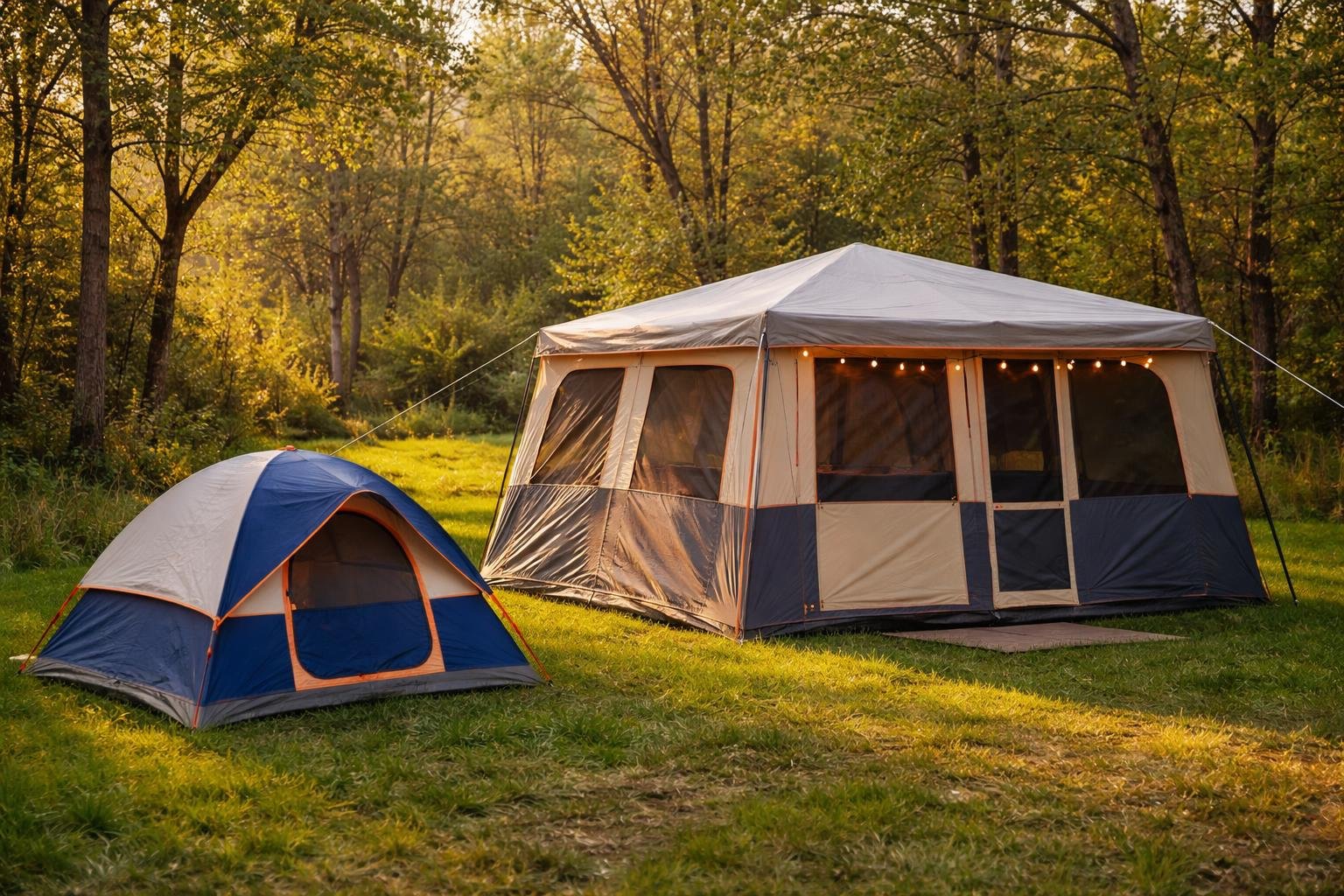
| Dome Tent | Geodesic dome or traditional dome shape; flexible poles crossing at multiple points for a robust, rounded structure. |
| Cabin Tent | Near-vertical walls and a higher peak height, resembling a small room. |
This fundamental design difference dictates their respective strengths and weaknesses for various camping scenarios, especially when comparing cabin vs dome.
Hook: The Risks of Making the Wrong Choice
Choosing the wrong type of tent can lead to regrettable experiences, from battling collapsing shelters in high winds to feeling cramped and claustrophobic inside the tent. Imagine investing in a spacious cabin tent only to find it a nightmare to set up solo, or opting for a lightweight dome tent that offers insufficient headroom for your family camping needs. These are common pitfalls that can undermine an otherwise perfect camping trip.
Truth #1: Weather Performance and Wind Resistance
Real-World Scenario: Facing Stormy Weather
Picture yourself on a camping trip, nestled in your tent as an unexpected thunderstorm rolls in, bringing strong gusts and torrential rain, testing the durability of your tent structure. In this real-world scenario, the structural integrity of your camping tent is put to the ultimate test. A dome tent’s inherent tent shape and design, with its multiple tent poles creating tension across the tent body, typically allows it to shed wind and rain more effectively than many cabin tents.
Practical Verdict on Weather Resistance
When it comes to confronting adverse weather conditions, dome tents offer superior wind resistance and stability due to their aerodynamic, low-profile tent design. The curved structure of a dome tent often flexes with gusts rather than resisting them head-on, significantly reducing the likelihood of collapse.
| Tent Type | Wind Resistance Characteristic |
|---|---|
| Dome Tents | Aerodynamic, low-profile design; curved structure flexes with gusts. |
| Cabin Tents | Vertical walls present a larger surface area for wind to catch; more susceptible to buffeting. |
Recommendation: Best Tent for Weather Performance
For campers prioritizing robust weather performance and wind resistance, especially in exposed or unpredictable environments, a dome tent is the unequivocally superior choice. Its inherent structural stability, often enhanced by features like a full-coverage rainfly and sturdy tent fabric, ensures greater peace of mind during stormy weather. If your camping trips frequently involve unpredictable conditions, a well-designed dome tent will prove to be the best tent for enduring the elements.
Truth #2: Setup Time and Solo-Friendliness
Real-World Scenario: Setting Up Alone in the Dark
Imagine arriving at your campsite after dusk, with fading light and a sudden chill in the air. In this real-world scenario, the ease and speed of setting up your camping tent become paramount. Attempting to pitch a complex shelter alone in the dark can quickly turn a peaceful arrival into a frustrating ordeal, highlighting the critical importance of a solo-friendly and efficient tent design.
Practical Verdict on Setup Efficiency
When it comes to setup time and solo-friendliness, dome tents often have a significant advantage over many cabin tents. Their simpler tent design, typically involving fewer tent poles and a more intuitive assembly process, allows for quicker pitching. While some instant cabin tents promise rapid setup, traditional cabin tents, especially larger models for family camping, can be cumbersome and may require two people to manage the frame effectively.
Recommendation: Quick-Setup Tents for Solo Campers
For solo campers or those prioritizing minimal setup time, a traditional dome tent or an instant tent (often a variation of the cabin tent design) is highly recommended. A dome tent often boasts color-coded poles and clips, streamlining the process, while an instant cabin tent utilizes pre-attached poles that fan out. This ensures that you can quickly establish your shelter, freeing up more time to enjoy your camping experience, especially during car camping.
Truth #3: Space Efficiency vs. Livability Tradeoff
Real-World Scenario: Camping with Family or Friends
Consider a camping trip with your family or a group of friends, where multiple people and their gear need to comfortably coexist inside the tent. In this real-world scenario, the Internal dimensions and overall livability of your camping tent are crucial factors to consider when selecting between a canvas cabin tent and a dome.. The tradeoff between maximizing floor space and providing ample headroom and usable volume often dictates the overall comfort and functionality of your shelter.
Practical Verdict on Space Utilization
Cabin tents offer superior space efficiency and livability compared to dome tents, primarily due to their nearly vertical walls and higher peak height. This tent design maximizes the usable floor space and allows campers to stand upright inside the tent, creating a more comfortable and less claustrophobic camping experience. Conversely, while a dome tent offers excellent weather performance, its sloped walls reduce the functional interior volume, making it feel smaller than its stated floor area.
Recommendation: Best Choices for Group Camping
For family camping or group trips where livability and ample space are top priorities, a cabin tent is the best tent choice. The generous headroom and room-like structure of a cabin tent vs a dome tent make activities like changing clothes, moving around, and managing camping gear much easier. Many cabin tents also feature room dividers, enhancing privacy. If you prioritize comfort and stand-up height, a cabin tent is ideal, especially for car camping scenarios.
Truth #4: Weight and Packability for Car vs. Backpack Camping
Real-World Scenario: Hiking to a Campsite
Imagine embarking on an overnight backpacking trip, where every ounce in your pack matters, or preparing for a car camping adventure where space in the trunk is abundant. In this real-world scenario, the weight and packability of your camping tent become crucial considerations, directly impacting your comfort and the feasibility of your camping trip. The physical dimensions and overall bulk of the tent when packed down are key differentiators between a typical dome tent and a larger cabin tent.
Practical Verdict on Weight Considerations
When evaluating the weight and packability, Dome tents typically offer a significant advantage for backpackers due to their lighter weight and more compact packed size compared to a traditional tent.. The streamlined tent design of a dome tent requires fewer, shorter tent poles and less tent fabric, contributing to its portability. Conversely, many cabin tents, especially those designed for family camping, are considerably heavier and bulkier, making them suitable primarily for car camping where weight and space constraints are less of an issue.
Recommendation: Best Lightweight Tents for Backpacking
For backpackers or anyone prioritizing minimal weight and packability, a compact dome tent is the best tent choice. Its efficient tent shape and typically lighter materials ensure it won’t be a burden on long treks. While some specialized, lightweight cabin tents exist, a traditional dome tent often provides the optimal balance of strength, weather performance, and a packed size that easily fits inside a backpack, enhancing your overall camping experience.
Truth #5: Long-Term Durability and Value for Money
Real-World Scenario: Choosing a Tent for Frequent Use
Consider yourself a dedicated camper who plans multiple trips throughout the year, subjecting your camping tent to various conditions and frequent setups, ensuring you choose a reliable tent manufacturer. In this real-world scenario, the long-term durability and overall value for money of your shelter become paramount. The initial investment in a tent must align with its expected lifespan and performance over many camping seasons, ensuring it remains a reliable part of your camping gear.
Practical Verdict on Longevity and Investment
When assessing long-term durability and value, both dome tents and cabin tents come in various quality tiers, but certain aspects of their tent design influence longevity. A well-constructed dome tent often benefits from its inherent structural stability and robust tent fabric, potentially offering a longer lifespan, particularly in challenging weather. Many cabin tents, especially larger models for family camping, need to be built with high-quality materials to withstand frequent use without compromising their spacious tent body and numerous tent poles.
Recommendation: Best Durable Tents for Long-Term Use
For campers seeking the best tent for long-term durability and value for money, investing in a reputable brand with high-quality materials is crucial, regardless of whether you choose a dome tent or a cabin tent. Look for features like strong tent poles (e.g., aluminum), ripstop tent fabric, reinforced stitching, and a robust rainfly. A durable dome tent will excel in varied conditions, while a high-quality cabin tent will provide lasting comfort for family camping, ensuring your camping experience remains excellent over years.
Dome Tent vs Cabin Tent Comparison
The table below summarizes how dome tents and cabin tents compare across the factors that matter most to campers.
| Feature | Dome Tent | Cabin Tent |
|---|---|---|
| Wind Resistance | ⭐⭐⭐⭐⭐ | ⭐⭐⭐ |
| Rain Performance | ⭐⭐⭐⭐⭐ | ⭐⭐⭐⭐ |
| Interior Space | ⭐⭐⭐ | ⭐⭐⭐⭐⭐ |
| Headroom | ⭐⭐⭐ | ⭐⭐⭐⭐⭐ |
| Setup Speed | ⭐⭐⭐⭐ | ⭐⭐⭐ |
| Weight | ⭐⭐⭐⭐⭐ | ⭐⭐ |
| Packability | ⭐⭐⭐⭐⭐ | ⭐⭐ |
| Backpacking | ⭐⭐⭐⭐⭐ | ⭐ |
| Family Camping | ⭐⭐⭐ | ⭐⭐⭐⭐⭐ |
| Comfort for Long Trips | ⭐⭐⭐ | ⭐⭐⭐⭐⭐ |
| Car Camping | ⭐⭐⭐⭐ | ⭐⭐⭐⭐⭐ |
| Overall Versatility | ⭐⭐⭐⭐⭐ | ⭐⭐⭐⭐ |
Key Takeaways
✅ Choose a Dome Tent if you prioritize weather resistance, portability, lighter weight, and backpacking performance.
✅ Choose a Cabin Tent if you value interior space, standing room, family-friendly comfort, and extended camping stays.
✅ For Most Campers: Dome tents offer the best balance of durability, weather protection, and portability.
✅ For Families and Group Camping: Cabin tents provide a more comfortable and spacious camping experience.
Overall Winner by Category
🏆 Best for Wind & Weather: Dome Tent
🏆 Best for Backpacking: Dome Tent
🏆 Best for Space & Comfort: Cabin Tent
🏆 Best for Family Camping: Cabin Tent
🏆 Best All-Around Tent Type: Dome Tent
Bottom Line: If you’re unsure which tent to buy, a quality dome tent is usually the safest all-around choice. However, if comfort, space, and family camping are your top priorities, a cabin tent will likely be the better investment. ⭐
Visual Tent Shape Comparison
Understanding the basic shape of each tent type can make it much easier to choose the right shelter for your camping style.
| Feature | Dome Tent | Cabin Tent |
|---|---|---|
| Shape | Rounded, aerodynamic design | Box-like design with vertical walls |
| Wind Performance | Excellent | Moderate |
| Rain Shedding | Excellent | Good |
| Standing Room | Limited | Excellent |
| Interior Space | Moderate | Maximum |
| Packed Size | Compact | Larger |
| Weight | Lightweight | Heavier |
| Best Use | Backpacking, solo camping, harsh weather | Family camping, car camping, long stays |
Which Tent Shape Is Better?
A dome tent is generally better for campers who prioritize weather resistance, portability, and ease of transport.
A cabin tent is better for campers who value interior comfort, standing room, and spacious living areas.
Quick Rule of Thumb
🏕️ Choose a Dome Tent if you’ll be hiking, camping in windy areas, or traveling light.
🏕️ Choose a Cabin Tent if you’ll be car camping with family and want the most comfortable shelter possible.
⭐ Think of a dome tent as a rugged outdoor shelter and a cabin tent as a portable camping room.
Which One Is Right For You? Buyer Personas
Persona 1: The Casual Family Camper
For the casual family camper, prioritizing comfort and space during car camping trips is paramount. This persona typically seeks a camping tent that offers ample room for multiple occupants and their camping gear, with enough headroom to stand upright inside the tent structure. An easy-to-pitch cabin tent or an instant cabin tent, with its generous floor space and potential for room dividers, would be the best tent for creating a comfortable home away from home.
Persona 2: The Solo Adventurer
The solo adventurer values portability, quick setup, and robust weather performance above all else. This individual often undertakes backpacking trips or camps in more exposed environments where a lightweight, compact shelter is essential. For this persona, a traditional dome tent is the ideal choice. Its aerodynamic tent shape, superior wind resistance, and manageable packed size make it the best tent for solo journeys, ensuring a reliable camping experience.
Persona 3: The Weekend Warrior
The weekend warrior enjoys frequent, short camping trips, often involving a mix of car camping and light backpacking. This persona requires a versatile camping tent that balances ease of setup, moderate weight, and sufficient space for one or two people and their basic gear. A well-designed dome tent, offering a good balance of durability and packability, or a smaller, lightweight cabin tent, would cater to their varied needs, making it a reliable choice for diverse camping experiences.
Best Dome Tents and Cabin Tents
After comparing the strengths and weaknesses of each tent style, here are some highly rated options worth considering for different camping needs and budgets.
Best Dome Tents
Best Overall Dome Tent: Coleman Sundome Tent
✔ Affordable and beginner-friendly
✔ Quick setup
✔ Good weather protection

- WeatherTec system’s welded corners and inverted seams keep water from getting in
Best Backpacking Dome Tent: MSR Hubba Hubba NX
✔ Lightweight
✔ Excellent ventilation
✔ Ideal for backpacking and hiking

- Aluminium/DuraShield/100% Nylon (Ripstop 20D)/Middle Finger
- DvivietÄ— palapinÄ— MSR Hubba Hubba NX – Žalia
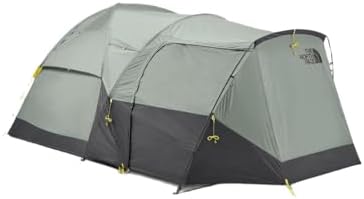
Best Premium Dome Tent: The North Face Wawona
✔ Spacious interior
✔ Excellent durability
✔ Great for extended camping trips
Best Cabin Tents
Best Family Cabin Tent: CORE 9-Person Instant Cabin Tent
✔ Huge interior space
✔ Fast setup
✔ Excellent for large families

- polyester
- Imported
- INSTANT POP UP TECHNOLOGY: Pre-attached poles lock into place for setup in 2 minutes or less
Best Instant Cabin Tent: Coleman Instant Cabin Tent
✔ Sets up in minutes
✔ Great weather protection
✔ Beginner-friendly

- 100% Polyester
- Imported
- WeatherTec system’s welded corners and inverted seams keep water from getting in
Best Large Group Cabin Tent
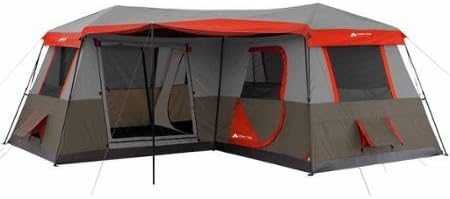
Ozark Trail 12-Person Cabin Tent
✔ Multiple rooms
✔ Excellent value for money
✔ Perfect for group camping
Quick Recommendations by Camping Style
| Camping Style | Recommended Tent Type | Top Pick |
|---|---|---|
| Backpacking | Dome Tent | MSR Hubba Hubba NX |
| Solo Camping | Dome Tent | Coleman Sundome |
| Family Camping | Cabin Tent | CORE 9-Person Cabin |
| Group Camping | Cabin Tent | Ozark Trail 12-Person |
| Windy Conditions | Dome Tent | The North Face Wawona |
| Weekend Car Camping | Cabin Tent | Coleman Instant Cabin |
Our Top Overall Picks
🏆 Best Dome Tent: Coleman Sundome Tent
🏆 Best Cabin Tent: CORE 9-Person Instant Cabin Tent
Best Dome and Cabin Tent Comparison
| Tent | Type | Capacity | Weight | Best For |
|---|---|---|---|---|
| Coleman Sundome | Dome | 2-6 Person | Lightweight | Budget Camping |
| MSR Hubba Hubba NX | Dome | 2 Person | Ultralight | Backpacking |
| North Face Wawona | Dome | 4-6 Person | Moderate | Premium Camping |
| CORE Instant Cabin | Cabin | 9 Person | Heavy | Families |
| Coleman Instant Cabin | Cabin | 4-10 Person | Moderate | Easy Setup |
| Ozark Trail Cabin | Cabin | 12 Person | Heavy | Large Groups |
Final Verdict: Which Tent Wins?
Dome Tent Wins If:
✅ You backpack
✅ You camp in bad weather
✅ You want lightweight gear
✅ You camp solo or as a couple
Cabin Tent Wins If:
✅ You camp with family
✅ Comfort is your priority
✅ You want standing room
✅ You mainly car camp
Overall Winner
🏆 Dome Tent
For most campers, a dome tent offers the best combination of weather resistance, portability, durability, and value.
Frequently Asked Questions
1. Is a dome tent better than a cabin tent?
A dome tent is generally better for wind resistance, bad weather, and backpacking. A cabin tent is better for family camping, comfort, and interior space. The best choice depends on your camping style and priorities.
2. Are cabin tents good in strong winds?
Cabin tents can handle moderate winds, but their vertical walls catch more wind than dome tents. If you frequently camp in exposed or windy areas, a dome tent is usually the safer option.
3. Which tent is easier to set up?
Most dome tents are easier and faster to set up because they use fewer poles and a simpler structure. However, instant cabin tents can be nearly as quick to pitch thanks to their pre-attached pole systems.
4. Are dome tents waterproof?
Most modern dome tents are designed to be water-resistant or waterproof when used with a quality rainfly and properly sealed seams. Always check the tent’s waterproof rating before purchasing.
5. Can you stand up inside a dome tent?
Most standard dome tents do not offer full standing height. Cabin tents typically provide much more headroom, allowing most adults to stand comfortably inside.
6. Which tent is better for family camping?
A cabin tent is usually the better choice for family camping because it offers more floor space, greater headroom, and room dividers that improve comfort and privacy.
7. Are cabin tents warmer than dome tents?
Not necessarily. Warmth depends more on insulation, ventilation, tent materials, and weather conditions than tent shape. Both styles can perform well in cooler temperatures when used properly.
8. What is the best tent for backpacking?
A lightweight dome tent is typically the best option for backpacking because it offers a compact packed size, lower weight, and better weather resistance than most cabin tents.
9. Which tent lasts longer?
Durability depends largely on build quality, materials, and maintenance. High-quality dome tents and cabin tents can both last many years when properly cared for and stored correctly.
10. Are instant cabin tents worth it?
Yes. Instant cabin tents are popular because they significantly reduce setup time while still providing the spacious interior and comfort that make cabin tents attractive for family camping.
Our Recommendation
⭐ Choose a Dome Tent If:
- You backpack
- You camp in windy weather
- You want lighter gear
- You camp solo or as a couple
⭐ Choose a Cabin Tent If:
- You camp with family
- You want standing room
- You prioritize comfort
- You mainly car camp
Conclusion: Making the Right Tent Choice
Recap of Key Differences
In recap, the core differences between a dome tent vs cabin tent boil down to their fundamental tent design, impacting weather performance, livability, and portability. Dome tents offer superior wind resistance and a compact packed size, making them ideal for adverse weather and backpacking. Cabin tents provide unmatched interior space and stand-up height, perfect for family camping and car camping scenarios where comfort is key.
Final Recommendations for Tent Selection
When making your final tent selection, consider the primary purpose of your camping trip. If facing unpredictable weather or embarking on long treks, a robust dome tent is your best bet. For family camping or if you prioritize spaciousness and stand-up height, a well-chosen cabin tent, perhaps even an instant cabin tent, will significantly enhance your camping experience. Always match the type of tent to your specific needs.