Family camping tips can make the difference between an unforgettable outdoor adventure and a weekend filled with stress, tantrums, and sleepless nights. If you’ve ever worried about keeping kids entertained, handling midnight bathroom runs, or surviving a rainy day at the campsite, you’re not alone.
Picture this: It’s 2 a.m. Your toddler suddenly needs the bathroom, your oldest can’t find their favorite stuffed animal, and someone just spilled juice inside the tent. Meanwhile, you’re wondering why a relaxing camping trip feels more exhausting than staying home.
The truth is, family camping can create some of the best memories your children will ever have but it can also test your patience in ways you never expected. The good news? Most camping disasters are completely preventable with the right planning and a few proven strategies.
After years of family camping adventures filled with muddy kids, unexpected rainstorms, forgotten gear, and plenty of lessons learned the hard way, we’ve discovered what actually works. These family camping tips will help you avoid common mistakes, stay organized, keep your children happy, and enjoy a more relaxing camping experience from start to finish.
Whether you’re planning your first camping trip with kids or looking to improve future adventures, this guide will help you spend less time dealing with problems and more time making memories around the campfire.
Because family camping shouldn’t feel like survival mode it should feel like an adventure you’ll want to do again.
Our Family Camping Experience
Over the years, we’ve taken numerous family camping trips in different seasons, weather conditions, and campgrounds. We’ve dealt with everything from unexpected rainstorms and muddy campsites to sleepless nights, forgotten gear, and toddlers who decided 2 a.m. was the perfect time for a campground adventure.
Many of the lessons in this guide were learned through trial and error. We’ve made packing mistakes, chosen poor campsites, overplanned activities, and underestimated how quickly kids can get bored outdoors.
The family camping tips below come from real-world experience and practical solutions that have helped make our trips smoother, safer, and more enjoyable for everyone involved.
Quick Answer
Family camping is easier when you choose a kid-friendly campground, pack a detailed checklist, prepare meals in advance, bring familiar comfort items, plan simple activities, and keep expectations realistic. The key to stress-free family camping is preparation, flexibility, and focusing on fun rather than perfection.
What Are Family Camping Tips?
Family camping tips are practical strategies that help parents prepare, organize, and manage outdoor trips with children. These tips include choosing family-friendly campgrounds, packing essential gear, planning easy meals, creating activities for kids, and handling common camping challenges such as bathroom trips, tantrums, and bad weather.
How We Developed These Family Camping Tips
These recommendations are based on years of family camping experience, including weekend campground trips, state park camping, and multi-day outdoor adventures with children of different ages.
We evaluated each tip based on:
- Ease of implementation
- Safety benefits
- Stress reduction for parents
- Comfort for children
- Real-world effectiveness during actual camping trips
Only the strategies that consistently improved our camping experiences made this list.
Planning Your Family Camping Trip
Choosing the Right Campsite
When embarking on a family camping trip, selecting the right campsite is paramount to ensuring a stress-free experience for everyone involved. Think beyond just availability; consider amenities that cater specifically to kids camping. Look for campgrounds that offer flush toilets and potable water access, as these simple conveniences can significantly reduce parental stress, especially during those inevitable midnight bathroom runs.
Proximity to playgrounds, nature hikes suitable for little legs, or even junior ranger programs can turn a good family camping trip into a great one, providing structured activities that keep boredom at bay and allow for precious family time without constant supervision. A strategic choice here can make all the difference in making your first camp a positive memory.
Expert Tip:
When camping with young children, choose a campsite within a short walking distance of the restroom. It may not seem important during booking, but after multiple midnight bathroom runs, you’ll appreciate every step you don’t have to take in the dark.
Creating a Camping with kids Checklist
A meticulously crafted family camping checklist is your secret weapon against forgotten essentials and the ensuing parental meltdown. Beyond the obvious tent camping gear like sleeping bags and sleeping pads, include items that cater to common kid-related emergencies and comforts. Think multiple changes of clothes for inevitable spills and mud, extra wet wipes for everything from sticky marshmallow hands to impromptu cleanups, and several headlamps or glowsticks to make those after-dark trips to the latrine less daunting for little ones.
Don’t forget entertainment: binoculars for wildlife spotting, a Kindle for quiet moments, and even ingredients for s’mores around the fire at night. Having a comprehensive camping with kids checklist ensures you’re prepared for almost anything, preserving your sanity when you’re miles from the nearest store.
Expert Tip:
Pack each child’s clothes in separate daily zip-top bags. Each bag should contain a complete outfit, including socks and underwear. This simple trick keeps gear organized and makes getting dressed much easier when kids are tired or the weather changes suddenly.
Family Camping Packing Checklist
Packing for a family camping trip can feel overwhelming, especially when you’re trying to remember everything your kids might need. Use this family camping checklist to stay organized and avoid last-minute stress.
Shelter and Sleeping Gear
- Tent
- Tent stakes and guylines
- Tent footprint or ground tarp
- Sleeping bags
- Sleeping pads or air mattresses
- Pillows
- Extra blankets
Clothing
- Weather-appropriate clothing
- Extra shirts and pants
- Extra socks and underwear
- Rain jackets
- Warm layers for cool evenings
- Comfortable hiking shoes
- Pajamas
Food and Cooking Supplies
- Camp stove
- Fuel
- Matches or lighter
- Cooking utensils
- Plates, bowls, and cups
- Reusable water bottles
- Cooler with ice
- Easy-to-prepare meals
- Snacks for kids
- Marshmallows, chocolate, and graham crackers for s’mores
Safety and First Aid
- First aid kit
- Prescription medications
- Insect repellent
- Sunscreen
- Emergency contact information
- Flashlights or headlamps
- Extra batteries
- Multi-tool or pocket knife
Kids’ Essentials
- Favorite stuffed animal or comfort item
- Books
- Coloring supplies
- Nature scavenger hunt list
- Glow sticks
- Binoculars
- Small outdoor toys
- Wet wipes
- Hand sanitizer
Campsite Comfort Items
- Camping chairs
- Folding table
- Trash bags
- Paper towels
- Dish soap
- Clothesline and clips
- Portable power bank
Pro Packing Tip
Pack each child’s clothing in labeled daily bags. For example, create a “Day 1,” “Day 2,” and “Day 3” bag containing a complete outfit. This simple organization trick saves time and eliminates the frustration of searching through duffel bags for missing socks or jackets.
Meal Prep to Avoid Stress
Meal prep is a game-changer for a truly stress-free family camping experience, allowing you to actually enjoy the campfire instead of feeling like a short-order cook. Instead of planning elaborate meals from scratch at the campsite, pre-cook and pre-chop as much as possible at home. Think about making foil packet dinners that just need to be thrown on the campfire, or bringing pre-made pancake batter for easy breakfasts.
Utilize frozen water bottles in your cooler not only to keep food chilled but also as a source of refreshing drinks as they thaw throughout your camping trip. A well-stocked camp stove with simple, quick-to-prepare options means less time cooking and more time making memories around the fire, fostering that invaluable family time without the usual kitchen chaos.
Expert Tip:
Prepare and freeze meals before your trip. Frozen meals help keep the cooler cold longer and eliminate the stress of cooking complicated meals at the campsite. Less time cooking means more time enjoying your family camping adventure.
Making the Most of Your First Camping Trip
Setting Realistic Expectations
Embarking on your first camping trip with kids is an adventure, but it’s crucial to temper those idyllic visions with a dose of reality. Your family camping trip won’t be a perfectly curated Instagram reel; it will be messy, unpredictable, and probably involve more dirt than you ever thought possible.
Expect some meltdowns yours and theirs and remember that a successful trip isn’t about perfection, but about resilience and making memories, even if those memories include a midnight search for a missing lovey or convincing a toddler that pinecones are not, in fact, edible snacks. Focus on the joy of being outdoors and the unique experience of tent camping, rather than fretting over every tiny hiccup, and you’ll find your sanity intact.
Expert Tip:
Lower your expectations and raise your flexibility. The most memorable family camping trips rarely go exactly as planned. Focus on creating positive experiences rather than trying to achieve a “perfect” camping trip.
Packing Essentials for the Kids
When it comes to packing for kids camping, think less about “what if” and more about “what’s inevitable.” Beyond the obvious sleeping bag and sleeping pads, a truly sanity-saving approach to packing involves anticipating the small disasters. To help manage this, consider these essential items:
- Multiple changes of clothes are a must, especially socks wet feet are a one-way ticket to grumpy kids.
- Plenty of wet wipes; they’re not just for bottoms anymore, but for sticky marshmallow faces, muddy hands, and cleaning up mysterious spills.
- Familiar comfort items, like their favorite stuffed animal or a special blanket, can be a lifesaver when the new environment feels overwhelming.
And a headlamp or a few glow sticks can turn a scary walk to the bathroom in the dark into a fun, glowing adventure, saving you from carrying a whimpering child a safety information tip for nighttime outings.
Expert Tip:
Always pack at least one extra change of clothes per child for every day of the trip. Kids get wet, muddy, and dirty much faster outdoors than they do at home.
Incorporating Fun Activities
Keeping kids engaged on a family camping trip is key to a stress-free experience for everyone. While the great outdoors offers endless possibilities, having a few planned activities can prevent boredom-induced chaos. There are several simple things you can do to keep them occupied and foster a sense of adventure:
- A nature scavenger hunt, where they look for specific leaves or interesting rocks, can keep little ones occupied for ages.
- Storytelling around the campfire is a timeless tradition, especially with s’mores in hand, creating cherished family time one of the essential tips for camping.
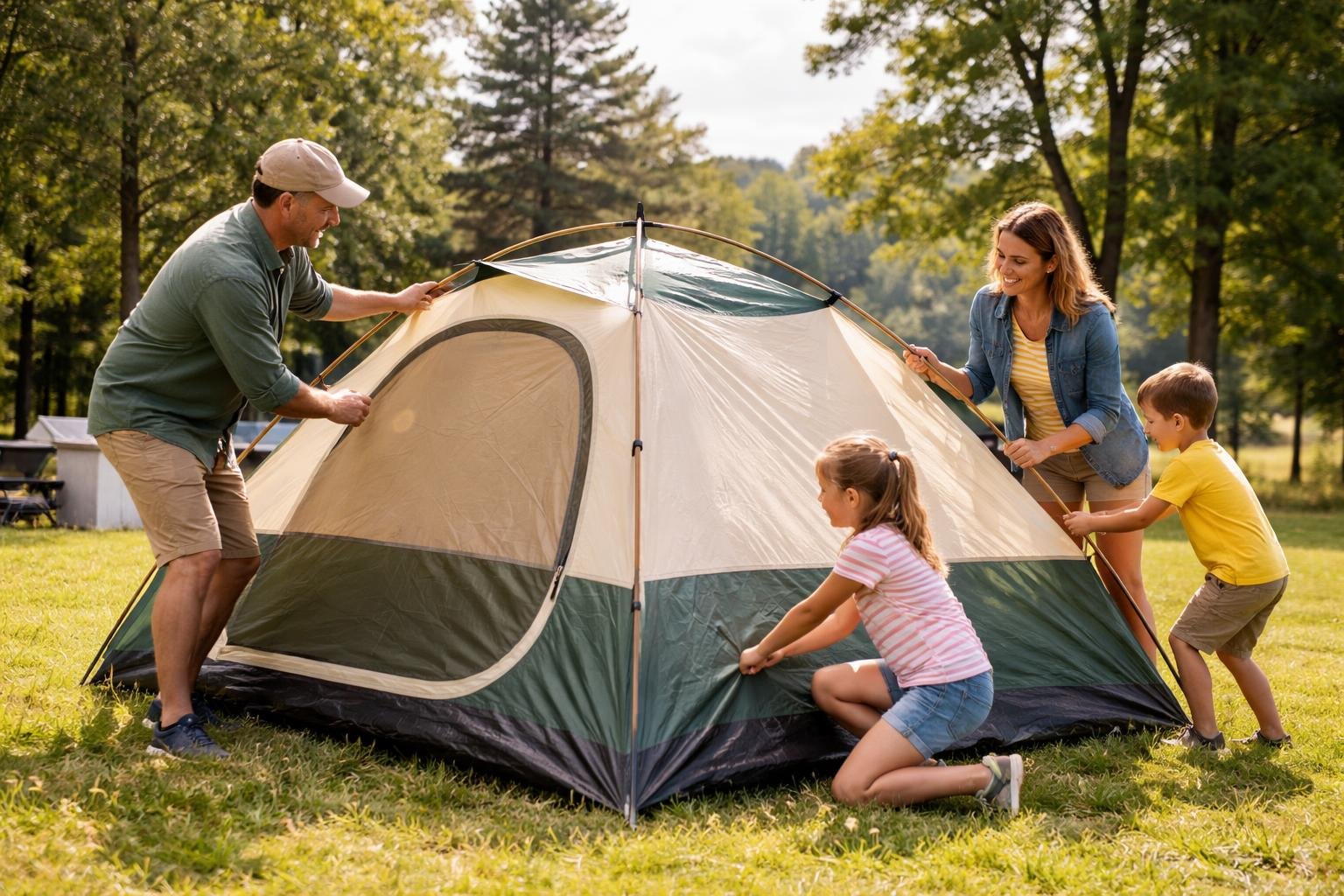
Don’t underestimate the power of binoculars for wildlife spotting or a Kindle for quiet moments. Even if it’s just pitching a tent together or gathering firewood, involving them in the camp setup fosters a sense of ownership and excitement, making the entire first camping trip feel like a collaborative adventure.
Expert Tip:
Introduce one surprise activity each day, such as a scavenger hunt, glow-stick treasure hunt, or campfire storytelling challenge. Unexpected activities keep kids excited and reduce complaints about boredom.
Surviving the Chaos of Camping with Kids
Tackling Midnight Bathroom Runs
Midnight bathroom runs are an inevitable, often hilarious, part of camping with kids, but they don’t have to be a nightmare that sabotages your sleep. Equip each child with their own headlamp or glowstick – it turns a scary, dark trek into an exciting, self-sufficient mission, especially with glow sticks lighting the way. For younger campers, consider a Consider bringing a portable potty inside the tent as a practical tip for camping with young children.
For immediate emergencies to avoid a complete tent exodus. Strategically choose a campsite close to the flush toilets, or at least a well-maintained latrine, to minimize the journey this is an essential tip for camping with kids. Keeping a clean, easy-to-access pair of slip-on shoes by the tent door for each family member will save precious seconds and your sanity when a tiny bladder calls at 2 AM on your family camping trip.
Expert Tip:
Keep shoes, jackets, flashlights, and a small pack of wet wipes near the tent entrance. Having nighttime essentials within reach makes unexpected bathroom trips much less stressful.
Real-World Example
On one camping trip, our youngest child needed the bathroom three times during a single night. Because we’d packed headlamps and chosen a campsite close to the restroom, the situation was manageable. Without those preparations, it could have easily turned into a stressful experience for the entire family.
Family Camping Safety Tips
A successful family camping trip isn’t just about fun it’s also about keeping everyone safe. Taking a few simple precautions can help prevent accidents and give parents greater peace of mind throughout the adventure.
Establish Campground Boundaries
As soon as you arrive, walk around the campground with your children and clearly explain where they can and cannot go. Point out important landmarks such as the campsite number, restrooms, playgrounds, and campground office. Setting boundaries early helps prevent children from wandering off and becoming lost.
Teach Wildlife Awareness
Many campgrounds are home to wildlife, including deer, raccoons, snakes, and bears. Teach children to observe animals from a safe distance and never attempt to feed or approach them. Store food properly and keep the campsite clean to avoid attracting unwanted visitors.
Practice Campfire Safety
Campfires are often the highlight of a family camping trip, but they also present risks. Establish a “no-running zone” around the fire and teach children to stay several feet away unless supervised. Never leave a campfire unattended, and always fully extinguish it before leaving the campsite or going to bed.
Keep Emergency Contacts Accessible
Save campground contact information and local emergency numbers on your phone before your trip. It’s also a good idea to keep a written list of emergency contacts in your camping gear in case your phone battery dies or service is unavailable.
Use the Buddy System
Encourage children to stay with a sibling, parent, or friend whenever they leave the campsite. The buddy system reduces the chances of children getting lost and helps ensure someone is always aware of their location.
Pack a Well-Stocked First Aid Kit
Every family camping checklist should include a first aid kit. Pack adhesive bandages, antiseptic wipes, gauze, medical tape, tweezers, pain relievers, insect bite treatment, and any prescription medications your family may need. Minor cuts, scrapes, and insect bites are common during outdoor adventures, and having supplies readily available can prevent small issues from becoming bigger problems.
Expert Safety Tip
Before your trip, take a photo of each child on the morning of departure. If a child becomes separated from your group, you’ll have a recent photo showing exactly what they are wearing, which can help campground staff or emergency personnel locate them more quickly.
Managing Tantrums and Tears
Tantrums and tears are as much a part of camping with kids as s’mores and mosquito bites. When a meltdown strikes, remember that the unusual environment and broken routines can be overwhelming for little ones; having insect repellent on hand can help keep them comfortable. Instead of battling it out, consider some tips and tricks to make the experience smoother for everyone involved. acknowledge their feelings without judgment. Sometimes, a quick change of scenery, a comforting hug, or a familiar story can work wonders.
Having a designated “calm-down” spot at your campsite, perhaps a cozy sleeping bag or a special blanket, can give them a safe space to decompress, which is a smart trip planning strategy. Pack small, non-electronic distractions like bubbles or a favorite book to redirect their attention, and always have a stash of their favorite snacks ready for a quick mood boost, making your family camping trip more stress-free with the right tips and tricks.
Expert Tip:
Most camping meltdowns are caused by hunger, fatigue, or overstimulation. Before assuming something is seriously wrong, offer a snack, water, and a few minutes of quiet time.
Finding Moments of Peace
Amidst the delightful chaos of camping with kids, it’s important to have some safety information readily available to ensure everyone stays safe. finding small moments of peace is crucial for parents to recharge. This isn’t about escaping your family camping trip; it’s about briefly stepping back. While one parent supervises a nature scavenger hunt, the other might enjoy a quiet cup of coffee around the campfire, watching the steam rise.
Utilize nap times for reading a Kindle or simply listening to the sounds of nature. Even a short walk around the campground solo can clear your head. Embrace the flexibility of outdoor living; sometimes, peace looks like everyone happily engrossed in their own activities, from binoculars for bird watching to gathering firewood, creating a harmonious family time, even if fleeting.
Expert Tip:
Schedule downtime into your camping trip. Constant activities can overwhelm children and exhaust parents. A relaxed afternoon at camp often becomes the most enjoyable part of the day.
Staying Sane During Family Camping Adventures
Keeping Kids Engaged and Happy
Keeping kids engaged and happy on a family camping trip is the ultimate sanity-saver, and using kid-friendly activities can enhance that experience. Beyond the obvious joys of pitching a tent and roasting marshmallows around the fire, incorporate planned activities to combat boredom. A nature scavenger hunt with a list of specific items to find (a smooth rock, a feather, a specific leaf) can occupy them for hours.
Bring a deck of cards or a small board game for rainy days or quiet evenings. Involve them in camp chores, like gathering firewood or helping set up the camp stove, giving them a sense of responsibility and purpose. These small efforts ensure that your camping with kids experience is filled with positive family time, reducing meltdowns and increasing smiles.
Dealing with Forgotten Favorite Toys
The dreaded moment of realizing a favorite toy has been forgotten on a family camping trip can feel like a disaster, but it doesn’t have to ruin your first camp. Instead of panicking, frame it as an opportunity for creativity. Encourage them to find a “nature toy” – a cool stick, a uniquely shaped rock, or pinecones can become characters in an elaborate outdoor play. Pack a small, surprise “mystery bag” with new, inexpensive toys or art supplies that only come out in emergencies.
Sometimes, the best solution is simply giving them extra attention and engaging them in new adventures, like a hike or a campfire story, which are great tips for camping with children. It teaches adaptability and shows them that fun isn’t dependent on a specific item, ultimately saving your sanity, which is a valuable tip for camping with kids.
Enjoying Nature Without Losing Your Mind
Enjoying nature on your family camping trip without losing your mind requires a shift in perspective and a few strategic moves. Accept that your camping with kids experience will be different from your pre-kid camping days. Focus on the small wonders through their eyes: a bug crawling, the sound of the wind, the stars around the fire at night. Prioritize comfort over ruggedness a comfy sleeping bag and sleeping pads for everyone can prevent a lot of grumpiness, making it a crucial tip for camping.
Don’t overschedule; allow for plenty of unstructured playtime where kids can explore and get dirty. Remember, the goal isn’t a flawless outdoor magazine spread, but creating lasting memories and enjoying true family time, even if it involves a little dirt, a few bumps, and a lot of wet wipes.
Expert Tip:
Let kids get dirty. Muddy clothes, dusty shoes, and messy hands are part of the outdoor experience. The less you worry about staying clean, the more everyone will enjoy the adventure.
What We Learned the Hard Way
After years of family camping, a few lessons stand out above all others:
- Always pack more clothes than you think you’ll need.
- Simple meals are often better than ambitious campsite cooking.
- Kids remember experiences more than gear.
- Weather forecasts can change quickly.
- A flexible attitude solves more problems than any camping gadget.
The biggest lesson? Perfect camping trips don’t exist. The most memorable adventures often come from the unexpected moments that become family stories for years to come.
About the Author
This guide was created by an outdoor enthusiast and parent who has spent years camping with children in campgrounds, state parks, and family-friendly outdoor destinations. The recommendations are based on first-hand camping experience, practical testing, and lessons learned from real family adventures rather than theoretical advice.
Frequently Ask Questions
Is family camping worth it?
Yes. Family camping creates lasting memories, encourages outdoor exploration, and helps children build confidence and independence.
What is the best age to start camping with kids?
Many families successfully begin camping with babies, but ages 3–5 are often ideal because children can participate in activities and communicate their needs.
How do I keep kids entertained while camping?
Nature scavenger hunts, hiking, fishing, campfire stories, wildlife spotting, and simple outdoor games work well.
What should I pack for family camping?
Pack shelter, sleeping gear, weather-appropriate clothing, food, water, first aid supplies, lighting, and entertainment for children.
How do you camp with toddlers?
Keep routines consistent, bring comfort items, pack extra clothes, and choose family-friendly campgrounds.
What foods are easiest for family camping?
Foil packet meals, sandwiches, hot dogs, pancakes, fruit, trail mix, and pre-prepared meals.
How do I keep kids safe at a campsite?
Set clear boundaries, supervise near water and fire, carry a first aid kit, and use the buddy system.
How many nights should a first family camping trip be?
One or two nights is ideal for beginners.
What should I do if my child is afraid of camping?
Introduce camping gradually, bring familiar items, and keep activities fun and positive.
Can family camping be done on a budget?
Absolutely. Many campgrounds are affordable, and basic camping gear can be rented or purchased inexpensively.
Conclusion
Family camping isn’t about having the perfect campsite, the most expensive gear, or a flawlessly executed itinerary. It’s about stepping away from daily distractions, spending quality time together, and creating memories your children will carry with them for years to come.
Yes, there will be challenges. Someone will probably forget something important. The weather may not cooperate. There may be muddy shoes, sleepless nights, unexpected meltdowns, and a few moments when you question why you left the comfort of home in the first place. But those imperfect moments often become the stories your family laughs about long after the trip is over.
After years of camping with kids, we’ve learned that preparation makes a huge difference, but flexibility matters even more. The families who enjoy camping the most aren’t the ones with the fanciest equipment they’re the ones who embrace the adventure, adapt to the unexpected, and focus on enjoying the experience together.
Use these family camping tips as a starting point, but don’t be afraid to learn and grow with each trip. Every camping adventure teaches something new, builds confidence, and creates opportunities for connection that are hard to find in everyday life.
So pack your gear, gather the family, and head outdoors. The campfire conversations, star-filled skies, and unforgettable family memories are waiting. Your next great adventure starts with a single campsite.