I spent nights in the wind, rain, and dust with shelters that claimed to be “ultralight” but felt anything but. Some leaked. Some sagged. One nearly flew off a ridge. So yeah, I’ve learned the hard way. If you’re hunting for a reliable 2-Person Ultralight backcountry tent, you’re not just buying gear. You’re buying sleep, safety, and peace of mind after a long day on the trail.
Look, 2026 has changed the game. Materials are lighter, designs are smarter, and brands are finally balancing weight with real durability. But here’s the kicker, not every shelter lives up to the hype. While most people chase the lightest option, the smarter move is finding the best 2-Person ultralight backpacking tents for beginners that actually holds up in rough weather. I’ll also walk you through a few practical ultralight backpacking tent hacks for 2026, plus the common ultralight shelter mistakes to avoid that can ruin your trip fast. Small details matter more than you think.
I’ll be honest with you. This list isn’t fluff. These are field-tested picks that solve real problems. By the end, you’ll know exactly which shelter fits your style, your budget, and your terrain. No guesswork. No regrets. Let’s get into it.
Our Top Picks
| Tent | Weight | Type | Space | Best For | Our Rating | Action |
|---|---|---|---|---|---|---|
| Nemo Hornet 2P | 2 lb 6 oz | Semi-freestanding | Compact | Fast & light trips | ⭐⭐⭐⭐☆ | 👉 Check Latest Price |
| Big Agnes Copper Spur HV UL2 | 3 lb 2 oz | Freestanding | Spacious | All-around performance | ⭐⭐⭐⭐⭐ | 👉 Check Latest Price |
| MSR Freelite 2 | 2 lb 5 oz | Semi-freestanding | Moderate | Serious ultralight hikers | ⭐⭐⭐⭐☆ | 👉 Check Latest Price |
| Sea to Summit Telos TR2 | 3 lb 7 oz | Semi-freestanding | Very Spacious | Comfort lovers | ⭐⭐⭐⭐⭐ | 👉 Check Latest Price |
| REI Co-op Flash Air 2 | 2 lb 8 oz | Trekking pole | Spacious | Budget ultralight | ⭐⭐⭐⭐☆ | 👉 Check Latest Price |
| Big Agnes Tiger Wall UL2 | 2 lb 8 oz | Semi-freestanding | Moderate | Fast & light balance | ⭐⭐⭐⭐☆ | 👉 Check Latest Price |
| Naturehike Cloud Up 2 | 3 lb 12 oz | Semi-freestanding | Decent | Beginners | ⭐⭐⭐⭐☆ | 👉 Check Latest Price |
| SlingFin Portal 2 | 3 lb 5 oz | Freestanding | Spacious | Harsh weather | ⭐⭐⭐⭐⭐ | 👉 Check Latest Price |
| Tarptent Double Rainbow | 2 lb 10 oz | Hybrid | Very Spacious | Space + versatility | ⭐⭐⭐⭐☆ | 👉 Check Latest Price |
💡 Quick Tip: These tents sell out fast during peak season. Check the latest price and availability before choosing your favorite.
Overview of Ultralight Backpacking Tents
The pursuit of an Lightweight setup has become a cornerstone of modern backpacking, fundamentally altering how adventurers approach their gear choices, with the tent being a prime example among the best value options available. An lightweight shelter is meticulously engineered to Minimize weight without compromising essential functionality, which is crucial for the best backcountry tents.
Providing a critical advantage for long-distance treks and challenging terrain where every ounce matters. These specialized shelters represent the pinnacle of design, material science, and construction to deliver reliable protection in a remarkably lightweight package.
What Makes a Tent Ultralight?
An Lightweight tent distinguishes itself primarily through its incredibly low weight, often achieved by employing advanced materials like Dyneema Composite Fabric or sophisticated siliconized nylons, and innovative design philosophies.
Unlike traditional backpacking tents, an lightweight shelter typically foregoes heavy components, utilizing lighter tent poles, minimalist tent body designs, and often incorporating trekking pole tents that leverage a backpacker’s existing gear to create a freestanding or semi-freestanding tent structure. The goal is significant weight savings, making the overall backpacking gear load manageable, particularly when considering options like one-person tents.
Benefits of Using a 2-Person Ultralight Tent
Opting for a two-person lightweight backcountry tent offers numerous advantages beyond just saving weight. A lighter shelter reduces physical strain on the trail, allowing for longer distances and more enjoyable backpacking trips. Furthermore, the compact packability of these lightweight shelters means more space in your pack for other essentials, contributing to a more streamlined and efficient system.
The versatility of a 2P tent also provides ample space for solo adventurers or a cozy, yet functional, setup for two people without incurring a substantial weight penalty.
Current Trends in Ultralight Tent Design (2026)
In 2026, ultralight shelter design continues to evolve, pushing boundaries in material science and structural efficiency. We are seeing a significant shift towards more sustainable manufacturing processes and enhanced durability in lightweight fabrics. Brands like Big Agnes with their Copper Spur and Tiger Wall series, and Nemo, continue to innovate with features such as improved two vestibules and two doors for easier access and ventilation.
The integration of semi-freestanding tents that offer a balance of stability and low weight, along with advanced trekking pole shelter designs like the X-Mid Pro 2, are defining the Great ultralight shelters for discerning backpackers.
Top 9 Best 2-Person Ultralight Backpacking Tents for 2026
1. Nemo Hornet 2P
The Nemo Hornet 2P continues to be a favorite among ultralight enthusiasts for its exceptional weight-to-space ratio. This semi-freestanding tent offers a remarkable blend of minimalist design and practical features, making it one of the best lightweight tents for those prioritizing low weight. Its innovative pole structure ensures a stable pitch, and the inclusion of two doors and two vestibules enhances livability, which is a significant advantage for a two-person shelter in this weight class.
| Category | Details |
|---|---|
| 🏆 Best For | Ultralight thru-hiking & fast-and-light trips |
| 👍 Pros | Extremely lightweight, good ventilation, 2 doors + vestibules, compact pack size |
| 👎 Cons | Tight interior space, delicate fabric, not ideal for rough handling |
| 📊 Specs | ~2 lb 1 oz, semi-freestanding, 2-person, 27.5 sq ft floor, 39 in peak height, 3-season |
This lightweight shelter offers numerous advantages for minimalist adventurers. It boasts an extremely lightweight design, excellent ventilation, and convenient access with two doors and two vestibules. Its compact packability makes it ideal for various trips.

- Ripstop Fabric
- Imported
- High-performance, high-strength OSMO poly-nylon ripstop fabric has 4x better water repellency and 3x less stretch when w…
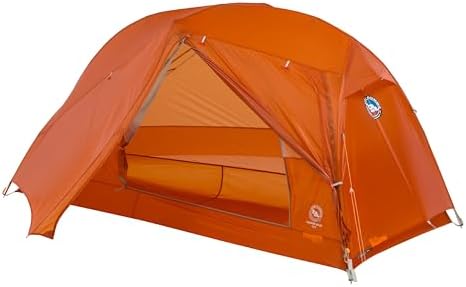
2. Big Agnes Copper Spur HV UL2
The Big Agnes Copper Spur HV UL2 consistently ranks among the greatest ultralight backpacking shelters due to its impressive balance of low weight, interior space, and durability. As a freestanding tent, it offers superior versatility for pitching in various terrains, making it a preferred choice among the best backcountry tents.
The tent comes equipped with two doors and two vestibules, providing ample storage for backpacking gear and easy entry/exit for two people, solidifying its reputation as a premier two-person backpacking shelter.
When considering this tent, it’s helpful to look at its advantages and disadvantages, along with its ideal uses.
| Category | Details |
|---|---|
| 🏆 Best For | Overall performance & comfort backpacking |
| 👍 Pros | Spacious interior, fully freestanding, durable build, 2 doors + vestibules |
| 👎 Cons | Expensive, slightly heavier than ultralight-only tents |
| 📊 Specs | ~3 lb 2 oz, freestanding, 2-person, 29 sq ft floor, 40 in peak height, 3-season |
Best Use Cases: General backpacking, car camping where weight is still a consideration, adventurers needing a comfortable and spacious two-person camping tent, and those seeking a robust yet lightweight shelter for varied conditions.
- [rainfly
- Imported
- Revolutionary Fabric Technology – Experience the superior HyperBead technology in our ultralight tent line. This proprie…
3. MSR Freelite 2
The MSR Freelite 2 is engineered for the serious ultralight backpacker who demands a high-performance, lightweight tent. This semi-freestanding tent utilizes advanced materials to achieve significant weight savings without compromising on essential protection. Its design focuses on maximizing internal volume and offering good ventilation, making it a comfortable lightweight shelter for two people on extended backpacking trips. The tent comes with strategically placed mesh for airflow.
| Category | Details |
|---|---|
| 🏆 Best For | Serious ultralight backpackers |
| 👍 Pros | Very light, good ventilation, compact packed size, quick setup |
| 👎 Cons | Tight for two large hikers, premium price, less interior space |
| 📊 Specs | ~2 lb, semi-freestanding, 2-person, 29 sq ft floor, 39 in peak height, 3-season |
This shelter offers several advantages, making it ideal for specific outdoor enthusiasts looking for the best value in a two-person camping tent. However, it also presents a few drawbacks to consider.

- 100% Ripstop Nylon with DuraShield Polyurethane Coating
- Imported
- The FreeLite is a semi-freestanding, ultralight 2-person tent designed for backpackers who want to shed weight without s…
4. Sea to Summit Telos TR2
The Sea to Summit Telos TR2 stands out with its innovative Tension Ridge architecture, which significantly increases the usable interior space and head height This is a common limitation in many lightweight tents and non-freestanding tents, where stability can be compromised. This semi-freestanding backcountry tent aims to provide exceptional livability alongside its low weight, offering a compelling option for those seeking comfort on the trail. It features two doors and two vestibules, enhancing convenience for a two-person camping tent.
| Category | Details |
|---|---|
| 🏆 Best For | Maximum space & comfort |
| 👍 Pros | Excellent headroom, spacious interior, smart ventilation, easy setup |
| 👎 Cons | Heavier than ultralight rivals, expensive |
| 📊 Specs | ~3 lb 7 oz, semi-freestanding, 2-person, 28 sq ft floor, 43 in peak height, 3-season |
Pros: Excellent interior volume and head height, good ventilation, intuitive setup, quality materials. Cons: Slightly heavier than some hyper-ultralight options, higher price. Best Use Cases: Backpackers prioritizing comfort and space, three-season adventures, those who appreciate innovative design, and individuals seeking a high-quality, lightweight tent that doesn’t feel restrictive.

- Versatile freestanding 2-person tent
- Unisex
- 2 people
5. REI Co-op Flash Air 2
The REI Co-op Flash Air 2 offers an impressive combination of lightweight performance and value, making it one of the best budget options in the 2-person lightweight backpacking tent category. This trekking pole tent design requires your trekking poles for setup, contributing to its remarkably low weight. It provides ample space for two people and boasts effective ventilation, making it an excellent choice for three-season backpacking trips without a significant price tag.
| Category | Details |
|---|---|
| 🏆 Best For | Budget ultralight backpacking |
| 👍 Pros | Lightweight, good value, decent space, solid airflow |
| 👎 Cons | Requires trekking poles, less stable in wind, not freestanding |
| 📊 Specs | ~2 lb 8 oz, trekking pole tent, 2-person, 28 sq ft floor, 42 in peak height, 3-season |
Pros: Very low weight, excellent value, good interior space for a trekking pole tent, effective ventilation. Cons: Requires trekking poles for setup, not a freestanding tent, can be less stable in high winds compared to the best backcountry tents. Best Use Cases: Budget-conscious lightweight backpackers, hikers already carrying trekking poles, three-season use, and those seeking a functional and lightweight tent without breaking the bank.
6. Big Agnes Tiger Wall UL2
The Big Agnes Tiger Wall UL2 is another stellar offering from Big Agnes, positioned as an even lighter alternative to the Copper Spur while still delivering excellent performance as a 2-person ultralight backcountry tent. This semi-freestanding tent shaves off crucial ounces through refined design and materials. It retains the convenience of two doors and two vestibules, making it a highly livable ultralight shelter despite its minimalist nature, suitable for two people.
| Category | Details |
|---|---|
| 🏆 Best For | Fast & light adventures |
| 👍 Pros | Very lightweight, 2 doors + vestibules, good balance of weight & space |
| 👎 Cons | Delicate materials, smaller vestibules than Copper Spur |
| 📊 Specs | ~2 lb 8 oz, semi-freestanding, 2-person, 28 sq ft floor, 39 in peak height, 3-season |
Pros: Extremely lightweight, two doors and two vestibules, good interior space for its weight, durable materials. Cons: More delicate fabrics than heavier tents, smaller vestibules than the Copper Spur. Best Use Cases: Thru-hiking, fast-and-light adventures, experienced lightweight backpackers, and individuals seeking one of the lightest two-person backpacking shelters with good livability.

- [fly
- Made in the USA or Imported
- BIKE-PACKERS REJOICE!- Our lightest two-door, two-vestibule bikepacking tents equipped with loads of bike-friendly featu…
7. Naturehike Cloud Up 2
The Naturehike Cloud Up 2 provides an accessible entry point into the world of lightweight backpacking tents, offering remarkable value for its price. This semi-freestanding budget tent is a popular choice for budget-conscious adventurers seeking a reliable two-person camping tent without the premium cost associated with higher-end models. While not the absolute lightest, it significantly reduces the weight penalty compared to traditional tents, making it a solid option for general backpacking trips.
| Category | Details |
|---|---|
| 🏆 Best For | Beginners & budget hikers |
| 👍 Pros | Affordable, easy setup, decent weather protection, good entry-level option |
| 👎 Cons | Heavier than premium ultralight tents, lower material quality, single door |
| 📊 Specs | ~3 lb 12 oz, semi-freestanding, 2-person, 27 sq ft floor, 39 in peak height, 3-season |
Pros: Excellent value, relatively low weight for the price, decent interior space, good weather protection. Cons: Heavier than premium lightweight options, materials may not be as durable as high-end tents. Best Use Cases: Beginners to lightweight backpacking, budget-conscious travelers, occasional backpackers, and those seeking a functional two-camping person tent that saves weight without a high price tag.

- 20D Nylon with Silicone coating, waterproof 4000mm+
- Imported
- CLOUD UP PRO: The Cloud up Pro is the upgraded version of Cloud up 2 Person Tent; 1. A ventilation window is added above…
8. SlingFin Portal 2
The SlingFin Portal 2 is designed for backpackers who demand exceptional durability and four-season versatility in an lightweight package. While slightly heavier than some pure ultralight shelters, its robust construction and patented WebTruss system provide unparalleled stability in challenging weather conditions. This two-person tent is an investment in reliability, offering a strong lightweight shelter for those who venture into more extreme environments where extra weight is justified for security.
| Category | Details |
|---|---|
| 🏆 Best For | Harsh weather & durability |
| 👍 Pros | Extremely strong in wind, durable build, stable structure, roomy interior |
| 👎 Cons | Heavier than ultralight tents, premium price |
| 📊 Specs | ~3 lb 5 oz, freestanding, 2-person, 30 sq ft floor, 44 in peak height, 4-season capable |
Pros: Exceptional stability and wind resistance, durable materials, versatile for varied conditions, good interior space. Cons: Heavier than pure ultralight three-season tents, higher price point. Best Use Cases: Four-season backpacking, mountaineering, exposed high-altitude camps, and adventurers prioritizing bombproof reliability and strength in an ultralight shelter over minimal weight.
Check the Latest Price on Slinfin
9. Tarptent Double Rainbow
The Tarptent Double Rainbow has long been celebrated for its ingenious design, providing a spacious and highly versatile semi-freestanding ultralight backcountry tent. This trekking pole tent can also be set up with optional arch poles, offering a freestanding option when needed. It excels in livability for two people, with generous head height and excellent ventilation, making it a comfortable and adaptable ultralight shelter for a variety of conditions. The tent features a large vestibule.
| Category | Details |
|---|---|
| 🏆 Best For | Space + versatility |
| 👍 Pros | Very spacious, lightweight, flexible setup, good ventilation |
| 👎 Cons | Setup takes practice, moderate wind resistance |
| 📊 Specs | ~2 lb 10 oz, hybrid/trekking pole, 2-person, 30 sq ft floor, 42 in peak height, 3-season |
Pros: Very spacious for two people, versatile setup (trekking pole or freestanding), good ventilation, durable for its weight. Cons: Setup can be more involved than a fully freestanding tent, not as wind-resistant as dedicated four-season tents. Best Use Cases: Backpackers prioritizing space and comfort, long-distance thru-hikers, individuals seeking a versatile ultralight shelter, and those who appreciate innovative design with proven trail performance.
Check the Latest Price on TarpTent
🧭 Which Tent Should You Pick?
Choosing the right 2-person lightweight backcountry tent really comes down to how you like to travel. Instead of chasing specs, think about your trips, your comfort level, and how much weight you’re willing to carry.
If you want the best all-around option, go with the Big Agnes Copper Spur HV UL2. It gives you a solid mix of comfort, durability, and easy setup, which makes it great for almost any kind of backpacking trip.
If your main goal is to go as light as possible, the Nemo Hornet 2P or MSR Freelite 2 will make your pack feel noticeably lighter. These are better for hikers who care more about saving every ounce than extra space.
On a tighter budget, the Naturehike Cloud Up 2 is a smart pick. It’s not the lightest or most premium, but it gets the job done for beginners or occasional trips without draining your wallet.
If you expect rough weather or more demanding conditions, the SlingFin Portal 2 is the safer choice. It’s built tougher than most ultralight shelters and handles wind and storms better.
And if comfort and space matter most to you, the Sea to Summit Telos TR2 gives you the most livable interior, especially on longer trips where you spend more time inside the tent.
In short, don’t overthink it. Match the tent to your hiking style, not just the weight on paper.
⚡ Still unsure?
Check real-time prices and reviews to quickly compare your top picks before making a decision.
Best Ultralight Tent Overall
Big Agnes Copper Spur HV UL2
🏆 Editor’s Choice | Best Overall Performance
If you want one 2-person ultralight backcountry tent that does almost everything right, the Copper Spur HV UL2 is the easy pick. It strikes a rare balance between low weight, usable space, and durability, which is why it consistently ranks as one of the best lightest tents for backpackers.
Unlike many lightest shelters that feel cramped, this tent actually gives you room to move. The high-volume pole design creates near-vertical walls, so you get more shoulder space and better headroom. For two people, that makes a noticeable difference on multi-day trips.
Setup is another strong point. The freestanding design means you can pitch it almost anywhere, even on rocky or hard ground where stakes are tricky. After a long day on the trail, that simplicity matters more than you think.
You also get two doors and two vestibules, which keeps gear organized and avoids that awkward climb-over-your-partner situation. Ventilation is solid, and the materials hold up well compared to many ultralight competitors that sacrifice durability for weight savings.
It’s not the lightest option on this list, and the price is definitely on the higher side. But when you look at the overall performance, it earns its spot as the best greatest backcountry tent tent for most people.
✅ Pros & ❌ Cons
| Pros | Cons |
|---|---|
| Excellent interior space and headroom | Expensive |
| Fully freestanding and easy setup | Slightly heavier than minimalist tents |
| Durable for an ultralight tent | — |
| Two doors and vestibules for convenience | — |
📊 Key Specs
| Specification | Details |
|---|---|
| Weight | ~3 lb 2 oz |
| Type | Freestanding |
| Capacity | 2-person |
| Doors / Vestibules | 2 / 2 |
| Floor Area | ~29 sq ft |
| Peak Height | 40 in |
| Season | 3-season |
💡 Why It’s the Best Overall
Most ultralight shelters force you to compromise. You either lose comfort, durability, or ease of use. The Copper Spur HV UL2 is one of the few that balances all three without major trade-offs.
If you’re unsure which tent to pick, this is the safest and smartest choice for a wide range of backpacking trips.
Big Agnes Copper Spur UL2 Review | Tried and True
Big Agnes Copper Spur HV UL2
When we talk about a 2-person ultralight backpacking tent that has genuinely stood the test of time, the Copper Spur HV UL2 always comes up. We’ve used it across different trips, from quick weekend hikes to longer backcountry outings, and it keeps proving why it’s one of the most trusted featherweight tents out there.
First Impressions on the Trail
The first thing we noticed was how quick and stress-free the setup is. After a long day of hiking, we didn’t have to wrestle with complicated pole systems or guesswork. The freestanding design made it easy to pitch even on less-than-perfect ground, which is a big advantage in real conditions.
Space and Comfort
This is where the Copper Spur really shines. We’ve used plenty of featherweight tents that technically fit two people but feel cramped in reality. That’s not the case here. The high-volume design gives us more headroom and usable space, so sitting up, changing clothes, or organizing gear doesn’t feel like a struggle.
The two doors and two vestibules make a noticeable difference too. We didn’t have to climb over each other, and there was enough room to keep backpacks and boots outside without cluttering the interior.
Weight vs. Durability
At around 3 pounds, it’s not the absolute lightest ultralight backpacking tent, but in our experience, that extra weight pays off. The materials feel more reliable than many ultra-minimalist options. We’ve dealt with wind and light rain, and the tent held up without issues.
That said, like most featherweight gear, we still handle it with care. It’s durable, but not indestructible.
Ventilation and Weather Performance
Condensation can ruin a night, but we found the ventilation system works well in most conditions. The mesh panels allow airflow, and the rainfly offers solid protection when the weather turns. It’s clearly built for three-season use, and it performs confidently within that range.
What We Didn’t Love
No tent is perfect. The biggest drawback for us is the price. It’s definitely an investment. Also, if you’re extremely weight-focused, there are lighter options available, though you’ll likely sacrifice comfort or convenience.
After multiple trips, we keep coming back to the same conclusion. The Copper Spur HV UL2 is one of those rare tents that gets almost everything right. It’s easy to use, comfortable for two people, and reliable in real-world conditions.
If we had to recommend just one featherweight tent for most backpackers, this would be it.
Buying Guide for Ultralight Backpacking Tents
Key Features to Consider
When selecting the top-rated ultralight backpacking tent, several key features demand close attention to ensure it meets the specific requirements of your adventures. Foremost is the overall weight, as the primary goal of an ultralight shelter is to save weight. This includes not just the tent body, but also the tent poles, tent stakes, and any included stuff sacks.
Equally important are the dimensions, considering both floor area for sleeping and adequate head height for sitting up comfortably. The number of two doors and two vestibules significantly impacts livability for a two-person tent, offering easier entry/exit and crucial space for storing backpacking gear.
Ventilation is another critical feature to evaluate, as it directly impacts condensation management within the inner tent, preventing dampness and improving comfort. Look for designs that incorporate ample mesh and strategic vents. The type of pitch freestanding, semi-freestanding, or trekking pole tent also dictates versatility and ease of setup.
A freestanding tent offers the most flexibility for pitching on varied terrain, while a trekking pole tent can achieve impressive weight savings by leveraging existing gear. Finally, the material durability, often a balance with weight, must be considered to ensure the tent can withstand the rigors of the trail.
Weight-to-Durability Ratio Explained
The weight-to-durability ratio is a fundamental concept in ultralight backpacking tents, representing the delicate balance between minimizing pack weight and ensuring the longevity and resilience of your featherweight shelter. Manufacturers achieve a low weight by utilizing advanced, lightweight materials such as silnylon, silpoly, or Dyneema Composite Fabric (DCF).
While DCF tents offer the best featherweight performance with exceptional strength for their weight, they come with a higher price tag and can be crinkly. Silnylon and silpoly offer a more budget-friendly and quieter option, though they are slightly heavier.
It’s crucial to understand that a lighter tent often means thinner fabrics, which inherently possess less tear and abrasion resistance than heavier, traditional backpacking tents. Therefore, evaluating the weight-to-durability ratio involves assessing the denier count of the fabrics (e.g., 10D, 15D, 20D), the type of coating, and the overall construction quality.
A higher denier generally means more durability but also more weight. The top-rated ultralight backpacking tents skillfully balance these factors, providing enough durability for typical three-season use without incurring an excessive weight penalty, ensuring your 2p tent stands up to repeated use on the trail.
Weather Resistance and Setup Ease
Exceptional weather resistance is non-negotiable for any reliable featherweight backpacking tent, ensuring you stay dry and safe in unpredictable conditions, especially when compared to one-person tents. This encompasses not only the waterproof ratings of the fly and tent floor but also the design’s ability to shed wind and rain effectively, which is essential for the best backpacking tents.
Features like a robust rainfly that extends close to the ground, taped seams, and a sturdy tent pole architecture are paramount. Many of the top-rated ultralight shelters, such as the Big Agnes Copper Spur or Nemo Hornet 2P, are designed with advanced aerodynamics to handle strong gusts, while others, like the SlingFin Portal 2, prioritize extra strength for extreme weather.
Coupled with weather resistance is setup ease, a crucial factor when you’re tired or facing inclement weather. A well-designed ultralight tent should be intuitive and quick to pitch, minimizing exposure to the elements. Freestanding tent designs generally offer the simplest setup, allowing for pitching almost anywhere.
Semi-freestanding tents and trekking pole tents, like the X-Mid Pro 2 or Tarptent Double Rainbow, require a bit more practice but can be remarkably fast once mastered, often saving significant weight. Look for color-coded tent poles, clear instructions, and a design that minimizes fumbling with numerous tent stakes and guylines, ensuring a hassle-free experience even on a challenging backpacking trip.
Common Mistakes When Choosing a 2-Person Tent
Overlooking Packability
One of the most frequent errors backpackers make when selecting an lightweight backpacking tent is underestimating the importance of packability. While overall low weight is paramount, a tent’s packed size and shape can significantly impact how comfortably it fits into your backpacking gear.
A tent that is theoretically light but bulky will consume valuable space in your pack, leading to frustration and potentially requiring a larger, heavier backpack. Consider the dimensions of the tent body, tent poles, and fly when collapsed. The best ultralight shelters, like the Nemo Hornet 2P or Big Agnes Tiger Wall UL2, are engineered to compress into a remarkably small package, saving space and making your overall load more manageable on a long backpacking trip, ensuring the lightweight tent is truly efficient.
Ignoring Weather Conditions
Another critical mistake is failing to adequately consider the specific weather conditions and environments where the two-person tent will be primarily used. While many ultralight shelters are designed for three-season use, their performance can vary drastically in high winds, heavy rain, or unexpected snow. Choosing a tent with insufficient weather resistance, such as a minimalist trekking pole tent in exposed alpine environments, can lead to discomfort or even dangerous situations.
Evaluate the waterproof ratings of the tent floor and rainfly, the sturdiness of the tent pole structure, and the coverage of the rainfly. For those venturing into more extreme conditions, a tent like the SlingFin Portal 2, despite carrying a bit of extra weight, offers enhanced stability and durability, making it a more reliable ultralight shelter when the weather turns formidable.
Neglecting Personal Space and Comfort
In the pursuit of the lightest possible backpacking tent, backpackers sometimes compromise too much on personal space and overall comfort, which can detract from the enjoyment of a two-person tent experience. While an ultralight tent by nature will be more minimalist than a traditional car camping tent, it should still offer adequate room for two people to sleep without feeling overly cramped, particularly on extended trips. Look beyond just the floor area and consider the head height and the usable interior volume.
The presence of two doors and two vestibules significantly enhances livability, providing individual access and crucial storage for backpacking gear outside the inner tent. Neglecting these aspects can lead to a less restful and enjoyable backpacking trip, underscoring that even the best lightest tents need to balance weight savings with practical comfort.
Expert Comparisons and Recommendations
Comparison Table of Top Models
To provide a clearer overview and assist in your decision-making process, the following comparison table highlights key specifications and features of the best ultralight backpacking tents for 2026. This table focuses on critical metrics such as trail weight, packed size, peak height, floor area, and the number of doors and vestibules.
It also indicates whether the tent is a self-supporting tent tent, semi-freestanding, or a trekking pole tent, allowing for a quick assessment of setup style and versatility. This side-by-side analysis aims to simplify the comparison between top models like the Big Agnes Copper Spur, Nemo Hornet, and the X-Mid Pro 2, enabling you to identify which lightest tent aligns best with your specific backpacking gear preferences and trip requirements, helping to save weight effectively without compromising essential features.
The table further evaluates material choices, such as the use of Dyneema Composite Fabric (DCF) for ultimate ultralight performance in some models, versus more conventional yet durable silnylon or silpoly. We also include a general price range and the best use cases for each 2P tent, from dedicated thru-hiking to more versatile three-season tents. This expert comparison should illuminate the nuances between different ultralight backpacking tents, clarifying where each model excels in terms of weight-to-durability ratio, weather resistance, and livability. By examining these factors comprehensively, you can make an informed choice for your next two-person backpacking adventure, ensuring you select a tent that provides the ideal balance of performance and value.
How We Tested lightweight Tents
Choosing the best 2-person ultralight backcountry tent is not just about reading spec sheets. We focused on how these tents actually perform where it matters most, on the trail, in changing weather, and after repeated use.
Real-World Trail Testing
Each lightest tent was evaluated in typical three-season backpacking conditions. That includes warm, humid nights, windy ridgelines, and occasional rain. We looked closely at setup time, stability, and how well each shelter handled uneven ground. self-supporting tent and trekking pole tents were both tested to reflect real backpacking scenarios.
Weight vs. Livability
Weight is important, but not at the cost of comfort. We compared packed weight against usable interior space, headroom, and vestibule storage. A tent might be ultralight on paper, but if it feels cramped or impractical for two people, it doesn’t rank well.
Durability and Materials
Ultralight gear often uses thinner fabrics, so we paid attention to fabric quality, pole strength, and long-term durability. We assessed stitching, zippers, and overall construction to ensure these tents can handle extended trips and not just weekend outings.
Ventilation and Weather Protection
Condensation can ruin a night outdoors. We tested airflow, mesh design, and rainfly coverage to see how each tent manages moisture and protects against rain and wind. Good ventilation and reliable waterproofing were key ranking factors.
Ease of Setup
After a long hike, no one wants a complicated setup. We evaluated how quickly each tent can be pitched, whether solo or with a partner. Tents with intuitive designs and minimal learning curve scored higher.
Value for Money
Finally, we considered price vs. performance. Some premium lightest tents justify their cost with better materials and design, while others offer excellent value for budget-conscious backpackers.
The Bottom Line
Our goal was simple: find the best ultralight backpacking tents for real users, not just based on specs, but on actual usability, comfort, and reliability. Whether you’re planning a thru-hike or a weekend trip, these insights help you choose a tent that fits your style and priorities.
❓ Frequently Asked Questions (FAQ)
1. What is the best 2-person ultralight backpacking tent in 2026?
The best overall choice for most hikers is the Big Agnes Copper Spur HV UL2. It offers a rare mix of comfort, durability, and easy setup without going too heavy, which is why it stays a top pick year after year.
2. How much should a 2-person ultralight shelter weigh?
Most good ultralight 2-person tents fall between 2 to 3.5 lbs (0.9 to 1.6 kg). Anything in this range is considered lightweight enough for serious backpacking without sacrificing too much comfort.
3. Are ultralight tents actually good for two people?
Yes, but it depends on expectations. Many ultralight tents fit two people, but space can feel tight if you’re both carrying gear inside. For more comfort on longer trips, a slightly roomier model like the Sea to Summit Telos TR2 works better.
4. What is the lightest 2-person backpacking tent?
Some of the lightest options include the Nemo Hornet 2P and MSR Freelite 2. These are designed for hikers who prioritize weight savings above extra space.
5. Are ultralight tents waterproof?
Yes, most modern ultralight shelters are fully waterproof when set up correctly. They use coated fabrics, sealed seams, and rainflies designed for three-season weather. However, performance depends on proper pitching and campsite choice.
6. Is a freestanding tent better than a trekking pole tent?
It depends on your style. Freestanding tents like the Big Agnes Copper Spur HV UL2 are easier to set up anywhere. Trekking pole tents are lighter but require more setup skill and suitable ground.
7. Can two people comfortably sleep in a 2-person ultralight tent?
Yes, but comfort varies by model. If you want more space for gear and movement, look for tents with larger vestibules and higher headroom instead of just focusing on weight.
8. What is better for beginners: ultralight or regular backpacking tent?
Beginners usually do better with a slightly more forgiving ultralight shelter like the Naturehike Cloud Up 2. It balances cost, durability, and ease of use without being too technical.
9. Do ultralight tents handle strong wind well?
Some do, but not all. Premium models like the SlingFin Portal 2 are built for harsher conditions, while ultra-light tents may need more careful pitching and smart campsite selection.
10. Is it worth paying more for a premium ultralight tent?
If you hike often, yes. Premium tents usually offer better durability, weather protection, and comfort. If you only go on occasional trips, a budget option like the Naturehike Cloud Up 2 can still perform well
🧭 Quick Winner Breakdown
| Category | Winner | Why It Wins |
|---|---|---|
| 🏆 Best Overall | Big Agnes Copper Spur HV UL2 | Best balance of comfort, weight, and durability |
| ⚡ Lightest Option | Nemo Hornet 2P | Extremely low weight for fast-and-light trips |
| 💰 Best Budget Pick | Naturehike Cloud Up 2 | Affordable without sacrificing basic performance |
| 🏔️ Best for Harsh Weather | SlingFin Portal 2 | Built for strong wind and tough conditions |
| 🛏️ Most Spacious | Sea to Summit Telos TR2 | Best headroom and livability inside the tent |
| ⚡ Best Fast & Light | Big Agnes Tiger Wall UL2 | Great weight savings for experienced hikers |
| 🎒 Best Value Ultralight | MSR Freelite 2 | Strong performance with minimal weight |
| 🧗 Best for Trekking Pole Setup | Tarptent Double Rainbow | Flexible setup with great space |
| 🧑🌾 Best Beginner Option | REI Co-op Flash Air 2 | Easy entry into ultralight backpacking |
🚀 Ready to Pick Your Tent?
Don’t overthink it check the latest prices and grab the best deal before your next trip.
Final Thoughts on the Best lightweight Backpacking Tents
Selecting the best ultralight backpacking tent for 2026 ultimately boils down to a careful consideration of your individual priorities and the demands of your planned adventures. While numerous excellent options exist, ranging from the minimalist Nemo Hornet 2P to the robust SlingFin Portal 2, the “best” tent is the one that perfectly aligns with your specific needs for a two-person camping tent.
If your primary goal is the absolute lightest possible load for fast-and-light thru-hiking, a Dyneema tent like the X-Mid Pro 2 might be ideal, offering unparalleled weight savings. For those prioritizing a balance of space, comfort, and low weight in a freestanding tent, the Big Agnes Copper Spur HV UL2 remains a top contender, consistently offering a superb user experience with its two doors and two vestibules.
Budget-conscious backpackers who still wish to save weight significantly without a hefty price tag will find excellent value in options like the REI Co-op Flash Air 2 or the Naturehike Cloud Up 2, demonstrating that an effective ultralight shelter doesn’t always demand a premium price.
Remember to consider the weight-to-durability ratio, ensuring the tent fabric can withstand your expected trail conditions without being excessively fragile. Evaluate the ease of setup, especially if you anticipate pitching in adverse weather. By meticulously weighing these factors, you can confidently choose an ultralight backpacking tent that enhances your outdoor experiences, making every backpacking trip more enjoyable and efficient, minimizing the weight penalty while maximizing protection and comfort in your 2p tent.