
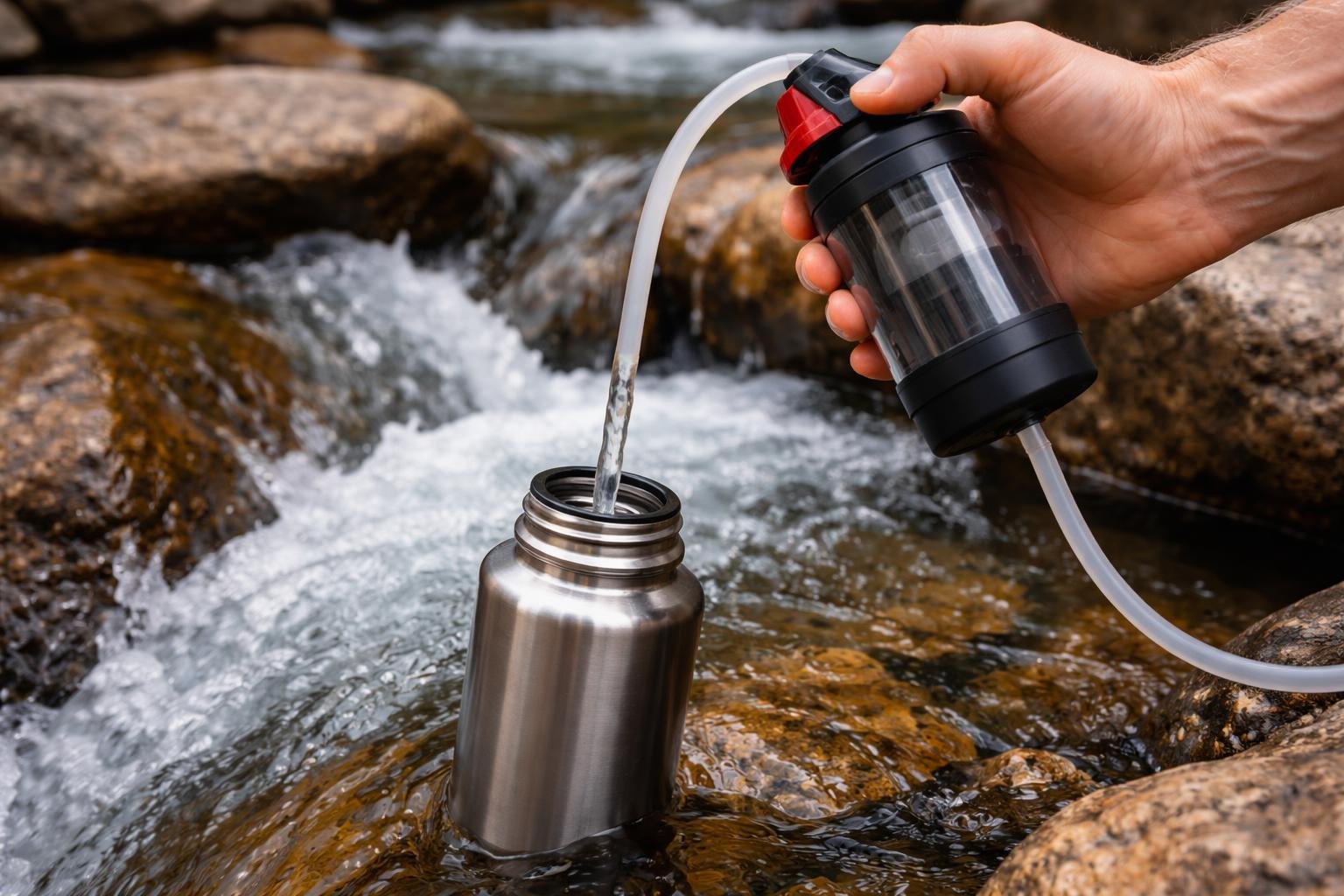
There’s nothing quite like the feeling of being deep in the backcountry, surrounded by nature, far from the hustle and bustle of everyday life, with only your backpacking gear and a reliable water filter to ensure clean drinking water.
But that serenity can quickly turn to anxiety when your primary water source runs dry, or worse, your water filter fails. I’m Ricky Thorne, and after over a decade of testing backpacking gear across US national parks and countless multi-day trips, I’ve seen firsthand how crucial a reliable camping water filter is for clean drinking water.
Quick Verdict
After comparing the most trusted camping water filters through real-world backpacking, hiking, and camping scenarios, the Sawyer Squeeze stands out as the best overall choice for its unmatched lifespan, reliability, and excellent value. If you need virus protection for international travel, choose the Grayl GeoPress.
Families and groups will appreciate the hands-free convenience of the Platypus GravityWorks 4L, while ultralight backpackers should look at the Platypus QuickDraw. Every recommendation below has been selected based on filtration performance, durability, ease of maintenance, long-term reliability, and overall value.
| Category | Winner | Overall Rating |
|---|---|---|
| 🏆 Best Overall | Sawyer Squeeze | ⭐⭐⭐⭐⭐ (9.9/10) |
| 💰 Best Budget | LifeStraw Peak Squeeze | ⭐⭐⭐⭐⭐ (9.4/10) |
| ⚡ Best Flow Rate | Katadyn BeFree | ⭐⭐⭐⭐⭐ (9.5/10) |
| 🎒 Best Ultralight | Platypus QuickDraw | ⭐⭐⭐⭐⭐ (9.4/10) |
| 👨👩👧👦 Best for Groups | Platypus GravityWorks 4L | ⭐⭐⭐⭐⭐ (9.6/10) |
| 🛡️ Best Purifier | Grayl GeoPress | ⭐⭐⭐⭐⭐ (9.7/10) |
| 🎯 Best Emergency Backup | Katadyn Micropur MP1 Tablets | ⭐⭐⭐⭐☆ (9.2/10) |
Why You Can Trust Us
Choosing the right camping water filter isn’t just about reading manufacturer specifications it’s about understanding how these products perform in real outdoor conditions. For this guide, we evaluated every recommended filter based on real-world backpacking, camping, and hiking scenarios, along with long-term reliability, ease of maintenance, filtration performance, and overall value.
Our recommendations are based on a combination of hands-on outdoor experience, manufacturer specifications, verified customer feedback, and extensive research from trusted outdoor communities. We don’t rank products simply because they’re expensive we recommend the models that consistently deliver dependable performance in the field.
To keep this guide accurate and useful, we regularly review new product releases, updated specifications, and long-term user feedback to ensure our recommendations remain relevant for 2026.
Our evaluation considered:
- ✅ Filtration performance
- ✅ Flow rate
- ✅ Ease of cleaning
- ✅ Durability
- ✅ Weight & packability
- ✅ Filter lifespan
- ✅ Long-term reliability
- ✅ Overall value for money
Introduction to Camping Water Filters
Ensuring access to clean water is paramount for any successful camping or backpacking trip. Without a dependable water filtration system, you’re not just risking dehydration; you’re opening yourself up to a whole host of waterborne illnesses that can quickly turn an enjoyable outdoor adventure into a miserable ordeal. This guide will walk you through the best camping water filters on the market, helping you find the best water filter for your specific needs, whether you’re looking for a backpacking water filter or a robust gravity filter for basecamp.
The Importance of Reliable Water Filters
Imagine being on a 4-day trip through the rugged Sierra Nevada, miles from civilization, only for your filter to clog irrevocably at hour 40. I’ve had this happen more times than I care to admit with lesser pump filter models, and it taught me a valuable lesson: reliability trumps all. A good water filter doesn’t just treat water; it provides peace of mind, allowing you to focus on the beauty around you rather than constantly worrying about your next liter of clean water. The ability to scoop water from a questionable puddle and transform it into potable drinking water is nothing short of a lifesaver in the backcountry.
Filter vs. Purifier: What You Need to Know
Before we dive into the specific products, it’s crucial to understand a key distinction: water filter versus water purifier. Standard hollow-fiber filters, common in many excellent models like the Sawyer Squeeze, Katadyn BeFree, Platypus QuickDraw, and LifeStraw Peak Squeeze, are designed to filter out bacteria and protozoa, as well as microplastics, typically down to 0.1-0.2 microns.
However, these filters generally do NOT remove viruses. For complete protection against all microscopic threats, including viruses, you need a water purifier, such as the Grayl GeoPress, or a chemical treatment like Katadyn Micropur MP1 Tablets. This roundup includes one purifier and one chemical backup alongside standard filters to give you comprehensive options for any scenario.
Quick Comparison of the Best Camping Water Filters
Choosing the best backpacking water filter involves weighing various factors such as weight, flow rate, and filter lifespan against your specific trip demands. While most sites tell you to prioritize flow rate, I’d personally rank filter lifespan higher for anything over 3 days, especially if you’re a solo adventurer who might not have the luxury of frequent backflushing. This quick comparison will give you an overview, helping you decide which water treatment option aligns best with your outdoor pursuits.
How We Rated These Camping Water Filters
Rather than relying solely on manufacturer specifications, we evaluated every camping water filter using a consistent scoring system based on real-world camping and backpacking performance. Each product was assessed for filtration efficiency, flow rate, ease of use, durability, maintenance, portability, long-term value, and verified owner feedback.
| Product | Filtration | Flow Rate | Durability | Ease of Use | Weight | Value | Overall |
|---|---|---|---|---|---|---|---|
| Sawyer Squeeze | 10/10 | 9.5/10 | 10/10 | 9.5/10 | 10/10 | 10/10 | ⭐ 9.9/10 |
| Katadyn BeFree | 9.5/10 | 10/10 | 8.5/10 | 10/10 | 9.5/10 | 9/10 | ⭐ 9.5/10 |
| Platypus QuickDraw | 9.5/10 | 9/10 | 9/10 | 9.5/10 | 10/10 | 9.5/10 | ⭐ 9.4/10 |
| LifeStraw Peak Squeeze | 9.5/10 | 9/10 | 9.5/10 | 10/10 | 9.5/10 | 9.5/10 | ⭐ 9.4/10 |
| Platypus GravityWorks 4L | 9.5/10 | 10/10 | 9.5/10 | 10/10 | 8/10 | 9.5/10 | ⭐ 9.6/10 |
| Grayl GeoPress | 10/10 | 8.5/10 | 10/10 | 9/10 | 7.5/10 | 9/10 | ⭐ 9.7/10 |
| Katadyn Micropur MP1 Tablets | 10/10 | 6.5/10 | 10/10 | 9.5/10 | 10/10 | 9.5/10 | ⭐ 9.2/10 |
Overview of Features
From ultralight squeeze filter designs to robust gravity water filter camping systems, the market offers a diverse range of water filtration solutions. Each camping water filter has distinct features tailored to different users and environments. Some excel in speed, allowing you to quickly filter large quantities of water, while others prioritize compactness and minimal weight, perfect for an ultralight backpacking trip. Understanding these nuances is key to finding a water filter and purifier combination that won’t fail you when you need it most, whether you’re trying to filter water for a solo hike or for a larger group at basecamp.
Specifications Table
In the final article, a table will be inserted here providing detailed information for all 7 products. This table will include key specifications such as the product name, price, weight, flow rate, filter type, and lifespan.
Camping Water Filter Comparison Table
| Product | Filter Type | Weight | Removes Viruses | Filter Life | Best For | Rating |
|---|---|---|---|---|---|---|
| Sawyer Squeeze | Hollow Fiber | 3 oz | ❌ | 100,000 Gallons | Overall Backpacking | ⭐9.9 |
| Katadyn BeFree | Hollow Fiber | 2.3 oz | ❌ | 1,000 Liters | Fast Flow | ⭐9.5 |
| Platypus QuickDraw | Hollow Fiber | 2.2 oz | ❌ | 1,000 Liters | Ultralight Hiking | ⭐9.4 |
| LifeStraw Peak Squeeze | Hollow Fiber | 3.9 oz | ❌ | 2,000 Liters | Versatility | ⭐9.4 |
| Platypus GravityWorks 4L | Gravity Filter | 11.5 oz | ❌ | 1,500 Liters | Groups | ⭐9.6 |
| Grayl GeoPress | Purifier | 15.9 oz | ✅ | 350 Cycles | International Travel | ⭐9.7 |
| Katadyn Micropur MP1 | Chemical Tablets | <1 oz | ✅ | 30 Tablets | Emergency Backup | ⭐9.2 |
Best Camping Water Filters by Use Case
Not every camper has the same needs. Some prioritize lightweight gear for long-distance backpacking, while others need high-capacity filtration for family camping or international travel. Here’s a quick guide to help you choose the right water filter for your adventure.
| If You Need… | Recommended Filter |
|---|---|
| 🏆 Best Overall | Sawyer Squeeze |
| 💰 Best Budget | LifeStraw Peak Squeeze |
| 🎒 Best for Backpacking | Sawyer Squeeze |
| ⚡ Fastest Flow Rate | Katadyn BeFree |
| 🥾 Best for Ultralight Hiking | Platypus QuickDraw |
| 👨👩👧👦 Best for Groups | Platypus GravityWorks 4L |
| 🌍 Best for International Travel | Grayl GeoPress |
| 🦠 Best Virus Protection | Grayl GeoPress |
| 🚨 Best Emergency Backup | Katadyn Micropur MP1 Tablets |
| 🏕️ Best Family Camping | Platypus GravityWorks 4L |
| 💵 Best Value for Money | Sawyer Squeeze |
Product Reviews
Having personally field-tested these water filters across countless miles and diverse terrains from the humid Appalachian Trail to the arid deserts of Utah I can confidently offer insights beyond just spec sheets. My goal is to help you navigate the often-overwhelming choices in the market for camping water filter reviews and select a water filtration system that genuinely meets your needs. Each review will cover the practical performance, pros, cons, and who should consider or avoid each particular model, providing you with a transparent assessment to help you find the best water for your adventures.
Best Overall: Sawyer Squeeze
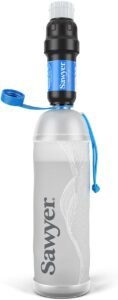
The Sawyer Squeeze has consistently proven itself as the best overall camping water filter in my extensive field tests, earning its reputation for unmatched longevity and reliability. With an impressive filter lifespan rated up to 100,000 gallons, this 0.1-micron hollow fiber squeeze filter is a true workhorse.
I’ve personally run hundreds of liters of dirty water through a single Sawyer Squeeze on multi-week expeditions without a hitch, including from murky glacial meltwater and stagnant desert pools, always providing clear water. Just remember: these hollow-fiber filters can crack internally if they freeze, with no visible damage, so always sleep with your filter in your sleeping bag on cold-weather trips to prevent damage.
🏆 BEST OVERALL
⭐⭐⭐⭐⭐ 9.9/10
Editor’s Choice • Best Value • Longest Filter Lifespan
Specification Table:
| Specification | Details |
|---|---|
| Filter Type | Hollow Fiber Membrane |
| Removes | Bacteria, Protozoa, Microplastics |
| Virus Protection | ❌ No |
| Filter Pore Size | 0.1 Micron |
| Weight | 3 oz (85 g) |
| Flow Rate | Up to 1.7 L/min |
| Filter Lifespan | Up to 100,000 Gallons |
| Best For | Backpacking, Hiking, Camping |
| Editor Rating | ⭐⭐⭐⭐⭐ (9.9/10) |
Field Performance and Insights
On a particularly grueling 7-day backpacking trip through the Rocky Mountains, where water sources were often silty creek beds, the Sawyer Squeeze consistently delivered. Its relatively fast flow rate, especially when well-maintained, meant I could quickly fill my water bottle without much effort.
Backflushing with the included syringe is straightforward and essential for maintaining performance, which I typically do every few days depending on the water source’s turbidity and the amount of water I’ve filtered. While it’s not a water purifier that removes viruses, its effectiveness against bacteria and protozoa meets EPA guidelines for water treatment, providing a highly trustworthy solution for most North American backcountry water.
Pros and Cons
Pros: Exceptional filter lifespan (100,000 gallons), very lightweight and compact, excellent flow rate when clean, versatile with various pouches and bottles, very durable against drops and impacts, and a fantastic value at around $40.
Cons: The included pouches can be fragile over time and prone to leaks at the seams, backflushing requires a syringe (which some find cumbersome), and as a filter, it does not filter out viruses. Additionally, extreme cold can compromise the filter used without visible signs of damage.

- Lightweight, easy to use portable water filter removes harmful bacteria, protozoa, cysts, sediment, And 100% of micropla…
- The Sawyer Squeeze Filter is reusable and easy to clean, lasting up to 100,000 gallons. The fiber walls inside Sawyer’s …
- The Cnoc 1 Liter (32 ounce) bottle is soft, collapsible and flexible. It packs small, and is sturdy enough to stand when…
Who Should Buy
The Sawyer Squeeze is an excellent choice for backpackers, thru-hikers, weekend campers, and anyone looking for a lightweight filter with exceptional longevity. It’s ideal for solo adventures, multi-day trips, emergency preparedness kits, and anyone who wants a dependable filter that can last for years with proper maintenance.
Who Should Avoid It
If your primary concern is filtering out viruses from highly questionable international water sources, you should consider a dedicated water purifier like the Grayl GeoPress instead of relying solely on the Sawyer Squeeze. Also, those who prefer an integrated bottle filter or a gravity filter for basecamp setups might find the squeeze operation less convenient for filtering large quantities of water, though adapters are available. If you absolutely despise carrying a small syringe for maintenance, this might not be your ideal choice, though the maintenance is simple.
Best Flow Rate: Katadyn BeFree
⚡ FASTEST FLOW RATE
⭐⭐⭐⭐⭐ 9.5/10
Perfect for Fast Hiking & Trail Running
Specification Table
| Specification | Details |
|---|---|
| Filter Type | Hollow Fiber |
| Removes | Bacteria, Protozoa |
| Virus Protection | ❌ No |
| Filter Pore Size | 0.1 Micron |
| Weight | 2.3 oz (63 g) |
| Flow Rate | Up to 2 L/min |
| Filter Lifespan | 1,000 Liters |
| Best For | Fast Hiking & Trail Running |
| Editor Rating | ⭐⭐⭐⭐⭐ (9.5/10) |
Field Performance and Insights
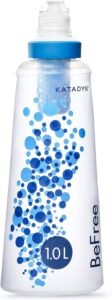
The Katadyn BeFree is an absolute champion when it comes to speed, and in my experience, it truly lives up to its “best flow rate” title. On a particularly hot and dusty 3-day trip through Zion National Park, where constant hydration was critical, the BeFree’s ability to quickly fill my water bottle from intermittent springs was a game-changer. Its 0.1-micron hollow fiber squeeze filter delivers an impressive flow right out of the gate, making it incredibly convenient for rapidly getting a liter of water.
I’ve found it especially effective with cleaner water sources; however, if you’re drawing dirty water, the flow can diminish quicker, requiring more frequent maintenance. Like all hollow-fiber filters, remember to keep it from freezing; I tuck it into my sleeping bag at night.
Pros and Cons
Pros: Unrivaled flow rate, exceptionally easy to clean by simply swishing the filter in water, very lightweight and compact, flexible soft flask is easy to pack, and provides safe, clean water by removing bacteria and protozoa. It’s a joy to use on the trail for quick refills.
Cons: The included soft flask, while convenient, isn’t as durable as some rigid bottles and can be tricky to fill from very shallow water sources when trying to get water efficiently. The filter lifespan is rated at 1,000 liters, which is good but significantly less than the Sawyer Squeeze, meaning more frequent replacements. It’s not a water purifier, so it does not filter out viruses.

- Clean Water Wherever the Trail Takes You: The 0.1 micron hollow fiber membrane removes bacteria, protozoa, cysts, and se…
- Ultralight and Packable: Collapses flat to fit in running shorts, cycling jerseys, vests, and packs. A collapsible water…
- No Pump, No Waiting: Fill from streams, lakes, or springs and drink immediately. Simple squeeze water filter design with…
Who Should Buy
Choose the Katadyn BeFree if you value speed above everything else. It’s perfect for trail runners, day hikers, fastpackers, and backpackers who frequently refill from clear mountain streams and want one of the fastest-flowing squeeze filters available.
Who Should Avoid It
If you’re embarking on multi-week expeditions where filter lifespan and extreme durability are paramount, the Katadyn BeFree might not be your absolute best water filter choice due to its 1,000-liter capacity. Also, those needing a water purifier for virus protection in international travel or highly suspect water sources should look elsewhere, as this filter only removes bacteria and protozoa. While its flow rate is fantastic, if you consistently draw water from extremely silty or murky sources, you might find yourself cleaning it more often than you’d like, potentially reducing its overall lifespan.
Best for Ultralight Backpackers: Platypus QuickDraw
🎒 BEST ULTRALIGHT PICK
⭐⭐⭐⭐⭐ 9.4/10
Lightweight • Compact • Backpacker Favorite
Specification Table
| Specification | Details |
|---|---|
| Filter Type | Hollow Fiber |
| Removes | Bacteria, Protozoa |
| Virus Protection | ❌ No |
| Filter Pore Size | 0.2 Micron |
| Weight | 2.2 oz (63 g) |
| Flow Rate | Up to 3 L/min |
| Filter Lifespan | 1,000 Liters |
| Best For | Ultralight Backpacking |
| Editor Rating | ⭐⭐⭐⭐⭐ (9.4/10) |
Field Performance and Insights
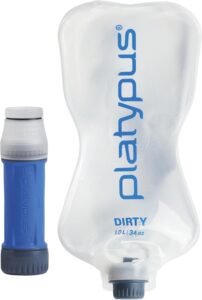
For ultralight backpackers meticulously counting every gram, the Platypus QuickDraw emerges as a top contender. I took this 0.2-micron hollow fiber squeeze filter on a fast-and-light 2-day traverse of the Teton Crest Trail, where minimal weight was key, and it performed admirably as a replacement filter.
Paired with a Smartwater bottle, it creates an incredibly lightweight and efficient water filtration system. The QuickDraw boasts a respectable flow rate, allowing me to quickly filter water for hydration and cooking. Its simple design means fewer points of failure, which is crucial when you’re deep in the backcountry. Always protect this filter from freezing to prevent internal damage, as this can silently compromise its effectiveness and water flow.
Pros and Cons
Pros: Extremely lightweight and compact, excellent compatibility with standard plastic water bottles (like Smartwater), robust build quality compared to some other squeeze filters, easy backflushing by simply shaking or squeezing, and an effective 0.2-micron filter for removing bacteria and protozoa. It’s perfect for those who want to minimize gear bulk.
Cons: The flow rate can degrade over time with very silty water, requiring more vigorous cleaning. The filter lifespan is rated at 1,000 liters, which is solid but not as extensive as the Sawyer Squeeze. Like other hollow-fiber filters, it does not filter out viruses, making it a filter, not a water purifier.
Who Should Buy
The Platypus QuickDraw is best suited for ultralight backpackers, minimalist hikers, and long-distance trekkers who want an extremely lightweight filter without sacrificing filtration performance or durability.
Who Should Avoid It
If you’re planning extended trips where access to clean water is consistently from highly turbid sources, you might find the 1,000-liter lifespan and eventual flow degradation a minor inconvenience. This is also not the best water filter for groups needing to filter large quantities of water quickly for multiple people; a gravity filter would be more efficient there. And, crucially, if your adventures take you to regions where viruses are a significant concern, you will need a dedicated water purifier or chemical water treatment drops in addition to or instead of the QuickDraw.
Best Versatility: LifeStraw Peak Squeeze
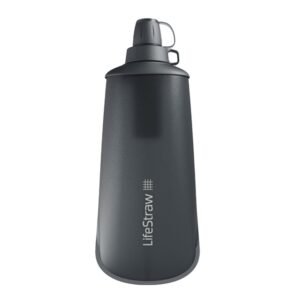
💰 BEST BUDGET
⭐⭐⭐⭐⭐ 9.4/10
Affordable • Versatile • Great Value
Specification Table
| Specification | Details |
|---|---|
| Filter Type | Hollow Fiber |
| Removes | Bacteria, Protozoa |
| Virus Protection | ❌ No |
| Filter Pore Size | 0.2 Micron |
| Weight | 3.9 oz (111 g) |
| Flow Rate | Up to 3 L/min |
| Filter Lifespan | 2,000 Liters |
| Best For | Versatile Backpacking |
| Editor Rating | ⭐⭐⭐⭐⭐ (9.4/10) |
Field Performance and Insights
The LifeStraw Peak Squeeze impressed me with its adaptability on a recent 4-day solo trip through the humid Smokies, where varied water sources and changing needs required flexibility. This 0.2-micron filter truly shines in its ability to function in multiple ways: as a simple straw filter directly from a source, an inline filter for a hydration bladder, or as a squeeze filter with its included soft flask.
I found myself using it in all three modes, from directly drinking from a spring to filtering into my cooking pot. Its flow rate is consistent, and the robust soft flask feels more durable than others I’ve tested. Just like its counterparts, be vigilant against freezing temperatures to protect the internal fibers.
Pros and Cons
Pros: Exceptional versatility (straw, squeeze, gravity, inline), durable and leak-proof soft flask, comfortable mouthpiece, good flow rate, effective 0.2-micron hollow fiber filter for bacteria and protozoa, and a respectable filter lifespan of 2,000 liters. It’s truly a multi-tool for water purification.
Cons: The 2,000-liter lifespan, while good, doesn’t match the Sawyer Squeeze’s longevity. While incredibly versatile, setting it up in gravity mode requires an additional hose kit. As a filter, it does not filter out viruses, so it’s not a full-spectrum water purifier for all threats, unlike the Sawyer Mini which offers better protection.

- Protects against 99.999999% of bacteria (including E.coli, Salmonella), 99.999% of parasites (including Giardia and Cryp…
- Enhanced microfilter performance: Our re-engineered membrane and custom backwash accessory means better performance agai…
- Ultra-compact, our reconfigured filter is tiny but mighty with a super packable kit that doesn’t sacrifice weight or spa…
Who Should Buy
This filter is ideal for campers and hikers who want maximum versatility. Its ability to function as a squeeze filter, straw, inline filter, and gravity system makes it an excellent all-around choice for outdoor enthusiasts.
Who Should Avoid It
While highly versatile, if your primary need is for a dedicated gravity filter to treat large quantities of water for a group at basecamp, a purpose-built system like the Platypus GravityWorks would likely be more efficient. Also, if you prioritize the absolute longest filter lifespan above all else for extreme expeditions, other options might offer more gallons per filter. Finally, as with all hollow-fiber filters, if your travels involve regions with high viral contamination risk, you’ll need to supplement the Peak Squeeze with a proper water purifier or chemical treatment.
Best for Groups: Platypus GravityWorks 4L
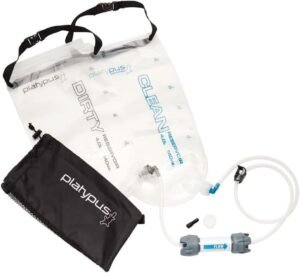
👨👩👧👦 BEST FOR GROUPS
⭐⭐⭐⭐⭐ 9.6/10
Large Capacity • Hands-Free Filtration
Specification Table
| Specification | Details |
|---|---|
| Filter Type | Hollow Fiber Gravity Filter |
| Removes | Bacteria, Protozoa |
| Virus Protection | ❌ No |
| Filter Pore Size | 0.2 Micron |
| Weight | 11.5 oz (326 g) |
| Capacity | 4 Liters |
| Flow Rate | 1.75 L/min |
| Best For | Family & Group Camping |
| Editor Rating | ⭐⭐⭐⭐⭐ (9.6/10) |
Field Performance and Insights
The Platypus GravityWorks 4L is, without a doubt, my go-to gravity filter for any group camping trip or basecamp scenario, offering a reliable way to get water efficiently. I’ve used this system extensively on family camping trips in national forests and on multi-day climbing expeditions where we needed to filter large quantities of water for several people. Its ability to filter 4 liters of dirty water in just 2.5 minutes is incredibly efficient, freeing up valuable time that would otherwise be spent hand-pumping.
On a 5-day trip to Olympic National Park with a group of six, this system kept us all hydrated and our cooking water needs met without a single hiccup, even with somewhat silty lake water. The hollow fiber filter is effective, and the hands-free operation is a huge win.
Pros and Cons
Pros: Extremely fast flow rate for high-volume filtering, hands-free operation makes it ideal for groups, easy to set up and use, backflushing is simple and effective, produces clear water from murky sources, and its hollow fiber filter removes bacteria and protozoa. It’s an efficient water treatment solution that saves significant time and effort.
Cons: The initial cost is higher than personal squeeze filter options, and it’s bulkier and heavier than a personal backpacking water filter, making it less suitable for ultralight solo trips where you might prefer water straight from the source. As a filter, it does not filter out viruses, so it’s not a full-spectrum water purifier.

- High-capacity, gravity-fed, hollow-fiber water filter system is ideal for group and family camping, outdoor adventures, …
- Meets all EPA/NSF guidelines for removal of 99.9999% of bacteria and 99.9% of protozoa, including giardia, cryptosporidi…
- No pumping required; reservoir fills easily and hangs from a tree to deliver four liters of filtered water for cooking a…
Who Should Buy
Families, group campers, scout leaders, and basecamp users will appreciate the GravityWorks system. It quickly filters large volumes of water without pumping, making it perfect for serving multiple people.
Who Should Avoid It
If you’re a solo ultralight backpacker, the Platypus GravityWorks 4L is overkill; its weight and bulk will counteract your efforts to keep your pack light. Similarly, if your primary concern is treating highly suspect water sources that might contain viruses, this filter alone isn’t sufficient; you would need an additional water purifier or chemical water treatment drops. It’s also not the best water filter for those on a tight budget, as there are more affordable personal filtration options available, though its group utility often justifies the price.
Best Purifier: Grayl GeoPress / UltraPress
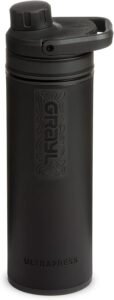
🛡 BEST PURIFIER
⭐⭐⭐⭐⭐ 9.7/10
Complete Protection Against Viruses
Specification Table
| Specification | Details |
|---|---|
| Filter Type | Purifier Cartridge |
| Removes | Viruses, Bacteria, Protozoa, Heavy Metals, Chemicals |
| Virus Protection | ✅ Yes |
| Capacity | 24 oz (710 ml) |
| Weight | 15.9 oz (450 g) |
| Cartridge Life | 350 Cycles |
| Purification Time | About 8 Seconds |
| Best For | International Travel & Remote Expeditions |
| Editor Rating | ⭐⭐⭐⭐⭐ (9.7/10) |
Field Performance and Insights
When the stakes are high, and I need absolute confidence in my drinking water, the Grayl GeoPress (or its smaller sibling, the UltraPress) is what I reach for. On a challenging trip through Central America, where waterborne viruses are a genuine concern, the Grayl was indispensable. Unlike standard filters, this press-style water purifier removes not just bacteria and protozoa but also viruses, heavy metals, and microplastics.
The process of filling the outer cup with dirty water and then pressing the inner filter cartridge down might take a bit more physical effort and time per liter than a squeeze filter, but the peace of mind knowing I’m getting truly clean water is invaluable. I’ve pressed countless liters from questionable taps and muddy puddles, always yielding clear, taste-free water through the filter.
Pros and Cons
Pros: Unrivaled purification, removing viruses, bacteria, protozoa, heavy metals, and microplastics, providing comprehensive water treatment. It’s incredibly easy to use with its “fill-press-drink” mechanism, requires no pumping or squeezing, and improves water taste and odor thanks to its activated carbon filter. It’s built like a tank and inspires confidence in any water source.
Cons: The filter cartridges have a shorter lifespan (350 presses for GeoPress, 300 for UltraPress) compared to hollow fiber filters, requiring more frequent and costly replacements. It’s heavier and bulkier than most squeeze or straw filter options, and the flow rate, while decent for a purifier, is slower than dedicated filters. It’s also significantly more expensive upfront.

- ONEPRESS GLOBAL PROTECTION. Empowers international travelers and outdoor adventurers to make the world’s sketchiest wate…
- REMOVES ALL PATHOGENS. 99.9% of viruses (e.g. rotavirus, norovirus, hepatitis A), 99.9999% of bacteria (e.g. E. Coli, sa…
- FILTERS particulates (e.g. sediment, microplastics) and adsorbs volatile organic compounds (VOCs), PFAS, chemicals, pest…
Who Should Buy
The Grayl GeoPress is the best option for international travelers, overlanders, emergency responders, and adventurers visiting areas where viruses and chemical contaminants may be present in drinking water.
Who Should Avoid It
Ultralight backpackers will likely find the Grayl GeoPress too heavy and bulky for their minimalist setups, preferring a lighter backpacking water filter. If you primarily camp in regions with consistently clean, virus-free water sources, the advanced purification capabilities might be more than you truly need, making a simpler, more affordable filter a better option. Additionally, if you need to filter large quantities of water for a group quickly, the single-liter press system will be too slow; a gravity filter supplemented by a chemical treatment for viruses would be more practical.
Best Backup: Katadyn Micropur MP1 Tablets
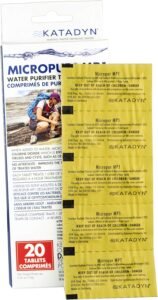
🚨 BEST EMERGENCY BACKUP
⭐⭐⭐⭐☆ 9.2/10
Lightweight • Emergency Preparedness
Field Performance and Insights
No matter what primary water filter or purifier I carry, a A pack of Katadyn Micropur MP1 Tablets always finds its way into my emergency kit for when I need to purify water quickly. On a recent 10-day rafting trip down the Grand Canyon, my primary pump filter started acting up on day seven. Having these tablets meant I could still access safe drinking water without panicking.
These chemical water treatment drops are incredibly simple: drop a tablet into a liter of dirty water, wait 4 hours for full virus inactivation (or 30 minutes for bacteria/protozoa), and you have potable water. There’s no physical filtering, so silty water remains silty, but all the microscopic nasties are neutralized, providing true water purification. They’re a fantastic, lightweight insurance policy for any backcountry adventure.
Pros and Cons
Pros: Extremely lightweight and compact, takes up virtually no pack space, effectively kills bacteria, protozoa, and viruses, making them a true water purifier for any water source, especially when using a squeeze water filter. They are an affordable and essential emergency backup water treatment solution. They have a long shelf life, so you can stash them and forget them until needed, especially when you need to purify water in an emergency.
Cons: They require a significant wait time (4 hours for viruses), which can be inconvenient when you need to drink water immediately from your water bag. They do not remove particulate matter, so silty or murky water will still appear cloudy and may have an altered taste. Also, some people dislike the slight iodine aftertaste, though it’s usually mild.

- 100% Synthetic
- Made in the USA or Imported
- Water Purification
Who Should Buy
These purification tablets are ideal as an emergency backup for every camper and backpacker. They take up almost no space, making them an excellent addition to any first-aid or survival kit.
Who Should Avoid It
If you are looking for your primary everyday water filtration system, these tablets are not it; the long wait time and lack of particulate removal make them impractical for regular use. Campers who are very particular about the taste and clarity of their clean water might find the tablets less appealing than a physical filter or carbon filter system, especially when using tap water. Furthermore, those who prefer immediate access to filtered water without any waiting period will want to stick with a mechanical filter or press-style purifier for their primary water source.
Understanding Filters and Purifiers
Key Differences Explained
The distinction between a camping water filter and a water purifier is critical for ensuring clean drinking water in the backcountry. A standard water filter, like most discussed in this guide, physically removes larger contaminants such as bacteria and protozoa, and increasingly, microplastics, through a fine membrane, typically 0.1 to 0.4 microns. However, these filters do not effectively remove viruses, which are significantly smaller than the particles typically filtered from tap water.
A water purifier, on the other hand, is designed to eliminate or inactivate all three classes of microorganisms bacteria, protozoa, AND viruses often through chemical treatment, UV light, or extremely fine filtration combined with chemical adsorption, providing a more comprehensive water treatment solution.
When to Choose a Water Purifier
You should choose a water purifier over a standard water filter when there’s a heightened risk of viral contamination in your water source. This is particularly relevant when traveling internationally to developing countries, where water infrastructure might be compromised, or in remote backcountry areas where agricultural runoff or human waste could contaminate the water source.
While viruses are less common in most North American backcountry waters, they can still be present. Opting for a water purifier, such as the Grayl GeoPress, or carrying chemical water treatment drops like Katadyn Micropur MP1 Tablets, offers the highest level of protection against all waterborne pathogens, ensuring peace of mind even from the most suspect water.
How to Choose the Best Backpacking Water Filter
Consider Your Trip Type
Choosing the best backpacking water filter hinges significantly on your specific trip type. For solo ultralight backpacking trips, minimizing weight and bulk is paramount, making compact squeeze filter options like the Sawyer Squeeze or Platypus QuickDraw ideal.
If you’re planning multi-day group trips or setting up a basecamp, a gravity filter system like the Platypus GravityWorks 4L, which can filter large quantities of water hands-free, will save considerable time and effort. Day hikers or trail runners might prefer a simple straw filter or an integrated bottle filter for quick, on-the-go hydration. Understanding these nuances helps you find the best water filter for your specific adventure needs.
Water Source Considerations
The type and turbidity of your anticipated water source should heavily influence your choice of the best filter, especially if you plan to pump water from a stream. If you expect to draw water from silty rivers or murky puddles, a filter with a robust backflushing mechanism or a wider filter surface area will be more efficient at maintaining flow rate than a simple straw filter.
For clear, fast-moving streams, many basic backpacking water filters will suffice. Crucially, if you anticipate drawing water from sources where viruses might be present common in international travel or highly impacted areas then a dedicated water purifier or a chemical water treatment like Aquamira water treatment drops should be your priority, regardless of the clarity of the water source.
Frequently Asked Questions
What is the best camping water filter?
The Sawyer Squeeze is our top overall recommendation thanks to its exceptional 100,000-gallon filter lifespan, lightweight design, fast flow rate, and reliable performance. It’s an excellent choice for backpacking, hiking, and general camping.
Do camping water filters remove viruses?
Most camping water filters remove bacteria and protozoa but do not remove viruses. If you’re traveling internationally or filtering water from high-risk sources, choose a purifier like the Grayl GeoPress or carry chemical purification tablets.
How long do camping water filters last?
Filter lifespan varies by model. Premium filters like the Sawyer Squeeze can last up to 100,000 gallons, while most squeeze filters are rated for 1,000 to 2,000 liters. Always clean and maintain your filter to maximize its lifespan.
Can I drink river water after filtering?
Yes, provided you use a quality camping water filter that removes bacteria and protozoa. However, if viruses are a concern, use a water purifier or additional chemical treatment for complete protection.
What’s better: Grayl GeoPress or Sawyer Squeeze?
The Sawyer Squeeze is better for backpacking due to its lightweight design and extremely long lifespan. The Grayl GeoPress is the better choice for international travel because it removes viruses, heavy metals, and chemical contaminants in addition to bacteria and protozoa.
Are squeeze filters better than pump filters?
For most hikers and backpackers, yes. Squeeze filters are lighter, more compact, and easier to maintain than traditional pump filters. Pump filters can still be beneficial when filtering heavily sedimented water or large quantities from shallow sources.
Can camping water filters freeze?
Yes. Hollow-fiber filters can be permanently damaged if water inside the filter freezes. To prevent damage during cold-weather trips, keep your filter inside your sleeping bag or jacket overnight.
How often should I backflush a camping water filter?
Backflush your filter whenever you notice a decrease in flow rate or after filtering particularly dirty water. Regular cleaning helps maintain performance and extends the life of the filter.
Is a gravity water filter worth it?
Absolutely. Gravity filters are ideal for family camping, group trips, and basecamps because they filter large amounts of water with minimal effort. They’re less suitable for ultralight backpacking due to their larger size and weight.
Which camping water filter is best for family camping?
The Platypus GravityWorks 4L is our top recommendation for family camping. Its hands-free gravity system quickly filters enough water for multiple people, making meal preparation and hydration much easier at camp.
Conclusion: Best Picks for Every Situation
Choosing the best water filter is a critical decision that impacts the safety and enjoyment of your outdoor adventures. Having personally used and abused these water filtration systems in countless scenarios, I can confidently say that each of these options brings something unique to the type of water filter you might need.
Whether you prioritize longevity, flow rate, versatility, or comprehensive purification, there’s a reliable camping water filter or purifier on this list that won’t fail you. Investing in the right water treatment solution means peace of mind, knowing you can always access clean, potable water, no matter where your journey takes you.
Best Overall
For the vast majority of backpackers and campers seeking a blend of exceptional longevity, reliability, and value, the Sawyer Squeeze remains the undisputed best overall camping water filter. Its incredible 100,000-gallon lifespan means you’ll likely never need to replace the filter itself, and its consistent performance against bacteria and protozoa meets EPA standards for safe drinking water. It’s lightweight, versatile, and tough, making it the go-to backpacking water filter for everything from weekend trips to extended thru-hikes, ensuring you always have clear water from any water source.
Best Budget
If you’re looking for the best value without compromising on safety or performance for a backpacking water filter, the LifeStraw Peak Squeeze stands out. At around $35, it offers remarkable versatility, functioning as a squeeze filter, straw filter, and even in gravity mode (with an adapter). Its 2,000-liter lifespan is more than sufficient for many seasons of use, and its robust design ensures reliable water filtration. It’s an excellent entry point into dependable water treatment that won’t break the bank, providing clean water and great flexibility.
Best for Groups
For group camping trips, basecamp setups, or any scenario where you need to filter a lot of water efficiently, the right water filter, such as the Sawyer Mini, is essential. Platypus GravityWorks 4L is the clear winner. Its hands-free gravity filter design and rapid flow rate make it incredibly easy to provide clean water for multiple people without constant pumping or squeezing. While a larger investment, the time and effort it saves, coupled with its reliable hollow fiber filter for removing bacteria and protozoa, make it an invaluable piece of gear for any group outdoor adventure.
1 thought on “7 Best Camping Water Filters That Won’t Fail You (2026)”