I’ve spent more nights than I can count waking up to the rhythmic drumming of rain against nylon, praying my boots weren’t floating in a puddle by sunrise. There’s a specific kind of misery that comes with dragging a soaking wet raincoat into your sleeping bag. It ruins everything. Look, the difference between a miserable trek and a cozy morning boils down to one often-ignored feature.
The truth is, understanding what is a tent vestibule? is the ultimate game-changer for your 2026 kit. It’s not just a fancy porch; it’s your gear’s literal bodyguard. While many hikers focus on weight, the real win is finding the best budget backpacking tents for beginners that don’t skimp on this covered space. I’ve seen too many people fall for common tent setup mistakes to avoid, like leaving their pack exposed to the elements or tracking mud directly onto their floor. Here’s the kicker: mastering a few vestibule storage hacks for 2026 will keep your living quarters pristine even when the trail is a swamp.
I’m going to show you how to treat that little slice of fabric like a pro mudroom. You’ll learn how to vent your fly to stop condensation and where to tuck your stove for that safe morning coffee. Let’s get your gear out of the rain and into the dry.
Understanding Tent Vestibules
Definition and Purpose of a Tent Vestibule
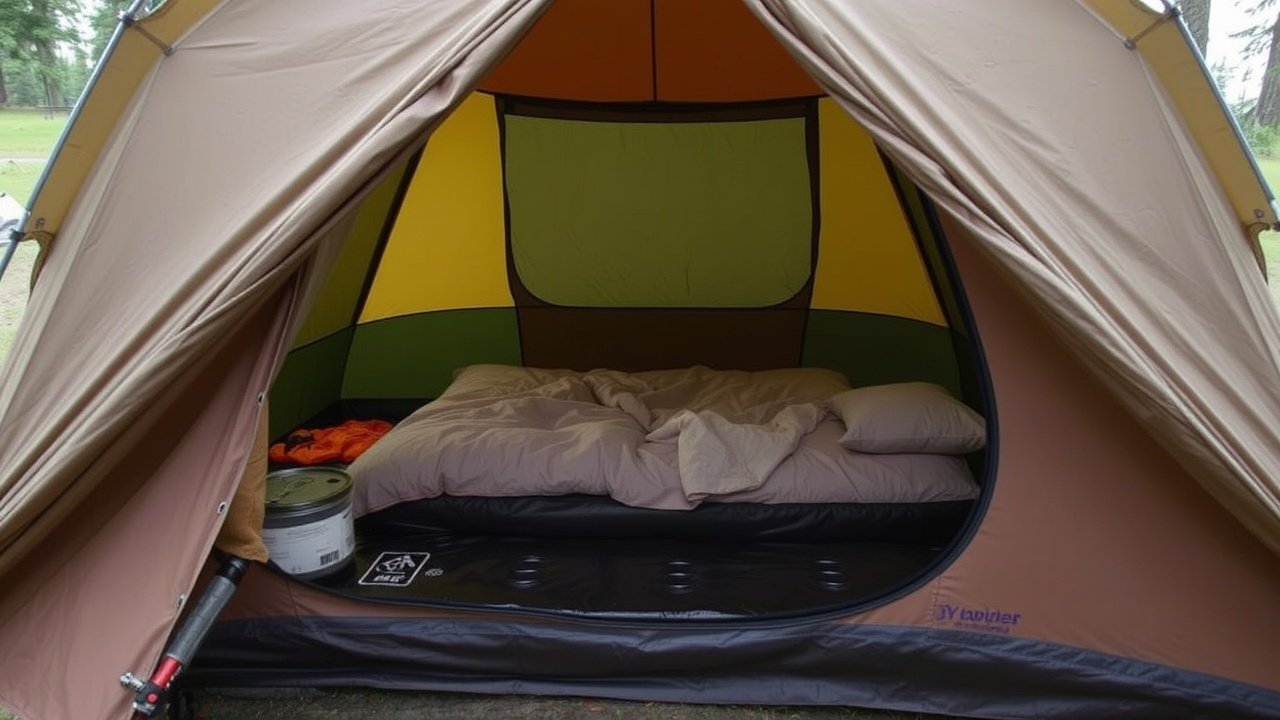
A tent vestibule is an integral component of many modern tent designs, serving as a transitional, covered area that extends beyond the main living space of the inner tent. Functionally, it acts as an additional layer of protection, typically formed by extending the rainfly beyond the primary tent body, thus creating extra space outside the tent but underneath a protective tarp-like covering.
This ingenious design provides a dedicated storage space for gear, preventing it from being exposed to adverse weather conditions while keeping the inside of the tent clean and dry. It’s a fundamental feature that distinguishes a basic tent from one designed for more rigorous backpacking or camping experiences, offering a sheltered zone for everything from muddy boots to cooking equipment.
Importance of Vestibules in Backpacking Tents
For those engaged in backpacking, the importance of a vestibule cannot be overstated. When choosing a tent, especially for long treks or multi-day camping trips, a tent with a vestibule is a crucial consideration. This extra space allows campers to store gear, such as a backpack, hiking boots, or cooking equipment, safely outside the main sleeping area but still under cover.
This not only keeps the inner tent clean and spacious but also protects valuable gear from rain, dew, or even snow, which is particularly vital during bad weather. The convenience of having a designated gear storage area enhances the overall camping experience, making the lightweight tent or ultralight two-person tent far more functional and comfortable in varied weather conditions.
How a Tent Vestibule Keeps Your Gear Dry
The primary mechanism by which a tent vestibule keeps your gear dry is through its design as a covered area, which is essential when entering the tent. Essentially, it acts as a protective barrier, preventing direct exposure of stored items to precipitation. When you use the vestibule, your backpack and other gear stored underneath the vestibule are shielded by the rainfly, which diverts water away from the tent body and its contents.
This not only safeguards against external moisture but also helps manage internal condensation. By storing wet or damp items in the vestibule rather than inside your tent, you reduce the amount of moisture introduced into the inner tent, contributing to a drier and more comfortable living space. Proper ventilation, often facilitated by the vestibule’s design, also plays a role in minimizing condensation, further ensuring gear remains dry when entering the tent.
Types of Tent Vestibules
Common Types of Tent Vestibules
When looking for a tent, understanding the common types of tent vestibules is crucial for any camper seeking to enhance their camping experience. The most prevalent design is the front vestibule, which is typically located at the main entrance, extending from the front of a tent. This configuration offers a convenient extra space for gear storage, allowing easy access to a backpack or other essentials right outside the inner tent.
Another common design is the side vestibule, often found on larger backpacking tents or two-person tents, which provides additional sheltered area on the side of the tent for good ventilation. Some tent designs may even incorporate multiple vestibules, offering ample extra storage and dedicated covered area for several campers’ gear, preventing the accumulation of wet items inside the tent. Each type of tent vestibule serves to optimize the living space and protect gear from bad weather.
Comparing Different Types of Vestibules
Comparing the various types of tent vestibules reveals distinct advantages and disadvantages that influence their suitability for different backpacking needs, particularly in terms of good ventilation and extra space to stash gear. A front vestibule is often ideal for solo campers or those utilizing a lightweight tent, offering direct access and a compact footprint. However, a side vestibule, especially in a two-person tent, can provide more spacious and organized gear storage, allowing each camper a dedicated area for their backpack and other essentials, thus minimizing clutter inside the tent.
Some ultralight tent designs might feature a very minimalist vestibule to save weight, while larger family tents might boast extensive vestibules that resemble an add-on tarp, offering significant extra space for cooking or even sitting during inclement weather conditions. The choice between these types of tent vestibules often comes down to the balance between weight, space, and intended use on a camping trip or trek, including considerations for traditional tent designs versus add-on vestibules.
Choosing the Right Type of Tent Vestibule for Your Needs
Choosing the right type of tent vestibule is paramount to a successful camping experience, particularly when navigating diverse weather conditions. When choosing a tent, consider the volume of gear you typically carry; if you have a large backpack and ample equipment, a more spacious side vestibule or even multiple vestibules will be more beneficial than a minimalist front vestibule. For those prioritizing ultralight setups for backpacking, a compact front vestibule or a small, efficient side vestibule on a lightweight tent might suffice, offering just enough covered area for essential gear stored underneath the vestibule.
Furthermore, think about ventilation; some vestibule designs offer superior airflow, which is critical for reducing condensation and preventing carbon monoxide poisoning if cooking in the vestibule (though this should always be done with extreme caution and adequate ventilation). Ultimately, the best tent vestibule is one that complements your specific type of tent, gear load, and anticipated camping trip conditions, ensuring your inner tent remains a dry, functional living space.
Extra Space Provided by Tent Vestibules
Benefits of Having Extra Space in a Backpacking Tent
The inclusion of extra space, particularly through a well-designed tent vestibule, offers substantial benefits for any camper, especially those embarking on a backpacking trip where every inch of living space and storage space is critical. This covered area acts as a buffer zone, creating an invaluable extension of the inner tent without adding significant weight to a lightweight tent or ultralight setup.
The primary advantage is the ability to store gear, such as a large backpack, muddy hiking boots, or cooking equipment, outside the main sleeping area but still safely protected from bad weather conditions. This keeps the inside of the tent clean, dry, and more spacious, significantly enhancing the overall camping experience by preventing the ingress of dirt and moisture. Furthermore, this dedicated gear storage area contributes to better organization and accessibility of essentials, making the everyday routine on a camping trip far more efficient and comfortable, especially with extra storage space.
Utilizing the Vestibule for Storage and Gear Organization
Effectively utilizing the tent vestibule for storage and gear organization is a hallmark of an experienced camper. This extra space, essentially a covered area created by extending the rainfly, serves as a crucial zone to store gear that you don’t want or need inside the inner tent. For instance, a backpack can be stowed underneath the vestibule, protected from rain and dew, while freeing up precious living space inside your tent.
Wet or muddy items, such as hiking boots or rain gear, can be left in the vestibule, preventing them from soiling the clean inner tent and providing room for storage. Furthermore, the vestibule can be used to organize cooking equipment, allowing for easy access while keeping fuel and food away from the sleeping area. This strategic use of the vestibule maintains a more hygienic and comfortable environment, showcasing the foresight in choosing a tent with a vestibule for any backpacking adventure.
Maximizing Comfort with an Extended Tent Area
Maximizing comfort during a camping trip is intrinsically linked to the effective use of an extended tent area, primarily offered by the tent vestibule. This covered area transcends mere storage space; it transforms the functional utility of your backpacking tent, particularly in adverse weather conditions. By providing a dedicated zone to store gear, the vestibule ensures that the inner tent remains a pristine and spacious living space, free from the clutter of a backpack or damp clothing.
This separation not only enhances physical comfort by allowing more room to move and sleep but also contributes to psychological well-being by maintaining a sense of order and cleanliness inside the tent. In situations of bad weather, a spacious front vestibule or side vestibule can even offer a sheltered spot for changing clothes, preparing quick meals (with extreme caution regarding carbon monoxide poisoning and proper ventilation), or simply enjoying the outdoors from a protected vantage point, thereby elevating the overall camping experience.
FAQ’s
1. outside of the tent. What is a tent vestibule?
A tent vestibule is a covered area outside the inner tent used for gear storage and protection.
2. Why is a tent vestibule important?
It keeps gear dry and prevents dirt and moisture from entering the sleeping area.
3. Does a vestibule keep your tent dry?
Yes, it acts as a buffer zone against rain and wet conditions.
4. Can you cook in a tent vestibule?
Only with caution and proper ventilation to avoid fire and carbon monoxide risks.
5. Is a vestibule included with all tents?
No, some tents include it while others require a separate rainfly or add-on.
6. How big should a tent vestibule be?
It should be large enough to store packs, shoes, and wet gear comfortably.
7. Does a larger vestibule improve ventilation?
Yes, it can help airflow and reduce condensation buildup.
8. Can you sleep in a tent vestibule?
It’s not designed for sleeping, but can be used in emergencies.
9. Are vestibules waterproof?
Yes, most are made from waterproof rainfly material.
10. What is the main benefit of a tent vestibule?
It keeps your tent interior clean, dry, and more organized, providing extra space to stash your gear outside of the tent.
Conclusion
A tent vestibule is a practical extension that enhances shelter, storage, and weather protection for campers. By providing a covered entryway for gear, muddy boots, and wet clothing, a vestibule keeps the tent interior cleaner and more comfortable while expanding usable space without adding bulk.
Choosing the right tent vestibule considering size, attachment style, and material can improve ventilation, safety, and convenience on any trip. For campers looking to maximize shelter efficiency and organization, understanding what a tent vestibule is and how it functions helps you pick the best setup for your needs.