
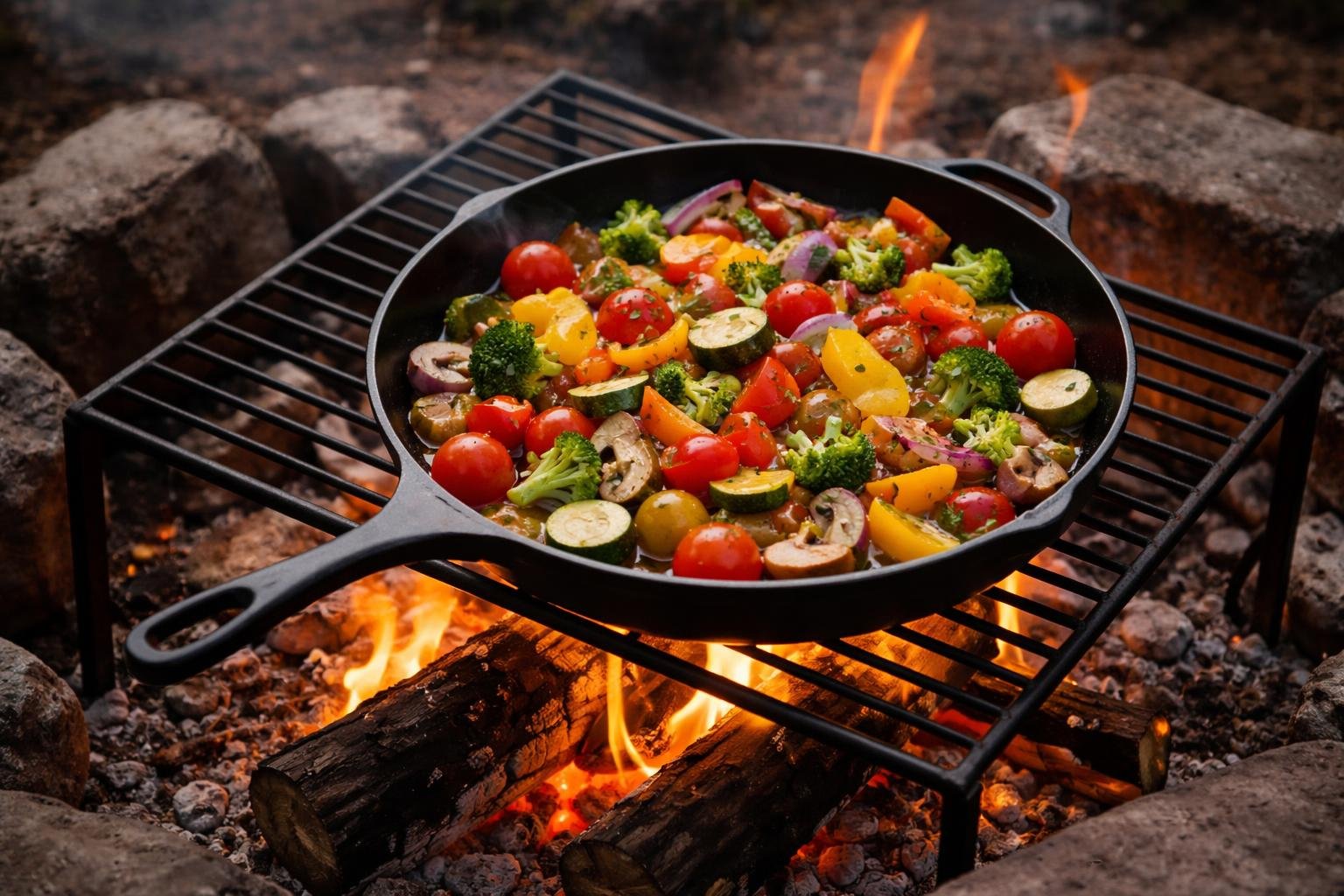
If you’re wondering how to cook food while camping without turning every meal into a hassle, you’re not alone. Nothing ruins a camping trip faster than a disappointing meal. Whether it’s burnt hot dogs over a smoky fire, soggy sandwiches from a poorly packed cooler, or spending more time cooking than enjoying the outdoors, bad camp food can turn an exciting adventure into a frustrating experience.
The good news? Great camp cooking doesn’t require professional chef skills or expensive gear. With the right planning, simple cooking techniques, and a few campsite-tested tricks, you can prepare delicious breakfasts, satisfying lunches, and memorable campfire dinners that everyone looks forward to.
In this guide, you’ll discover practical camp cooking tips, essential gear recommendations, easy camping meal ideas, food storage strategies, and proven methods for cooking over a campfire or camp stove. Whether you’re a first-time camper or a seasoned outdoor enthusiast, these tips will help you spend less time stressing over meals and more time enjoying the adventure.
Let’s turn your next camping trip into one where the food is just as memorable as the destination.
Our Camp Cooking Experience
Over the years, we’ve prepared hundreds of meals while camping in everything from established campgrounds to remote backcountry sites. We’ve cooked over campfires, propane camp stoves, portable grills, and cast iron Dutch ovens in a variety of weather conditions.
Through trial and error, we’ve learned that successful camp cooking isn’t about bringing complicated recipes or expensive equipment. the best camping meals are often the simplest ones meals that require minimal cleanup, use easy-to-pack ingredients, and can be prepared reliably after a long day outdoors.
Many of the tips in this guide come from real camping experiences, including managing food in hot weather, cooking during rain, organizing coolers efficiently, and preparing family-friendly meals that are both practical and satisfying at the campsite.
Whether you’re heading out for a weekend camping trip or planning a longer outdoor adventure, these proven camp cooking strategies can help make every meal easier, safer, and more enjoyable.
Introduction to Camp Cooking
Why Camp Cooking Is Unique
Camp cooking presents a unique set of circumstances that differentiate it significantly from preparing meals in a conventional kitchen. A successful camp cook understands that resourcefulness is key, often relying on a limited array of cooking equipment and working within the confines of a campsite environment. This distinct approach necessitates a shift in mindset, embracing the challenges and rewards of preparing delicious camping meals outdoors, often with innovative cooking methods that utilize natural elements or specialized camp cooking gear for an authentic outdoor experience.
Key Challenges in Camp Meals
Preparing camp meals often involves navigating several challenges. Campers must also contend with the nuances of cooking over a campfire or mastering a portable camp stove, both of which require different skill sets than a home kitchen. Additionally, maintaining cleanliness to prevent attracting wildlife and ensuring all cooking equipment is easy to clean after use are critical considerations for a smooth camping trip.
| Challenge Category | Specific Challenge |
|---|---|
| Food Management | Managing perishable food without refrigeration |
| Environmental Factors | Dealing with unpredictable weather |
| Resource Access | Limited access to potable water |
Essential Cooking Tips for Campers
To overcome challenges and ensure a satisfying culinary experience, campers should prioritize thoughtful meal planning and efficient food preparation for camping. Mastering basic campfire cooking techniques and understanding your camp stove are also essential cooking tips for any aspiring camp cook looking to create delicious camping meals.
| Aspect of cooking meals outdoors can enhance your overall camping experience. | Recommendation |
|---|---|
| Pre-preparation | Chopping vegetables or mixing spice blends at home to reduce cook time. |
| Camp Cooking Gear | Investing in versatile gear like a sturdy cast iron Dutch oven or heavy-duty foil. |
Meal Preparation Before Your Camping Trip
Planning Your Camping Menu
Thorough meal planning before your camping trip is paramount to a successful and enjoyable culinary experience. A well-thought-out camping menu prevents food waste, reduces cook time at the campsite, and ensures you have all the necessary ingredients for delicious camping meals. Consider the following when planning:
| Planning Factor | Description |
|---|---|
| Duration of Trip | How long you will be camping. |
| Number of Campers | The quantity of people to feed. |
| Cooler Storage Capabilities | The capacity for storing food. |
Prioritizing easy camping recipes that require minimal prep at the campsite, like one-pot wonders or foil packet meals, will simplify your camp cooking.
Easy Camping Recipes to Try at Home
Preparing components of your camp meals at home can drastically streamline your cooking process once you go camping. For instance, chopping vegetables, pre-cooking grains, or mixing dry ingredients for pancakes can save valuable time and effort. Explore easy camping recipes such as pre-made chili that only needs reheating, or a marinade for meats that can be packed in a sealed bag, perfect for camping. This approach not only makes for an easy camping meal but also ensures a delicious camping dinner with less stress, allowing you to focus on the joys of the campsite.
Food Storage Solutions to Prevent Spoilage
Effective food storage is crucial to prevent spoilage and keep your camp food fresh throughout your camping trip. Invest in quality coolers with good insulation, and utilize ice packs or blocks of ice to maintain low temperatures. Separate raw meats from other ingredients to avoid cross-contamination. For items that don’t require refrigeration, use airtight containers to protect them from moisture and pests. Proper storage ensures your food for camping remains safe and palatable, contributing to a great camping experience without any unpleasant surprises.
From Experience: One of the most effective cooler tricks we’ve used is freezing water bottles before a trip. They keep food cold longer than loose ice and provide clean drinking water once they melt.
Essential Camp Cooking Gear
Must-Have Cooking Equipment
Having the right cooking equipment is fundamental for any successful camp cook. Beyond a reliable camp stove or the ability to cook over a campfire, essential items include a durable cast iron Dutch oven for versatile cooking, a sturdy set of cooking utensils, and heavy-duty foil for easy camping recipes. Don’t forget a sharp knife and cutting board for prep work, and a heat-resistant glove for handling hot pots and pans. These tools are indispensable for preparing delicious meals and making your camp cooking efficient and enjoyable.
Choosing the Right Camp Stove
Selecting the ideal camp stove depends on your specific camping style and needs, especially when considering the types of meals that don’t require extensive preparation. For car camping, a two-burner propane stove offers versatility and ample cooking space, perfect for cooking meals that don’t require much effort, making it ideal for more elaborate camp meals. Backpackers might prefer a lightweight, compact stove that uses canister fuel, prioritizing portability. Consider the fuel type, simmer control, and wind resistance when making your choice. A reliable camp stove is a cornerstone of efficient camp cooking, ensuring you can prepare easy camping food even when a campfire isn’t feasible.
Best Containers for Camp Food
Choosing the best containers for your camp food is vital for organization, freshness, and preventing unwanted wildlife encounters at your campsite. Opt for durable, leak-proof, and stackable containers made from BPA-free plastic or silicone. Reusable silicone bags are excellent for marinades or ingredients that can be squished. For dry goods like pasta or coffee, sturdy, airtight containers are best to keep moisture and critters out. Proper containerization of your food for camping not only simplifies meal prep but also contributes to a cleaner, more hygienic camp cooking environment.
Cooking Methods for Campfire Meals
Campfire Cooking Techniques
Mastering various campfire cooking techniques is essential for any aspiring camp cook looking to create delicious camping meals. Direct cooking over hot coals is perfect for grilling meats and vegetables, while indirect heat, achieved by placing food to the side of the fire, is ideal for slower roasts or baking. Using a tripod with a hanging pot allows for simmering stews or boiling water. Each cooking method offers a unique way to transform simple ingredients into a great camping meal, making your next camping trip a culinary adventure.
Using a Dutch Oven Over a Fire
A cast iron Dutch oven is an indispensable piece of cooking equipment, perfect for camping desserts and hearty meals alike. for any camp cook, offering unparalleled versatility for campfire cooking. This heavy-duty pot can be used to bake bread, simmer stews, fry chicken, or even roast a whole chicken directly over hot coals. The even heat distribution of a cast iron Dutch oven ensures that your camp meals are cooked thoroughly and consistently. It’s a favorite camping item because it simplifies preparing delicious camping dinner recipes, making it an essential part of your camp cooking gear.
Foil Pack Cooking for Easy Camp Meals
Foil pack cooking is perhaps one of the easiest camping recipes and most convenient cooking methods for preparing delicious camp meals with minimal cleanup. By wrapping ingredients like vegetables, proteins, and seasonings in heavy-duty foil, you create a self-contained cooking environment that steams and bakes your food over the campfire or on a camp stove. This method ensures that all the flavors meld together beautifully, resulting in an easy camping meal that requires no pots or pans, simplifying your cook time and making your camping trip more relaxing.
Delicious Camping Meal Ideas
Best Camping Breakfast Ideas
Starting your day with a satisfying and easy breakfast is key to fueling your camping adventures. Consider making classic campfire pancakes or French toast cooked on a griddle over the camp stove. Breakfast burritos, pre-assembled at home and simply reheated, offer a quick and delicious camping meal. For something heartier, a Dutch oven can yield a fantastic breakfast casserole, making it a great option for cooking meals that don’t require much fuss. These easy-to-cook options ensure that your morning meal is both delicious and efficient, setting a positive tone for your entire camping trip.
Easy Camping Lunch Options
When planning easy camping lunches, convenience and minimal cook time are essential. when selecting easy camping food options., allowing more time for exploring the campsite. Sandwiches and wraps made with pre-cooked meats and cheeses are always a reliable choice. For a warm meal, a quick-cooking pasta salad or rehydrated soup can be prepared on a camp stove. Foil pack meals with quick-cooking ingredients are also excellent for a delicious camping lunch, offering warmth and flavor without much fuss. These are ideal for a camper who wants an easy camping meal.
Camping Dinner Recipes to Satisfy
After a day of outdoor activities, a hearty and delicious camping dinner is often the highlight of the day. Utilize your cast iron Dutch oven for comforting chili, savory stews, or even a roasted chicken. Foil pack dinners with sausage and vegetables offer a simple yet flavorful meal that cooks beautifully over a campfire. For car camping, pre-marinated steaks or burgers can be grilled to perfection. These camping dinner recipes are designed to be satisfying and easy to prepare, ensuring a great camping experience with delicious meals every time.
Safety Tips for Cooking at Camp
Managing Campfires Safely
Managing campfires safely is paramount for any camp cook to ensure a smooth and enjoyable camping trip. Always establish a fire pit in a clear, open area, away from tents, trees, and dry brush. Keep a bucket of water and a shovel readily available to extinguish any errant sparks or to douse the fire completely before leaving your campsite or going to sleep. Never leave a campfire unattended, and ensure all embers are cool to the touch before departure, especially when cooking with fire. Adhering to these campfire cooking safety tips prevents accidents and protects the natural environment.
Cooking Over a Portable Stove
Cooking over a portable camp stove offers a controlled and often safer alternative to campfire cooking, especially in areas with fire restrictions. Always place your camp stove on a stable, level surface, away from flammable materials to ensure safe cooking with fire. Ensure proper ventilation, especially if cooking inside a tent vestibule or a screened shelter, to prevent carbon monoxide buildup. Keep fuel canisters upright and store them away from direct heat. Familiarize yourself with your specific camp stove model, including its assembly and operation, to guarantee a safe and efficient cooking experience for all your camp meals.
Wildlife Safety and Clean-Up Tips
Maintaining a clean campsite is crucial for wildlife safety and an overall pleasant camping trip. After preparing delicious camp meals, immediately clean all cooking equipment, utensils, and food preparation surfaces. Store all food for camping, including snacks and pet food, in airtight containers or bear-resistant canisters, and never leave food scraps or garbage unattended. Dispose of dishwater properly, ideally away from your campsite and water sources, using biodegradable soap. These practices prevent attracting wildlife, ensuring a safe environment for both campers and animals.
Frequently Asked Questions About Camp Cooking
What is the easiest food to cook while camping?
Foil packet meals, hot dogs, burgers, sandwiches, breakfast burritos, oatmeal, and one-pot recipes are among the easiest camping foods. They require minimal ingredients, simple cooking equipment, and very little cleanup.
Is it better to cook over a campfire or a camp stove?
A camp stove offers better temperature control and faster cooking, while a campfire provides a traditional outdoor cooking experience and smoky flavor. Many campers bring both for maximum flexibility.
How do you keep food cold while camping?
Use a high-quality cooler with ice blocks or frozen water bottles, keep the cooler out of direct sunlight, and limit how often it’s opened. Organizing food into separate containers can also help maintain colder temperatures.
What foods should you avoid bringing camping?
Avoid highly perishable foods that spoil quickly without refrigeration, such as seafood, dairy-heavy dishes, and foods that require extensive preparation. Simple meals with fewer ingredients are usually best for camping.
What cookware is best for camp cooking?
Cast iron skillets, Dutch ovens, stainless steel pots, and lightweight camping cookware are excellent choices. The best option depends on your camping style and the meals you plan to prepare.
How much water should I bring for camp cooking?
In addition to drinking water, plan extra water for washing dishes, food preparation, and cleanup. Many campers underestimate how much water they need, so it’s wise to bring more than you think you’ll use.
Can I prepare camping meals at home?
Yes. Prepping ingredients at home by chopping vegetables, marinating meat, measuring spices, or even pre-cooking certain foods can significantly reduce cooking time at the campsite.
What are the best camping meals for families?
Family-friendly camping meals include tacos, chili, burgers, foil packet dinners, pasta dishes, breakfast casseroles, and Dutch oven recipes. These meals are easy to make and can feed larger groups efficiently.
How do I cook safely over a campfire?
Wait until the fire burns down to a bed of hot coals before cooking. Keep water nearby, never leave a fire unattended, and follow local fire regulations to ensure a safe camp cooking experience.
How do I prevent wildlife from being attracted to my campsite?
Store food in airtight containers or bear-resistant storage when necessary, clean dishes immediately after meals, dispose of trash properly, and never leave food unattended overnight.
What We’ve Learned After Years of Camp Cooking
After years of preparing meals at campgrounds, national parks, and remote campsites, we’ve found that simplicity almost always wins. Campers who spend less time cooking and cleaning typically enjoy their trips more. The best camp meals are rarely the most complicated they’re the ones that are easy to prepare, reliable in different weather conditions, and enjoyable to share around the campfire.
Conclusion: How to Cook Food While Camping
Camp cooking doesn’t have to be complicated to be memorable. In our experience, the best camping meals aren’t necessarily the most elaborate they’re the ones that bring people together after a day of adventure, require minimal stress, and leave everyone satisfied around the campfire.
By planning your menu ahead of time, prepping ingredients before leaving home, bringing the right cooking equipment, and mastering a few basic campfire or camp stove techniques, you can dramatically improve your outdoor cooking experience. Small details like organizing your cooler, packing extra water, and choosing simple recipes often make the biggest difference.
Whether you’re preparing a quick breakfast at sunrise, a trail-side lunch, or a hearty campfire dinner, successful camp cooking comes down to preparation, simplicity, and adaptability. Every camping trip is an opportunity to learn new skills, try new recipes, and create lasting memories with family and friends.
The next time you head to the campsite, use the tips in this guide to make cooking easier, cleanup faster, and every meal more enjoyable. With a little preparation and the right mindset, great camp food can become one of the highlights of every outdoor adventure.
Happy camping and enjoy every meal under the open sky!
1 thought on “How to Cook Food While Camping: Complete Beginner Guide”