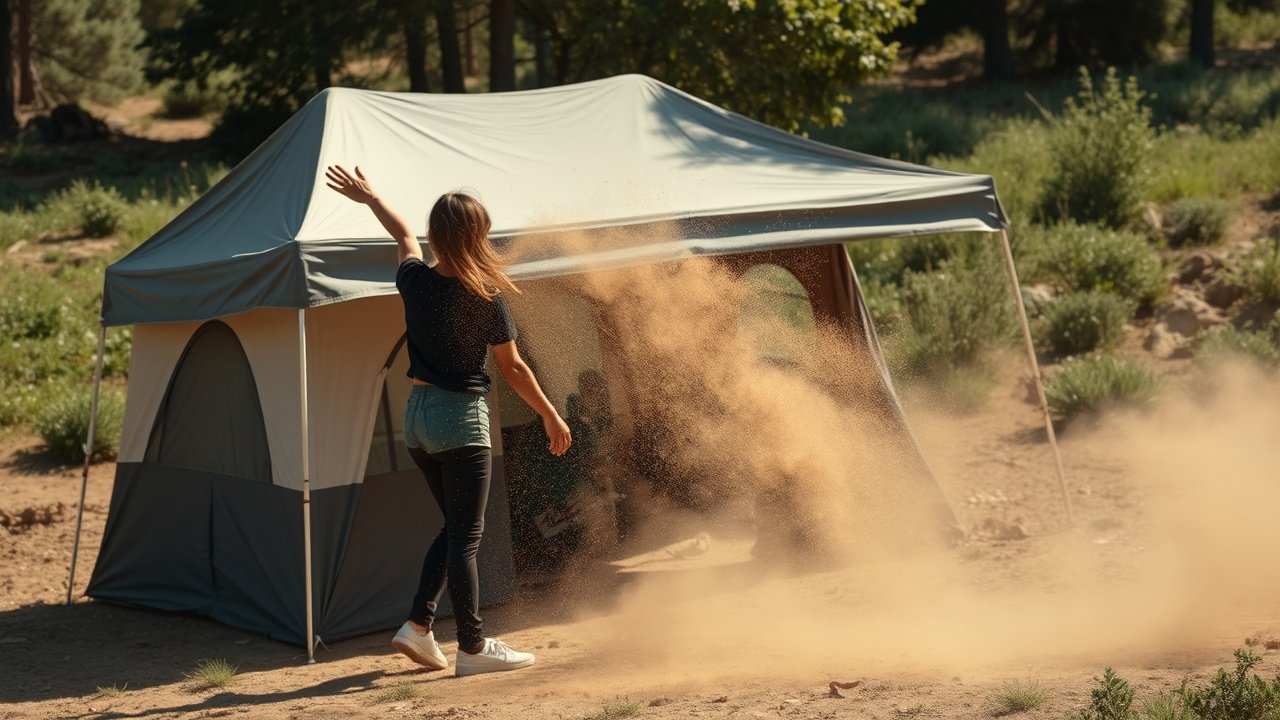
Learning how to clean a tent doesn’t have to be the post-trip nightmare you’re imagining. You’ve just hauled your gear into the garage after a weekend of mountain air and campfire stories, but as you unzip the bag, that “wet dog” smell hits you, reminding you to dry your gear properly. Your shelter your literal shield against the elements is currently a gritty mess of pine needles, dried mud, and questionable resin.
Leaving it packed away like that is a recipe for disaster. Moisture trapped in the folds breeds mould, which can permanently delaminate the fabric and ruin the water-resistant seal. Most campers assume the process involves a grueling afternoon of scrubbing and a backyard full of drying racks. It feels like a chore that sucks the joy out of the trip, leading many to just shove the mess into a corner and hope for the best.
That’s how gear dies.
But what if you could ditch the marathon scrubbing session and still protect your camping tent investment? You don’t need a professional restoration kit to get the job done. By focusing on a high-speed shelter maintenance workflow, you can tackle the debris and neutralize odors before they set in. This guide bypasses the fluff and focuses on a streamlined process to care for your camping tent. gear care routine that preserves the integrity of your shelter without stealing your Sunday.
Ready to see how the pros shave hours off their cleanup? Let’s break down the 15-minute blueprint that will have your tent smelling fresh and looking factory-new.
Understanding Tent Care
Importance of Keeping Your Tent Clean
washing the shelter is essential for several reasons, especially for the caring of your tent. A dirty tent can develop unpleasant odors and attract pests, which can ruin your camping experience. Regular canopy care prevents the buildup of dirt and grime that can damage the shelter material over time, ensuring your waterproof coating remains effective. Moreover, taking care of your shelter by keeping it clean is less likely to develop mold and old, preserving its water resistant coating and overall lifespan. Cleaning your shelter regularly ensures you can enjoy your camping shelter for years to come.
Common Issues: Mold and mildew
Mold and mildew are frequent problems for tents, especially if they’re stored damp. These fungi thrive in moist environments and can cause significant damage to shelter material. Mold or mould can weaken the tent’s fabric, create unpleasant smells, and even pose health risks. To prevent mold and mould, always dry your shelter thoroughly before storing it. If you notice mold and mildew, it’s crucial to clean the affected areas promptly to prevent further spread and damage.
Materials Matter: Tent Fabric Types
The type of tent fabric greatly influences how you should care for your tent. Most tents are made from nylon or polyester, often with a water resistant coating. Canvas tents, on the other hand, require different cleaning methods due to their natural fibers. Understanding the shelter material is essential for choosing the right cleaning products and techniques. Using harsh chemicals or improper cleaning methods can damage the tent fabric and compromise its water resistant properties, so always check the manufacturer’s instructions before washing a tent.
Quick tent Cleaning Methods
Spot Clean: Fast Solutions for Stains
For quick cleanups during camping trips, spot cleaning is your best friend, but remember to rinse your tent afterward. Address stainmark like sap or dirt as soon as you notice them to prevent them from setting. Dampen a washcloth with warm water and gently scrub the affected area. For tougher stainmark, you might need a mild soap or a specialized shelter cleaner. Remember to wash the area with clean water to remove any soap residue. Spot cleaning is a simple yet effective way to keep your wash the tent between thorough washes. This is an important part of shelter care to maintain the water resistant coating, which prevents leaks. Spot cleaning allows you to care for your tent.
Clean your Tent: When and How
How often should you cleanse the shelter? The entire tent should be cleaned when it’s visibly dirty or after several camping trips, especially if you Pack your shelter for a long period, to take caring of your tent. First, pitch your shelter to ensure you can access all areas. Use a soft brush or washcloth and warm water to gently clean the tent material. For a more thorough clean, you can use a specialized shelter cleaner like Nikwax Tech Wash, which helps maintain the water resistant coating. Avoid harsh chemicals, as they can damage the shelter material. wash your canopy thoroughly with clean water, paying special attention to seams and zips.
Using a washing machine for Tent Cleaning
While it’s generally not recommended, you can wash a shelter in the washing laundry machine under certain conditions. Only do this if the manufacturer’s instructions allow it, and always use a front-loading machine to prevent damage to the tent body. Use a gentle, enzyme cleaner or tech wash specifically designed for technical fabrics. Never use regular detergents or bleach. Place the shelter and rainfly in a large mesh bag to protect it. Wash on a delicate cycle with cold water. After washing, never put your shelter in the dryer. Instead, air dry the shelter completely in a shaded area before storing it.
Post-Cleaning Tent Care
Drying the Tent Properly
After washing a tent, properly drying the shelter is paramount to prevent mold and mildew growth. Never Pack your canopy when damp; always ensure it’s completely dry. Pitch your tent in a shaded area or hang it indoors to allow it to air dry. Avoid direct sunlight, as UV rays can damage the canopy material and degrade the water resistant coating.
Open all zippers and flaps to promote ventilation. Use a clean, dry sponge to absorb any remaining moisture. Ensure the canopy inside and outside are thoroughly dry before storing your shelter to prevent a damp shelter condition. Taking the time to dry your canopy properly will significantly extend its lifespan and ensure your camping shelter is ready for the next adventure.
Waterproofing After Cleaning
Cleaning your shelter can sometimes compromise the water resistant coating, so it’s essential to re-waterproof it periodically. After you wash your shelter and it’s completely dry, inspect the tent’s surface for any signs of wear or reduced water resistance. Use a tent cleaner or a specialized waterproofing spray to restore the water resistant coating. Apply the spray evenly, following the manufacturer’s instructions. Pay special attention to seams, as these are common areas for leaks. Allow the shelter to dry completely after applying the waterproofing treatment. Proper shelter care, including re-waterproofing, will ensure your shelter remains dry and comfortable during camping trips.
Storing Your Tent: Best Practices
Proper storage is crucial for maintaining your shelter’s condition. Before storing your tent, make sure it is completely dry to prevent mold and old. Clean the tent, removing any dirt, resin, or debris. Fold the shelter loosely, avoiding sharp creases that can damage the shelter material and hinder the caring of your tent.
Pack your canopy in a cool, dry place away from direct sunlight and extreme temperatures. Use a large, breathable bag rather than the original stuff sack to allow air circulation and take caring of your canopy. Avoid storing heavy items on top of the canopy, as this can cause damage. These canopy care tips will ensure your camping shelter remains in excellent condition for years to come, ready to set up your shelter for your next outdoor adventure.
1. Ensure the Tent Is Completely Dry
Never Pack a shelter damp. Even slightly wet fabric can develop mold and old within days. After cleaning, air the shelter fully set it up or hang it in a well-ventilated, shaded area until every seam and corner is dry.
2. Repair Before Storing
Inspect zippers, seams, and fly for damage. Patch tears, re-seal seams, and fix broken hardware so minor issues don’t worsen during storage.
3. Loosely Fold or Roll
Avoid long-term compression. Instead of stuffing the shelter into a tight stuff sack, fold or loosely roll it and pack it in a breathable bag or original large storage sack to prevent a damp tent situation. This preserves fabric coatings and insulation in some shelters.
4. Use a Breathable Storage Bag
Choose a cotton or mesh storage bag rather than a plastic bag to protect your damp tent. Breathable materials allow moisture to escape and reduce condensation that causes mould.
5. Pick the Right Location
- Pack in a cool, dry, and dark place away from direct sunlight to prevent UV damage.
- Avoid attics and basements that can be hot, humid, or prone to moisture and pests.
- Keep away from heat sources, chemicals, and rodents to avoid mold or mildew.
6. Keep It Elevated and Ventilated
Place the shelter on a shelf or in a closet rather than on a concrete floor. Good air circulation helps maintain dryness and prevents condensation buildup.
7. Protect Against Pests
Use sealed containers for stakes and small parts, and consider cedar blocks or natural repellents nearby to deter insects and rodents. Don’t use mothballs; they leave strong odors that are hard to remove.
8. Periodically Check and Air Out
Every few months, take the canopy out, shake it out, and air it in sunlight briefly (not prolonged) to refresh fabrics and check for damage or moisture.
9. Pack Poles and Stakes Separately
Keep poles and stakes in their own bag to prevent abrasion to the shelter material and to make packing easier later.
10. Reapply Waterproofing If Needed Before Next Use
Over time, the waterproof coating, DWR, and seam sealants wear down. Before your next trip, inspect water repellency and reapply DWR spray or seam sealer as necessary.
Following these best practices after you learn how to dry your tent will extend its lifespan. cleanse the shelter will help protect your investment and ensure your shelter performs when you need it.
FAQ’S: How to Clean a Shelter
1. How to clean a dirty tent?
Gently wash the tent with lukewarm water, mild soap, a soft sponge, and let it air dry completely.
2. How to cleanse the tent fly?
Clean the tent fly using water and mild soap, scrub lightly, rinse well, and air dry before storage.
3. Can you cleanse the tent with Fairy Liquid?
It’s not recommended because strong dish soaps like Fairy Liquid can damage water resistant coatings.
4. Can you use Dawn to wash a tent?
No, using Dawn or similar detergents can strip the tent’s protective coating and reduce water resistance, which is crucial for the caring of your tent.
5. Can I hose off my tent?
Yes, you can gently hose off dirt and debris, but avoid high pressure to prevent fabric damage.
6. How often should you wash your tent?
Clean your tent only when needed, usually after heavy use, dirt buildup, or exposure to mud or salt.
7. Has “how to cleanse the tent” been discontinued?
No, this is not a product, so it cannot be discontinued; it’s simply a general cleaning topic.
8. How to clean a tent that smells?
Wash it with mild soap, use odor-neutralizing solutions like vinegar, and fully air dry in sunlight to take care of your shelter properly.
9. Can you use vinegar to wash a shelter?
Yes, diluted vinegar can help remove odors and mildew, but use it sparingly and cleanse thoroughly.
10. How can you cleanse the tent?
Use water, a mild non-detergent cleaner, a soft brush or sponge, cleanse thoroughly, and air dry completely before storing to ensure the best caring of your tent.
Conclusion: How to rinse the Tent
Knowing how to rinse the shelter keeps it functional, weatherproof, and extending its lifespan. Regular, gentle cleaning after trips and timely repairs prevent mold, fabric deterioration, and damage to zippers and coatings.
Key Takeaways
- Clean only when necessary remove loose dirt and spot-clean stubborn stains rather than washing after every use.
- Use mild soap and lukewarm water; avoid harsh detergents, bleach, or washing machines that can strip water resistant coatings.
- Always dry the canopy completely air-dry fully before packing to prevent and odors.
- Repair small tears and broken seams promptly using appropriate patches or seam sealer to maintain waterproofing.
- Pack your canopy loosely in a cool, dry place in a breathable storage bag to take caring of your shelter, not compressed for long-term storage.
Practical Routine
- Shake out dirt and debris after each trip to ensure proper caring of your shelter.
- Spot-clean with a soft brush and mild soap when needed to take caring of your shelter.
- Deep-clean occasionally: set up, hand-wash, rinse thoroughly, and dry fully.
- Reapply DWR or seam sealer if water no longer beads on the fabric.
- Inspect and maintain zips, poles, and stakes before storing your tent and rainfly.
Final Tips
Be gentle and preventative: small, regular care beats major restoration, especially when you soak your tent. For persistent mold, severe damage, or uncertain care instructions, consult the canopy manufacturer or a professional for expert advice on how to take caring of your canopy. Following these steps will keep your shelter ready for many seasons of reliable use.