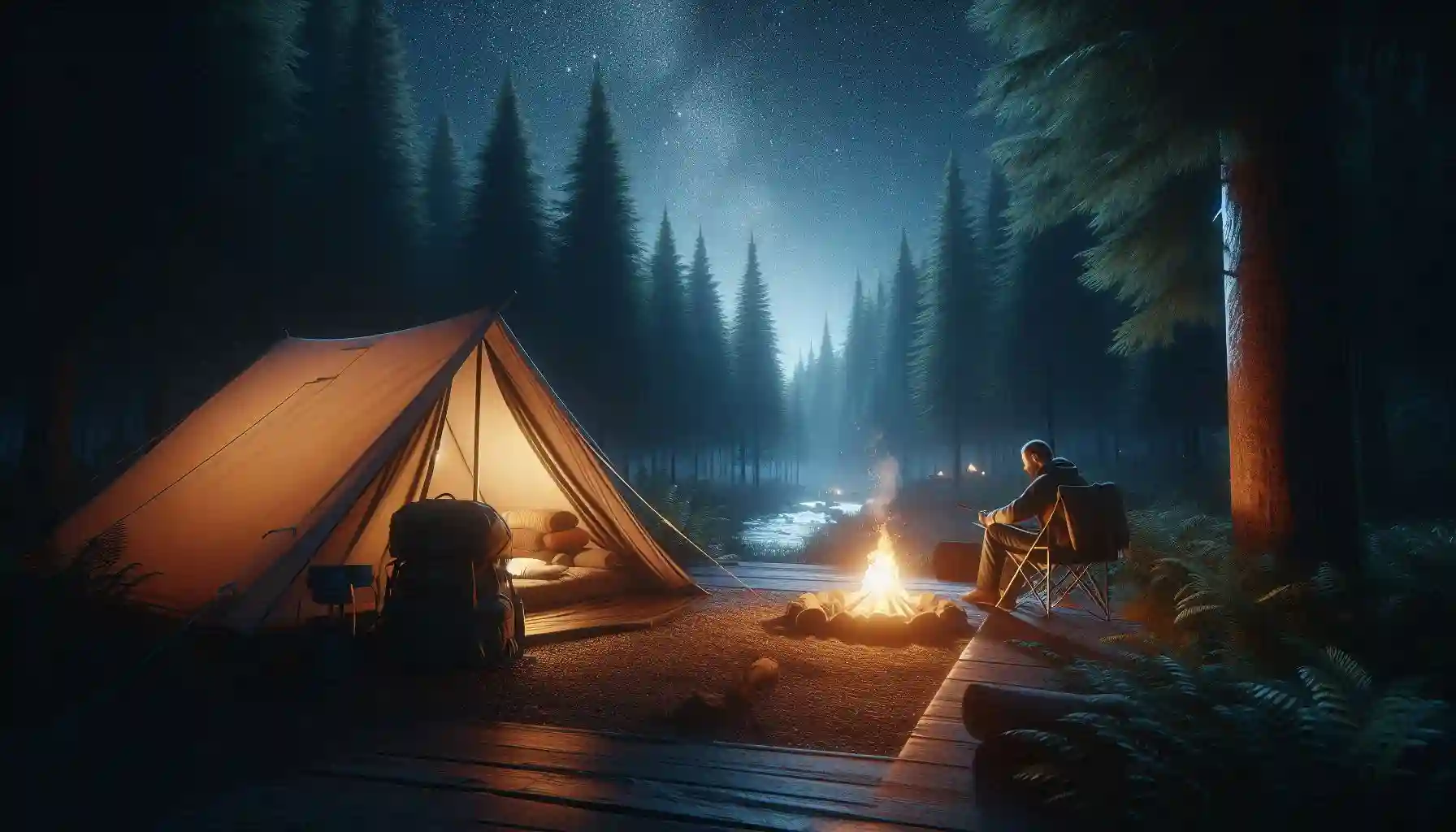
The bottom line is that the great outdoors can feel unpredictable, leading many beginners to ask: is tent camping safe? I clearly remember my first solo trip, lying awake at 2:00 AM and jumping at every snapped twig or rustle of leaves outside the nylon walls. That initial anxiety is completely normal, but it shouldn’t keep you from the sunrise views and the clarity that only a weekend in the woods can provide.
Safety in the wilderness isn’t about luck; it’s about the small, intentional habits you build before you ever drive to the trailhead. Whether it’s properly storing your food to keep wildlife at a distance or checking the climate report until the moment you lose cell service, preparation is your best friend. You want to feel confident, not paranoid, as you connect with nature. It’s that simple; following these camping practices can make a significant difference.
Look, at the end of the day, the risks of the trail are manageable with a bit of common sense and the right gear. Don’t let a “what if” scenario rob you of a lifetime of memories under the stars. Grab your pack, double-check your first-aid kit, and get out there.
Do you have a specific safety concern or a “close call” story from your own trips that taught you a valuable lesson? Drop a comment below I’d love to hear how you stay prepared on the trail!
Understanding Tent Camping Safety
What is Tent Camping?
Tent camping involves sleeping outdoors in a shelter, typically in campgrounds, national parks, or designated campgrounds, especially when setting up camp. It’s a popular way to experience nature, often involving activities like hiking, fishing, and campfire cooking. Shelter camping can range from car camping with easy access to your vehicle to more remote backpacking trips where you carry all your camping gear.
Common Risks Associated with Tent Camping
Tent camping involves risks associated with camping in a shelter, from weather events like thunderstorms to encounters with wild beasts. Fire safety is a concern when managing a campfire around the tent. Furthermore, personal safety risks can arise, especially when camping solo. Understanding these potential risks is the first step in ensuring a safe shelter camping experience.
Importance of campground safety Tips
Adhering to campsite safety tips is crucial for minimizing the risks associated with camping, including the dangers of camping in a tent. These tips encompass everything from opting for safety campground and checking the climate we report to proper food storage and wildlife safety practices. By taking proactive steps, campers can significantly enhance their shelter campground safety and well-being during their trip.
Preparing for Your Camping Trip
Choosing a Safe campground
Choosing a safe campground involves several considerations. Avoid camping in low-lying areas prone to flooding, and pitch your tent on level ground away from potential hazards like dead trees or overhanging branches. When camping near a campground, select a site that offers some privacy while also being within a reasonable distance of amenities and assistance, if needed.
Essential Gear for Safe Tent Camping
Here’s some essential camping gear for safe tent camping. You’ll definitely want to pack the following:
1. Garmin inReach Messenger Plus
The gold standard for off-grid safety. It allows you to send SOS alerts and two-way messages when cell service fails.
- Specs: 4.1 oz, Iridium Satellite Network, 28-day battery life, IPX7 waterproof.
- Pros: Fast messaging speeds; sends photos and voice memos; reverse-charging capability.
- Cons: Small screen (requires smartphone tethering for best use); monthly subscription required.

- Compact SOS satellite communicator enables two-way text, photo and voice messaging even in areas with no cell coverage; …
- Connect with your compatible smartphone using the Garmin Messenger app to share your adventures with multiple contacts s…
- Explore with peace of mind knowing you can trigger an interactive SOS message to Garmin Response℠, a 24/7-staffed intern…
2. Sabre Frontiersman Bear Spray (9.2 oz)
Essential for wildlife safety, especially when using a tent at night. This model provides the maximum legal strength and a massive spray range, making it extremely dangerous to wildlife if used properly.
- Specs: 35-foot range, 9.2 oz canister, includes hip holster, safety lock for added safety measures.
- Pros: High-volume output; effective against all bear species; unique 1-second burst option for safety measures.
- Cons: Canister is bulky; weight might be a concern for extreme ultralight hikers.

- EXTREMELY RELIABLE: Developed by SABRE, the #1 pepper spray brand trusted by police and consumers worldwide with over 45…
- 3 WAYS TO CARRY: Chest holster with adjustable straps secures the bear spray to your chest for immediate access; Belt ho…
- SECURE ACCESS: Bear spray is secured by strong elastic to prevent loss. Deterrent canister slides quickly from holster s…
3. Midland ER210 Emergency Crank Radio
Perfect for staying updated on weather alerts in areas with zero reception.
- Specs: 2600 mAh battery, Solar/Crank/USB power, NOAA Weather Channels, SOS Cree LED Beacon.
- Pros: Extremely compact and backpacking-friendly; very loud SOS alarm; long runtime.
- Cons: Internal battery is smaller than desktop models; antenna can be fragile.
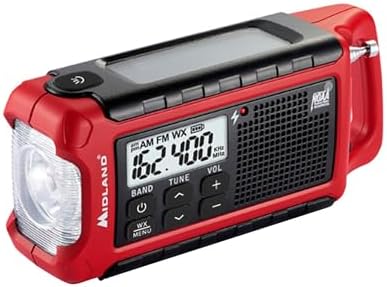
- Multiple Power Sources: The ER210 radio features three sustainable power sources for recharging: a built-in solar panel …
- Emergency Flashlight: Introducing the SOS FLASHLIGHT BEACON, an essential emergency tool. This flashlight flashes Morse …
- NOAA Weather Scan + Alert: NOAA Weather Scan will automatically scan through 7 available weather (WX) band channels and …
4. Black Diamond Spot 400-R Headlamp
Reliable lighting is a safety fundamental. This is a top-rated, lightweight, rechargeable choice.
- Specs: 400 Lumens, 3 oz, IP67 Waterproof, USB-C Rechargeable.
- Pros: “Settings Lock” prevents accidental battery drain; excellent red-light mode for night vision.
- Cons: Micro-USB port on some older versions (ensure you link the 2026 USB-C model).
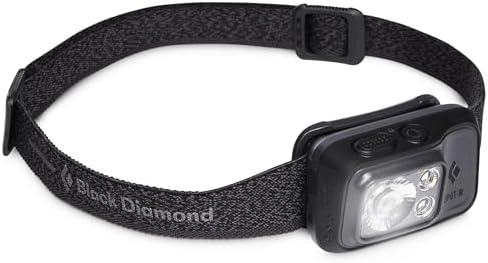
- POWERFUL LIGHT OUTPUT: Delivers up to 400 lumens of brightness for reliable visibility as a headlight/headlamp for hikin…
- RECHARGEABLE CONVENIENCE: Integrated 1500 mAh lithium-ion battery charges via micro-USB. Eliminates the need for disposa…
- WATERPROOF & DURABLE DESIGN: Rated IP67, the Spot 400-R withstands full submersion in water for up to 30 minutes. Rugged…
5. Nitecore NB10000 Gen4 Power Bank
Safety means keeping your navigation and emergency devices charged. This is the lightest 10k mAh bank on the market.
- Specs: 10,000 mAh, 5.29 oz, Carbon Fiber frame, IPX5 rated.
- Pros: Best weight-to-power ratio; supports pass-through charging; ultra-slim for pocket carry.
- Cons: Premium price tag; slightly reduced efficiency in extreme sub-zero temperatures.
Depending on the area, consider carrying bear spray for wildlife safety. Proper food storage containers are also crucial for preventing animal encounters and storing food safely.

- HIGH CAPACITY POWER BANK – With a 10,000mAh capacity, Nitecore NB Plus can power everything from smartphones, ipads, fla…
- VERSATILE AND FAST CHARGING – Comes with both USB-A and USB-C ports and supports 5V/3A QC PD fast charging.
- ULTRA LIGHTWEIGHT – Weighing only 5.47 oz and smaller than a phone, the NB Plus offers a sleek, minimalist design that’s…
Planning for Weather Safety
Planning for weather safety begins with checking the climate forecast before you go camping and always keeping an eye on changing conditions while inside your tent at night. Be prepared for potential under shower or sudden temperature drops by packing appropriate clothing and gear. Knowing how to respond to severe weather, such as seeking shelter inside your shelter or a sturdy building, is crucial for staying safe.
Wildlife Safety While Camping
Understanding Wildlife Risks
Understanding the dangers of camping, particularly wildlife risks, is essential for any camper. Different regions present varying dangers, from bears and mountain lions to smaller but still potentially harmful creatures. Being aware of the types of wild animals that inhabit the area where you plan to go camping allows you to take appropriate precautions to minimize risks.
How to Minimize Risks from Wildlife
To minimize risks from wildlife, always keep a clean campground and store food in airtight containers or bear-resistant canisters while setting up camp. Never feed wild animals, as this can lead to dangerous habituation. Make noise while hiking to avoid surprising animals, and be particularly cautious at dawn and dusk when many animals are most active and aware of their surroundings.
Emergency Procedures for Wildlife Encounters
In the event of a wildlife encounter, it’s crucial to remain calm and assess the situation. If you encounter a bear, use bear spray if you have it and slowly back away while speaking in a calm voice, remaining aware of your surroundings. For other encounters, maintain eye contact and make yourself appear large. Knowing when to retreat and how to protect yourself is vital for personal safety.
Staying Safe During Your Camping Experience
Fire Safety Precautions
Fire safety is paramount during any camping trip. Always keep a safe distance from your canopy when building a campfire, and be aware of dry vegetation that could quickly ignite. Clear a 10-foot radius around the campfire, and never leave it unattended. Ensure you have water and a shovel nearby to extinguish the flames completely before leaving your campsite or at night.
Solo Camping: Personal Safety Tips
Solo camping can be an enriching experience, but it also demands heightened personal safety awareness. Before embarking on your solo camping adventure, inform someone of your itinerary and expected return time. Carry a personal locator beacon or satellite communicator for emergencies. opting for safety campsite in a well-known area can minimize risks associated with camping alone.
Group campsite safety Strategies
When camping in a group, establish clear safety protocols and communicate effectively. Assign roles for different tasks, such as emergency treatment and campfire management, to ensure a safe and enjoyable camping experience. Share information about any medical conditions or allergies within the group. Regularly check on each other, especially during hikes or challenging activities. These campsite safety tips are very useful when camping in a group.
Urgency Preparedness in the Outdoors
First Aid Essentials for Campers
A well-stocked first aid kit is essential for every camper. Include items such as bandages, antiseptic wipes, pain relievers, blister treatment, and any personal medications for your tent camping experience. Familiarize yourself with basic emergency treatment procedures, such as treating cuts, burns, and sprains, especially when camping in a tent. Consider taking a wilderness emergency treatment course to enhance your skills in handling urgency situations when camping.
Responding to Dangerous Situations
In the event of a dangerous situation, such as a medical emergency or a wildlife encounter, stay calm and assess the situation. Administer emergency treatment if necessary, and use your communication device to call for help inside your tent. If facing a wildlife encounter while camping or hiking, follow established safety protocols, such as using bear spray or making yourself appear large. Being prepared and knowing how to react can significantly improve outcomes.
Staying Safe During under shower
Camping under showers can pose significant risks to campers, particularly in state parks. Check the weather forecast before you go camping, and be aware of changing conditions. If a thunderstorm approaches, seek shelter inside your tent or a sturdy building if available. Avoid standing near tall trees or metal objects, and stay away from water sources. Wait at least 30 minutes after the last thunderclap before leaving your shelter to ensure safety measures are followed.
FAQs
1. Is it safe to camp in tents?
Yes, tent camping is generally safe if you choose a good location, follow safety guidelines, and prepare for weather and wildlife.
2. What is the 3-3-3 rule for camping?
The 3-3-3 rule refers to survival basics: 3 minutes without air, 3 hours without shelter, 3 days without water, and 3 weeks without food.
3. Am I safe from bears in a tent?
No, a tent does not protect you from bears, so proper food storage and campsite safety are essential.
4. Is it safe to sleep in a tent?
Yes, it is safe if you camp in a secure area, use proper gear, and stay aware of your surroundings to ensure a safe and enjoyable experience.
5. Is tent camping safe in bear country?
Yes, but only if you follow bear safety rules like storing food properly and keeping your campsite clean.
6. Is tent camping safe in Yellowstone?
Yes, tent camping is safe in Yellowstone if you follow park rules, use designated campsites, and practice wildlife safety.
7. Is tent camping safe in thunderstorms?
It can be risky, so avoid camping in open areas, stay away from tall trees, and use a well-secured, weather-rated tent to ensure a safe and enjoyable experience with group camping.
8. Is tent camping safe in Florida?
Yes, but be mindful of heat, humidity, insects, and wildlife like alligators and snakes, especially when near a river.
9. How to make tent camping safe?
Choose a safe campsite, check weather conditions, store food properly, use quality gear, and follow local guidelines.
10. Is tent camping safe in Australia?
Yes, it is generally safe if you prepare for heat, insects, and wildlife and follow local safety advice.
Conclusion
Tent camping provides an unparalleled opportunity to immerse yourself in the great outdoors and create lasting memories. While it offers a safe and enjoyable experience, it is essential to acknowledge the potential risks associated with camping. Understanding these risks, from weather events like thunderstorms to encounters with wild beasts, and planning for urgency situations, can help ensure you take precautions. By following camping safety tips, you can enhance your tent camping experience and well-being during your trip. So, pack your camping gear, choose a safe campsite, check the weather report, and enjoy the adventure of tent camping with confidence.