Embarking on your first camping trip can be an exciting adventure, and choosing the best camping tent is crucial for a comfortable camping experience. This guide is designed for beginners, focusing on how to choose a tent that fits your needs, whether you’re planning a relaxing car camp or an adventurous backpacking trip. We’ll explore different tent types, discuss essential tent features, and help you find the right camping tent to ensure your time spent sleeping in the tent and enjoying nature is enjoyable.
Understanding Tent Types
When looking for a tent, it’s important to understand the various tent types available. Tents come in a range of styles, each designed for specific purposes. From the classic dome tent, known for being easy to set up, to more spacious cabin tents ideal for family camping, the options can seem overwhelming. This section will help you navigate the world of tents on the market and choose the best tent for your needs.
Different Types of Camping Tents
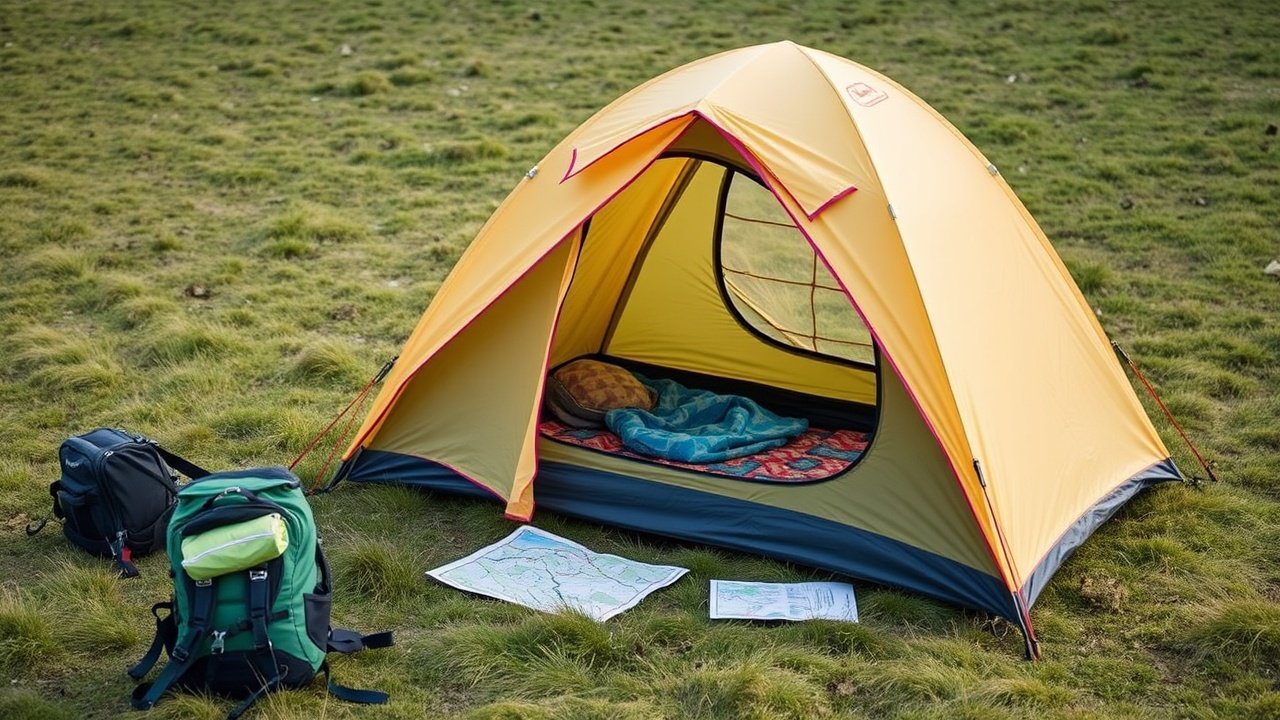
Camping tents vary greatly, catering to different group sizes and camping styles. Dome tents are a popular choice for their simple setup and stability. Cabin tents offer more headroom and a boxy design, making them great for family camping where standing up inside the tent is a plus, especially when considering the right tent for your group. Then there are specialized tents like rooftop tent options, which mount on vehicles for an elevated camping experience. Understanding these tent types will help you choose the best camping tent based on how you’re camping and who you’ll share a tent with.
Choosing the Right Backpacking Tent
For those venturing into backcountry camping, a backpacking tent is essential. These tents are designed to be great backpacking tents that offer both comfort and functionality. lightweight tents, prioritizing portability without sacrificing protection from the elements. When choosing the right backpacking tent, consider factors like tent size and weight. An ultralight tent is ideal for solo trips, while slightly bigger tent options might be necessary to store gear if you’re camping in adverse weather; consider a tent that meets these needs. Remember, every ounce counts when you’re carrying the best backpacking tents on your back.
Car Camping Tents vs. Backpacking Tents
The key difference between car camping tents and backpacking tents lies in weight and portability. Car camping allows you to bring a more substantial, comfortable camping tent since you’re not limited by what you can carry. These tents offer more space and tent features, perfect for longer stays and larger groups. Backpacking tents, on the other hand, must be lightweight and compact, prioritizing functionality for those who need a durable tent that won’t weigh them down on the trail. Keep these differences in mind as you choose the best camping tent. A 3-season tent will be fine in most scenarios, but a 4-season tent is a better tent to protect you from the elements.
How Many People Fit in a Tent?
Manufacturer Ratings vs. Real-Life Capacity
When buying a tent, you’ll notice that tents are often categorized by their “person” rating. However, these ratings can be misleading for a beginner. A 4-person tent, for example, may comfortably fit four people sleeping like sardines next to each other, but it leaves little room for camping gear or moving around inside the tent. A good rule of thumb is to always go a size up. If you are two people going on a camping trip, choose a tent labeled for three people. This will give you a more comfortable camping experience.
Choosing the Right Size Tent for Your Group
Choosing the right camping tent is essential for an enjoyable camping trip, especially if you want a larger tent for more space. Consider how much space you realistically need. If you and a friend are car camping and plan to store gear inside the tent, a 3-person or even a 4-person tent will provide ample room.
For family camping, cabin tents offer larger tents where everyone can stand up and move around. Think about the activities you’ll be doing and how much time you’ll spend inside the tent to choose the best camping tent that fits your needs. This is especially important when looking for a tent to protect you from bad weather; in that case, more tent space for your camping gear is essential.
Understanding Tent Layouts
Tents come in various layouts, each designed to maximize space and functionality. Some tents on the market feature a simple rectangular design, while others have more complex structures with vestibules or separate rooms. Vestibules are useful for storing muddy boots and camping gear, keeping the main sleeping area clean. Consider the layout when choosing the right camping tent, thinking about how you will utilize the space and whether separate areas for sleeping and storage would enhance your overall camping experience.
Top 5 Best Camping Tents
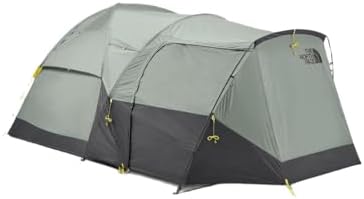
1. Best Overall Camping Tent: The North Face Wawona 6
The North Face Wawona 6 has redefined the “basecamp” experience for 2026. This isn’t just a place to sleep; it’s a portable home featuring a massive integrated vestibule that acts as a front porch, keeping your tent organized and comfortable outside of the tent. Whether you’re hiding from a sudden downpour or need a shaded spot to store your mountain bikes and coolers, the Wawona provides unparalleled versatility. It’s built with heavy-duty materials that can withstand years of use, making it a favorite for seasoned campers who prioritize livability over everything else.
- Specs: 6-person capacity; 86.11 sq. ft. floor area; 44.7 sq. ft. vestibule; 76-inch interior height.
- Pros: Enormous “garage” vestibule for gear; hybrid double-wall construction for ventilation; high ceiling allows standing.
- Cons: Some campers may find that the tent walls do not provide enough insulation in colder weather. Large footprint requires a big tent pad; setup is easier with two people due to its size.
Ultimately, the Wawona 6 is for the camper who refuses to compromise on space. Its unique design offers a “dry zone” before you even step into the sleeping area, ensuring that mud and wet gear stay outside of the tent. While it is on the pricier side for a car-camping tent, the build quality ensures it will be the last tent you need to buy for a long time. If you want a tent that feels like a fortress against the elements while offering the luxury of a walk-in closet, this is your top choice for 2026.
2. Best Budget Family Tent: Coleman Skydome with Dark Room Technology
The Coleman Skydome series has taken the classic dome design and updated it for modern convenience. The standout feature of this specific model is the “Dark Room Technology,” which blocks 90% of sunlight. This is a game-changer for parents with young children who need to nap during the day or for anyone who wants to sleep past sunrise without being baked by the morning heat. The pre-attached poles make it one of the fastest non-instant tents to pitch, getting you from the car to the campfire in under five minutes.
- Specs: 4, 6, or 8-person options; WeatherTec system with 35 mph wind rating; 20% more headroom than traditional domes.
- Pros: Blocks nearly all light for better sleep; extremely affordable; very fast setup with pre-attached poles.
- Cons: Dark Room coating can make the tent feel hotter if not properly ventilated; basic fiberglass poles.
The Coleman Skydome proves that you don’t need to spend a fortune to get a high-quality camping experience. It strikes a perfect balance between price and performance, offering the reliability of the Coleman brand with a much more spacious feel than older models. While it may not be built for high-alpine storms, it is the perfect companion for summer festivals and family weekends at the lake. If you’re looking for a stress-free setup and a dark, cool place to rest, this is the best value on the market today.

- DARK ROOM TECHNOLOGY: Blocks 90% of sunlight so you can sleep in; reduces heat inside tent for additional comfort
- QUICK SETUP: Sets up in 5 minutes using preattached poles; front left corner on tent and rainfly and brow pole sleeve ar…
- EXTRA SPACE: 8 x 3 ft. 6 in. weatherproof screen room converts into an additional sleeping area for 1 person, space for …
3. Best Instant Setup: CORE 9-Person Instant Cabin Tent
For those who find traditional tent poles frustrating, the tent repair kit can be a lifesaver in the field. CORE 9-Person Instant Cabin Tent is a literal life-saver. This tent features an integrated frame that comes pre-assembled; you simply unpack it, extend the telescoping legs, and click them into place. In less than 60 seconds, you have a massive two-room shelter ready for occupancy. It’s designed specifically for large groups and families who want to spend their time hiking and cooking rather than wrestling with fabric and poles.
- Specs: 14′ x 9′ floor area; 78-inch center height; includes room divider; fits 2 queen air mattresses.
- Pros: Genuine 60-second setup; near-vertical walls create massive interior volume; electrical cord access port.
- Cons: Heavy and long when packed (difficult for small cars); not suitable for high-wind environments.
The CORE Instant Cabin is all about massive volume and zero hassle. It’s like having a portable hotel room that fits in your trunk. The inclusion of a room divider makes it ideal for groups or families with kids who need their own space. While its size makes it vulnerable to strong winds, its performance in fair-to-moderate weather is exceptional. If your priority is getting camp set up as quickly as possible so you can start relaxing, there is no better choice on Amazon than this CORE model.

- polyester
- Imported
- INSTANT POP UP TECHNOLOGY: Pre-attached poles lock into place for setup in 2 minutes or less
4. Best Ultralight Backpacking: Big Agnes Copper Spur HV UL2
If your camping involves carrying your house on your back, the Big Agnes Copper Spur HV UL2 is the undisputed champion of 2026. This tent manages to provide a fully freestanding, double-wall shelter at a weight that seems almost impossible. It’s engineered with high-tech fabrics and DAC Featherlite poles to ensure that every gram is optimized for strength and weight savings. Despite its “ultralight” label, it doesn’t feel cramped, thanks to its high-volume (HV) pole architecture that pulls the walls outward to create more shoulder room.
- Specs: 2-person; 2 lb 11 oz trail weight; 28 sq. ft. floor; dual awning-style vestibules.
- Pros: Incredible weight-to-space ratio; vestibules can be set up as awnings; high-quality organization pockets inside.
- Cons: Premium price; lightweight materials require a footprint to protect the floor from sharp rocks.
The Copper Spur is the ultimate investment for the serious backpacker or thru-hiker. It provides a level of comfort and “livability” that is usually sacrificed in ultralight gear. Features like the awning vestibules allow you to have a covered porch even in the backcountry, providing a luxury feel in remote locations. It is a piece of precision engineering that justifies its price through sheer performance and reliability on the trail. For the hiker who wants the best of the best, this is the definitive 2-person shelter.

- [fly
- Imported
- FULLY REDESIGNED – The Copper Spur HV UL series just got better, complete with our award-winning mtnGLO Tent Light Techn…
5. Best 4-Season Basecamp: ALPS Mountaineering Lynx 4
For those who don’t let a little snow or wind stop their adventures, the ALPS Mountaineering Lynx 4 is a rugged, reliable choice that punches far above its weight class. While technically a “3-season” tent, its sturdy aluminum poles and full-coverage rainfly allow it to handle late-season snow and heavy spring storms with ease. It is a no-nonsense tent that focuses on heavy-duty zippers, thick floors, and a stable dome structure that has been a favorite of scouting groups and outdoor guides for years.
- Specs: 4-person capacity; 7’6 x 8’6 floor; 52-inch center height; 7000-series aluminum poles.
- Pros: Extremely durable aluminum poles (not fiberglass); full-coverage fly for total rain protection; great price-to-durability ratio.
- Cons: Slightly heavier than comparable 4-person backpacking tents; basic design lacks “luxury” features like gear garages.
The ALPS Mountaineering Lynx 4 is the “workhorse” of this list. It is built for the camper who needs a tent that can take a beating and keep them dry in a torrential downpour, ensuring you stay comfortable outside of the tent. Because it uses aluminum poles instead of fiberglass, it won’t snap under the weight of light snow or in a gusty canyon. It is the perfect choice for someone who wants a high-quality technical tent but doesn’t want to pay the “boutique” prices of high-end backpacking brands. Simple, strong, and effective, the Lynx 4 is a true outdoor staple and a great backpacking tent for those who enjoy camping on sand.

- EASY SET-UP – There’s no assembly frustration with our Lynx Tent series; this free-standing, aluminum two-pole design is…
- WEATHER PROTECTION – 75D 185T polyester fly with 1500 mm coating resists UV damage and stays taut; 75D 185T poly taffeta…
- SPACIOUS – Two doors for easy entry from either side, and two vestibules that provide ample storage space for multiple c…
Essential Tent Accessories
The Importance of Tent Footprints
When you’re looking for a tent, don’t overlook the importance of a tent footprint. A tent footprint is a piece of durable material, often waterproof, that sits between the tent floor and the ground. Its primary purpose is to protect the tent floor from abrasion, punctures, and moisture, significantly extending the lifespan of your tent.
By using a tent footprint, you’re adding an extra layer of defense against rocks, roots, and dampness, ensuring a more comfortable camping experience and preserving the integrity of your tent for many future camping trip adventures. This simple tent accessory can make a huge difference. It keeps moisture from seeping inside the tent, especially during rainy conditions, and prevents damage that could lead to leaks.
Choosing the Right Stakes and Guylines
The best camping tent needs the right stakes and guylines to ensure it stands firm, especially in windy conditions. Many tents on the market come with basic stakes, but investing in higher-quality stakes can make setting up your tent easier and more secure. Consider the type of ground where you’re camping; sturdy metal stakes are ideal for hard-packed soil, while longer, wider stakes work better in sandy or loose ground. Guylines are ropes attached to the tent that, when properly secured, provide additional stability and prevent the tent from collapsing in strong winds. Choosing the right camping tent also means choosing the right stakes to help your tent protect you from the elements.
Other Useful Tent Accessories
Beyond footprints and stakes, several other tent accessories can enhance your camping experience. A gear loft that hangs inside the tent provides extra storage space for small items like headlamps and phones, keeping them off the tent floor and easily accessible. A doormat placed inside the tent entrance helps reduce the amount of dirt and debris tracked inside the body of the tent.
Consider a battery-powered or rechargeable tent fan for ventilation on warm nights. These tent accessories aren’t essential, but they can contribute to a more organized and comfortable camping trip, making sleeping in the tent to use all the more enjoyable. If this is your first tent, you can gradually add these additional camping gear accessories as you gain experience.
Features to Look for in a Camping Tent
Weather Resistance and Durability
When you look for tents, weather resistance and durability are critical factors for a safe and comfortable camping experience. A good camping tent should be able to withstand wind, rain, and even snow, depending on the season and location of your camping trip. The tent floor material and construction play a crucial role in preventing water from seeping inside the tent, while durable tent fabrics and sturdy poles ensure the tent can stand up to strong winds. Always check the tent’s waterproof rating (measured in millimeters) and consider a 4-season tent for more extreme conditions.
Ventilation Features for Comfortable Sleeping
Ventilation is another essential tent feature, preventing condensation buildup inside the tent and ensuring comfortable sleeping conditions. Look for the right tent with mesh panels, adjustable vents, and rainfly designs that promote airflow. Proper ventilation helps reduce humidity and keeps the inside of the tent fresh, preventing that stuffy, uncomfortable feeling, especially during warm or humid nights, which is crucial for the body of the tent. A well-ventilated camping tent will significantly enhance your overall camping experience. These tent walls are especially important for bigger tent options used for family camping, where multiple people are breathing inside the tent.
Easy Setup and Packability
For a beginner, the tent’s ease of setup and packability are important considerations. Choose a budget tent that you can set up quickly and easily, especially after a long day of hiking or traveling. Look for tents with color-coded poles, simple instructions, and intuitive designs. Packability is also crucial, especially for backpacking. The best camping tent should pack down into a compact size and be lightweight enough to carry comfortably on your camping trip. Check the packed tent size and weight before buying a tent to ensure it meets your needs.
Making Your First Tent Purchase
Budgeting for Your Camping Tent
When budgeting for your camping tent, consider the tent types available and your specific needs. Backpacking tents may come in different price ranges, so you’ll need to determine your budget and the tent to use that fits your needs. While it’s tempting to go for the cheapest option, Investing in a durable tent will protect you from the elements and provide a more comfortable camping experience, ensuring you have the right tent for your adventures..
Think about how often you plan to go camping and the types of conditions you’ll encounter, and prioritize quality and durability when choosing the best camping tent for your budget. It is best to look for tents on the market and get an idea for different prices.
Where to Buy Your Tent
You can find tents at various retailers, from outdoor specialty stores to online marketplaces. Specialty stores offer expert advice and allow you to learn how to choose the right tent by physically inspecting the tents. Online retailers offer a wider selection and competitive prices. Consider visiting a local store to get a feel for different tent types and then compare prices online to find the best deal. Look for tents that suit your budget and camping needs, and don’t hesitate to ask for recommendations from experienced campers or store staff. Finding the right camping tent involves careful research and comparison.
Reading Reviews and Recommendations
Before making a purchase, reading reviews and recommendations from other campers is always a good idea. Look for tents on the market and pay attention to what other users say about the tent’s performance in various conditions, its durability, and its ease of use. Consider both positive and negative feedback, and look for trends or recurring issues that may affect your decision. Online reviews can provide valuable insights into the real-world performance of a tent, helping you choose the best camping tent for your needs and avoid any unpleasant surprises on your first camping trip. These tent reviews will prepare you on how to set up your tent.
Top 10 Camping Tent FAQs
1. How do I choose the right camping tent size?
Choose a tent based on the number of campers, your gear storage needs, and extra room for comfort, ideally sizing up by one or two people.
2. What should I look for when buying a camping tent?
Look for the right tent size, season rating, waterproofing, ventilation, durability, weight, and ease of setup before making a purchase to ensure you get a tent that meets your needs.
3. Which type of camping tent is best for beginners?
Dome tents are usually best for beginners because they are affordable, simple to set up, lightweight, and suitable for most camping conditions.
4. How important is waterproofing when choosing a camping tent?
Waterproofing is very important because sealed seams, a quality rainfly, and a durable waterproof floor help keep you dry during rain.
5. What is the best tent material for durability and weather resistance?
Polyester and ripstop nylon are among the best tent materials because they are durable, lightweight, and resistant to weather and wear, making them ideal for a great backpacking tent.
6. Should I choose a 3-season or 4-season camping tent?
Choose a 3-season tent for most spring, summer, and fall trips, but choose a 4-season tent for winter camping or extreme weather conditions.
7. How much should I spend on a good camping tent?
A good camping tent usually costs between $100 and $400, depending on its size, quality, weather protection, and extra features.
8. What features make a camping tent more comfortable?
Features like good ventilation, high headroom, storage pockets, vestibules, multiple doors, and easy setup make a camping tent more comfortable.
9. How do weather conditions affect the type of tent I should buy?
Weather conditions affect tent choice by determining whether you need stronger poles, better waterproofing, more airflow, or a higher season rating.
10. What is the best camping tent for families, solo campers, or backpackers?
Families should choose spacious cabin or tunnel tents, while solo campers and backpackers should choose lightweight dome or backpacking tents.
Conclusion
The bottom line is, I’ve been exactly where you are staring at a wall of polyester and mesh, wondering if a few extra ounces of weight will actually ruin my weekend or if I’m just overthinking it. Selecting the right gear feels like a high-stakes math problem when all you really want to do is sit by a fire and see some stars. How to choose a camping tent doesn’t have to be a headache, though. You just need a shelter that matches your pace.
If you’re mostly sticking to car camping and want comfort without the “gear-guilt” price tag, hunting for the best budget tent for beginners is a total pro move. You don’t need a mountaineering fortress for a local state park. However, if you’re looking to level up your aesthetic, don’t forget those glamping essentials 2026 trends like integrated LED lighting and oversized vestibules. They make a difference.
Of course, nature has a way of testing your patience. Even the best rigs can leak if you aren’t prepared, so mastering a few weatherproof tent hacks like checking your seam tape and angling your rainfly is non-negotiable. Gear should work for you, not the other way around.
Ready to stop scrolling and start packing? Whether you’re looking for easy setup camping gear or a rugged backcountry home, the best tent is the one that actually gets you outside.
Which feature is your “must-have” for your first night under the stars is it head height or a five-minute setup time?